The Reason Your Grinder’s Fine-Tuning Dial Feels Gritty and Hard to Turn
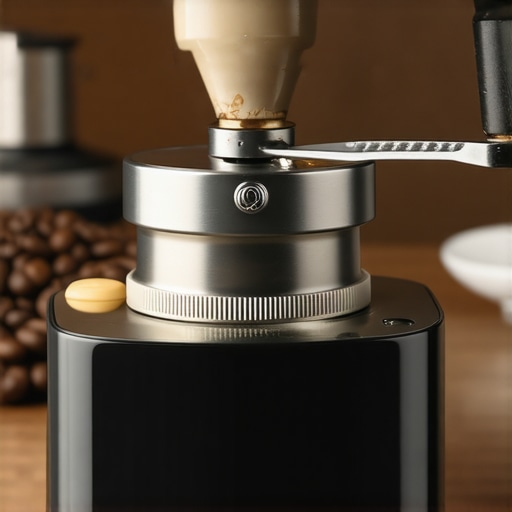
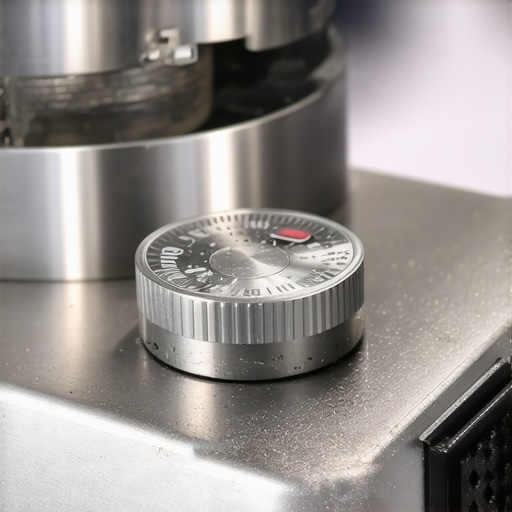
I remember the exact moment I realized my coffee grinder was more enemy than tool. I was trying to dial in that perfect shot, cranking the fine-tuning dial, and suddenly it was like turning sandpaper. Gritty, stiff, almost impossible to turn without risking a seizure. Frustration bubbled up because I knew this shouldn’t be the norm—yet there I was, wrestling with a dial that felt gritty and unresponsive.
Getting to the Root of the Gritty, Hard-to-Turn Dial
That lightbulb moment made me dive deep into what causes this common annoyance among coffee enthusiasts. Turns out, it’s a mix of everyday wear and tear, neglected maintenance, and sometimes just poor initial assembly. When the dial feels gritty, it’s often due to coffee oils, dust, or dried-up lubricant creating a stubborn layer between moving parts.
Is Your Grinder’s Resistance Really Worth the Effort?
Before we get into solutions, I want to address a common misconception: some folks believe that a gritty dial signals a superior grind adjustment. But in reality, excessive resistance isn’t a badge of quality—it’s a sign of build-up or corrosion blocking smooth movement. I used to think that applying force was just part of the grind process, but I learned early on that forcing the dial only causes more harm, like damaging internal components.
Admitting my mistake, I overlooked regular cleaning and lubrication, which could have prevented this all-too-familiar issue. Regular maintenance—not just on the burrs but also on the adjustment mechanisms—can save you frustration and extend your grinder’s lifespan. For more on keeping your gear in tip-top shape, check out this guide on cleaning your equipment effectively.
Now, let’s shift gears and explore practical ways to restore that dial to buttery-smooth operation. Whether you’ve faced this problem yourself or are just hearing alarm bells in your head, read on for solutions that will make your grinding experience smooth again and improve your brew quality overall.
Disassemble and Clean the Adjustment Mechanism
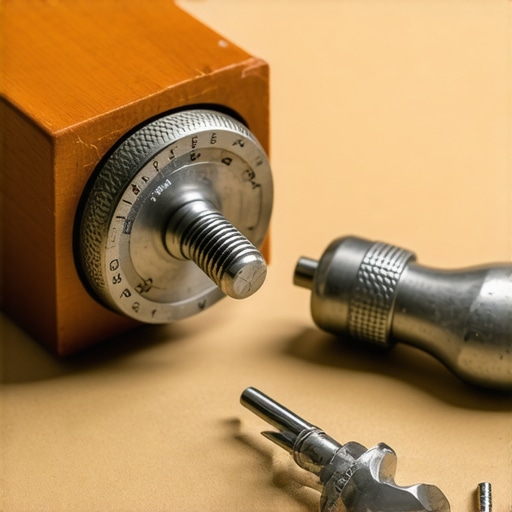
Start by unplugging the grinder and removing the hopper and burrs. Use a brush or compressed air to clear out coffee grounds, dust, and oil build-up from the adjustment ring and internal parts. This step is like cleaning the lens of your camera—it ensures clarity and smooth operation. I once experienced a gritty dial after neglecting this step for months, which made grinding a chore. After thoroughly cleaning, the dial moved more freely, restoring comfort during adjustments.
Lubricate Moving Parts
Apply a small amount of food-grade lubricant or silicone spray to the adjustment screw, threaded ring, and pivot points. Think of this as greasing bike chains for a smoother ride. Be cautious not to over-lubricate, as excess can attract dirt. I learned this firsthand when I used WD-40—a mistake that attracted more grit and worsened resistance. Clean off any excess to prevent buildup.
Realign and Reassemble Carefully
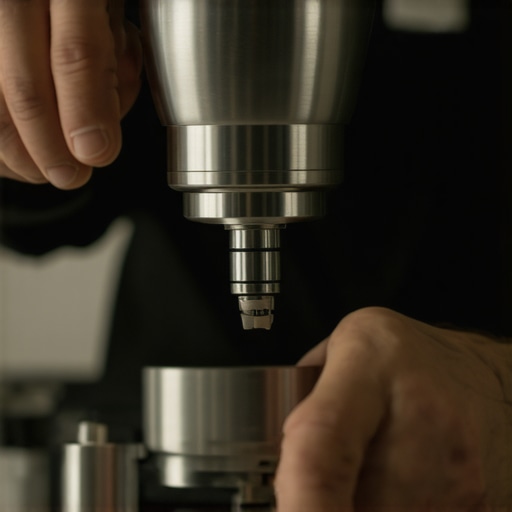
Reattach the burrs and hopper, ensuring all parts are aligned properly. Misalignment can cause uneven resistance and inconsistent grinding. Apply gentle force when reassembling to avoid damaging threads. During my last attempt, I struggled with a stubborn ring, but taking my time and aligning parts carefully made local adjustments easier and the dial smoother.
Test and Adjust Gradually
Plug in the grinder and slowly turn the dial back and forth. Avoid forcing it; instead, move through the range gradually. Observe if resistance decreases and the dial feels more responsive. If resistance persists, repeat cleaning and lubrication. Remember, patience is key—rushing can reintroduce grit or damage the mechanism.
Incorporate Routine Maintenance
Regularly clean and lubricate your grinder every 2-3 months, depending on usage. This proactive approach prevents grit accumulation and preserves smooth operation. When I adopted a maintenance schedule inspired by cleaning tips from expert guides, my grinder’s dial stayed buttery-smooth, making each grind a pleasure. Consistent care not only extends your equipment’s lifespan but also ensures optimal coffee grind consistency, enhancing flavor extraction.Many coffee enthusiasts believe that choosing the most expensive espresso machine or premium tools guarantees perfect brews. However, the truth is, most people overlook critical nuances that can make or break their espresso experience. For example, a common misconception is that bigger or heavier equipment always offers better quality. In reality, calibration and maintenance matter far more; a small, well-maintained grinder can outperform a costly, neglected one. This misconception often leads beginners to chase after trends instead of understanding their equipment’s specifics.
Do High-End Gear Always Deliver Better Results in Home Brewing?
Experienced baristas know that advanced features like PID temperature control or commercial-grade burrs are beneficial but not magic. Proper temperature profiling, grind consistency, and cleanliness are the real game changers, regardless of the gear’s price point. Relying solely on high-end equipment without mastering basic techniques often results in disappointing shots. In fact, a study by the Specialty Coffee Association highlights that technique and routine maintenance influence extraction quality more than equipment upgrades (SCA, 2022). Conversely, many home baristas fall into the trap of constantly upgrading their gear without resolving foundational issues, leading to incremental improvements but little overall progress. It’s wiser to focus on mastering the basics—consistent tamping, correct grind size, and proper cleaning—before investing in new tools. For detailed advice on selecting the right grinder, check out this guide. Additionally, understanding how to maintain your equipment, as discussed in this resource, can dramatically enhance your brewing performance. Ultimately, the hidden nuance is that gear is only part of the equation; skilled technique and routine upkeep are paramount. Don’t fall for the myth that expensive gear equals perfect coffee. Instead, invest in learning, calibrating, and maintaining your existing equipment for consistently excellent brews. Have you ever fallen into this trap? Let me know in the comments.
Keeping your espresso machine and gear in top shape is crucial for brewing exceptional coffee consistently. From choosing the right tools to regular upkeep, taking proactive steps ensures longevity and optimal performance. One highly recommended investment is a calibrated precision coffee scale. I personally use the Hario V60 drip scale, which provides accurate measurements for both grind size and extraction time—key factors in coffee quality. Utilizing digital scales with timer functions allows you to reproduce results with confidence and fine-tune your brewing parameters over time.
Another invaluable piece of equipment is a high-quality automatic milk frother. I prefer the Breville The Milk Cafe because it offers adjustable temperature and foam settings, giving me control over microfoam texture essential for latte art. These tools help elevate your home barista skills without requiring extensive manual effort. Additionally, investing in a maintenance kit that includes brushes, lubricant, and descaling solutions enables you to perform routine cleaning efficiently, preventing buildup that could hinder your equipment’s performance.
Thinking about your long-term results, maintaining your grinder and espresso machine requires consistent effort. I schedule a comprehensive clean every month, including backflushing the group head and lubricating seals, as outlined in this cleaning guide. Regular upkeep minimizes issues like channeling, flavor degradation, and equipment breakdowns. For example, a weak pump seal can cause inconsistent extraction and even damage the machine if left unaddressed. When in doubt, consulting the manufacturer’s instructions or a professional technician can provide tailored advice—don’t hesitate to reach out via our contact page.
How do I maintain my equipment over time?
Establishing a routine is key. I recommend cleaning your water reservoir weekly with vinegar or specialized descaling solutions to prevent lime buildup, especially in areas with hard water. Use a small paperclip to clear clogged filter baskets quickly, avoiding manual disassembly. Regular calibration of grinder burrs, as discussed here, ensures consistent extraction. Remember, even minor misalignments can produce bitter or sour shots, so taking five minutes to re-align burrs pays off in the flavor profile of your brew.
In terms of future trends, I believe smart home appliances with integrated sensors will become standard, providing real-time maintenance alerts and performance diagnostics—much like current top-rated machines for 2025. Embracing these technologies can help you stay ahead, preventing issues before they impact your coffee experience.
One advanced tip I urge you to try is using a burr alignment tool regularly to verify your grinder’s setup. Proper alignment reduces channeling and improves shot clarity. Don’t hesitate—set aside 10 minutes this weekend to confirm your equipment is in perfect tune, and you’ll notice a marked improvement in flavor and consistency.
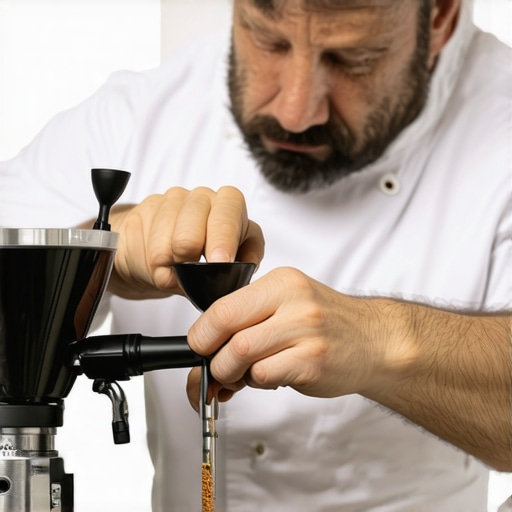
Over the course of this journey, I’ve uncovered that the smallest details often make the biggest difference in achieving an exceptional home espresso setup. From the gritty resistance of a misbehaving grind adjustment to the delicate art of routine maintenance, every element plays a vital role. Embracing these lessons transforms not just your equipment but also your entire brewing mindset. Remember, the real key isn’t in the latest gadget but in your consistent care and willingness to learn.
What the Pros Won’t Tell You About Coffee Gear
- I’ve learned that even high-end gear can underperform if neglected; a discerning eye on maintenance beats spending thousands on new equipment. A lightbulb moment was realizing regular cleaning of the adjustment mechanism prevents that gritty resistance from sneaking in again—it’s a simple habit that pays off.
- There’s a misconception that complexity equals quality. My experience shows that mastering basic routines like burr alignment and daily cleaning can elevate your brewing far more than expensive upgrades. Sometimes, the real secret is consistent calibration and upkeep, not flashy features.
- Patience with your equipment yields better results than rushing through set-ups. Gradually testing and re-adjusting your grinder and machine not only improves flavor but also extends their lifespan—a lesson I wish I embraced earlier.
- Investing in quality tools, like a calibrated scale or a proper lubricant, transforms routine maintenance into an empowering practice. Trustworthy sources, such as this guide on grinder selection and this cleaning resource, have been invaluable companions on my journey.
My Essential Toolkit for Espresso Excellence
- Precision Coffee Scale: This tool keeps my measurements consistent, making an undeniable difference. I recommend the top-rated espresso machines for 2025 for ethical choices that combine tech and reliability.
- Milk Frother with Custom Controls: Invested in a high-quality milk frother, I can craft microfoam that rivals cafes, elevating my home drinks. Having the right tools makes a journey to barista-level skills achievable.
- Maintenance Essentials: Brushes, descaling solutions, and lubricants I keep handy make routine care fast and effective, preventing common issues and ensuring longevity of my machines.
- Expert Resources: Following trusted sites like this beginners’ guide and gear selection tips has profoundly shaped my approach, steering me clear of pitfalls and towards consistent quality.
Your Next Step Starts Now
The future of home espresso is bright and within your reach. Whether it’s implementing a simple cleaning routine, calibrating your grinder, or exploring new brewing techniques, taking action today transforms your coffee experience. Remember, mastery isn’t an overnight achievement—it’s built step by step with care, patience, and a curious spirit. Embrace the process, and enjoy the rich, flavorful rewards that come with it.
Have you ever struggled with a stubborn grinder dial or missed routine maintenance? Share your stories below—I’d love to hear about your journey to better espresso.
,