How to Clean an Internal Water Reservoir That You Can’t Reach
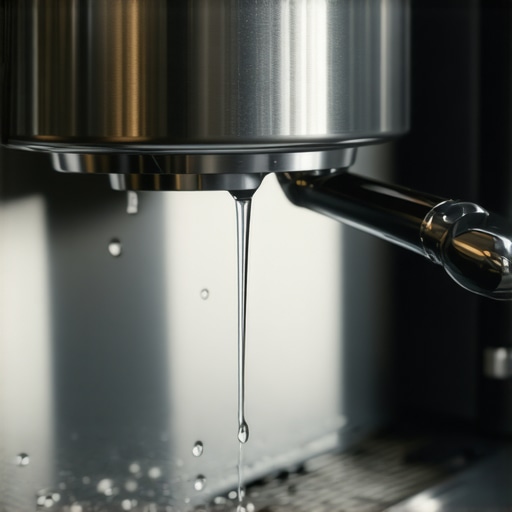
It happened on a busy morning, just as I was about to impress my friends with a perfect shot of espresso. I noticed something odd—my machine wasn’t pulling water the way it used to. A quick peek suggested everything was fine, but I knew better. The real issue was the internal water reservoir, tucked deep inside, inaccessible and hiding the grime and mineral build-up that were silently sabotaging my brew. That lightbulb moment made me realize: if I don’t tackle this hidden problem, my coffee quality will suffer—and so will my taste buds.
Why You Should Care About the Unreachable Water Reservoir
Most home baristas focus on grinders, tampers, or espresso machines, but overlook the unseen, internal water reservoirs. These reservoirs are crucial for your machine’s health and your coffee’s flavor. Think about it: every time you brew, water passes through that reservoir, carrying minerals, bacteria, and other residues. Over time, without proper cleaning, these can taint your drinks and even damage your machine.
One common mistake I made early on was simply wiping the exterior or refilling without thinking about these hidden compartments. I didn’t realize that mineral build-up inside an unclean reservoir could cause scaling, which diminishes water flow and affects extraction consistency. According to the Specialty Coffee Association, mineral deposits are one of the leading causes of espresso machine failure, and regular internal cleaning is essential (https://espressotechguide.com/how-to-clean-coffee-oil-out-of-a-plastic-hopper-without-scratching-the-surface).
Here’s the truth: if you neglect this part of your machine, you’re risking not just flavor but also the longevity of your investment. And considering how much effort you put into dialing in your grind or perfecting your milk foam, it’s frustrating to think everything can be undermined by a reservoir you can’t even see or access without a little know-how.
Have you faced a situation where your coffee tasted off but you couldn’t pinpoint why? Chances are, the culprit might have been lurking in that obscure water container. Don’t worry—help is on the way. In the next steps, I’ll guide you through simple, effective methods to clean and maintain that hard-to-reach water reservoir, ensuring every cup you brew is as fresh and flavorful as it should be.
Accessing the Hidden Reservoir
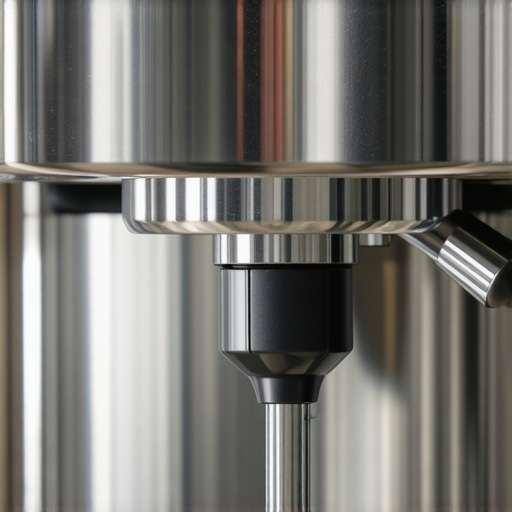
Start by unplugging your machine to ensure safety. Remove any removable parts that cover the water reservoir, such as drip trays or panels. Use a flashlight to locate the reservoir compartment. If it’s sealed, check your machine’s manual for specific instructions or tools needed to open it. Personally, I once used a small flat-head screwdriver to gently pry open a stubborn panel, revealing years of mineral deposits. Be cautious to avoid damaging the casing or seals.
Empty and Prepare for Cleaning
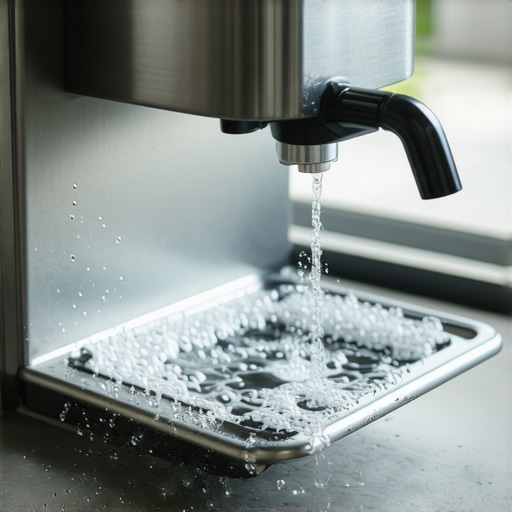
Pour out any remaining water, and discard any old liquid. Prepare a mixture of equal parts white vinegar and water—vinegar effectively dissolves mineral build-up. Fill the reservoir just enough to cover affected areas, ensuring the vinegar solution reaches all internal surfaces. Remember, some machines have a dedicated cleaning mode; if yours does, run that cycle to help loosen deposits. As I did during my first deep clean, letting the solution sit for 15–20 minutes allows the vinegar to break down stubborn deposits. Rinse thoroughly afterward to remove vinegar residue, which could impact flavor if left behind.
Manual Scrubbing Without Killing the Machine
Use a soft-bristled toothbrush or a small bottle brush to gently scrub internal surfaces, paying attention to corners and hard-to-reach spots. For tight spaces, a cotton swab dipped in vinegar can help dislodge grime. During my first attempt, I carefully scrubbed with a toothbrush attached to a flexible rod, gently cleaning calcified areas. Avoid using abrasive materials that might scratch plastic or seals. After scrubbing, flush the reservoir with clean water multiple times to ensure no vinegar remains, which could otherwise alter your coffee’s taste.
Reassembly and Routine Maintenance
Once the reservoir is spotless and dry, reassemble all panels and parts securely. To prevent future build-up, plan regular cleanings—at least once a month for mineral-rich water. Using filtered water can also significantly reduce deposits, extending your machine’s lifespan. In my experience, maintaining a clean reservoir keeps water flow consistent, resulting in better extraction and flavor. Keep a cleaning schedule and stick to it, similar to how professional baristas care for their gear, ensuring each brew is fresh and optimal.
When it comes to crafting the perfect cup, many enthusiasts believe mastering basic techniques suffices. However, true espresso connoisseurs know that understanding the subtle intricacies of gear can elevate your brew significantly. For example, the common misconception is that all coffee grinders are equal—many overlook that different burr types and retention levels impact not just grind consistency but also flavor extraction. In actuality, high-retention grinders may trap fine particles, leading to stale flavors and inconsistent shots, which is why selecting the right grinder based on your brewing style is crucial (see https://espressotechguide.com/how-to-select-the-perfect-coffee-grinder-for-your-brew).
Investing in quality barista gear is only the first step; maintaining it properly ensures consistent performance and longevity. I personally rely on a few specialized tools that make cleaning and troubleshooting much easier, saving me time and preserving the flavor of every shot. One such tool I can’t live without is the brush kit with soft, narrow brushes. It allows me to reach deep into narrow crevices in my espresso machine and grinder, especially the often-neglected internal water reservoir areas, without risking damage. Using nice, custom brushes, I can dislodge mineral deposits and grime that would otherwise accumulate unnoticed, ensuring water flow remains consistent and flavorful. Another essential is a digital thermometer. Proper temperature control is key for perfect espresso, and over time, the temperature readouts can drift, leading to inconsistent shots. I calibrated mine against boiling water periodically, which is easy and affordable, and now I rely on it for precise brewing control.
What about long-term maintenance practices?
Regular descaling is vital, especially if you use hard water. I schedule descaling every 2-3 months depending on water quality, using a commercial descaling solution recommended by espresso pros. Additionally, I keep a diagnostic app on my phone that interfaces directly with my espresso machine’s software (if supported), allowing me to monitor internal fluid pressures and detect early signs of component wear. Modern machines increasingly support connectivity, making it possible to receive alerts and perform software updates remotely—an evolution I believe will continue into the future, further easing maintenance efforts. To keep your grinder running smoothly, I suggest the felt pad hack. It reduces static buildup and noise, but it also minimizes internal dust build-up, protecting your grinder’s mechanical parts from wear. To prevent mineral deposits from forming quickly, I highly recommend using filtered or bottled water—this simple change can extend your equipment’s lifespan remarkably. Remember, tools like measuring water hardness can guide you to optimize water quality for your gear. Stay vigilant with your routine upkeep; it might seem tedious but it pays off with superb espresso every time. I challenge you to try calibrating your thermometer this week and see how much more stable your brew temperatures become—and if you haven’t already, invest in a dedicated cleaning brush for those tricky internal parts. These small upgrades can make a big difference in your brewing experience.
Lessons That Caught Me Off Guard in the World of Barista Gear
One pivotal lesson I learned was that even the most advanced barista equipment can falter if neglected internally. I once ignored cleaning my water reservoir, thinking visual cleanliness sufficed, only to end up with stale-tasting espresso. This taught me that inside-accessible parts are just as vital as the visible surfaces.
Another insight was realizing that shortcuts like using tap water amplify mineral build-up, leading to scale issues that compromise water flow. It became clear that investing in good filtration and routine cleaning saves me money and preserves flavor. My biggest wake-up call was discovering how mineral deposits subtly but persistently affect shot quality, a reminder to set fixed schedules for internal maintenance.
Lastly, I learned that seemingly minor equipment tweaks—like calibration of temperature sensors or replacing seals—can revolutionize brewing consistency. Ignoring internal components can lead to unpredictable results, but understanding and maintaining them elevates every cup. If you’re serious about your home espresso, giving special attention to internal maintenance will transform your coffee experience beyond what looks good on the surface.
Tools and Resources That Keep My Coffee Game Strong
My go-to cleaning tools include a set of soft brushes and sealed bottles that reach into narrow crevices without damage. These help me dislodge stubborn mineral deposits from internal reservoirs efficiently. For calibration, I rely on a trusted digital thermometer that ensures my brew temperature stays within optimal ranges. I also consult detailed guides like our comprehensive home espresso tips to reinforce my routine. These resources have been invaluable in extending my gear’s lifespan and perfecting shot quality, making sure I’m always a step ahead.
In addition, I’ve adopted regular descaling schedules and use filtered water to minimize mineral accumulation. Reading specialized articles on maintaining espresso machines and grinders helps me recognize early signs of wear and troubleshoot issues before they become costly problems. These curated tools and practices build confidence and keep my home barista setup operating at peak performance.
Your Next Step to Elevate Your Coffee Rituals
Taking ownership of internal maintenance transforms your coffee journey from routine to remarkable. The more you learn about your gear’s hidden spaces, the greater your appreciation for perfect extraction and flavor. Remember, proper upkeep isn’t just about avoiding breakdowns; it’s about unlocking the full potential of your barista gear and creating bar-quality espresso every time. Venture beyond surface cleaning—embrace the deep care that elevates your home brewing into an art form. So why not schedule a maintenance session this week and see how much your espresso improves?