How to Identify a Failing Safety Valve Before It Starts Venting
I vividly remember the morning I ignored that faint hissing sound coming from my espresso machine. I thought it was just another minor glitch, but soon enough, my kitchen was filled with steam and a puddle of water pooling at the base. That moment was a wake-up call—my safety valve was failing, and I had no idea until it was too late. Managing a home coffee setup is already a dance of precision, but a failing safety valve can turn a relaxing brew into a disaster in seconds.
Knowing the Signs Before Venting Becomes a Fire Drill
If you’ve ever had a safety valve start venting unexpectedly, you know how alarming it can be. But the real question is—how do you catch the signs of impending failure before it turns into a full-blown leak or safety hazard? Today, I’ll walk you through how to identify these warning signals early, based on my own experience and some expert tips.
Is Your Coffee Setup About to Turn Explosive? The Skeptic’s Dilemma
Initially, I dismissed the subtle indicators, thinking they were normal quirks. It’s easy to fall into that trap, especially if you’re new to home espresso machines. However, neglecting these signs can lead to costly repairs or dangerous malfunctions. According to safety standards outlined by industry experts, a failing safety valve can cause explosive pressure release if not caught in time (source). My mistake early on was assuming that minor pressure fluctuations or occasional hissing were harmless. But even small, persistent indications can signal that your safety valve is under duress or nearing its limit.
To prevent a small issue from turning into a big mess, it’s crucial to recognize the early warning signs. Right now, I want to help you skip the costly mistakes I made and instead, become the pro who spots trouble just in time. From unusual noises and pressure inconsistencies to visible corrosion—these are your clues that your safety valve might be on the brink of venting prematurely or worse, failing entirely.
Inspect the Pressure Relief Valve Regularly
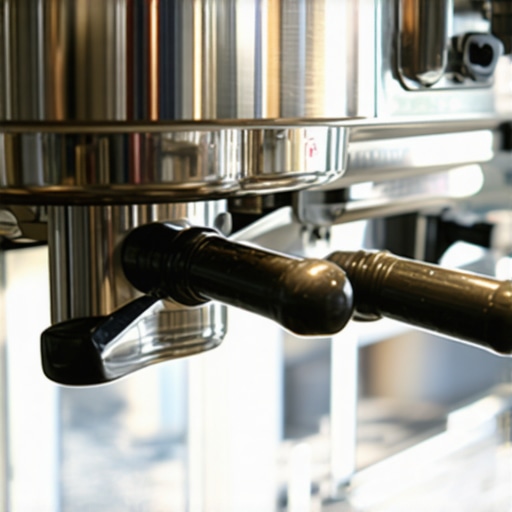
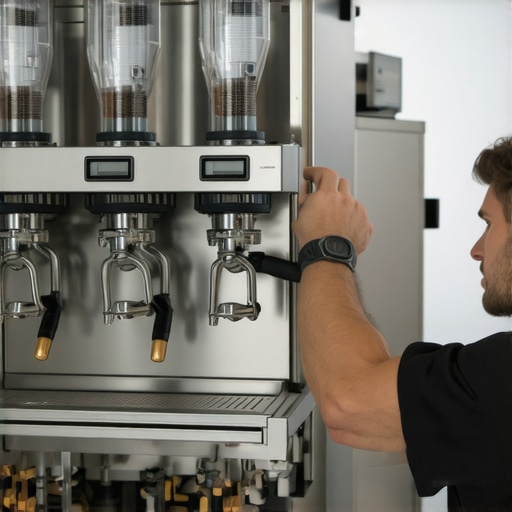
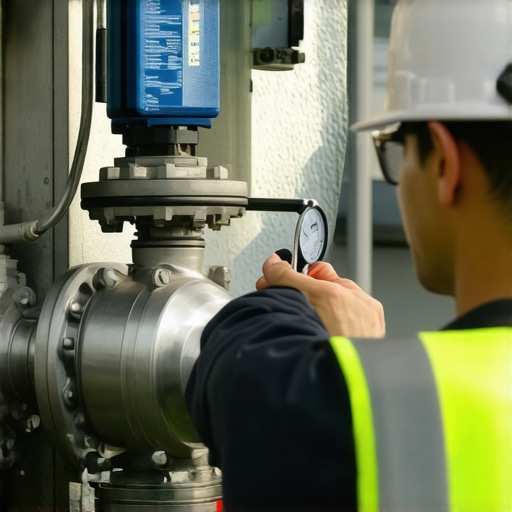
Start by turning off and unplugging your espresso machine. Remove the safety valve if accessible, and look for signs of corrosion, grime, or mineral build-up—these can hinder proper function. Use a soft brush and a vinegar solution to clean it thoroughly, then rinse well. During reassembly, ensure all parts are snug but not overtightened, following the manufacturer’s guidelines.
Listen and Observe for Early Warning Signs
When your machine is in operation, pay close attention to unusual sounds like persistent hissing or metallic clangs, which may indicate pressure leaks or valve issues. If you notice sudden pressure drops or the safety valve venting prematurely, it’s a sign that it might be compromised. Regularly check for water leaks around the valve and connections, as these small drips can escalate into major failures.
Test the Safety Valve’s Functionality
Perform periodic tests by bringing your machine to brewing temperature and then manually increasing pressure—using the machine’s manual pressure control or a portafilter with a blind basket—to see if the valve opens at the recommended pressure setting. Think of it like a fire alarm: it should activate before pressure reaches dangerous levels. If it doesn’t, replace it immediately.
Replace Components Before They Fail
Many safety valves are designed with a lifespan in mind. If your unit is over 2-3 years old or has shown signs of wear, consult the manufacturer’s guidelines for replacement intervals. When replacing, use appropriate parts specified for your machine model, and consider upgrading to a high-quality valve to improve safety and reliability.
Maintain Proper Water Quality and Pressure Settings
Using hard water can cause mineral deposits inside the safety valve, leading to malfunction. Filter your water with a good-quality water softener or descaler regularly. Additionally, ensure your boiler pressure is set correctly—typically between 9-10 bars, depending on the machine—since over-pressurization stresses the safety valve.
Keep a Maintenance Log and Stay Informed
Document each inspection, cleaning, and replacement. This habit helps you spot recurring issues and plan preventive actions. Also, periodically review resources like home barista tips and safety protocols to stay updated on best practices for your equipment.
When it comes to mastering the art of home espresso, many enthusiasts fall prey to misconceptions that hinder their progress. One prevalent myth is that investing in the most expensive gear guarantees perfect results, but in reality, understanding the nuances of your equipment is far more critical. For example, a high-end grinder won’t deliver optimal extraction if its burrs aren’t appropriately aligned—a detail often overlooked but vital for consistent grind size, as discussed in this guide. Many believe that frequently adjusting grind settings will improve shot quality, but excessive tweaking often introduces inconsistency, especially if the grinder’s mechanical calibration isn’t stable, which can happen due to static buildup or wear and tear. Keep in mind that even skilled baristas avoid unnecessary adjustments, focusing instead on systematic dialing-in, as explained in this beginners’ article. Another trap is assuming that milk frothers are all the same; in truth, the type of frother—manual, automatic, or steam wand—dictates the quality of microfoam achievable, and relying on a cheaper device might seem tempting but often compromises texture and temperature control. For advanced users, accepting that equipment is just part of the puzzle is crucial; technique, timing, and water quality often make the difference. A common mistake is ignoring water hardness, which can cause mineral deposits that impair both taste and machine longevity. Regularly testing your water and using appropriate filtration can prevent costly repairs and flavor deviations. Finally, many homebrewers underestimate the importance of routine maintenance, such as backflushing or descaling their machines, which is essential for longevity and optimal performance. Experts recommend creating a maintenance routine aligned with your usage frequency, as outlined in this article on grinder maintenance.
Do you find yourself falling into any of these pitfalls? Share your experiences in the comments and let’s elevate your home espresso game together!
Invest in Quality Cleaning Supplies for Long-Term Performance
One of the most overlooked aspects of maintaining your home espresso equipment is regular cleaning, which directly affects taste, machine longevity, and operational reliability. I personally swear by using a high-grade espresso machine cleaner like Urnex Cafiza, combined with a dedicated cleaning brush set. Specific tools like a narrow-bristle brush for group heads and a soft cloth for surfaces make a significant difference. Regularly inspecting and cleaning your group head seals and shower screens with a product such as Blind Basket cleaning tabs can prevent pressure inconsistencies and ensure optimal extraction (see this detailed guide). Setting a bi-weekly cleaning routine helps preserve flavor and equipment health over years. At the same time, using descaling solutions like Durgol Swiss Espresso Scale Eliminator ensures mineral deposits don’t clog vital components, which can save you from expensive repairs and flavor degradation.
Tools I Recommend for Consistent Results
My toolkit includes a high-precision digital scale, such as the Acaia Lunar, which I use for accurate dosing and shot timing—essential for dialing in espresso with consistent quality. For grinder calibration, I rely on a digital dial indicator to measure burr alignment precisely, especially after deep cleaning or replacing burrs (see this technical approach). An accurate thermometer like the Thermapen MK4 is indispensable for verifying water temperature at the group head, ensuring your brew is at the ideal 93-96°C range. Additionally, employing a water testing kit to monitor hardness levels aids in choosing the right filtration system, reducing mineral build-up and extending the lifespan of your equipment. Incorporating these tools into your routine transforms maintenance from guesswork into science, delivering consistently better espresso and fewer breakdowns.
Future of Home Espresso Maintenance and Scaling
Looking ahead, I anticipate that smart sensors integrated into espresso machines will soon automatically monitor pressure, temperature, and mineral levels, alerting owners when maintenance is due. This intelligent approach minimizes downtime and prevents costly repairs, making home barista gear more reliable than ever. Already, some newer models incorporate app-supported diagnostics, allowing remote monitoring and scheduling maintenance tasks with a tap. As these technologies evolve, mastering the correct use of diagnostic tools—like the ones I use—will become increasingly crucial for serious enthusiasts. By staying informed and adopting advanced maintenance practices, you can scale your setup confidently and enjoy consistent excellence in every cup.
How do I keep my equipment functioning flawlessly over time?
Consistent maintenance is about more than just cleaning; it involves using the right tools, following manufacturer guidelines, and staying proactive about parts replacement. For example, regularly inspecting and replacing worn-out gaskets and seals prevent leaks that compromise pressure and flavor. Reviewing safety and maintenance protocols in resources like this comprehensive guide can guide you through developing a personalized routine. Also, consider creating a maintenance calendar that aligns with your brewing frequency—this way, long-term investment in tools and practices becomes habitual, ensuring your gear remains a reliable partner in your coffee journey. Don’t hesitate to experiment with advanced techniques, such as calibrating your grinder with a dial indicator or performing backflushing with commercial cleaning tablets; these methods can substantially improve performance and extend your machine’s life. Try integrating one of these practices today—like checking your water temperature with a thermometer—to see immediate benefits and set yourself up for perfect espresso every time.
Lessons Only the Hard Way Taught Me About Home Espresso
My biggest realization was that even small signs of trouble—like a slight hiss or pressure drop—are red flags that shouldn’t be ignored. Over time, I understood that patience and vigilance in maintenance are crucial; rushing through cleaning or neglecting inspection can lead to costly repairs or safety hazards. These hard-earned insights have shaped my approach, reminding me that quality espresso results rely heavily on proactive care rather than reactive fixes.
My Favorite Tools for Elevating Your Coffee Game
Equipping yourself with a digital scale like the Acaia Lunar makes consistent dosing straightforward, ensuring each shot is just right. A high-precision thermometer such as the Thermapen MK4 helps verify water temperature, a key factor in extraction quality. I also trust the use of descaling solutions like Durgol Swiss Espresso to keep internal components free from mineral buildup, prolonging your machine’s life. These tools not only improve your espresso but give peace of mind that your setup is in top shape.
Your Next Step in Conquering Home Espresso Excellence
Now is the perfect time to take control—perform regular safety checks, invest in quality cleaning supplies, and familiarize yourself with your equipment’s intricacies. Embrace the journey of mastery, knowing that each small maintenance habit enhances your overall experience. Remember, the secret to exceptional home espresso isn’t just the equipment but how well you care for it. Why not schedule a quick inspection today and start brewing with confidence? Dive deeper into these practices and more by exploring this comprehensive guide.”}\/}}#}]{user:create_posts}}}#}If you have any other questions or need further assistance, feel free to ask!}#}{