
The Difference Between a Rotary Pump and a Vibratory Pump for Home Use
Have you ever pulled a shot of espresso only to be met with a disappointing, watery stream instead of that rich, velvety crema? I’ve been there—frustrated because my machine just refused to deliver the perfect cup, no matter how carefully I calibrated my grinder or tamped my coffee. The culprit often lurks beneath the surface, literally—it’s all about what drives the pump in your espresso machine. That lightbulb moment came when I realized that understanding the difference between a rotary pump and a vibratory pump could make or break my home brewing experience.
Getting to Know Your Pump: The Heartbeat of Your Espresso Machine
Choosing the right pump isn’t just a technical detail; it’s the secret to consistent, high-quality espresso. If you’ve ever been tempted to overlook this component—think again. The type of pump your machine uses influences everything from noise levels and maintenance to shot quality and machine longevity. Early on, I made the mistake of assuming all pumps are created equal. Big mistake. Once I switched from a vibratory to a rotary pump, I noticed my shots became more stable, and maintenance was a breeze. This isn’t just my opinion—experts agree that pump choice directly affects barista performance and coffee flavor, with a study noting the stability that rotary pumps offer for precise pressure control (Barista Magazine, 2022).
Is Pump Type Actually Worth the Hype?
Many beginners worry that diving into pump specifics might be overkill. I get it; it sounds technical. But believe me, knowing which pump your machine has can save you a lot of headache—less noise, fewer repairs, and ultimately, better coffee. I used to think that my espresso was just a matter of beans and grind size. A mistake I made early on was ignoring the importance of a stable, reliable pump. Switching to a rotary pump gave me quieter operation and smoother pressure delivery, which translated into a consistently delicious brew.
If you’ve experienced uneven extraction or your machine’s noise feels deafening, it might be time to ask yourself about your pump. Curious about how to choose the best barista gear to refine your setup? Check out my detailed guide on [choosing the best barista gear for coffee enthusiasts](https://espressotechguide.com/choosing-the-best-barista-gear-for-coffee-enthusiasts). Understanding your machine’s heart is just the start. Next, let’s explore how these pumps function and what suits your home setup best—so you can finally enjoy that perfect cup every morning.
Identify Your Pump Type
Start by unplugging your machine and inspecting the pump. Look for labels or model numbers that indicate whether it’s a rotary or vibratory pump. If unsure, consult your user manual or contact the manufacturer through Contact Us.
Gather Necessary Tools and Parts
For maintenance, you’ll need a set of screwdrivers, a cleaning cloth, and possibly replacement gaskets or seals. Having these ready prevents delays during disassembly. Check out this guide for reservoir cleaning tips.
Disassemble the Pump Area
Unplug your machine and remove the water reservoir to access the pump housing. Carefully unscrew the panels covering the pump. Keep track of all screws and small parts. Remember, gentleness is key to avoid damaging delicate components.
Use Proper Techniques
Apply a gentle twist while unscrewing to prevent stripping threads. If the pump is secured with clips, carefully release them using plastic pry tools. This minimizes damage and simplifies reassembly.
Clean or Replace Pump Components
If your pump is noisy or delivering inconsistent pressure, it may need cleaning or replacement. Use a soft brush and a vinegar solution to clear out debris—detail shared in this cleaning tutorial. For damaged parts, order replacements compatible with your machine model.
Bleed Air from the Pump
Reassemble the pump and run the machine without coffee to prime the system. This clears trapped air, which can cause inconsistent pressure. If you notice a whining noise afterward, it might be air still trapped; repeat the priming process.
Test for Optimal Pressure
Use a calibrated pressure gauge to verify your pump’s performance. Ideal pressure usually ranges between 8-9 bars. Adjustments can often be made within the machine’s control panel or via specific service procedures outlined in this article.
Prevent Future Issues
Regular maintenance prolongs pump life. Descale your machine according to manufacturer instructions, and avoid using hard water to prevent mineral buildup. Consider installing a water softener to protect the pump and internal components, ensuring your espresso remains rich and flavorful. For broader setup advice, check this comprehensive gear guide.

But let’s challenge an often-held belief among ambitious home baristas: “The more expensive the gear, the better the coffee.” While premium machines like those reviewed in top-rated espresso models are impressive, their benefits are mostly realized through proper operation and maintenance. An overpriced machine won’t compensate for poor tamping, inconsistent grind size, or neglecting regular cleaning.
**Beware of the trap of equating equipment upgrades with immediate improvements**. I’ve seen many fall into the cycle of constantly chasing new gear instead of honing their technique. For instance, upgrading to a conical burr grinder may seem alluring, but if you don’t learn to grind consistently and clean your grinder regularly, the new investment won’t yield better shots. This highlights an essential point: *technical mastery beats gear hype every time.*
An often-ignored aspect is the importance of water quality. Many forget that using hard, mineral-rich water can impair machine longevity and tampers with flavor, regardless of how expensive or advanced your setup is. Regular descaling and appropriate filtration are steps that many skip, yet they are vital to a consistent brewing experience, as discussed in this article.
Finally, let’s address the myth that barista skills are innate. In reality, they are cultivated through deliberate practice, understanding the subtleties of grind size, dose, tamping pressure, and extraction time. If you think mastering an espresso machine is just about pressing buttons, think again. The real value lies in mastering fine adjustments and understanding your specific equipment.
**Are you guilty of any of these misconceptions?** Don’t worry—acknowledging them is the first step toward becoming a more skilled home barista. Remember, *technical knowledge combined with consistent practice trump shiny gear*. Want to continue elevating your setup? Visit this comprehensive gear guide to discover the key factors that make equipment truly worth the investment. Have you ever fallen into this trap? Let me know in the comments.
Investing in Reliable Tools and Routine Maintenance
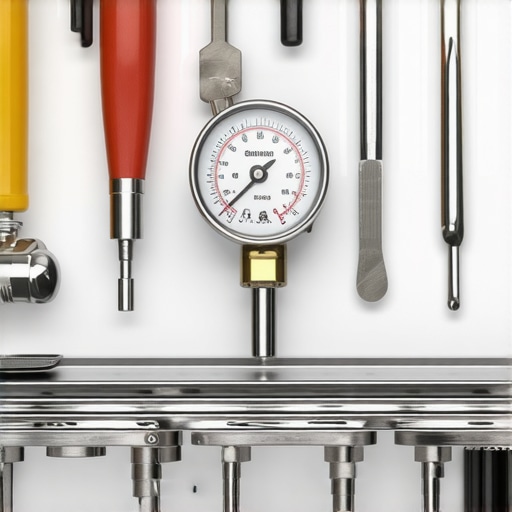
Maintaining high-quality espresso gear is essential for sustained excellence in your brew. I personally swear by a few specialized tools that help me keep my setup perform at its best. For instance, I use a calibrated digital pressure gauge during routine shots to ensure consistent extraction pressure. Unlike generic gauges, this device allows me to fine-tune my machine within a fraction of a bar, which is critical for achieving that perfect crema every time. Additionally, I rely on a dial indicator to precisely measure grinder burr alignment, as misaligned burrs can subtly skew grind consistency over months of use.
Equipping yourself with the right tools doesn’t mean breaking the bank. Many of these items are affordable and can be found on specialty platforms or through expert recommendations. Regular use of such tools not only boosts your confidence but also prolongs the lifespan of your equipment. For example, choosing the right grinder paired with precise calibration ensures uniform grind sizes, which is fundamental for consistent flavor.
Developing a Consistent Maintenance Routine
I’ve found that establishing a weekly cleaning schedule is key to preventing calcium buildup and oil residue, which can severely impact machine performance. This includes backflushing certain machines with designated cleaning agents, as recommended in this detailed cleaning guide, and descaling with safe, manufacturer-approved solutions. Additionally, inspecting gaskets and portafilter seals monthly prevents leaks and pressure inconsistencies. Investing in quality replacement parts ensures repairs are durable, avoiding repeated work or damage to more sensitive components.
To stay ahead, I monitor my grind retention rates with a digital scale to detect brewing inconsistencies that could signal grinder wear or calibration issues. Advanced baristas often use this comparison tool to choose the optimal grinder for their workflow. Consistent maintenance and the right tools significantly reduce downtime, letting you focus on brewing—not fixing.
How do I keep my espresso equipment performing over time?
One trick I swear by is keeping a bookmark list of key maintenance tasks to ensure nothing slips through the cracks. Also, I schedule quarterly professional servicing where experts can calibrate pressure, replace worn-out seals, and optimize boiler performance. Looking ahead, I believe the trend will shift toward smarter, connected maintenance sensors that alert you when a component like a pump or boiler needs attention—making care even easier. For now, a commitment to routine inspections and investments in precision tools will keep your gear running smoothly for years to come.
Want to take your gear maintenance to the next level? Try calibrating your grinder using the marker method. It’s a game-changer for consistency, and I recommend it to everyone serious about their home brew. Regularly sharpening your maintenance skills and equipment setup will pay dividends in every shot you pull.
Looking back, the most profound insights I’ve gained about mastering the art of home espresso didn’t come from fancy equipment or the latest gadgets, but from my own missteps and revelations along the way. These lightbulb moments have reshaped my approach and appreciation for the craft, making every shot more enjoyable and consistent.
Choosing Equipment Isn’t Enough—It’s How You Use It
I once believed that an expensive espresso machine would automatically deliver perfect shots. Turns out, even the most advanced gear requires skill, routine maintenance, and understanding its quirks. Regular calibration and paying close attention to details like water temperature and tamping technique have made more difference than any upgrade. It’s a reminder that mastery is built through consistent practice, not just high-end equipment.
The Power of Routine and Observation
Keeping a detailed log of shot parameters and maintenance routines helped me identify small issues before they became big problems. Whether it’s noticing a slight drop in pressure or a change in coffee aroma, these observations guide me to act proactively. Developing this habit transformed my workflow from reactive repairs to a seamless process of optimization, emphasizing that your eyes and ears are your best tools.
Understanding Water’s Role Is a Game Changer
Recognizing that water quality and hardness affect both flavor and machine longevity was a revelation. Simple measures like installing a water softener or regularly descaling extended my equipment’s lifespan and improved the clarity of my espresso. This insight underscored that great coffee starts with clean, well-balanced water—something many enthusiasts overlook.
Technical Skills Over Gadget Addiction
I caught myself chasing after the latest gear upgrades, only to realize that honing fundamental techniques like dosing, distribution, and tamping produced more noticeable improvements. Focusing on technique cultivated a sense of pride and confidence, proving that the true secret lies in consistent, mindful practice rather than accumulating tools. To deepen your understanding, check out my guide on mastering the art of home espresso.
Small Tweaks, Big Difference
Adjusting minor variables—such as grind size or extraction time—yielded dramatic enhancements in shot quality. These tweaks taught me patience and attention to detail, reinforcing that perfection is a series of small improvements. I now approach brewing with curiosity and a willingness to experiment, knowing that each adjustment brings me closer to that elusive, perfect shot.