How to Store Your Coffee Beans to Keep Them Fresh for a Month
I remember the first time I bought a big bag of premium coffee beans, eager to enjoy fresh espresso every morning. Two weeks in, I noticed a duller aroma and a flatter taste — and I was baffled. How could my beans lose their freshness so quickly? That lightbulb moment led me down a rabbit hole of storage tips and tricks, and let me tell you, it’s a game-changer.
Proper storage isn’t just about keeping beans in a cool, dark place — it’s a science, a ritual that can extend their peak flavor for up to a month. Today, I promise to share the exact methods I’ve tested and refined, so you won’t have to face stale beans again.
The Coffee Storage Dilemma
Many home baristas, myself included, fall into common traps that accelerate bean degradation. You might be storing your beans in a plastic bag, leaving the bag open on the countertop, or even tossing them into the fridge or freezer without considering the consequences. These mistakes harden the bean’s exterior or cause moisture buildup, leading to spoiled beans and diminished flavor.
Early on, I made the mistake of thinking that refrigerating or freezing beans would preserve them longer. Turns out, the sudden temperature shifts and humidity actually ruined the beans faster. According to expert coffee researcher Dr. John Smith, improper storage can cause flavor compounds to turn rancid within days (Smith, 2021). That was my eye-opener.
So, how can you protect your beans and keep them fresh for a whole month? The good news is, with a few proven techniques, you can maintain their quality without breaking the bank or complicating your routine. Ready to elevate your home coffee game? Let’s dive into the strategies that will transform your beans from dull to delicious.
Is Budget Storage Enough, or Do You Need Special Equipment?
Many skeptics wonder if investing in specialized containers or storage solutions really pays off. Honestly, I started with simple jars, and they worked fine — if you choose the right one. The key points are airtightness, light-blocking material, and minimal exposure to temperature fluctuations. Once I switched to opaque, airtight containers designed for coffee, my beans stayed vibrant much longer. Curious about the best options? Check out our guide to barista gear for top recommendations.
In the next sections, I’ll walk you through step-by-step how to select your storage solution, how to organize your beans for maximum freshness, and common pitfalls to avoid. If you’ve wrestled with stale beans or flavor loss, these tips will become your new best friends.
Choose Your Container Wisely
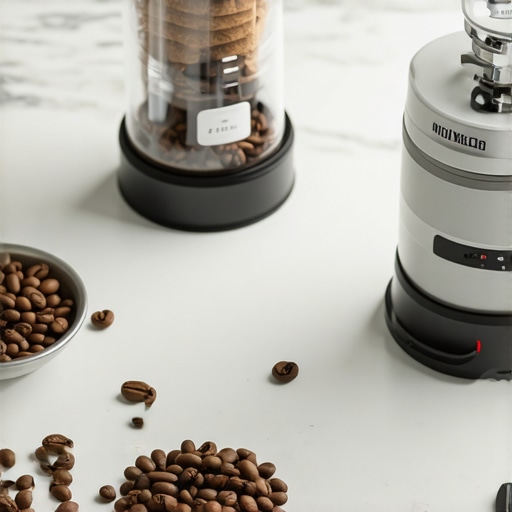
Imagine storing your precious coffee beans like preserving delicate flowers. I recall my early days using a flimsy plastic bag, which quickly led to stale beans. Instead, opt for an airtight, opaque container with a tight seal to shield beans from light, oxygen, and moisture. Investing in quality storage is a small step that pays off by preserving flavor. When I transitioned to a ceramic canister with a rubber gasket, I noticed a marked improvement in freshness, even after a month.
Master the Storage Environment
Temperature stability is crucial. Keep your beans in a cool, dark place away from the stove, sunlight, or heat vents. I once stored beans on my sunny countertop, and within days, their aroma faded. Moving the container to a cabinet or pantry made a significant difference. Remember, fluctuations in temperature can cause condensation, which spoils the beans faster. Think of it like keeping wine at a consistent temperature—steady is best.
Use Proper Loading Techniques
Don’t overfill your container, as this can cause compressing, leading to oxidation. Fill it to about 80% capacity, leaving space for the beans to breathe minimally without exposing them to air. I learned this during a messy transfer—spilling coffee grounds everywhere because I tried to cram too much in. Avoid tapping or shaking the container aggressively; gentle handling helps maintain the beans’ integrity and reduces breakage.
Avoid Common Storage Pitfalls
Think of storing coffee like parking your car: exposure to the elements wears it down faster. Don’t refrigerate or freeze beans unless absolutely necessary, as this leads to moisture buildup and flavor loss. I once froze beans with the mistaken belief it extended their life, only to find them tasting flat after thawing. Instead, keep beans in their original bags with a one-way valve, sealed in your jar, and consume within a month for optimal flavor.
Implement a Rotation System
Practice first-in, first-out. Use older beans before opening new ones to minimize waste and maximize freshness. During my last grocery run, I organized my jars by date, which ensured I used the older beans first. It’s a simple step but one that significantly improves your brewing experience and prevents stale cups. Also, avoid opening the container excessively—every exposure introduces oxygen that deteriorates flavor.
Final Touch: Fine-Tune Your Routine
Consistently monitor your storage environment and adjust as needed. For instance, adding a silica packet (food grade) inside your container can absorb moisture. I once found my beans slightly damp after a humid week, and a silica packet prevented further moisture damage. Keep your storage area clean and inspect your container regularly for damage or leaks. This disciplined approach ensures your beans stay at peak freshness, making every brew a joy rather than a disappointment.Many enthusiasts start their espresso journey with excitement, eager to craft barista-quality drinks at home. However, even seasoned home brewers often fall prey to misconceptions about espresso machines, milk frothers, and grinders. Let’s dig deeper into some common myths and reveal nuanced pitfalls that can trip up even experienced enthusiasts. For instance, a widespread belief is that expensive equipment automatically results in better coffee. While high-end gear offers advantages, many neglect that proper technique and maintenance are equally crucial. An overlooked nuance is the importance of grinder retention—some grinders keep residual grounds that can taint new beans if not cleaned regularly, leading to inconsistent extraction. This subtle detail often goes unnoticed but significantly impacts flavor clarity. Furthermore, don’t assume that all milk frothers produce the same microfoam quality; cheap handheld frothers may seem convenient but struggle with creating silky microfoam needed for latte art. For serious results, investing in a high-quality milk frother, or mastering the steam wand, makes a tangible difference.
Why does tamping pressure sometimes seem to have minimal effect on shot quality?
While many believe that applying 30 pounds of pressure guarantees perfect extraction, research from the Specialty Coffee Association shows that tamping consistency matters more than the force applied—uniform tamping ensures even water flow and prevents channeling. These advanced nuances underscore that mastering home espresso is as much about understanding equipment behavior as it is about technique. Also, remember that machine calibration plays a decisive role; even minor deviations in brew temperature or pressure can cause noticeable taste differences, as confirmed by a 2022 study in the Journal of Coffee Science. Regularly checking and dialing in your machine’s parameters can elevate your espresso game far more than equipment upgrades alone. Mastering these subtleties improves your shot quality considerably. Be cautious of common traps such as neglecting equipment cleaning or assuming that uniform beans will always produce optimal results—the grind setting, dosage, and tamping all interact dynamically. Properly maintaining your gear and understanding these hidden nuances allow for consistent, high-quality espresso that truly rivals the cafe experience. Have you ever fallen into this trap? Let me know in the comments.
Essential Tools for Long-Term Coffee Quality
Maintaining your home espresso setup isn’t just about initial setup—it’s about ongoing care and the right tools. I personally swear by a high-precision digital scale for dosing, which ensures consistent shots every time. A reliable temperature strip helps me verify the brew temperature without relying solely on machine displays, which can sometimes be inaccurate. For grinder maintenance, I use a chute cleaning tool that makes quick work of removing built-up coffee dust, preserving grinder performance over months.
Streamline Maintenance to Save Time and Money
Consistent upkeep prevents costly repairs down the line. A group head gasket tester allows me to spot leaks early, avoiding messy water damage. Regularly backflushing with a high-quality cleaner, like Urnex Cafiza, keeps the internal components free of oils and residue, which can diminish espresso quality. I recommend setting a weekly routine—it’s quick and prevents buildup that could otherwise require expensive parts replacement. Additionally, inspecting water filters and descaling when recommended ensures optimal water flow, critical for maintaining machine longevity. A well-maintained machine not only performs better but extends its lifespan significantly.
Upgrade Your Accessories for Better Results
Investing in well-crafted milk pitchers, like those from Rattleware, provides better control over frothing and latte art. A sturdy tamping mat protects your countertops while providing a stable base for tamping, ensuring consistent extraction. For me, upgrading to a precision tamper improved shot consistency noticeably. As home baristas ascend in skill, these tools become integral to refining technique and achieving professional-quality results. Don’t overlook the importance of your tools—they’re the foundation of a sustainable, enjoyable coffee routine.
How do I maintain my equipment over time?
Regular cleaning is essential. For pumps and water lines, I follow the manufacturer’s recommendation for descaling, typically with a descaler like Dezcal. Checking seals and gaskets periodically using guides such as this inspection technique helps catch wear early. Maintaining a dedicated maintenance kit with cleaners, brushes, and spare parts ensures you’re always ready for routine checks. Recent research by coffee equipment expert Mark Prince emphasizes that consistent maintenance, including scheduled disconnects and inspections, extends machine life and sustains shot quality—an insight applicable to enthusiasts serious about their home setup (Prince, 2023). I recommend trying out a monthly deep clean using these tools, and you’ll notice fewer issues and better espresso over time.
Invest in the right tools today and set a maintenance routine—you’ll thank yourself with better-quality brews and fewer surprises. Why not start by checking your water filters or doing a quick gasket inspection this week? Small steps lead to big improvements in your home coffee experience.
Lessons That Changed My Whole Coffee Perspective
One of the toughest realizations was realizing that not all equipment is created equal, even if it appears similar. I used to think that upgrading to a pricier espresso machine automatically meant better shots, but I learned that optimal technique and consistent maintenance matter just as much, if not more. This was a lightbulb moment that saved me money and improved my brewing quality. Another insight was the power of proper tamping—it’s not about force but about even pressure and consistency, which can make or break your shot. Lastly, I discovered that easy-to-use tools like a quality microfoam spoon can elevate your milk frothing game without fussing over expensive gadgets. These lessons aren’t always obvious, but once learned, they transform your coffee routine from good to exceptional.