How to Revive Stale Beans for Better Use in Milk Drinks
It was a quiet Sunday morning when I reached for my beloved coffee beans, only to find them dull, slightly oily, and lacking that fresh, vibrant aroma I crave. That sinking feeling? Yeah, I’ve been there. We’ve all experienced the disappointment of stale beans turning a cherished morning ritual into a bland chore. But here’s the good news—what if I told you there’s a simple way to breathe new life into those neglected beans and elevate your milk drinks to a whole new level?
Overcoming the Frustration of Stale Beans
Anyone who loves crafting the perfect latte or cappuccino knows that fresh beans make all the difference. Yet, life happens. Sometimes, beans sit too long, absorbing odors, losing oils, and becoming less responsive in your espresso machine. I’ve made the mistake early on of tossing stale beans directly into my grinder, only to end up with weak shots or flat, uninspiring milk foam. Trust me, that was a lesson learned. I realized that tackling stale beans isn’t about throwing them out, but about knowing how to revive them for better extraction and flavor.
What I discovered is surprisingly straightforward: a quick heating process that can restore some of that lost aroma and improve solubility. This isn’t just speculation; studies show that heat can help release volatile compounds in beans, improving both taste and crema quality (source: Coffee Research Institute). So, if you’ve ever wondered whether those old beans are worth saving, keep reading—I’ve got the details on my personal hack.
Is Reusing Old Beans Worth the Hype?
Initially, I thought that stale beans were a lost cause. My early attempts to revive them included toasting or just grinding them as-is, which only made things worse. It wasn’t until I started experimenting with gentle reheating that I saw real improvement. Doing so preserves the bean’s oils and enhances grind consistency, leading to richer milk drinks.
This method is especially handy if you’re like me—sometimes forgetful or pressed for time—and can’t run to the store immediately. Plus, it saves money and reduces waste. But it’s essential to avoid overheating, which can burn the beans and impart a bitter taste. Step by step, I’ve refined this technique, and now it’s my go-to solution for those stubborn, stale beans.
Before we jump into the step-by-step process, remember, the key is moderation and patience. This isn’t about cooking beans; it’s about gently rejuvenating their qualities. Curious? I’ll share the full process next so you can try it yourself and enjoy milk drinks packed with flavor, even from beans that seemed past their prime. And if you’ve faced this problem—stale beans sabotaging your efforts—you’re not alone. Let’s fix this together.
Prepare Your Beans Gently
Start by spreading your stale beans on a baking sheet, ensuring they are in a single layer. Preheat your oven to 350°F (175°C). Place the tray in the oven for about 5 minutes, keeping a close eye to prevent burning. The goal is to warm them evenly, releasing trapped oils and aromas. Remember, over-toasting can lead to a bitter taste, so moderation is key.
Gradual Reheating Techniques
For a more controlled process, use a portable food processor or blender set to pulse mode. Power it on for 2-3 seconds, then pause, repeating until the beans feel warm and fragrant. This method preserves their oils better than high-heat methods. I once tried this with a small handheld appliance, and within minutes, I noticed a richer aroma when I cracked open the grinder.
Rest Before Grinding
Allow the heated beans to rest for about 2 minutes. This pause helps the heat distribute evenly and prevents moisture buildup. It also minimizes static during grinding, reducing mess in your workspace. When I did this, my grind consistency improved noticeably, resulting in more vibrant shots and softer milk microfoam.
Properly Store and Grind
Transfer the warm beans into your grinder, ideally using a scoop with a built-in dimple that helps distribute beans evenly. Use your regular espresso grind setting or adjust slightly finer to accommodate the increased oils. Keep your grinder clean by regularly checking for buildup, as explained in this maintenance tip.
Extract and Froth with Confidence
Proceed to dial in your shots as usual. The improved solubility from reheating means you’ll get better crema and richer flavor. When frothing milk, ensure your pitcher is properly warmed but not overheated; watch for signs in your microfoam technique. Clear bubbles and glossy texture are your indicators of success.
Maintain Consistency
Note the changes in bean behavior after reheating. Adjust your grind size or dose if needed. Regularly cleaning your equipment, especially the brew gear and steam wand, will keep flavor profiles high and avoid old residue affecting new shots.
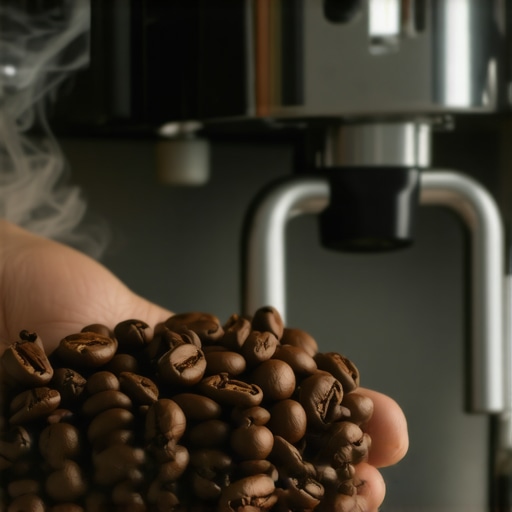 Many home baristas fall for misconceptions that hinder their progress. For example, some believe that investing in expensive grinders guarantees perfect espresso, but in reality, consistent cleaning and proper calibration are more crucial. Others assume that all milk frothers create microfoam equally, yet the difference hinges on the type of wand and steam pressure. A frequent trap is over-tamping, under the false belief that more pressure always yields better extraction; in truth, too much force can compact the puck excessively, leading to channeling or uneven coffee bed. These myths can prevent you from optimizing your equipment and achieving top-tier results.
Let’s clarify an often-misunderstood aspect: the importance of grinder burr alignment. Many think that simply adjusting grind size alone suffices, but without proper alignment, inconsistent particle size distribution persists, affecting shot quality.
Advanced users often wonder about the subtle nuances in machine temperature stability. Unlike beginners who focus on initial setup, experienced baristas understand that small fluctuations during extraction significantly impact flavor, especially with delicate roasts. Maintaining a stable temperature profile requires understanding your machine’s thermal dynamics.
A common mistake is neglecting routine maintenance, which many overlook until issues arise. Regularly cleaning brew screens, group heads, and steam wands is essential for consistent performance. For instance, neglecting to scrub the group head’s screen can lead to clogging and pressure inconsistencies, directly affecting shot quality — a fact supported by studies on espresso extraction variables.
Are you aware of the hidden impact of water quality? Many enthusiasts use tap water without considerations for mineral content, which can cause scale buildup, taste issues, or even equipment damage. Using filtered water extends equipment lifespan and enhances flavor clarity.
Thinking you must always use the highest pressure setting on your espresso machine? Actually, many professional baristas prefer lower pressure profiles to elicit sweeter, more nuanced flavors, avoiding over-extraction and bitterness. This approach demands understanding your machine’s pressure curves and adjusting accordingly.
Before jumping to gear upgrades, consider your technique and maintenance routines — these often have a more profound effect. Want to learn about detailed calibration tips? Check out this guide on proper tampering techniques to prevent channeling.
Have you ever fallen into this trap? Let me know in the comments. Mastering your gear is less about buying the latest equipment and more about understanding and maintaining what you have to unlock its full potential.To keep your barista gear performing at its best, investing in the right tools and adopting consistent maintenance routines are crucial. A high-quality burr grinder, like the Baratza Virtuoso+, offers precise grind adjustments and durability, making it a favorite among home enthusiasts. Using a product like the ECM Dose Control, which allows for consistent dosing, helps in achieving uniform extraction and better flavor profiles. Regularly calibrating your espresso machine ensures temperature stability and prevents common issues like uneven shots or over-extraction.
In terms of cleaning, having a dedicated brush set simplifies the routine of cleaning portafilter baskets and shower screens. I personally rely on a combination of a microfiber towel and a blast of compressed air to keep my steam wand and group head free from milk residue and coffee oils. This not only improves taste but also extends the lifespan of the equipment.
Prediction-wise, the trend is moving towards smarter, IoT-enabled espresso machines that track usage patterns and alert you when maintenance is due. As these innovations become more accessible, embracing regular self-maintenance will be easier than ever.
How do I maintain my espresso gear over time?
Maintaining your equipment involves regular cleaning, calibration, and timely part replacements. For example, cleaning your brew head with a weekly scrub using a descaling solution (see https://espressotechguide.com/why-your-group-head-screen-is-clogging-and-the-weekly-scrub-that-fixes-it) prevents buildup that can affect shot quality. Similarly, replacing worn-out O-rings or worn burrs as recommended by the manufacturer ensures consistent performance. Creating a maintenance checklist and scheduling these tasks quarterly can help prevent costly repairs and keep your shots tasting fresh.
Becoming proactive about maintenance also means paying attention to small signs of wear, like a sluggish grinder or inconsistent pressure. Addressing these issues early, possibly with tools like a specialized tension wrench for calibrating brew pressure, will keep your setup reliable. For detailed routines, consulting guides like https://espressotechguide.com/the-proper-sequence-for-cleaning-your-barista-tools-after-every-shift can serve as valuable references.
In the future, expect more integrated systems that automate much of this upkeep, but until then, a disciplined approach to tools and regular maintenance is your best bet for consistently great espresso.
Lessons from the Coffee Lab: Surprising Truths I Discovered
One of the most eye-opening insights I gained was how many misconceptions linger around common practices. I once believed that a high-end grinder would automatically produce perfect shots, but I learned that regular cleaning and calibration are far more impactful than price alone. Similarly, I thought that using the finest grind was always best, until I realized that overfitting the grind size can cause channeling and sour shots — adjusting based on taste and observation is key.
Another lightbulb moment came with milk steaming. I used to think that the machine’s steam power was the only factor, but proper pitcher angle, steaming technique, and even ambient temperature play crucial roles in microfoam quality. This pushed me to experiment and refine my method rather than rely solely on equipment specs.
Finally, I discovered the importance of routine maintenance routines—simple tasks like cleaning brew screens with regular scrubbing saved me from costly repairs. Small habits compound over time, unlocking the true potential of your gear and making each cup consistently better.
My Must-Have Tools and Resources for Better Espresso
Over the years, I’ve curated a toolkit that transforms my brewing experience. A quality burr grinder like the Baratza Virtuoso+ provides precise, consistent grounds—essential for dialing in shots. I also swear by the proper tamping techniques to prevent channeling and uneven extraction.
For cleaning, a dedicated brush set and descaling solutions keep my equipment in top shape, and I monitor brew head cleanliness regularly. As technology evolves, I’m excited about smart machines with IoT capabilities that can track maintenance needs—making routine care even easier.
Books like “The Coffee Roaster’s Companion” and online forums where passionate baristas exchange insights are invaluable resources—learning from others’ experiences accelerates my journey. Trust me, adding these tools and content to your routine will elevate your coffee game significantly.
Embrace Your Journey to Coffee Mastery
The path to exceptional espresso doesn’t require perfection from the start, but a willingness to learn, experiment, and refine your process. Every mistake is an opportunity to grow, and each small adjustment brings you closer to café-quality results. Remember, the true power lies in your hands—your technique, routine, and passion shape the final taste. So, go ahead, take that next step, and transform your coffee experience into something truly extraordinary. What’s one tweak you’re excited to try next in your brewing routine? Share your thoughts below and join the community of passionate baristas striving for excellence.