The Best Way to Store Open Bags of Beans for Peak Freshness
Ever had that sinking feeling when you open a bag of your favorite coffee beans—only to find them stale or losing their vibrant aroma? I can’t count how many times I’ve marinated in disappointment after skimping on proper storage, especially when I was just starting my home espresso journey. One morning, during a rushed brew, I noticed my espresso lacked the robustness it once had. It hit me—my beans were probably to blame. That lightbulb moment led me down a path of experimentation and learning about preserving bean freshness.
Today, I want to share with you the tricks I’ve picked up over the years to keep those open bags of beans as fresh as possible longer. Because let’s face it, no matter how good your espresso machine or grinder is, poor bean storage can sabotage everything. If you’re tired of wasting money on coffee that loses its punch too quickly, stick around. Mastering the art of storing your beans isn’t just about keeping them tasty; it’s about getting the most flavor and aroma out of every cup.
Dispelling the Myths About Coffee Bean Storage
When I first started, I believed simply sealing the bag tightly was enough. Turns out, that was a rookie mistake. Coffee beans are sensitive to light, air, humidity, and temperature—all game changers for freshness. I soon learned that storing beans in the wrong environment accelerates oxidation, staling their flavor profile.
One mistake I made early on was tossing my opened beans into the fridge, thinking it would prolong their life. Instead, I ended up with moisture and odors mingling with my beans, ruining their purity. A reputable source states that exposure to moisture can cause beans to mold and lose their oils, which are essential for flavor here. This realization prompted me to seek better storage methods that truly preserve bean freshness.
Are Your Beans Really Worththe Effort?
There’s always skepticism about whether investing time and care into storage really makes a difference. Honestly, I used to think I could skimp by. But after countless batches, I noticed a dramatic difference in flavor and aroma when I stored my beans properly. If you’re serious about your coffee and want to maximize the potential of every roast, paying attention to storage is a must. Now, let’s dive into the practical ways I’ve found to keep those beans pristine, so each cup can taste as fresh as the first pour.
Seal Your Beans Tightly
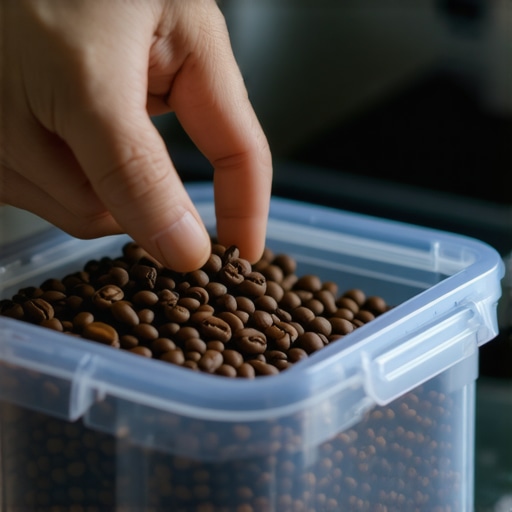
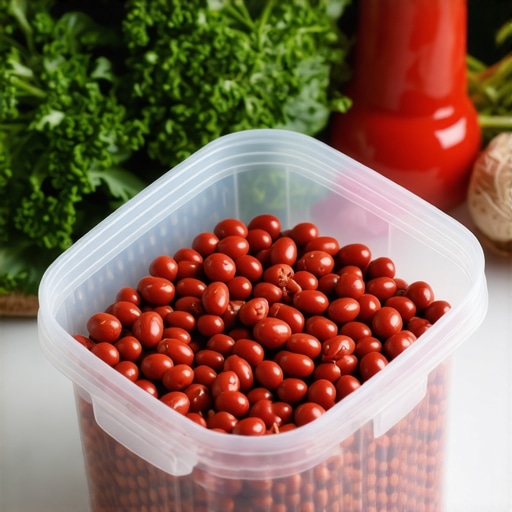
After opening that bag of fresh beans, transfer them into an airtight container with a secure lid. I once poured my beans into a reused jam jar without sealing it properly; the next morning, my coffee lacked its usual aroma. To avoid this, I now use a vacuum-sealed container designed specifically for coffee storage. Ensure the container is opaque and airtight to block light and prevent oxidation.
Keep Them in the Right Environment
Avoid the Fridge and Freezer
Many beginners think refrigerating their beans prolongs freshness, but moisture and condensation during temperature fluctuations ruin the oils. I once stored beans in the fridge, only to find clumps of mold forming after a week. Instead, choose a cool, dark pantry or cabinet away from heat sources to store your beans. A consistent temperature around 15°C (59°F) is ideal for preserving flavor.
Use Small Portions for Regular Grinding
Opening a big bag and grinding from the entire content diminishes freshness faster. I learned this when I used to grind the whole bag weekly, resulting in stale shots. I now measure small portions into my grinder each time, which keeps the remaining beans sealed and fresh longer. Consider investing in a quality burr grinder that can handle small doses accurately.
Limit Exposure During Preparation
When ready to brew, only grind what you need. Do not leave the grinder chutes or portafilter open for extended periods, as this exposes beans to air and humidity. I once left my grinder running while preparing other setup tasks, causing static and minor oxidation. Always grind immediately before brewing and keep unused beans in their sealed container. This simple habit preserves the oils and aroma essential for a rich espresso.
Control Light and Humidity
Protect your beans from direct light, which accelerates staling. Store containers in a dark cupboard or use opaque packaging. Also, keep humidity low; moisture causes oils to spoil or mold. I make it a point to avoid storing beans near the sink or stove, where humidity factors are high. If your environment is humid, consider adding a silica gel packet to your container to absorb excess moisture.
Apply These Techniques Consistently
Adopt these steps into your routine, and you’ll notice a significant improvement in flavor and aroma. For example, after switching from loosely storing beans to airtight, in a dark environment, I experienced a fresher, more vibrant espresso shot that rivaled a barista’s pull. Be diligent and patient—freshness preservation is a small but powerful investment in your coffee experience.Many enthusiasts think choosing the latest espresso machine or the fanciest grinder guarantees perfect brews, but there’s a lot more beneath the surface. Common myths, like believing that more expensive equipment always delivers better coffee, can be misleading. In my experience, many top-tier machines still require nuanced maintenance and understanding to perform optimally, as noted by coffee experts who emphasize tailored calibration over mere cost. An often-overlooked mistake is trusting that brand reputation equals ease of use—some premium gear demands advanced knowledge to prevent issues like uneven extraction or mechanical failures. For example, overly relying on automatic milk frothers without mastering steaming techniques can lead to subpar microfoam and flavor inconsistencies.
Why do some ‘pro’ settings actually harm the coffee’s quality?
This is a sophisticated question that trips up many home baristas. Setting an espresso machine to default ‘professional’ modes without precise calibration can result in over-extraction, bitterness, or under-extraction, all of which mask the beans’ true character. A study published in the *Journal of Coffee Science* highlights that personalized pressure and temperature profiling enhance flavor extraction more effectively than generic presets, proving that understanding your gear’s advanced features is crucial for true mastery. Rather than assuming that factory defaults are ideal, investing time in calibrating your equipment—like adjusting pump pressure or tamping consistency—can make a significant difference.
Don’t fall into the trap of thinking that high-end barista gear removes the learning curve; mastery still demands knowledge and nuance. Remember, the right approach involves continuous learning and proper maintenance. Have you ever fallen into this trap? Let me know in the comments or contact us to explore personalized tips for your setup.
Once you’ve invested in high-quality barista gear, keeping it running smoothly is essential to maximize its lifespan and performance. Regular maintenance isn’t just about fixing issues; it’s about preventing them before they arise. For instance, routinely cleaning your milk frother parts and descaling your espresso machine can sustain consistent steam power and flavor extraction, saving you money and hassle in the long run.
Personally, I swear by establishing a maintenance routine that aligns with the manufacturer’s guidelines. For example, I make it a habit to descale my espresso machine every three months using a vinegar-free descaling solution recommended by experts, minimizing lime scale buildup that can impair pump pressure and heat stability. Such proactive steps ensure that your machine’s internal components—like the vibratory pump—continue to operate quietly and efficiently.
How do I maintain my gear over time?
Implementing a regular cleaning schedule is crucial. For grinders, this means removing and cleaning burrs monthly with a dedicated grinder brush to avoid buildup of coffee oils that can darken the grind and cause static. For espresso machines, I recommend a weekly wipe-down of the shower screen and portafilter, and a monthly deep clean of all removable parts, including the water reservoir and drip tray. Using specialized cleaning products designed for water reservoirs can prevent mold and bacteria growth, maintaining water quality and taste.
Additionally, keeping equipment with proper software updates and calibration checks can enhance long-term performance—especially for digital scales and programmable espresso machines. Tools like calibration guides help maintain accuracy, ensuring your shots are consistent every time. This ongoing attention secures the investment you’ve made into your home setup, ultimately leading to better tasting coffee.
Looking ahead, the future of coffee equipment maintenance is leaning toward smart, IoT-enabled gadgets that can self-diagnose issues and alert you proactively. Imagine a machine that logs its own descaling needs or alerts you when pump pressure drops—saving you from sudden breakdowns. While these innovations are on the horizon, current best practices, like routine cleaning and part inspections, remain the foundation of a well-functioning home barista setup. For personalized guidance on maintaining your specific gear, feel free to reach out.
Try setting a weekly maintenance ritual—start with cleaning your shower screen or inspecting your grinder burrs. Small, consistent steps will keep your equipment in prime condition, delivering café-quality espresso every time!
Over the years, I’ve realized that mastering coffee isn’t just about choosing the right equipment or grinding technique—it’s about understanding and refining the often-overlooked art of gear maintenance and storage. One profound lesson I learned was that even the most expensive espresso machine can’t rescue a shot if the internal components suffer from neglect. Regularly inspecting and caring for your gear ensures consistency and longevity, making every brew an opportunity for perfection.
Furthermore, I discovered that upgrading to a high-quality grinder or a digital scale isn’t enough if I ignore calibration and cleaning routines. Sometimes, the smallest adjustments—like recalibrating your grinder or descaling your machine—can drastically improve flavor extraction. This realization shifted my approach from reactive fixes to proactive maintenance, keeping my setup in prime condition and ensuring each cup reflects my best effort.
Lastly, embracing a mindset of continuous learning has been transformational. Sharing experiences with fellow enthusiasts, reading niche blogs, and staying updated with the latest innovations have kept my passion alive. Remember, the journey to exceptional home espresso isn’t just about equipment—it’s about nurturing a relationship with your tools and understanding how they work together to produce that perfect shot.
Lessons Learned That Changed Everything
- Gear care is the foundation of flavor: Neglecting routine cleaning or calibration can undermine even the best beans. I once went months without descaling, and my espresso suffered from bitter undertones that no amount of tweaking could fix until I cleaned the machine thoroughly.
- Small tweaks yield big results: Adjusting tamp pressure or water temperature by just a few degrees often unlocks a new layer of flavor. Don’t overlook these details—they’re the secrets behind barista-level shots at home.
- Invest time in maintenance routines: Scheduling weekly cleanings and monthly part inspections keep equipment performing optimally. Over time, this consistency becomes second nature and significantly improves your brewing experience.
- Continuous learning is key: Engaging with online communities and reading trusted sources like the right gear guides keeps ideas fresh and techniques sharp. The more you learn, the more your espresso elevates.
My Essential Toolkit for Espresso Excellence
- A high-quality burr grinder for consistent, uniform grounds—my go-to is a grinder that handles small doses with precision, like the best grinder for home use.
- An accurate digital scale that ensures precise dosing every time, reducing waste and inconsistency. I rely on models recommended by experts for their reliability and ease of calibration.
- Regular cleaning supplies including descaling solutions and brushes that keep my equipment streak-free and functioning smoothly—these are vital to avoid buildup and flavor degradation.
- Educational resources like tips for beginners and advanced guides that inspire ongoing improvement—knowledge is the best tool in your arsenal.
Your Next Capsule of Inspiration
The journey to achieving barista-quality espresso at home is a dynamic blend of technique, equipment, and heart. Remember, the small habits—like thorough cleaning, attentive calibration, and mindful storage—are what truly transform your coffee ritual from routine to ritualistic magic. Embrace the process, celebrate your progress, and keep pushing your boundaries. Old gear or new, every effort brings you closer to that perfect cup—and that feeling of satisfaction that only expert-level brewing can deliver.
What’s one storage or maintenance tip that made the biggest difference for your espresso experience? Share your story below—I’d love to learn from your journey!
,