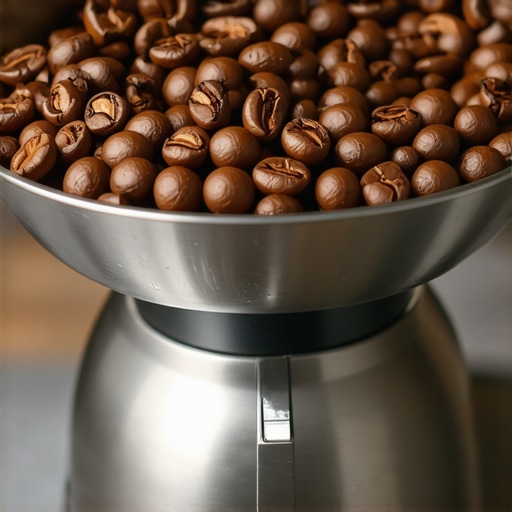
Why Your Dark Roast Clogs Your Grinder Every Time
I remember the moment vividly—my first attempt at dialing in a dark roast for that rich, smoky espresso. I eagerly loaded the grinder, pressed start, and watched in dismay as the machine choked, sputtered, and then jammed outright. Frustration bubbled up as I fumbled to clear the mess, thinking I’d somehow messed up the beans or done something wrong. Turns out, I’d just uncovered a common, annoying problem many home baristas face: dark roast beans frequently clog grinders, turning a simple coffee ritual into a frustrating chore.
Why Does Your Dark Roast Keep Jamming the Grinder?
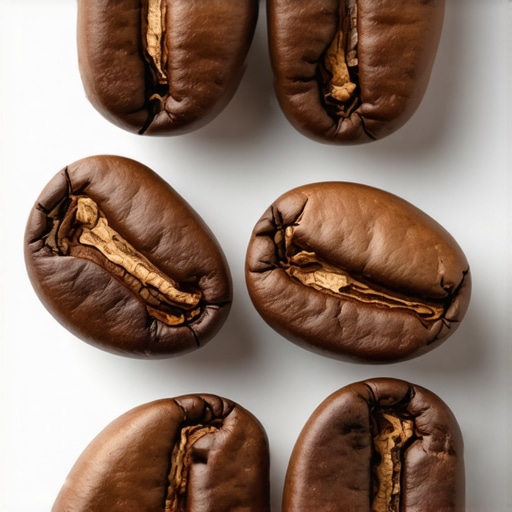
Let’s face it—dark roasted beans are beloved for their bold flavor and smooth body. But they come with a sneaky downside. Their oils and surface caramelization can make them clingy and sticky, especially in conical or flat burr grinders. What I didn’t realize early on is that these oils build up over time, creating a sticky residue that blocks the burrs and reduces grind consistency. A misguided notion I once held was that as long as I kept my grinder clean, I was good. Nope. Just cleaning wasn’t enough—I needed to understand the real culprit behind those persistent clogs.
It’s worth noting that this isn’t just my issue. According to coffee equipment experts, dark roasts have more surface oils, which can attract dust and debris, ultimately leading to buildup inside your grinder.1 The surprising part? This buildup isn’t visible, and many of us overlook it, thinking that regular cleaning is sufficient. The reality is, if you don’t address the oils and residual grounds properly, those stubborn clogs will keep haunting every brew session.
So, if you’ve faced this problem—beans that seem to stick like glue, or a grinder that stubbornly refuses to cooperate—you’re not alone. And more importantly, there are practical ways to minimize these issues, ensuring your grinder keeps grinding without constant jamming. That’s what I’ll walk you through next.
Adjust Your Grind Size for Consistency
One of the most effective ways to reduce clogging is to dial your grinder to a slightly coarser setting when using dark roasts. I remember a time when my espresso shots became inconsistent because I forgot to adjust the grind after switching beans. By turning the grind dial to a bolder setting, I noticed fewer jams. Think of it like tuning a guitar—small adjustments can significantly improve performance. Refer to the guide on choosing the right coffee grinder to ensure your grind consistency.
Clean Your Grinder Regularly, But Don’t Overdo It
Proper cleaning is crucial. Use a brush or vacuum attachment to remove residual grounds and oils without disassembling your grinder. I once spent hours scrubbing my burrs, only to realize a quick brush was enough. For better results, learn about cleaning techniques that prevent buildup. Remember, oils from dark roasts can create a sticky film, so periodic deep cleaning with grinder-specific cleaning pellets can keep clogs at bay.
Use the Correct Dosage and Distribution Techniques
Overdosing can make the grounds compact, increasing the chance of jams. Measure your coffee dose precisely—many baristas use a scaleless dosing method for consistency. When distributing grounds in the portafilter, avoid uneven tamping, which can cause channeling and uneven pressure. Practice gentle but firm tamping, aiming for a flat, even surface. During my first trial, I knocked the portafilter, resulting in uneven extraction and more jams; once I mastered even distribution, jams decreased significantly.
Maintain Consistent Humidity Levels in Your Coffee Storage
Dark roasts are oily and sensitive to humidity, which impacts grind flow. Store your beans in an airtight container away from sunlight to maintain optimal freshness. I once kept my dark roast in a humid kitchen corner, which made the oils more pronounced, clogging my grinder faster. To prevent this, consider using desiccant packs inside your storage jar. Proper storage reduces the oils that cause stickiness, directly reducing your grinder’s tendency to jam. For more on managing freshness, see how roast level affects grind.
Revisit Your Grinder’s Burr Alignment and Maintenance
Misaligned burrs create uneven particles, which can lead to clogging. Regularly check your burr alignment according to your grinder’s manual. I once neglected this, and my grinder kept jamming every few days; after realigning the burrs using a step-by-step guide, jams became rare occurrences. Additionally, replacing dull burrs with new ones ensures a smoother grind.
Consider Specialized Accessories to Minimize Mess and Clogs
Using a dosing funnel can help funnel coffee grounds directly into the portafilter, preventing spillage that causes buildup. Also, installing a puck screen can improve airflow and reduce oil accumulation inside the grinder chamber. During my setup, adding these accessories reduced residual buildup and made maintaining my grinder easier and less messy.
Many home baristas assume that owning advanced espresso machines, milk frothers, or premium grinders guarantees perfect coffee every time. However, even seasoned enthusiasts often get caught up in common myths that can sabotage their efforts. For example, there’s a widespread belief that higher-end equipment alone will automatically produce superior shots — but in reality, mastering the nuances of each component matters just as much. For instance, often overlooked is the importance of correctly calibrating machine pressure and flow rates,a skill that many ignore, which directly impacts extraction quality.Maintaining your home espresso equipment is essential to ensuring consistent, high-quality results over time. From precise calibration tools to cleaning essentials, investing in the right tools can make all the difference. One of my go-to items is a digital calibration weight, which I use to verify the consistency of my coffee scale, ensuring each shot maintains its perfect balance. Additionally, a dedicated burr alignment gauge helps me quickly check and correct burr misalignments, preventing uneven grinds that can lead to clogs or inconsistent extraction.
For cleaning, I swear by grinder-specific cleaning tablets, like Grindz, which efficiently remove oils and residues from burr chambers without disassembly. Regular use of these tablets keeps my grinder running smoothly and minimizes jams caused by oil buildup—crucial for dark roasts with high oil content.
To manage long-term results, I highly recommend investing in a **thermocouple probe** that can be inserted into your espresso machine’s boiler or brew water to monitor temperature fluctuations in real-time. Precise temperature control is vital for extract quality.
When it comes to scaling your setup, modular components like magnetic quick-disconnects for water lines allow you to easily upgrade or replace parts as your needs evolve. They also help prevent leaks and make routine maintenance more straightforward. As technology advances, automation software that connects to smart scales and espresso machines is emerging, providing data-driven insights and consistent calibration routines—something I see becoming more mainstream in the near future.
How do I keep my tools in top shape over time?
Regular maintenance is key. Clean your grinder and espresso machine weekly, check burr alignment monthly, and verify calibration with your digital weights quarterly. Recording these routines helps catch issues early, preventing unexpected breakdowns. Remember, consistent upkeep not only preserves the longevity of your gear but also guarantees that every shot is as good as the first. For comprehensive guidance on setup and maintenance, check out mastering the art of home espresso. Don’t forget to try integrating a thermocouple probe into your routine—it’s a game-changer for maintaining stable temperatures and improving shot consistency. Regular investment in these specific tools ensures your home setup remains reliable for years to come.
Lessons I Wish I Learned Sooner About Espresso Gear
One of the most profound realizations came when I stopped blaming my grinder and started understanding the oils and surface properties of dark roast beans. It’s easy to get caught up in the pursuit of perfect espresso, but knowing how your beans and equipment interact is essential for avoiding those frustrating jams. I learned that patience and proper technique — like adjusting grind size and routine cleaning — can transform your experience from annoyance to enjoyment. The lightbulb went off when I saw how small tweaks could drastically reduce clogging, making my mornings smoother and shots richer.
My Favorite Tools to Keep Your Dark Roast Flowing
Investing in a high-quality brush specifically designed for grinders, such as the grinder cleaning brush, has been a game-changer. I also swear by grinder-specific cleaning tablets like Grindz—that’s my secret to removing stubborn oil residues without dismantling my machine. For precise calibration, a digital scale that can handle fine measurements helps me dose consistently, preventing over-packed grounds that cause jams. These tools are tried-and-true helpers in maintaining optimal performance and ensuring that dark roast oils don’t sabotage your grind.
Embrace the Journey, Not Just the Perfect Shot
Mastery of home espresso isn’t a destination but a continuous process. Every time you tweak your grind, clean your equipment, or experiment with beans, you’re building intuition and skill. Remember, even seasoned baristas face clogged grinders with dark roasts; what sets them apart is their approach to maintenance and adjustments. My advice? Consistently listen to your equipment—if a grind feels blocked, pause and troubleshoot. With patience and the right mindset, you’ll not only enjoy better espresso but also gain confidence in your craft. Your journey toward bean artistry starts today, so don’t hesitate to reach out through our contact page for personalized support.