How to Keep Your Espresso Machine Looking New for Years
I vividly remember the first time I attempted to clean my cherished espresso machine. I had just brewed a perfect shot, only to notice a stubborn stain on the stainless steel surface, and my heart sank. That moment felt like a small betrayal—my favorite coffee gear losing its shine and charm, just when I needed it most. Sound familiar? If you’ve ever felt that sinking feeling watching your beloved machine get grimy and dull, you’re not alone. But here’s the good news: I found ways to keep my espresso machine looking pristine for years, and I want to share my journey and learnings with you.
Why a Shiny Machine Enhances Your Coffee Experience and Longevity
Keeping your espresso machine looking new isn’t just about aesthetics; it’s about preserving its performance and extending its lifespan. A clean, well-maintained machine runs more efficiently, delivers better-tasting coffee, and saves you money in repairs or replacements. My own realization hit hard when I noticed my espresso shots tasting off, correlating with the buildup of old coffee oils and mineral deposits. Regular cleaning and maintenance have transformed my routine, making each brew feel like a special occasion, not a chore. Want to discover how I managed to do this effectively? Stick around, because I’ll walk you through the practical steps that changed my coffee game.
Is It Really Worth the Effort? The Truth About Routine Maintenance
Early in my coffee journey, I made the mistake of neglecting basic maintenance, thinking that a quick rinse was enough. I didn’t realize that mineral deposits from tap water could cause scaling, or that old coffee oils could develop into stubborn grime. According to the Specialty Coffee Association, regular descaling and cleaning can significantly improve your machine’s performance and taste consistency. So, if you’re wondering whether regular upkeep is worth it, the answer is a resounding yes. Let me assure you, the small daily and weekly habits I adopted made a world of difference. Ready to see how you can implement these simple yet effective routines? Let’s dive into the practical steps that can keep your espresso machine looking and functioning like new.
Disassemble and Prepare Your Equipment
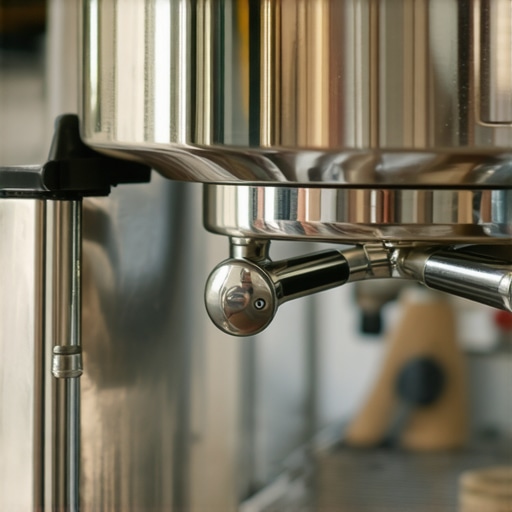
Start by turning off and unplugging your espresso machine. Remove all detachable parts like the portafilter, drip tray, and water reservoir. Rinse these parts under warm water to eliminate loose debris. For sticky coffee oils or stubborn stains, soak removable parts in a solution of warm water and a mild espresso machine cleaner. This initial step is crucial to prevent dirt from spreading during cleaning.
Clean Internal Components Methodically
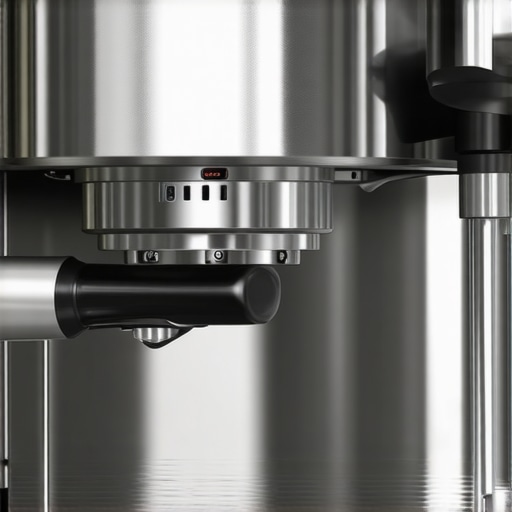
Next, focus on the internal components, especially the brew group and steam wand. Use a damp internal water reservoir cleaning technique to remove mineral buildup. For stubborn grime, gently scrub with a soft brush or cloth. When cleaning the steam wand, dip a clean cloth into a vinegar solution to remove milk residues. Regular internal cleaning prevents scale buildup and prolongs your machine’s life.
Flush with Descaling Solution
Mix a descaling solution according to the manufacturer’s instructions or use a commercial espresso machine descaler. Fill the water reservoir and run the descaling cycle, allowing the solution to pass through every outlet. Once completed, run several cycles with clean water to rinse out any residual descaler. This process removes mineral deposits that can clog internal pathways, ensuring smooth operation.
Sanitize and Maintain External Surfaces
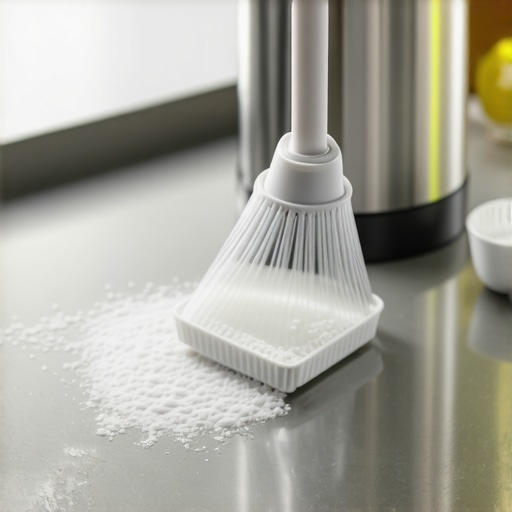
Using a soft cloth dampened with a mild cleaning agent or a mixture of water and vinegar, wipe down all external surfaces, including stainless steel body and control panels. For stubborn stains, apply a bit of baking soda paste, gently scrubbing with a cloth. Pay close attention to edges and crevices where dust and coffee oils tend to accumulate. This maintains the machine’s shine and hygiene, preventing buildup of grime.
Reassemble and Perform Regular Checks
After cleaning, carefully reassemble all parts, ensuring they fit snugly and correctly. Conduct a test run by brewing a shot of water without coffee to verify proper functioning. Regularly inspect seals and gaskets for wear or cracks, replacing them as necessary. Performing this routine maintenance every few weeks keeps your machine running efficiently and looking impeccable.
Tip for Fresher Milk Frothing Check out these milk frother tips to enhance your coffee routine, but remember: a clean steam wand is the secret to perfect microfoam. To prevent milk pitcher buildup or blockages, wipe and purge the steam wand after each use, flushing with steam to clear residues. Consistency in cleaning helps achieve silky microfoam consistently, elevating your home barista game.
While many coffee enthusiasts believe that investing in high-end milk frothers or premium espresso machines guarantees perfect results, the reality is often more nuanced. A common myth is that expensive equipment alone makes mediocre baristas, but in my experience, understanding the intricacies and common pitfalls is what truly elevates your home brewing game.
One widespread misconception is that all milk frothers are created equal. Everyone seems to think that a simple handheld wand can produce microfoam comparable to commercial steam wands, but the truth is that technique and understanding fine details matter more than the device itself. For instance, top-rated milk frothers often outperform cheaper models because of their heat control and foam consistency. However, even the best frother won’t save you if you overheat the milk, which causes separation and loss of microfoam—highlighting that mastering temperature control is crucial.
Another mistake I see often is the assumption that home espresso machines are simple plug-and-play devices. In reality, many get frustrated because they overlook critical details like grind size, tamping pressure, and machine calibration. For example, issues like inconsistent pressure or temperature fluctuations can undermine even the most expensive machines. To master these nuances, consistent calibration becomes essential—something I detailed in choosing appropriate barista gear or selecting the right espresso machine.
If you’re serious about elevating your coffee, pay attention to the details behind the equipment. For instance, many neglect the importance of grinder adjustment—often assuming that they can dial in just by taste, but this is where the real finesse lies. Using methods like the marker method for burr alignment ensures consistency, preventing channeling or over-extraction. Remember, precision in grinder setup directly impacts the quality of your espresso.
Why is your milk frothing inconsistent even with premium gear?
This question gets to the heart of advanced mistakes many make. Often, home baristas focus on the device but neglect regular maintenance, such as cleaning steam wand tips or monitoring water quality. Mineral deposits or milk residue can impair steam performance, leading to inconsistent frothing. Studies by industry experts, like those at Barista Hustle, emphasize that regular maintenance and understanding the steam wand’s mechanics can make all the difference. Don’t overlook these subtleties—doing so might be the reason your microfoam never turns out as silky as you’d like.
So, the next time you’re tempted to believe that your gear alone determines your success, remember: mastery involves understanding the nuances, avoiding common traps, and diligent maintenance. Whether it’s calibrating your grinder or cleaning your steam wand, these small steps have a big impact. Have you ever fallen into this trap? Let me know in the comments and share your experiences on refining your home barista skills!
Invest in Quality Tools for Consistent Coffee Excellence
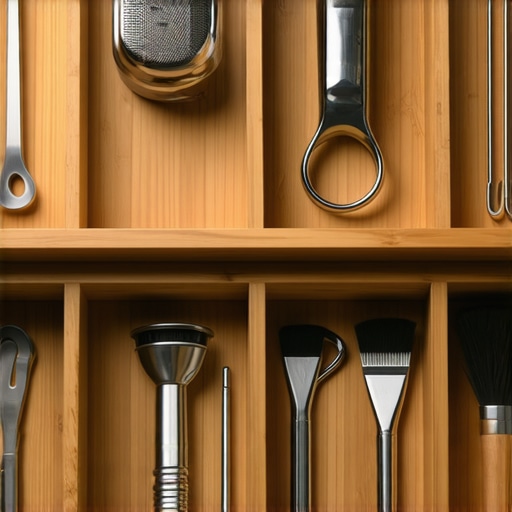
Maintaining your espresso setup over time hinges on the right tools. I personally swear by a high-precision burr alignment kit — it’s a game-changer for ensuring your grinder consistently delivers uniform grounds. Proper alignment prevents channeling and gunk buildup, which can drastically affect shot quality. Additionally, a dedicated steam wand cleaning brush helps me keep the microfoam silky by preventing milk residue from causing blockages. Investing in these specific items ensures your gear stays in top shape, saving money on repairs.
Routine Maintenance: Small Steps, Big Impact
Regularly descaling your espresso machine is vital. I recommend using a reputable descaler like De’Longhi Descaler and following an established routine — usually every 2-3 months depending on water hardness. For instance, a pressure maintenance process helps to prevent issues like erratic shot volumes or pressure drops. Keep a log of maintenance tasks; this habit helps catch issues early before they lead to costly repairs. Remember, a well-maintained machine maintains temperature stability and pressure, crucial for perfect espresso shots over the long haul.
Tools I Recommend for Scaling Your Coffee Setup
If you’re aspiring to scale up your home coffee operation or serve more consistent results, consider a top-rated espresso machine now. The future seems headed toward smarter, automated calibration systems that can adjust pressure and temperature dynamically — a trend I believe will make routine fine-tuning obsolete. For grinders, a digital burr grinder alignment tool ensures consistent dosing as you scale, reducing waste and shot variability. These tools, combined with automated cleaning cycles, are paving the way for hassle-free, high-quality coffee at home.
How do I maintain my coffee gear to last decades?
It’s all about regular checkups and sticking to a schedule. Inspect gaskets and seals every six months; replace worn parts promptly to avoid leaks and pressure issues. Keep external surfaces clean with gentle wipes — I favor a microfiber cloth dampened with a vinegar solution for stainless steel. For internal components like the group head or portafilter, plan a monthly deep-clean to remove coffee oils and mineral build-ups. Most importantly, stay informed about your specific equipment; manufacturers often provide guidelines on how to prolong their longevity. Check industry expert insights, like those from specialist resources, to implement best practices tailored to your gear. In the long run, these diligent habits preserve consistency, flavor, and machine health — key ingredients for serious home baristas.
Be Prepared for the Future of Coffee Maintenance
Emerging tools like integrated pressure sensors and app-controlled cleaning routines promise to revolutionize how we maintain our machines. For example, some companies are developing smart espresso machines that automatically detect buildup and suggest cleaning cycles via smartphone notifications. Embracing these innovations now will prepare you for a future where gear maintenance becomes more straightforward and less time-consuming. To start, experiment with manual calibration methods such as the marking technique for burrs — it’s simple yet highly effective for consistency. Master these techniques today and set yourself up for superlative coffee experiences tomorrow.
The Hardest Lesson I Learned About milk frothers,barista gear,home espresso,espresso machines,coffee grinders
One eye-opening realization was that regular deep cleaning of my equipment, especially the steam wand and grinder burrs, prevented unexpected malfunctions and maintained consistent quality. Skipping routine upkeep often led to stubborn clogs and uneven microfoam, which was frustrating and costly. Consistency in cleaning schedules saved me from wasting time and money down the line.
3 Myths About milk frothers,barista gear,home espresso,espresso machines,coffee grinders That Held Me Back
I used to believe that expensive machines automatically delivered perfect results. The truth is, technique and care matter more. Additionally, I thought that quick rinses were enough between brews, but detailed cleaning revealed how mineral build-up and oils impact flavor and performance. Busting these myths transformed my approach to maintaining my gear.
What Experts Won’t Tell You About milk frothers,barista gear,home espresso,espresso machines,coffee grinders
Many professionals emphasize the critical role of proper grinder calibration and regular steaming wand maintenance—details that aren’t always highlighted in beginner guides. Understanding and executing small tweaks, like aligning burrs using the marker method, contributed to consistently better shots. These little-known insights elevated my home barista skills significantly.