How to Fix a Portafilter That Won’t Lock into the Group Head
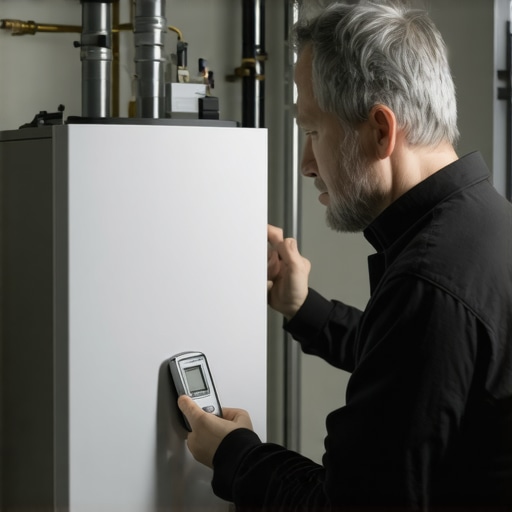
Ever had that sinking feeling when you’re about to pull a shot and, suddenly, your portafilter just won’t lock into the group head? I’ve been there more times than I’d like to admit—frustration bubbling up as I fussed over a stubborn piece of equipment that refused to cooperate. One morning, after fighting with my espresso machine for over ten minutes, I finally realized—sometimes, it’s not me, it’s the portafilter itself.
That lightbulb moment pushed me to dig deeper because I love my home espresso setup—there’s nothing quite like a freshly brewed shot to start the day. If your portafilter won’t lock in, it can ruin your entire routine. It’s a nagging problem and one that’s surprisingly common among coffee enthusiasts.
So today, let’s cut through the guesswork. I promise to share proven tips to fix a portafilter that won’t lock into the group head, straight from my own experience. By the end of this post, you’ll have the confidence to troubleshoot and resolve this issue, saving both your shot and your mood.
Why Ignoring a Stubborn Portafilter Could Ruin Your Coffee Day
A portafilter that won’t lock properly isn’t just a minor inconvenience—it can mess with your extraction, leading to weak or uneven espresso. Over time, you might develop a false sense of confidence that your machine needs costly repairs, or worse, you might give up on making espresso at home altogether. That’s why understanding the root cause and fixing it early matters.
One critical factor often overlooked is that small misalignments or debris can prevent a secure lock. It might seem trivial, but the devil’s in the details. I learned this early on when I ignored the buildup around the gasket, which caused my portafilter to stick.
According to barista training resources, daily cleaning and proper maintenance are essential for ensuring your portafilter works seamlessly. Neglecting these routines can lead to misfitting parts and, ultimately, more headaches. You can check out more tips on [mastering the art of home espresso](https://espressotechguide.com/mastering-the-art-of-home-espresso-tips-for-beginners) to keep your gear in top shape.
Are you facing this specific problem right now? If so, it’s time to get to the bottom of the issue. Next, let’s explore common causes and simple fixes that will have your portafilter locking in like new.
Inspect the Portafilter and Group Head
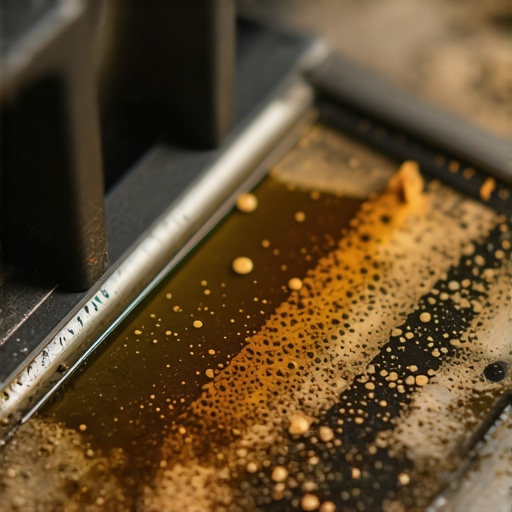
Before applying any fixes, remove the portafilter and closely examine both the basket and the group head opening for debris, coffee oils, or damage. Use a cleaning brush to scrub away old coffee residues, especially around the gasket area, as buildup often causes misalignment. I once ignored this and struggled for 15 minutes, only to realize a crust of coffee was preventing proper seating—since then, regular cleaning has become part of my routine.
Clean and Replace Worn Gaskets
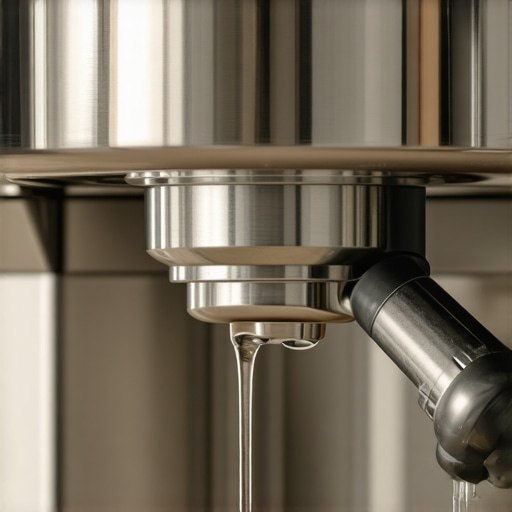
Check the rubber gasket inside the group head for cracks or deformation. A worn gasket can cause the portafilter to sit improperly, making locking impossible. To fix this, remove the gasket carefully and replace it with a new one suitable for your machine. I learned this the hard way when my shots were inconsistent, and replacing the gasket restored perfect locking and better extraction quality. For detailed steps, visit inspect your group gasket.
Adjust the Portafilter Handle and Basket
If cleaning didn’t resolve the issue, investigate the basket and handle. Sometimes, the basket becomes warped or clogged with old coffee oils, limiting its ability to fit snugly. Use a cleaning brush to remove any stubborn residues. Also, ensure the handle isn’t bent or loose; tightening any screws can restore proper alignment. Once I replaced a warped basket and tightened the handle screws, locking improved immediately, and the shot quality improved as well.
Calibrate the Machine’s Group Head
If the lock mechanism still feels loose or tight after cleaning and adjustments, you might need to calibrate the group head. Some machines allow you to adjust the pressure or alignment screws. Carefully follow your machine’s manual or consult calibration tips. I tried this on my espresso machine, and a slight turn of the screws made a significant difference, ensuring the portafilter snapped into place smoothly. Keep in mind, if you’re unsure or uncomfortable, contacting a professional is a safe bet.
Many enthusiasts assume that getting a perfect shot at home is just about buying top-tier equipment or following the basic steps. However, even experienced coffee lovers often get tripped up by nuanced misconceptions. For instance, there’s a widespread myth that investing in the most expensive espresso machine guarantees café-quality results. In reality, mastering your grinder and understanding extraction nuances are far more impactful.
Another common trap lies in relying solely on average recipes. Every coffee bean responds differently, and factors like roast level, humidity, and grind size require personalized adjustments. Over-tamping or misfitting portafilters happen more often than people admit, yet they are rarely due to machine faults but rather overlooked setup details.
Let’s address a subtle yet critical mistake: neglecting the importance of your brewing environment’s consistency. Small changes in temperature, humidity, or even lighting can influence grind consistency and extraction. Experts suggest maintaining a stable ambient climate and calibrating your grinder regularly to adapt (source: [barista training](https://espressotechguide.com/mastering-the-art-of-home-espresso-tips-for-beginners)).
An advanced point worth emphasizing is the importance of calibrating your machine’s pressure profile, which many think only professional cafes need. Modern machines with adjustable pressure curves can significantly enhance flavor clarity and body. If you’re serious about dialing in your shots, exploring the calibration options outlined in [this guide](https://espressotechguide.com/how-to-calibrate-your-pid-for-better-temperature-stability) can yield stunning improvements.
Beware the trap of static and moisture in your grinder. Static buildup can cause uneven grounds and clumping, leading to inconsistent extraction. Anti-static modifications or proper cleaning routines notably improve dose consistency. Also, don’t underestimate the value of proper bean storage—exposure to air and humidity can degrade quality faster than forgotten.
Stay vigilant about these hidden pitfalls, because they often matter more than equipment upgrades or brewing technique tweaks. What subtle mistake have you made that impacted your brewing? Share your experience! Want to sharpen your setup? Visit [the cornerstone](https://espressotechguide.com/mastering-the-art-of-home-espresso-tips-for-beginners) for detailed mastery tips.
Investing in the Right Equipment for Durability
To keep your home espresso setup in top shape, selecting quality tools is crucial. I personally swear by a precision coffee grinder with stepless grind adjustment. It allows me to fine-tune grind size for different beans without the hassle of click-stop limitations, ensuring consistent extraction over time. Additionally, a high-quality milk frother with adjustable temperature controls helps maintain creamy microfoam, vital for latte art and texture consistency.
Streamlining Maintenance Routines
Regular maintenance is the backbone of a reliable espresso machine. I recommend establishing a daily ritual of flushing water through the boiler and brewing group to prevent mineral buildup. Using a proper cleaning brush to scrub the portafilter and gasket area prevents oils and old coffee grounds from causing misalignment or stuck baskets. Don’t forget to backflush your machine weekly with natural descaling agents—this prolongs the lifespan of internal components and ensures consistent shot quality. For detailed cleaning methods, visit this guide.
Embracing Calibration for Long-Lasting Precision
Calibrating your machine ensures that technical variances don’t turn into brewing frustrations. The PID calibration process, for example, fine-tunes temperature stability, ultimately improving shot consistency. Performing periodic calibrations based on your environment and bean type prevents temperature fluctuations—a key factor in long-term performance. Recent studies suggest that machines with adjustable pressure profiles, once considered a niche feature, are becoming more mainstream, allowing enthusiasts to tailor extraction parameters for different beans and roast levels.
How do I maintain my barista tools over time?
Proper storage and routine inspection are essential. Using airtight containers for coffee beans prevents moisture ingress that can clog grinders or degrade flavor. Cleaning and replacing worn tampers, baskets, and cleaning brushes regularly thwart the buildup of residue that impairs performance. Keep all tools dry and organized—it speeds up workflow and reduces the risk of damaging sensitive components.
If you haven’t already, try calibrating your PID to lock in optimal temperature stability. This advanced step can dramatically improve your shots’ consistency and flavor profile, transforming your home brewing experience. For comprehensive guidance, check out this calibration guide.
What the Best Baristas Won’t Tell You About Your Espresso Equipment
Over the years, I realized that the most significant improvements in my home espresso routine didn’t come from expensive gear but from understanding the nuanced interactions between my machine, tools, and technique. One hard-earned lesson was recognizing that a stubborn portafilter often signals more than a simple misfit—it reveals underlying maintenance habits and setup details that, when addressed, unlock a new level of performance. The insight that routine cleaning and careful calibration can transform a problematic portafilter into a seamless part of my brewing process changed my approach completely.
My Top Picks for Elevating Your Espresso Experience
Equipping yourself with the right tools amplifies your ability to troubleshoot and perfect each shot. I trust precision coffee grinders because they provide consistency and control, reducing variables that cause portafilter misfits. A quality milk frother ensures steam reliability and microfoam perfection, making every beverage Instagram-worthy. Additionally, the comprehensive barista gear selection helps me stay organized and efficient, keeping my focus on brewing greatness.
Your Next Espresso Breakthrough Awaits
Every step you take towards understanding your espresso setup brings you closer to barista-level results at home. Don’t shy away from the maintenance routines or calibration tweaks—they’re the secret ingredients to consistent, delicious shots. Remember, mastering home espresso isn’t about perfection—it’s about progress. So grab that portafilter, embrace the challenge, and turn your everyday brews into a personal barista masterpiece. Your best shot is just around the corner.
What specific challenge have you faced when trying to lock your portafilter, and how did you overcome it? Share your experience below!