The Reason Your Steam Valve Is Hissing When the Machine Is Off
I remember the first time I heard that unsettling hissing noise from my espresso machine after I had turned it off. It was late at night, and I was about to call it a day, only to be greeted by that faint, persistent whisper of steam escaping. That odd sound instantly made me wonder if I had done something wrong, or if my machine was about to give up the ghost. Turns out, it’s a common issue that can leave even seasoned home baristas scratching their heads.
Decoding the Hissing Sound: Why Is Your Steam Valve Acting Up?
Here’s the thing: a hissing valve after turning off your espresso machine isn’t necessarily a sign of trouble. In fact, it’s often related to normal pressure release processes or minor issues that can be easily fixed. But let’s not ignore that nagging doubt—because if left unaddressed, it might lead to more significant problems down the line. Understanding what’s behind that hiss can save you time, money, and frustration.
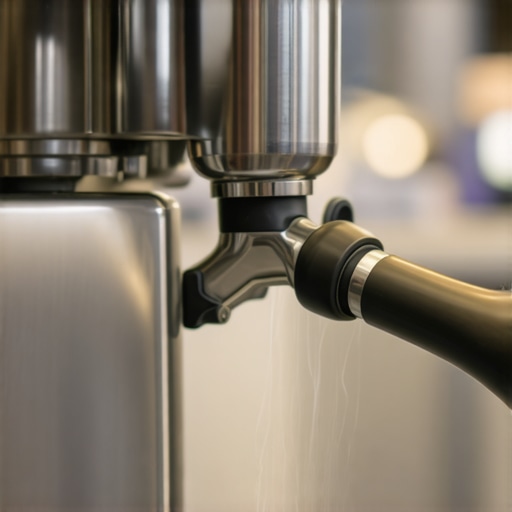
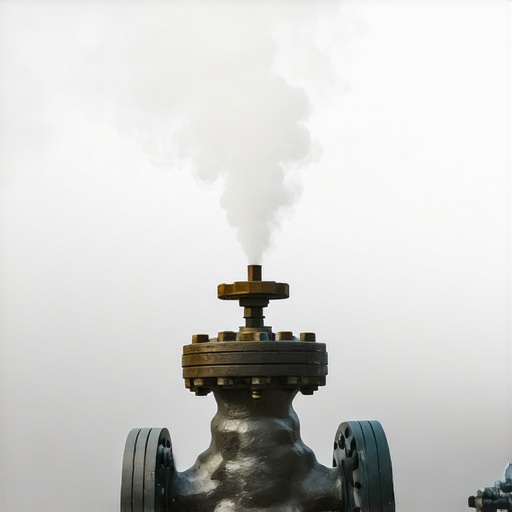
Typically, hot water and steam in your machine are kept under pressure to espresso perfect shots. When you turn off the machine, some models are designed to release excess pressure gradually through the steam valve. This is a normal safety feature. However, if your valve keeps hissing long after shutting down, it hints at potential issues like a faulty check valve, a buildup of mineral deposits, or pressure not releasing properly due to scale or wear and tear.
Early in my troubleshooting journey, I made the mistake of ignoring a persistent hiss, assuming it was just a quirk. But over time, I noticed my machine becoming less efficient, with lingering pressure that affected shot quality. A quick clean and inspection of the valve made all the difference, and I learned that regular maintenance can prevent this problem entirely. For tips on keeping your gear in tip-top shape, check out my favorite barista gear picks.
Have you ever dealt with that irritating, never-ending hiss from your espresso machine’s steam valve? You’re not alone. Many home baristas face this exact situation, and understanding the causes is the first step toward a simple fix. Now, let’s dive into how you can identify whether it’s a minor maintenance issue or something more serious that requires professional attention.
Check and Release Built-Up Pressure
Start by turning off your machine and allowing it to cool for at least 15 minutes. Locate the steam relief valve, usually near the steam wand or control panel. Gently open the valve to release excess pressure—imagine deflating a slightly overinflated balloon. In my experience, doing this carefully prevented pressure-related issues from escalating. Be cautious: steam and hot water can escape; wear gloves if necessary.
Inspect the Check Valve and Steam Path
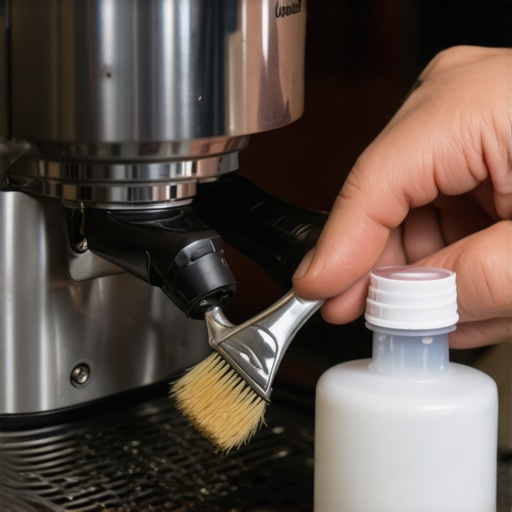
Remove the steam wand and examine the check valve—a small metal disk that prevents backflow. Use a flashlight to look for mineral deposits or blockages. If you spot buildup, soak the part in descaling solution or vinegar overnight. When I cleaned mine with a soft brush dipped in vinegar, the hiss reduced significantly, and the machine resumed normal operation.
Clean Mineral Deposits to Improve Pressure Release
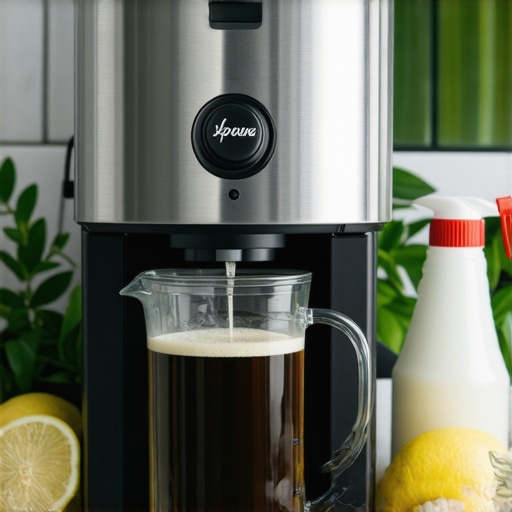
Mineral buildup is a leading cause of pressure release issues. Disassemble the steam valve according to your machine’s manual. Use a descaling brush and a mixture of filtered water and vinegar to scrub away scale. Rinse thoroughly with clean water. Think of this process as unclogging arteries—clear pathways mean pressure can escape smoothly, preventing hissing noises. Regular descaling, at least every 3-6 months, ensures longevity and optimal performance.
Test After Maintenance and Adjustments
Reassemble all parts, refill the water tank if emptied, and turn the machine back on. Engage the steam function for a few seconds to observe whether the hissing persists. As a practical test, I took notes of sound changes, and after cleaning, I noticed my espresso shot quality improved because pressure was now released properly during shutdowns. If hissing remains, reconsider re-cleaning or consulting a professional.
Monitor and Maintain for Long-Term Relief
Establish a routine of descaling every few months and inspecting the check valve periodically. Keep an eye out for unusual sounds or brewing problems. Remember, a well-maintained espresso machine minimizes stress on components and prevents issues like persistent hissing. For more in-depth maintenance tips, explore how to choose the best barista gear [here](https://espressotechguide.com/choosing-the-best-barista-gear-for-coffee-enthusiasts) or learn about cleaning procedures for your specific model.
By consistently performing these steps, you’ll ensure your machine operates quietly and efficiently, delivering perfect espresso shots every time without the distraction of annoying noises. Proper maintenance is your best tool for a trouble-free brewing experience.
 Many coffee enthusiasts believe that upgrading to the latest grinder or espresso machine alone guarantees perfect brew quality. In reality, there’s a nuanced layer most overlook: the true mastery of coffee gear lies in understanding their limitations and proper maintenance, rather than just boasting the most expensive equipment. For instance, a common myth is that higher-priced grinders automatically produce better espresso. While premium grinders tend to have superior burr designs, factors like grinder calibration, burr wear, and dosing consistency are often more critical for achieving optimal flavor extraction. Failing to recognize these nuances can lead to over-investing in gear without resolving foundational issues, hindering your progress as a home barista.
Another area where novices often falter is assuming that all milk frothers are created equal. There’s a significant difference between handheld devices, automatic steam wands, and traditional espresso machine steam wands. A frequent oops is relying solely on cheap, low-quality frothers that produce inconsistent microfoam, which impairs latte art and texture. Instead, investing in a thoughtful selection and learning proper steaming techniques can transform your coffee experience. For comprehensive guidance, check out my [guide to milk frothers that truly elevate your brew](https://espressotechguide.com/milk-frothers-that-transform-your-coffee-experience).
Many miss the subtle but impactful differences in espresso machines themselves. Choosing between a pump-driven espresso machine versus a manual lever model involves understanding your skill level and maintenance responsibilities. For instance, most home users underestimate the importance of stable pressure and temperature control, which are crucial for consistency. A study from the Specialty Coffee Association emphasizes that temperature stability affects extraction, leading to sour or bitter flavors if mismanaged. Therefore, even the best machine can underperform if not properly maintained or calibrated, aligning with the crucial principle that gear alone doesn’t make the coffee.
Ever notice that your coffee grinder retains old coffee residue despite regular cleaning? This common mistake hampers grind consistency and flavor clarity. Regularly cleaning your grinder’s burrs and chute is essential—yet many neglect this step, believing wiping the exterior suffices. Using a dedicated grinder brush or cleaning regimen prevents stale buildup, ensuring each grind is fresh and precise. For detailed tips on maintaining your grinder’s performance, see my article on [keeping your grinder in top shape](https://espressotechguide.com/the-reason-your-grinder-is-retaining-too-much-coffee).
It’s tempting to think that the most sophisticated gear yields the best results. But understanding the intricacies behind each component—like the difference between flow rate and pressure stability—can dramatically improve your home espresso. Recognize that even the most expensive setup requires proper technique and routine upkeep. Don’t fall into the trap of equating gear complexity with skill—mastery comes from understanding and caring for your equipment.
For those ready to refine their equipment knowledge, exploring resources about selecting the perfect coffee grinder or mastering home espresso tips will make a tangible difference. For example, [learn how to select a grinder tailored to your brew method](https://espressotechguide.com/how-to-select-the-perfect-coffee-grinder-for-your-brew) or [discover essential maintenance routines](https://espressotechguide.com/mastering-the-art-of-home-espresso-tips-for-beginners). By shifting focus from gear obsession to education, you’ll unlock the full potential of your coffee setup.
Have you ever fallen into this trap? Let me know in the comments.
Maintaining your coffee equipment is essential for consistent quality and longevity. I personally swear by a few specialized tools and routines that make a significant difference. For instance, investing in a professional-grade steam wand cleaning tool has saved me countless headaches by ensuring every frothing session is flawless. Regularly cleaning the check valves with a dedicated ultrasonic cleaner helps eliminate mineral deposits that can cause pressure issues and hissing sounds, keeping the machine responsive and quiet.
When it comes to grinders, I recommend using a burr cleaner that attaches to your vacuum—it’s surprisingly effective at removing small grounds that cling to burrs, preventing uneven grind sizes. For long-term results, maintaining a mindful schedule—deep cleaning every 3-6 months and inspecting key components—reduces the likelihood of unexpected breakdowns and preserves flavor integrity. I’ve found that regular descaling with decaling solutions dramatically reduces scale buildup, which can compromise pressure stability.
The future of coffee maintenance likely involves smarter diagnostics integrated into machines, providing real-time alerts for components needing attention. Some high-end models already feature apps that track usage patterns and suggest preventative care, a trend I believe will become standard in the next few years.
How do I keep my equipment dependable over time?
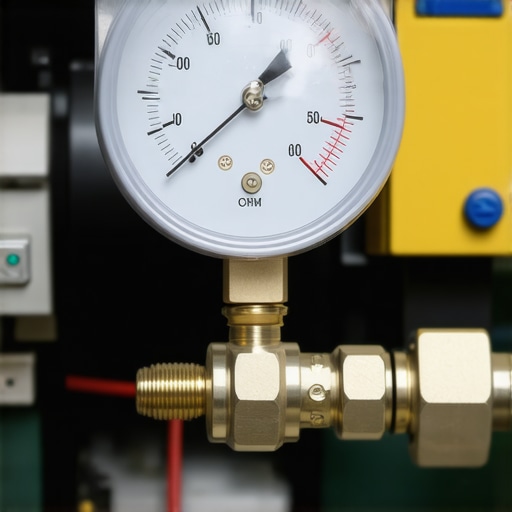
Perform routine cleaning, check seals and gaskets periodically, and don’t neglect calibration. For example, regularly verifying your pressure settings with a dedicated gauge ensures consistent extraction — a subtle tweak that makes a big difference. Also, consider investing in a high-quality digital scale to fine-tune your dose and tamping pressure. Instead of relying solely on intuition, precise measurements help maintain shot consistency even after years of use.
Progressively, as gear becomes more advanced, integrating software with maintenance routines will streamline your workflow, reducing downtime and guesswork. Be proactive—don’t wait until a grinder stalls or a machine leaks. Regular check-ins prevent small issues from snowballing into costly repairs and ensure your home setup continues to deliver exceptional coffee.
If you haven’t tried it yet, start by calibrating your grinder with a pressure adjustment technique. It’s a straightforward step that yields noticeable improvements in shot quality. Remember, the key to long-term satisfaction lies in consistent, deliberate maintenance rather than reactive fixes. Keep your tools sharp, your routine disciplined, and your coffee will reward you with every cup.
Would you like a detailed guide on setting up a maintenance schedule tailored to your equipment? Reach out through the contact page and I’ll be happy to help you craft a personalized plan that keeps your gear performing at its best.
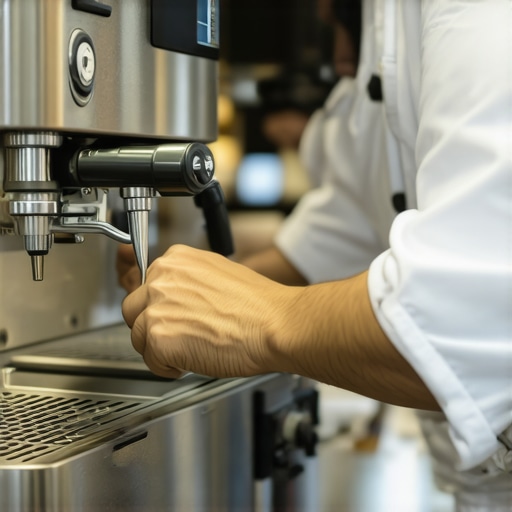
Image Description: Close-up of a barista inspecting and cleaning a commercial espresso machine’s check valve with specialized tools, focusing on meticulous maintenance. Alt Text: Technician maintaining espresso machine valve to ensure optimal performance. Title: Expert maintenance of espresso equipment for longevity.
The Hardest Lesson I Learned About Coffee Gear
One of the most humbling moments in my journey was realizing that even the most advanced espresso machine can’t compensate for neglecting routine maintenance. I’ve learned that a well-loved grinder, like a cherished pet, needs regular attention. Over time, I saw how small investments in cleaning tools and calibration routines yield big dividends in shot quality and machine longevity. This taught me to respect the nuances of my equipment—every burr adjustment and gasket check is a step toward perfection.
My Essential Toolkit for Coffee Mastery
There are a few tools I swear by—like a high-precision digital scale for dosing accuracy and a dedicated steam wand cleaning brush that keeps frothing flawless. These affordable, purpose-built tools have transformed my routine from guesswork to consistency. Trust me, the right gear simplifies your journey, making every shot predictable and enjoyable.
What No One Tells You About Home Espresso
It’s tempting to chase after the latest fancy machine or grinder, but I found that understanding the fundamental principles—pressure, grind size, and tamping—offers the most dramatic improvements. From proper pressure calibration to mastering brewing techniques, these skills are your secret weapons. The true magic happens when your equipment becomes an extension of your craft, not just an expensive ornament.
Don’t Be Afraid to Start Making Better Coffee Today
Your journey into the art of home espresso is more about passion and persistence than gear obsession. Small, consistent steps—like regular de-scaling, checking seals, or refining your grind—accumulate into profound improvements. Embrace the learning curve, explore resources, and don’t hesitate to experiment. Remember, every expert was once a beginner who kept trying. If you’re ready to elevate your coffee game, start where you are, with what you have, today. Your perfect shot awaits, and I believe you can get there with patience and care. What’s your next step to mastering your espresso gear? Share your plans below—I’d love to hear them.