Why Your Espresso Puck Is Always Wet and Muddy
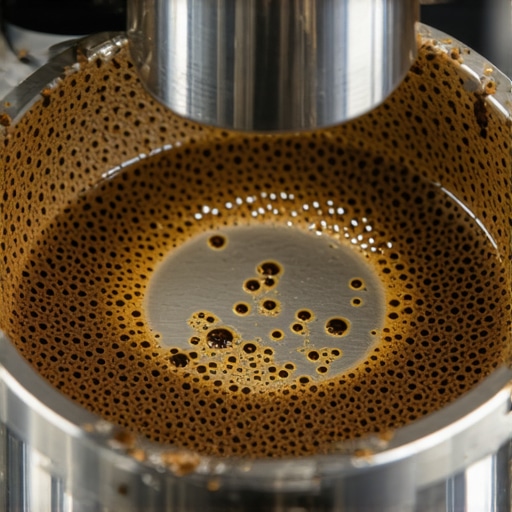
Ever sift through a shot of espresso and notice that the puck at the end looks like a muddy mess? I’ve been there countless times, battling a wet, muddy espresso puck that just won’t behave. That familiar feeling of frustration when your perfectly tamped shot turns into a viscous, ploppy disaster is all too common. I used to think I was doing everything right—using the right grind, tamping with care, even cleaning my machine regularly. Yet, somehow, my puck remained consistently wet, muddy, and unyielding.
One morning, after a particularly disappointing shot, I had that lightbulb moment. What if the problem wasn’t with my tamping pressure or the quality of my beans, but something simpler and more overlooked—like how I prepared my machine or the water I used? It was then I realized that many home baristas face this very issue, often without understanding why it happens or how to fix it.
Today, I promise we’ll explore the common causes behind that perpetually muddy puck and, more importantly, how to put an end to it for good. Imagine your shots consistently coming out clean, with a firm, dry puck that no longer resembles mud. Sounds like a dream, right? Well, it’s achievable, and I’ll guide you through the essential steps to start transforming your espresso experience.
Why Your Coffee Puck Is Always Muddy and Wet
Is It Really a Big Deal or Just a Part of Brewing?
It’s natural to worry when your puck looks like a mud pie after your shot. A wet, muddy puck might seem like a small issue, but in reality, it can be a sign of underlying problems affecting flavor extraction and overall machine performance. I made the mistake early on of ignoring this telltale sign, assuming it was just part of the process. Turns out, overlooking this detail can lead to over-extraction, bitter flavors, and even clogged filters. For more detailed insights, check out [this article](https://espressotechguide.com/mastering-the-art-of-home-espresso-tips-for-beginners).
Start with Fresh Water and Proper Machine Setup
Always use fresh, filtered water in your espresso machine to prevent mineral buildup and ensure consistent extraction. Fill the water reservoir to the recommended level and check for any clogs or buildup in filters that could impede water flow, leading to a soaked puck. Regularly descale your machine following manufacturer instructions, as mineral deposits can cause uneven water pressure, resulting in a muddy puck. Using distilled or properly filtered water can significantly improve shot consistency and cleanliness.
Perfect Your Grind Size and Dose
Matching grind size and dose to your machine is crucial. Use a high-quality coffee grinder like those listed at this guide and experiment with small adjustments. Grind too fine or dose too much, and you’ll struggle to get proper water flow, causing water to pool and create a mushy puck. Aim for a consistency similar to fine sand—too coarse results in under-extraction, while too fine packs water and prevents proper drainage, leading to a muddy residue. When I first dialed in my grinder more precisely, my shots improved dramatically, and the puck no longer looked like a mud pie.
Tamp Evenly and with Adequate Pressure
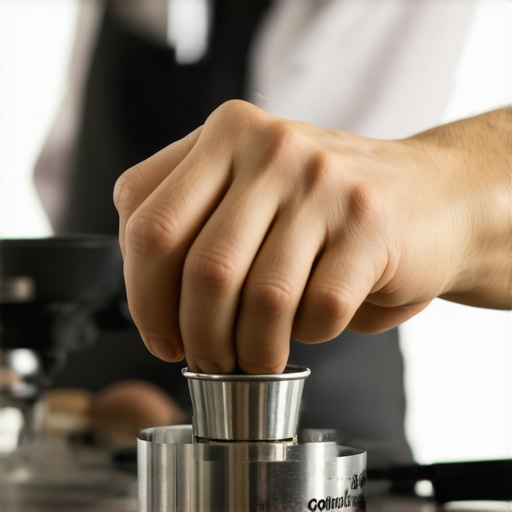
Consistent tamping distributes pressure evenly across the coffee bed. Use a calibrated tamper, and aim for around 30 pounds of force. Think of tamping like pressing down uniformly on a cake; uneven pressure causes channels where water flows faster, washing away grounds unevenly and creating a wet, muddy puck. During my trial-and-error phase, I used a bathroom scale to gauge my tamp pressure, which helped me develop a more uniform technique. Remember, consistency is key for a dry, firm puck that resists excess moisture.
Adjust Brew Temperature and Water Pressure
If your machine runs too hot or pressure is inconsistent, water may penetrate the coffee unevenly. Check your machine’s temperature settings; ideal extraction occurs around 195°F to 205°F (90°C to 96°C). Too low, and water won’t dissolve compounds properly; too high, and grounds can become over-saturated, causing a muddy puck. For machines with adjustable pressure, fine-tune the pump to optimize flow—most home espresso machines operate best at 9 bars. I faced consistent wet pucks until I adjusted my machine’s pressure regulator, leading to cleaner, crisper shots.
Maintain Your Machine’s Components
Regular cleaning of the portafilter, basket, and group head prevents old coffee oils and residue from causing water drainage issues. Use a brush to scrub now and then and backflush your machine with proper cleaning detergents. A clogged shower screen or worn gasket can cause water to pool, leading to a wet, muddy puck. I remember replacing my gasket after noticing water was squirting irregularly, which made a noticeable difference in shot quality and puck consistency. Keeping components tidy ensures proper water flow and consistent puck dryness.
Experiment and Observe
Changing one variable at a time allows you to see its direct effect. Record your adjustments—like grind size, tamp pressure, or machine temperature—to find the optimal combination. Over time, you’ll recognize the signs of a well-prepared shot: a dry, compact puck, and a clean extraction. I’ve spent hours tweaking variables, and the patience paid off with shots that consistently resemble the professional standards I admire, free of mud-like residue.
Many enthusiasts believe that simply owning high-end espresso machines or the fanciest barista gear guarantees perfect shots, but reality is far more nuanced. For instance, a widespread misconception is that expensive machines automatically produce superior espresso without proper adjustment or maintenance. However, even top-rated espresso machines—from brands listed at this guide—require skilled calibration and upkeep to perform optimally. Conversely, some think that investing in advanced milk frothers or microfoam devices yields instant barista-quality results, but without mastering fundamental techniques like proper steaming posture or pitcher control, you risk subpar foam or burnt milk, as discussed in this article. An often-overlooked aspect is the importance of grinder settings—many assume that a high-quality burr grinder alone ensures consistent extraction, but in practice, humidity, tamping pressure, and dose precision significantly impact grind effectiveness, which is why selecting and tuning your grinder is crucial for avoiding a muddy, over-extracted puck.
You might also hear the myth that rapid tamping produces better extraction—it doesn’t. Correct tamping involves even, firm pressure, roughly 30 pounds, and failure to do so can create channeling, leading to inconsistent espresso and a muddy puck. On an advanced note, deeply understanding water chemistry and machine temperature control is vital; even minor mistakes here can turn a well-prepared shot into a flat or bitter brew. For example, using improperly filtered water or ignoring machine calibration can cause mineral buildup and inconsistent pressure, which deteriorates shot quality over time. As emphasized by experts, paying attention to these hidden details is often what separates good home baristas from amateurs.
One trap to avoid is neglecting routine cleaning—residue buildup from previous pulls can significantly affect water flow and flavor. For instance, a clogged shower screen or worn gasket can cause uneven water distribution, affecting puck dryness and extraction clarity. Additionally, the misconception that all espresso machines heat up quickly is false; advanced boiler systems require careful preheating, or you’ll end up with inconsistent temperatures and muddy espresso. A simple upgrade like felt pads can minimize vibrations affecting shot quality.
Finally, for the discerning enthusiast, knowing how to evaluate subtle differences like tamping technique, dose measurement, or water pH level can redefine your espresso game. These are often overlooked but critical nuances that visible equipment alone can’t solve. Mastering them demands patience, attention, and a willingness to experiment, much like tuning a musical instrument. Have you ever fallen into this trap of overemphasizing gear and neglecting technique? Let me know in the comments.
Keep Your Equipment in Peak Condition for Consistent Results
Investing in quality barista gear is just the first step; maintaining it properly ensures longevity and optimal performance. I personally swear by using a calibrated standard-sized milk pitcher for textured milk, as it offers precise control and reduces waste. Regularly inspecting and replacing worn parts like group head gaskets or shower screens prevents leaks and uneven water distribution, which can cause muddy pucks and inconsistent shots.
How do I maintain my espresso machine over time?
Developing a routine of descaling your machine every 2-3 months, depending on water hardness, is critical. I use a descaling protocol recommended by experts, such as the one detailed in this guide, to prevent mineral buildup, which can impair water flow and cause muddy pucks. Additionally, cleaning your group head and portafilter thoroughly after each session with a dedicated brush not only preserves hygiene but also ensures consistent extraction quality.
Tools I rely on for smooth operation
I keep a precise digital scale dedicated to shot timing, which helps me dial in a perfect extraction every time. A high-quality internal water reservoir cleaner is invaluable for cleaning those hard-to-reach areas that can harbor mold and lime deposits. Lastly, I highly recommend using fitted silicone gaskets instead of generic rubber parts, as the proper fit reduces the risk of leaks and maintains water pressure consistency.
Future trends: Automation and smart maintenance
The future of maintaining espresso machines likely involves smart sensors that monitor water quality, boiler pressure, and machine usage, providing alerts when parts need attention. This tech integration will make routine upkeep more intuitive, reducing user error and extending equipment lifespan. Companies are already exploring apps that log maintenance history and suggest personalized service schedules, which will make home baristas’ lives easier.
Level up your upkeep game with a few advanced tips
For example, try implementing the spoon trick—a simple method that improves milk microfoam without expensive equipment. Or, regularly checking your coffee grinder’s burrs for inhomogeneous wear can save you from inconsistent grind sizes. Take a moment today to perform a quick inspection of your gasket and replace it if you notice any cracks—little maintenance acts prolong the life of your machine significantly. Dive into these practices now and watch your espresso quality soar!
The Hardest Lesson I Learned About espresso machines, home espresso, milk frothers, barista gear, coffee grinders
After countless experiments and waking up early on weekends, I realized that even after investing in high-end equipment, the real secret to a flawless shot wasn’t just gear but the nuances of preparation and maintenance. The harsh truth was that I overlooked simple habits like proper cleaning routines and water quality, which had a profound impact on my puck dryness and shot clarity.
3 Myths About espresso machines, home espresso, milk frothers, barista gear, coffee grinders That Held Me Back
One myth was that expensive machines automatically guarantee perfect pucks—unsurprisingly, that’s not true without proper technique. Another was believing that the finer my grind, the better my shot; in reality, over-fine grinds often cause moisture retention. Lastly, I used to think complex workflows led to better espresso, but simple, consistent routines made the most difference when I focused on routine maintenance and technique.
What Experts Won’t Tell You About espresso machines, home espresso, milk frothers, barista gear, coffee grinders
Professional baristas emphasize that water chemistry and machine calibration are crucial, yet many amateurs neglect these details. Small adjustments like ensuring your water is properly filtered or calibrating your machine’s temperature can transform your puck from muddy to pristine. Recognizing and respecting these hidden factors often separates good espresso from legendary shots.
Curated Recommendations
My Essential Toolkit for espresso success includes a high-quality precise grinder that allows me to dial in consistent particle size, crucial for avoiding overly wet pucks. I rely on a [digital scale](https://espressotechguide.com/why-your-espresso-scale-is-giving-inconsistent-readings) for perfect dosing and shot timing, helping me replicate the same results every time. To keep my machine in top shape, I use a curated cleaning protocol that prevents mineral buildup and water flow issues. Lastly, I keep a handy set of maintenance tools—including brushes and replacement parts—that make routine upkeep straightforward and effective.
A Final Word on Elevating Your Espresso Routine
Transforming your shot quality is within reach when you focus on the little details—regular cleaning, water quality, precise grind size, and consistent tamping. Embrace the learning process and view each shot as an opportunity to refine your technique. The journey to that dry, firm puck—free of muddy residue—is ongoing, but every small step you take builds toward exceptional coffee experiences. So, why not start today? Tackle one aspect you’ve been neglecting and watch your espresso game reach new heights.
Your Turn to Try
Have you ever struggled with that wet, muddy puck, despite following all the standard advice? What small change made the biggest impact for you? Share your story below, and let’s learn together how to perfect the art of home espresso.