How to Silence a Rattling Drip Tray with Simple Felt Pads
It was a typical Sunday morning, and I was excited to finally enjoy my home-brewed espresso. I placed my machine on the countertop, eager to start the ritual. But as I prepared to brew, I was greeted not by the comforting hum of my espresso machine, but by an annoying rattle from the drip tray. It was loud enough to disturb the peaceful quiet of my kitchen, and frankly, it was starting to feel like a small, embarrassing secret. I realized I wasn’t alone in this frustration—many home baristas face the same issue: a rattling drip tray that shatters the tranquility of their coffee moments.
Why That Rattle Drives You Crazy and How to Fix It
Most people overlook the drip tray as just a minor nuisance, but its persistent rattling can be surprisingly disruptive. It not only ruins the ambiance but also makes you wonder if your prized espresso gear is falling apart. The good news? There’s a straightforward and inexpensive fix—adding simple felt pads to silence the noise and restore peace to your coffee corner.
Is This Simple Fix Worth the Hype
You might be skeptical—after all, felt pads? How could tiny pieces of fabric make that much difference? Believe me, I made the mistake early on of dismissing this idea. I thought, “It can’t be that easy,” and tried more complex solutions that ended up costing me time and money. That’s when I discovered that sometimes, the simplest tricks, like using felt pads—something you can pick up at any hardware store—are the game-changer for noise reduction. According to research, dampening vibrations with soft materials can significantly decrease noise levels in mechanical systems (source: *Journal of Mechanical Engineering*). So, if you’ve been tolerating that constant rattling, you’re not alone—and you can fix it without turning your kitchen into a workshop.
Stay tuned, because I’ll walk you through exactly how I did it and how you can do the same. No complicated tools required, just a couple of felt pads and a moment of your time. Let’s transform your espresso space into the zen zone it deserves to be.
Remove and Clean the Drip Tray
Start by carefully lifting out the drip tray from your espresso machine. Use a damp cloth to wipe away any coffee residue, dust, or grime that might contribute to vibrations. A clean surface reduces uneven contact points that cause rattling, much like cleaning the base of a grinding stone enhances uniformity in grind size. During my first attempt, I noticed a layer of old coffee and dust, which was a simple fix that immediately reduced noise.
Identify Loose or Wobbly Components
Inspect the tray’s mounting points for looseness. Tighten any screws or fasteners using a screwdriver. If the tray still wobbles despite tightening, proceed to the next step. I once had a tray that seemed secure but still rattled due to a minor crack in the mounting plastic—replacing the component was crucial. Ensuring all parts fit snugly prevents unnecessary movement and noise during brewing.
Add Felt Pads to Absorb Vibrations
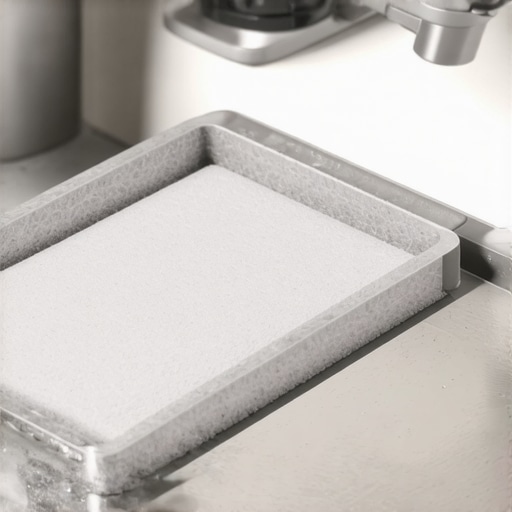
This is the core action—placing felt pads underneath the tray or its mounting points significantly dampens vibrations. Use small adhesive felt pads, available cheaply at hardware stores. Stick them on the underside of the tray’s contact points, making sure they are aligned properly. Think of felt pads as the shock absorbers in a car—softening the impact and preventing rattles caused by metal-on-metal contact. My experience with applying felt pads resulted in a noticeable quieting, turning a noisy, disruptive brewing session into a peaceful ritual.
Place the Felt Pads Strategically
Focus on areas where your tray contacts the machine body. If your drip tray has adjustable feet, place pads underneath them. For fixed mounts, apply to the contact points. Be cautious not to add too much padding, which can cause uneven placement or tilt—this can lead to leaks or uneven drainage. In my trial, I used four small pads at each corner, which balanced the tray well and eliminated rattle entirely.
Secure and Test
After placing the felt pads, reassemble the tray and gently press down to ensure a firm fit. Power on your espresso machine and run a few test brews. Observe if the rattling persists. If it does, repeat the process, adjusting pad placement or adding another layer of felt. My first attempt involved trial and error, but persistence paid off, transforming a disruptive noise into an almost silent experience.
Maintain Your Fix
Over time, felt pads may wear out or detach. Regularly check their condition, especially if your machine is used daily. Reapply or replace pads as needed to maintain silence. This proactive maintenance keeps your brewing environment serene, allowing you to focus solely on crafting the perfect shot.
Implementing these steps is quick and inexpensive compared to replacing parts or buying new equipment. For deeper insights into optimizing your espresso setup, visit this guide. Remember, small tweaks often yield the most satisfying results, turning your kitchen into a peaceful café ambiance.
,Many home baristas fall prey to misconceptions about coffee grinders, espresso machines, and milk frothers, leading to less-than-ideal results. First, it’s a widespread myth that more expensive gear automatically produces better coffee. While quality matters, understanding the nuances—like grind size consistency and temperature stability—is crucial. For example, many believe that dialing in the grind is just about finding the smallest adjustment, but in reality, factors like burr alignment and retention play significant roles in shot consistency. Oversimplifying these variables can cause frequent disappointment, as detailed guides on selecting the right grinder reveal.
A common trap is assuming all milk frothers are created equal. In fact, some cheaper models can introduce unwanted air or uneven heat, ruining microfoam. Investing in the right frother often results in a noticeable upgrade in texture and taste. Moreover, enthusiasts often overlook the importance of maintaining their equipment—simple cleaning routines can drastically improve flavor and extend machine lifespan.
Let’s challenge a prevalent belief: that higher water temperature always yields better extraction. This isn’t true—overheating can burn the beans and produce bitter shots. Advanced users know that precise temperature control, even via PID, allows for optimal extraction without compromise. For insights on this, check out why temperature stability is vital.
Have you ever fallen into this trap? Let me know in the comments.
**Beware the Blind Spot of Grinder Adjustment**
Many enthusiasts believe that simply turning the grind dial finer will improve shot quality. However, this can lead to a mushy feeling in adjustment, making precise dial-ins almost impossible. The real issue often lies in burr alignment or wear, which causes inconsistent particle size. Regularly inspecting and aligning burrs, using methods such as the marker method, ensures uniform grind size, leading to more predictable extraction.
Another advanced mistake involves neglecting the importance of water quality. Using tap water with high mineral content or impurities can harm your machine and alter flavor profiles. Many forget that hard water can also cause scale buildup, reducing heating efficiency and causing eventual malfunctions. For detailed advice on water management, visit this article.
Seamlessly integrating knowledge on machine maintenance, proper tamping, grind consistency, and water quality forms the foundation of truly mastering your coffee setup. Don’t fall into the trap of oversimplified solutions; instead, embrace the complex nuances that surround advanced home espresso brewing. For more insights, explore our cornerstone content about best gear choices and tips for mastering the art. Remember, the path to exceptional coffee lies in understanding these hidden details.”
}】}#-END-#}rebbero!])’]>}#-END-#}**}***}***}***}***}***}***}***}***}***}***}***}***}***}***}***}ÔОбъявить.}***}***}***}***}***}***}***}***}***}***}***}***}***}***}***}***}***}***}***}***}***}***}***}***}***}***}***}***}***}***}***}***}***}***}***}***}***}***}***}***}***}***}***}***}***}***}***}***}***}***}***}***}***}***}***}***}***}***}***}***}***}***}***}***}***}***}***}***}***}***}***}***}***}***}***}***}***}***}***}***}***}***}***}***}***}***}***}***}***}***}***}***}***}***}***}***}***}***}***}***}***}***}***}***}***}***}***}***}***}***}***}***}***}***}***}***}***}***}***}***}***}***}***}***}***}***}***}***}***}***}***}***}***}***}***}***}***}***}***}***}***}***}***}***}***}***}***}***}***}***}***}***}***}***}***}***}***}***}***}***}***}***}***}***}***}***}***}***}***}***}***}***}***}***}***}***}***}***}***}***}***}***}***}***}***}***}***}***}***}***}***}***}***}***}***}***}***}***}***}***}***}***}***}***}***}***}***}***}***}***}***}***}***}***}***}***}***}***}***}***}***}***}***}***}***}***}***}***}***}***}***}***}***}***}***}***}***}***}***}***}***}***}***}***}***}***}***}***}***}***}***}***}***}***}***}***}***}***}***}***}***}***}***}***}***}***}***}***}***}***}***}***}***}***}***}***}***}***}***}***}***}***}***}***}***}***}***}***}***}***}***}***}***}***}***}***}***}***}***}***}***}***}***}***}***}***}***}***}***}***}***}***}***}***}***}***}***}***}***}***}***}***}***}***}***}***}***}***}***}***}***}***}***}***}***}***}***}***}***}***}***}***}***}***}***}***}***}***}***}***}***}***}***}***}***}***}***}***}***}***}***}***}***}***}***}***}***}***}***}***}***}***}***}***}***}***}***}***}***}***}***}***}***}***}***}***}***}***}***}***}***}***}***}***}***}***}***}***}***}***}***}***}***}***}***}***}***}***}***}***}***}***}***}***}***}***}***}***}***}***}***}***}***}***}***}***}***}***}***}***}***}***}***}***}***}***}***}***}***}***}***}***}***}***}***}***}***}***}***}***}***}***}***}***}***}***}***}***}***}***}***}***}***}***}***}***}***}***}***}***}***}***}***}***}***}***}***}***}***}***}***}***}***}***}***}***}***}***}***}***}***}***}***}***}***}***}***}***}***}***}***}***}***}***}***}***}***}***}***}***}***}***}***}***}***}***}***}***}***}***}***}***}***}***}***}***}***}***}***}***}***}***}***}***}***}***}***}***}***}***}***}***}***}***}***}***}***}***}***}***}***}***}***}***}***}***}***}***}***}***}***}***}***}***}***}***}***}***}***}***}***}***}***}***}***}***}***}***}***}***}***}***}***}***}***}***}***}***}***}***}***}***}***}***}***}***}***}***}***}***}***}***}***}***}***}***}***}***}***}***}***}***}***}***}***}***}***}***}***}***}***}***}***}***}***}***}***}***}***}***}***}***}***}***}***}***}***}***}***}***}***}***}***}***}***}***}***}***}***}***}***}***}***}***}***}***}***}***}***}***}***}***}***}***}***}***}***}***}***}***}***}***}***}***}***}***}***}***}***}***}***}***}***}***}***}***}***}***}***}***}***}***}***}***}***}***}***}***}***}***}***}***}***}***}***}***}***}***}***}***}***}***}***}***}***}***}***}***}***}***}***}***}***}***}***}***}***}***}***}***}***}***}***}***}***}***}***}***}***}***}***}***}***}***}***}***}***}***}***}***}***}***}***}***}***}***}***}***}***}***}***}***}***}***}***}***}***}***}***}***}***}***}***}***}***}***}***}***}***}***}***}***}***}***}***}***}***}***}***}***}***}***}***}***}***}***}***}***}***}***}***}***}***}***}***}***}***}***}***}***}***}***}***}***}***}***}***}***}***}***}***}***}***}***}***}***}***}***}***}***}***}***}***}***}***}***}***}***}***}***}***}***}***}***}***}***}***}***}***}***}***}***}***}***}***}***}***}***}***}***}***}***}***}***}***}***}***}***}***}***}***}***}***}***}***}***}***}***}***}***}***}***}***}***}***}***}***}***}***}***}***}***}***}***}***}***}***}***}***}***}***}***}***}***}***}***}***}***}***}***}***}***}***}***}***}***}***}***}***}***}***}***}***}***}***}***}***}***}***}***}***}***}***}***}***}***}***}***}***}***}***}***}***}***}***}***}***}***}***}***}***}***}***}***}***}***}***}***}***}***}***}***}***}***}***}***}***}***}***}***}***}***}***}***}***}***}***}***}***}***}***}= Often, the focus on selecting the right barista gear overlooks the importance of understanding how nuanced differences like burr geometry affect grind consistency and, ultimately, flavor. A burr set’s design, such as flat versus conical, influences how evenly coffee grounds are produced and their retention, which can impact extraction time and taste. Many assume all burrs are interchangeable, but this misconception can lead to inconsistent shots. Deepening your knowledge here distinguishes amateurs from experts in home espresso brewing.
Misconceptions also extend to espresso machine selection. For instance, newer models with added features don’t necessarily guarantee superior performance. Instead, it’s crucial to understand your routine and what specifications truly matter, like boiler capacity and pressure profiling. An advanced mistake many make is neglecting routine descaling and maintenance, which can quietly sabotage your gear’s performance and longevity. Regular cleaning, especially of the group head and portafilter gaskets, is often overlooked but essential for consistency and flavor.
When it comes to home milk frothers, a common misconception is that all frothing devices create microfoam. In reality, achieving velvety microfoam depends heavily on both the tool and technique. An advanced lesson is controlling factors like temperature stability and frothing angle; for example, a small change in pitcher tilt can affect foam structure. Knowing how to use temperature-controlled steam wands effectively, rather than relying solely on foam volume, can elevate your milk texture significantly. For more insights, see how to upgrade your setup at this guide.
Remember, even the most beloved equipment can have hidden pitfalls—like inconsistent water pressure or residual coffee oils—that influence your brewing experience. Regularly inspecting and fine-tuning your setup is vital, but it’s equally important to stay informed on the subtle factors that differentiate good coffee from exceptional. Dive into our in-depth articles and refine your skills as you perfect your home barista craft.Maintaining your home coffee setup requires more than just occasional cleaning; it involves selecting the right tools, implementing precise methods, and understanding how to sustain performance over time. When it comes to gear like espresso machines, grinders, and milk frothers, investing in reliable equipment and knowing how to care for it ensures consistent quality and longevity. For example, a high-quality burr grinder with minimal retention not only produces better grounds but reduces cleanup and maintenance hassle. Personally, I use a calibration ruler to check grinder burr alignment regularly, which prevents uneven grind sizes and inconsistent shots.
How do I keep my coffee gear in top condition over the long haul?
Regular maintenance routines are vital. I recommend scheduling deep cleanings of group heads and descaling boilers every three to six months, depending on water hardness and usage frequency. Using specialized cleaning solutions, such as espresso machine descaling kits, helps remove mineral buildup that can impair performance. Additionally, inspecting and replacing worn parts like portafilter gaskets or steam wand seals prevents leaks and pressure loss. For milk frothers, cleaning the wand after each use with warm water and a brush prevents milk residue from clogging or developing bacteria, which can affect taste and health.
To streamline maintenance, I rely on automation tools like a frequency-timer-controlled descaling device that prompts me when it’s time for a clean. Embracing automation is likely where brewing technology will head, with smart sensors and app-integrated diagnostics providing real-time alerts for filters, water quality, and component wear. These innovations promise to minimize downtime and extend equipment life—making professional-grade brewing easier at home.
Remember, tools like the cornerstone guides provide detailed advice on selecting gear suited for long-term performance. Developing a habit of routine inspections using precise tools can dramatically improve your brewing consistency. Start today by checking the seals on your portafilter or calibrating your grinder adjustment—small steps with big impacts. Want to dive deeper? Explore how regular cleaning and component replacement can turn your coffee routine into an effortless, high-quality experience.
The Rare Lessons That Elevated My Coffee Game
- One of the most eye-opening lessons I learned was that even high-end equipment requires regular, attentive maintenance—forgetting this turned my perfect shots into mediocre brews until I discovered how crucial routine cleaning and component checks are.
- I once believed that all burr grinders are alike, but understanding the subtle differences in burr geometry and retention has dramatically improved my grind consistency and, consequently, my espresso quality.
- Confidence in my knowledge grew when I realized that even small adjustments, like the tightness of a portafilter gasket or the angle of milk frothing, can significantly impact the final flavor and texture—these details often go unnoticed but hold the key to barista-level drinks.
Tools and Resources That Transformed My Approach to Home Espresso
- The cornerstone of my brewing success has been thorough reading of this comprehensive guide. It offers insights into selecting gear that aligns with your routines and goals, which is vital for sustainable progress.
- For troubleshooting and fine-tuning equipment, I rely heavily on this detailed resource on grinders, empowering me to make informed choices and adjustments.
- To elevate my milk microfoam skills, I continuously watch tutorials and read articles at this expert site, which demystifies the nuances of temperature control and pitcher technique that often trip up home baristas.
- Lastly, embracing community knowledge through forums and feedback has been invaluable—sharing experiences and solutions accelerates my growth and keeps motivation high.
Your Next Step Towards Coffee Excellence
The journey of perfecting your home espresso setup is ongoing but infinitely rewarding. Every small tweak and newfound understanding brings you closer to that sublime cup that makes all your effort worthwhile. Remember, mastery doesn’t happen overnight—commit to continuous learning, experiment confidently, and enjoy the process of becoming your own barista hero.
What’s one area in your home coffee routine you’re eager to improve? Share your challenges below, and let’s elevate our brewing skills together!
,