Why Your Espresso Machine is Making a High-Pitched Noise
Have you ever been eagerly preparing your morning espresso only to be greeted by an unexpected high-pitched squeal from your machine? I remember the first time this happened to me; I felt a jolt of frustration, thinking my beloved espresso had suddenly become a source of auditory torture. That shrill sound seemed to echo through my kitchen, turning what should have been a calm, coffee-filled moment into a mini chaos. It was a lightbulb moment for me—something was off, but I didn’t know exactly what was causing it.
Decoding the Chirping: Why Does Your Espresso Machine Scream?
In my journey to fix this annoyance, I discovered that this high-pitched noise is more common than many realize. It often signals that something in the machine isn’t quite right, ranging from minor issues like mineral buildup to more complex mechanical problems. Understanding why your espresso machine makes that squeal can save you from unnecessary stress and potentially costly repairs.
Is Your Machine’s Noise Truly Worth Worrying About?
Initially, I thought that the noise was just a quirky feature—a sort of vintage charm. But I soon learned that ignoring it could lead to more serious damage, reducing your machine’s lifespan and affecting the quality of your brew. I once ignored a similar squeal and ended up replacing parts that could have been saved if caught early. For reassurance, experts say that some noises are normal, but persistent high-pitched sounds usually indicate a problem that needs attention. Want to learn how to identify what’s going on? Check out this guide to understanding pressure issues—many noise problems stem from pressure inconsistencies.
So, what does this mean for you? Well, in the sections ahead, I’ll walk you through common causes of that screech and, more importantly, how to troubleshoot and resolve them. If you’re tired of the ear-piercing sounds disrupting your coffee routine, you’re in the right place. Let’s get started on restoring your machine’s harmony and getting that perfect shot—without the noise pollution.
Check and Clean Your Coffee Grinder
The most common source of that shrill noise is the grinder, especially if it’s a burr grinder. Use a soft brush or compressed air to remove coffee grounds lodged in the burrs, which can cause high-pitched squealing. Remember, a good grinder needs regular maintenance. I once ignored my grinder’s noise, and after a quick clean, the squeal disappeared, improving grind consistency.
Inspect the Portafilter and Basket
Unclog or adjust your portafilter and basket to ensure proper fit. A loose basket can vibrate, producing noise and affecting extraction. Remove the portafilter, clean thoroughly with a damp cloth, and make sure the basket seats snugly. I had a pop-up issue where my basket was slightly misaligned; realigning it cut down on the squealing and improved shot quality.
Clean the Shower Screen and Group Head
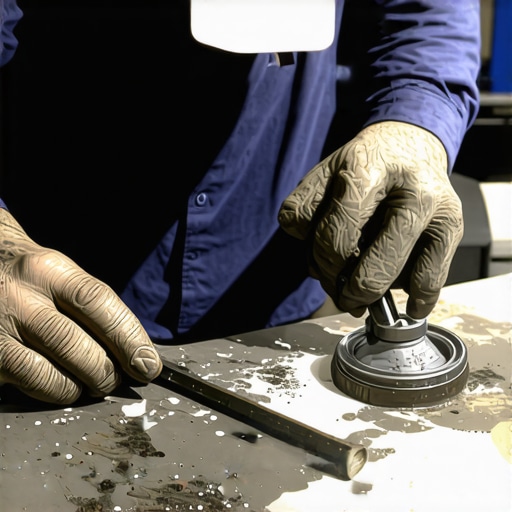
Residual coffee oils, scale, and gunk can cause the shower screen to clog or vibrate at high frequencies. Disassemble the group head, soak the shower screen in espresso machine cleaner, and scrub with a small brush. This not only silences the squeak but also ensures even water flow. I found that a weekly cleaning routine kept my machine whisper-quiet and brewing perfectly.
Verify Water Pressure and Pump Functionality
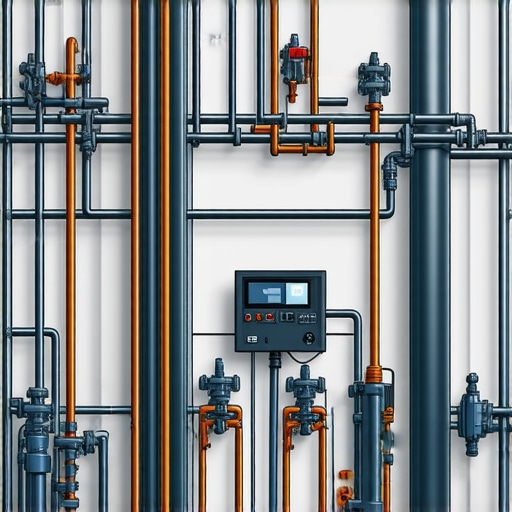
High-pitched noises often emanate from the pump, especially if it struggles under pressure. Use a pressure gauge to measure your machine’s water pressure; ideal pressure is typically 9 bar. If pressure is too high or inconsistent, consult your machine’s manual or contact a technician. I once adjusted my pump pressure slightly after reading this guide, which reduced pump noise significantly.
Lubricate Moving Parts Carefully
Some machines have moving parts that need lubrication. Use food-safe machine oil sparingly on pivot points or levers, following the manufacturer’s instructions. Be cautious; over-lubrication can attract dirt. When I applied a tiny amount to my steam wand hinge, the noise decreased, and operation felt smoother.
Assess and Replace Worn Belts or Parts
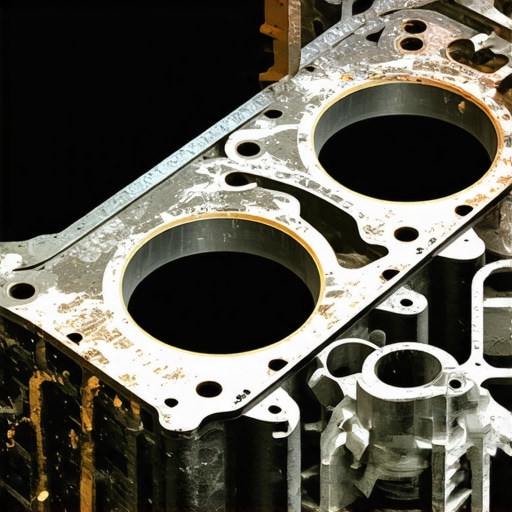
If all else fails, worn belts, gaskets, or seals may cause vibrations and squeals. Inspect these components for signs of wear and replace as needed. Perform this step cautiously or seek professional help. After replacing a worn gasket, my machine ran silently again, saving me the cost of a new unit in the long run.
Each of these steps targets a specific source of that irritating squeal. Regular maintenance and early detection are key to keeping your espresso machine humming peacefully, ensuring you can enjoy your coffee without the unexpected symphonies of distress. Interested in deeper maintenance techniques? Check out this comprehensive guide for beginners to master your machine’s care.
In the world of specialty coffee, there’s a common misconception that more expensive or trendy equipment automatically elevates your brew. However, even seasoned enthusiasts often overlook nuanced details that make a real difference. For example, many believe that a fancy, high-end espresso machine will compensate for subpar grind consistency or improper tamping—placing the focus on equipment price rather than technique. This is a trap, because optimal extraction hinges on understanding the equipment’s quirks and proper maintenance, not just its price tag.
Are You Wasting Money on Gear Without Knowing Its True Limits?
Many coffee lovers invest heavily in shiny gadgets, assuming that top-tier gear guarantees perfect shots. While quality gear is essential, ignoring grinder choice and settings often results in bitter, under-extracted coffee. Furthermore, assuming that milk frothers alone will create latte art without mastering milk texturing is a mistake. Even advanced frothers can’t mask poor technique.
One sneaky nuance many overlook involves the hidden impact of equipment maintenance on your brew quality. Regularly cleaning your portafilter, shower screen, and boiler components ensures consistent water flow and temperature stability. Neglecting this can cause uneven extraction, resulting in sour or bland espresso—regardless of your machine’s capabilities. As pressure issues often stem from overlooked grime and scale buildup.
Turning to grinders, many enthusiasts focus solely on the burr material or branding, but the fine-tuning of grind size and distribution is a nuanced art. A burr grinder’s motor can heat our coffee grounds, which can subtly alter essential oils, affecting aroma and flavor. According to a study published in the Journal of Food Science, even small temperature increases during grinding can diminish freshness and sensory qualities. That’s why the proper grinder calibration for your specific beans and roast level is crucial—and often neglected.
Finally, let’s not forget the mastery behind milk frothing. Many overlook that achieving microfoam—a must for latte art—is more about technique than equipment. Using correct steaming motion and temperature control beats relying solely on high-end frothers. In fact, investing in a good-quality steam wand without learning proper aeration can lead to a thick, untextured mess.
Have you ever fallen into this trap? Let me know in the comments. The key takeaway is that understanding the nuances and limitations of your gear is just as vital as owning it. Proper maintenance, calibration, and technique bring those high-end tools to life, enabling you to brew like a true barista at home.
Maintaining your home espresso gear isn’t just about cleanliness; it’s about ensuring consistent quality and extending the lifespan of your investment. I personally swear by a few specialized tools that have transformed my routine, and I recommend them to any coffee enthusiast serious about precision and longevity.
Invest in a Quality Calibration Kit
Precision begins with accurate measurements. A digital coffee scale, like the precision digital scale, allows me to consistently dose my coffee and monitor extraction time. Regular calibration—checking the scale against a known weight—ensures that every shot is reproducible. As the trend in home brewing shifts towards greater accuracy, tools like these help bridge the gap between amateur and professional quality.
Implement a Deep Cleaning Schedule with Specialized Solutions
Over time, mineral deposits and coffee oils build up, especially in boilers and internal components. I rely on descaling solutions designed specifically for espresso machines, such as CLR or Urnex Fullers Speed Clean. These products dissolve scale without damaging delicate parts. Routine disassembly, soaking, and brushing—guided by expert advice—cut down on corrosion risks and keep performance steady. For detailed methods, check out this resource.
Upgrade Your Grinders with Proper Maintenance Tools
A clean, well-calibrated grinder is essential for quality espresso. I have found that a dedicated burr cleaning brush not only makes the process easier but also extends the life of my burrs. For stubborn grounds in the burrs, I use a small compressed air canister to blow away waste—an inexpensive yet effective tool. Regularly replacing worn burrs (based on the manufacturer’s specs) prevents inconsistent grinds and reduces wear on the motor. Ever wondered how to tell if your grinder’s motor is struggling? Expert insight suggests listening for unusual noises or slow feeding, which might signal a need for a component check or replacement.
Extend Your Equipment’s Life with Proper Storage and Handling
Proper storage can prevent dust and humidity from damaging delicate parts. Keep your portafilter and filters in a dry, dedicated container—this simple step maintains cleanliness and readiness. Additionally, a dedicated water filter reduces buildup inside the boiler and reduces scale formation, which is critical as pressure issues often arise from mineral deposits. Taking these steps consistently can dramatically improve the long-term reliability of your equipment.
Looking Ahead: Automated Maintenance and Smart Tools
In the future, I predict a surge in smart, app-connected cleaning systems and automated descaling devices that monitor performance and alert you when maintenance is needed. Already, some brands incorporate sensor-driven diagnostics into their machines—making maintenance almost plug-and-play. For now, integrating simple but effective tools like a calibrated scale and proper cleaning solutions will set a strong foundation.
Remember, consistency in maintenance is key. Try setting a weekly routine, including calibration checks and cleaning tasks. For example, regularly cleaning your group head and shower screen not only maintains water flow but also prevents high-pitched squeals—much like the ones discussed earlier. A detailed guide on this process is available here. So, grab that precise scale, schedule your weekly clean, and watch your espresso quality—and machine longevity—improve remarkably.
Over the years, I’ve realized that the most profound lessons about barista gear and espresso machines aren’t found in manuals or trendy videos—they’re experienced, often through trial, error, and a fair share of goofy mistakes. Sharing these revelations has helped me refine my craft and enjoy my coffee routine more deeply.
The Hardest Lesson I Learned About Home Espresso Equipment and Maintenance
I once believed that owning a top-of-the-line espresso machine was enough for perfect shots. Turns out, regular deep cleaning and calibration are non-negotiable. Skipping routine maintenance led to clogged valves and bitter brews, teaching me that even premium gear needs love and attention to perform at its best. Now, I schedule weekly cleanings and use a calibration kit to keep everything aligned, which has dramatically improved my espresso quality.
3 Myths About Coffee Grinders and Milk Frothers That Held Me Back
I used to think that expensive grinders automatically produced perfect grounds, and that all frothers could compensate for poor technique. Both are misconceptions. Proper grinder calibration and consistent rest time after grinding became game-changers for me. Similarly, mastering milk texturing with good technique beats relying on high-end frothers alone. Understanding these nuances unlocked richer flavors and creamier microfoam in my drinks.
What Experts Won’t Tell You About Equipment Longevity and Performance
One insider secret is that keeping your grinder’s burrs clean and replacing them when worn preserves flavor and consistency. Many overlook that internal components like gaskets and seals also impact performance—worn parts can cause vibrations and squeals, but a quick replacement can resolve these issues. Learning to identify early signs of wear saved me from costly repairs and extended my gear’s lifespan.
Curated Picks for Serious Coffee Enthusiasts
My toolkit includes a precision digital scale—crucial for consistent dosing and extraction timing. I trust brands like [this scale](https://espressotechguide.com/mastering-the-art-of-home-espresso-tips-for-beginners) for reliability. For cleaning, I rely on descaling solutions like Urnex, which keep internal parts free of mineral buildup. My burr cleaning brush clears grounds from grinders efficiently, ensuring smooth operation. Lastly, a high-quality calibration kit helps me fine-tune my espresso machine, turning good shots into great ones. These tools are trusted because they deliver measurable results and prolong my gear’s life.
Seize Your Coffee Journey: Small Changes, Big Impact
The future of home espresso is bright and within reach. Embracing consistent maintenance, precision tools, and a mindset of continuous learning will elevate your brewing game. Remember, even the most sophisticated equipment needs your attention and care to truly shine. So, give yourself permission to experiment, learn, and enjoy the process—your perfect cup is just a few mindful steps away.
What’s the biggest lesson you’ve learned about caring for your barista gear? Share your story below—I love hearing how fellow coffee lovers optimize their setups!
,