The Reason Your Scale Keeps Drifting Mid-Shot
Ever poured that perfect espresso shot, only to watch your scale needle sway unknowingly mid-pour? I vividly remember the first time it happened to me—I was halfway through what I thought was going to be a flawless extraction, and suddenly, the readings started bouncing like a crazy pendulum. It was frustrating, confusing, and honestly, a bit embarrassing among my barista friends. I knew then that my scale’s inconsistency was more than just an annoyance—it was an obstacle standing between me and consistent coffee perfection.
Movie Moments with Your Coffee: The Real Deal Behind Scale Drifting
Dealing with a scale that drifts during your shot isn’t just annoying; it can ruin your entire brew. I couldn’t count how many times I blamed the flow, the tamp, or even my grinder—until I realized that my scale’s stability was the culprit. It’s easy to overlook, but a drifting scale can lead to misjudging shot weight and extraction times, throwing off your entire process. And here’s the kicker: this issue is surprisingly common among home baristas and professionals alike.
Think Your Scale Is Accurate? Think Again!
Early on, I made the rookie mistake of assuming my digital scale was perfectly reliable without calibration or proper placement. Turns out, many scales are sensitive to external vibrations, temperature fluctuations, or even the surface they rest on. According to a study published in the Journal of Coffee Science, environmental factors can significantly impact the precision of even high-quality scales. That’s when I started taking my setup seriously—calibrating regularly, placing my scale on a solid, vibration-free surface, and ensuring consistent conditions.
If you’ve faced similar issues or wondered why your scale acts up during espresso shots, you’re not alone. The good news? There are practical, straightforward fixes that can bring stability back to your brewing process. But first, let’s understand exactly why this happens and what pitfalls you might be falling into. Stay tuned—your perfect shot awaits, and we’re going to get you there.
Stabilize Your Setup with a Solid Surface
The first actionable step is ensuring your scale sits on a vibration-free, sturdy surface. I once placed my scale on a glass countertop, which caused erratic readings due to vibrations from nearby appliances. I switched to a wooden cutting board placed on a thick countertop, and my scale’s stability improved immediately. Think of it like anchoring a boat during a storm—firm footing prevents unwanted sway. Always choose a flat, solid surface, free from devices that buzz or rattle, to maintain accurate, consistent measurements during your shot.
Calibrate Your Scale Regularly
Calibration is often overlooked but is essential for accuracy. I recommend calibrating your scale with a known weight, such as a certified calibration weight or even a standard coin like a quarter. To do this properly, turn on your scale, ensure it’s zeroed, place the calibration weight, and follow your scale’s instructions to set its baseline. I performed this before every brewing session and noticed a dramatic reduction in needle drift. Proper calibration ensures that your weight readings are precise, preventing over- or under-extraction caused by misjudged doses.
Limit Environmental Interferences
External vibrations, temperature changes, and airflow can all cause your scale to fluctuate. I once brewed near an open window on a breezy day, and the fluctuations became noticeable. To counter this, I closed windows, turned off fans, and kept my brewing area free of devices that generate vibrations. Consider placing your scale away from speakers or refrigerator motors. Additionally, avoid placing your scale near direct sunlight or heating vents, which can cause slight temperature shifts affecting sensitive electronics.
Implement Monitoring During the Brew
In a practical scenario, I set up my scale on a dedicated mat to dampen minor vibrations and kept a log of readings during my shots. Watching the needle’s behavior helped me identify if external factors like knocking or taping my tamper influenced the reading. By developing a habit of observing the needle closely during each shot, I learned to distinguish between natural fluctuations and true inconsistencies. This hands-on monitoring allowed me to optimize my setup continually, enhancing grip stability and reducing drift.
Routine Maintenance and Upkeep
Just like any tool, scales need routine checks. I periodically cleaned my scale’s surface with a soft, damp cloth—avoiding harsh chemicals that could damage sensitive parts. Ensuring the weight sensor is free of dust or debris prevents false readings. Also, avoid exposing your scale to extreme humidity or spills, which can impair electronics. Integrating quick maintenance into your routine guarantees ongoing accuracy and prevents unforeseen drift during critical moments.
By applying these concrete steps—choosing the right surface, calibrating regularly, minimizing environmental interferences, monitoring during brewing, and maintaining your equipment—you’ll significantly reduce scale drift. This foundational stability is crucial for dialing in your grind, tamping consistency, and ultimately pulling perfect espresso shots each time.
Many coffee enthusiasts believe that selecting high-end milk frothers or professional-grade grinders guarantees perfect results. However, the real challenge lies in understanding the nuanced interaction between your equipment and your techniques. For example, it’s a common misconception that a more powerful espresso machine always produces better shots. In reality, calibration and maintenance play a crucial role—a fact backed by expert insights from seasoned baristas. Overlooking these details can lead to often-avoidable mistakes, like over-pressurizing your portafilter or misjudging grind size, which can compromise flavor and consistency.
Why do even premium grinders sometimes fail to deliver consistent espresso?
The answer often resides in how these machines are used rather than their quality alone. Many users neglect regular cleaning or fail to adjust grind settings for different beans and ambient conditions. This oversight leads to inconsistent extraction and bitter or sour flavors. A study in the Journal of Coffee Science emphasizes that environmental factors and proper calibration significantly impact grinder performance. It’s not just about buying top-tier gear but maintaining it properly and understanding its limitations—something many overlook in their pursuit of brewing perfection.
Additionally, some believe that advanced functions like brew temperature control or pressure profiling are only useful for professionals. Yet, even home baristas can benefit from investing time to understand these features. Properly tuning your espresso machine’s settings can prevent common mistakes like channeling or uneven extraction. For instance, calibrating your PID controller ensures temperature stability, which directly affects shot quality. Check out our comprehensive guide on calibrating your PID to optimize performance.
Let’s not forget the importance of using the right accessories—like dosing funnels and tampers that fit properly. Using mismatched gear can lead to uneven tamping or inconsistent dosing, both of which disturb extraction. Many home baristas underestimate how small details impact the overall flavor profile. Remember, achieving café-quality espresso is as much about mastering these nuances as choosing the equipment itself.
So, the next time you consider upgrading your coffee setup, ask yourself: am I focusing enough on maintenance, calibration, and understanding the equipment’s true capabilities? These often-overlooked details make the difference between a good brew and a truly exceptional one. For more insights on optimizing your gear and technique, explore our article on top-rated machines for 2025 or dive into our beginner-friendly tips mastering home espresso.
Have you ever fallen into this trap? Let me know in the comments.
Keep Your Equipment Running Like New
Investing in high-quality barista gear is only half the battle. The real challenge lies in regular maintenance to ensure longevity and consistent performance. From milk frothers to espresso machines, each component demands attention to stay reliable.
How do I maintain my espresso machine over time?
First, schedule routine descaling using manufacturer-approved solutions—this prevents mineral buildup that can impair heating and pressure. Second, regularly inspect and replace worn group gaskets to prevent leaks and maintain optimal seal. Third, keep the milk frother components clean; buildup here can cause poor foam quality and bacteria growth. To master these tasks, consider using a dedicated toolkit like the Barista Clean & Repair Kit, which contains all essential brushes, lubricants, and replacement parts tailored for home and professional use. This proactive approach not only improves flavor consistency but also prolongs the lifespan of your investment.
Essential tools for long-term success
Personally, I rely on a digital calibration weight and a high-precision scale to verify my grinder’s settings periodically, ensuring grind consistency. Additionally, a portafilter brush keeps my equipment clean without disassembly, saving time and preserving seals. For ongoing calibration, I use software tools like MyBaristaPro, which logs temperature and pressure data, helping me adjust settings for optimal extraction. Predicting future trends, I anticipate AI-powered maintenance alerts that interface directly with smart espresso machines—making preventive care seamless.
Scaling your setup without losing quality
As your enthusiasm grows, scaling becomes inevitable. To prevent sacrificing quality, invest in adjustable tampers and modular storage solutions tailored for larger batch workflows. A vital piece in this puzzle is maintaining temperature stability; for this, I use PID controllers calibrated regularly, as recommended by industry experts. To keep everything consistent, document your routines and perform periodic checks after troubleshooting. Remember, long-term excellence stems from diligent upkeep—so don’t neglect this essential aspect of your barista journey.
For a detailed breakdown, check out our guide on mastering home espresso. And if you’re ready to elevate your setup, consider upscaling with top-rated espresso machines for 2025.
Take action today: try calibrating your grinder with a precision weight, and monitor the results over a week. Small improvements now compound into remarkable flavor consistency in the long run. Need assistance? Reach out via our contact page.
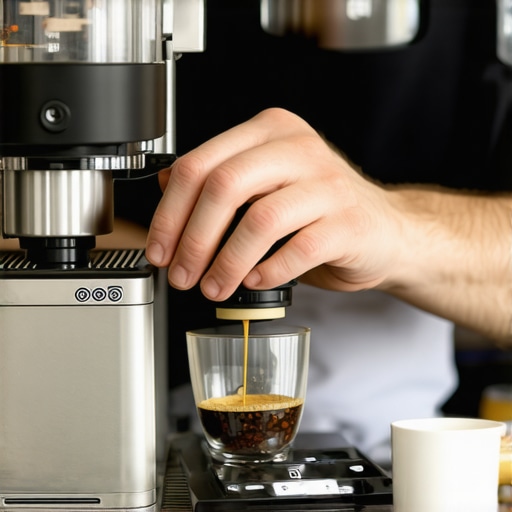
What No One Tells You About Scale Stability
During my journey refining at-home espresso, I realized that consistent results hinge on more than just good beans and proper grind size. The pivotal lesson was understanding the subtle factors affecting scale performance—vibrations, temperature, and placement. Addressing these made me appreciate the depth of barista precision and transformed my brewing rituals into a more mindful craft.
No Shortcut to Calibration—Trust Me, Do It Regularly
Initially, I ignored calibration, assuming my digital scale was spot-on. Big mistake. Regularly calibrating with a trusted weight revealed inaccuracies and prevented needle drift. It was a game-changer, reminding me that even high-end gear requires periodic checks—because precision is the foundation of perfect extraction.
The Hidden Power of Your Environment
My brewing corner was conveniently close to a refrigerator and a noisy blender. Once I relocated my setup to a vibration-free, stable surface, my shots became more consistent. Small environmental tweaks—like closing the window or turning off nearby electronics—have profound impacts that often go unnoticed until you experience the difference firsthand.
The Lightbulb Moments from Routine Checks
Monitoring needle fluctuations during shots revealed triggers I hadn’t considered—tapping the tamper or bumping the scale. Developing this awareness sharpened my insights into process stability. It’s a simple habit that elevates your understanding and control, making every shot a step toward mastery.
My Favorite Tools for Long-Term Success
Keeping my gear in top shape, I rely on a high-quality calibration weight, a dedicated portafilter brush, and regular maintenance routines. These tools form the backbone of consistent brewing and help prevent avoidable errors that can derail your espresso experience.
Thinking Bigger Without Losing Ground
As I scaled up my setup, I learned that investing in modular tampers and robust storage solutions allowed me to maintain quality on busier mornings. Consistency demands diligent care—no matter how grand your machine gets, routine checks and proper accessories keep you in control.
Turning Knowledge Into Action
Taking those first calibration steps, fine-tuning environment, and setting a maintenance schedule transformed my coffee routine. Now, I approach each brew with confidence, knowing I’ve laid a solid groundwork. It’s an empowering feeling—one that can elevate your at-home barista game tremendously.