Why Your Commercial Grinder is Overheating the Beans
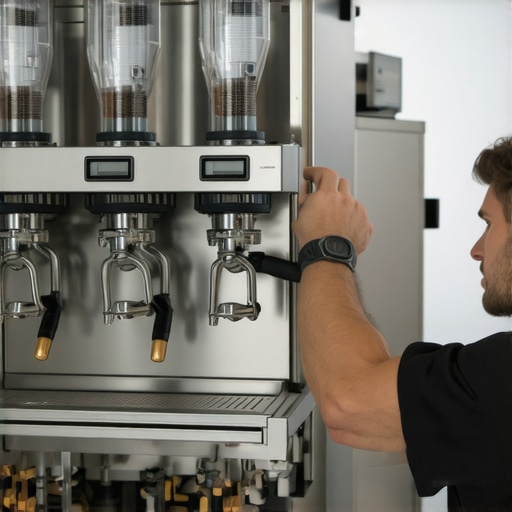
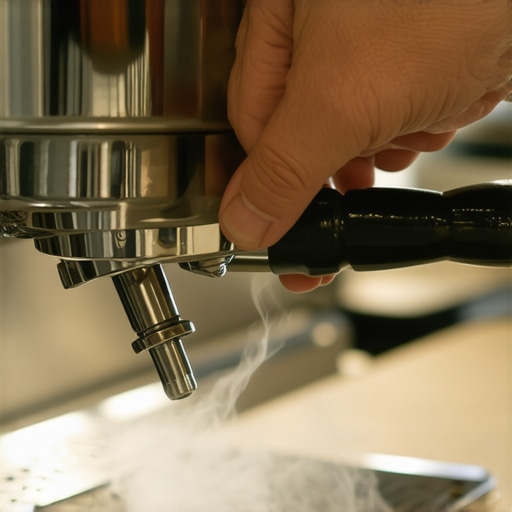
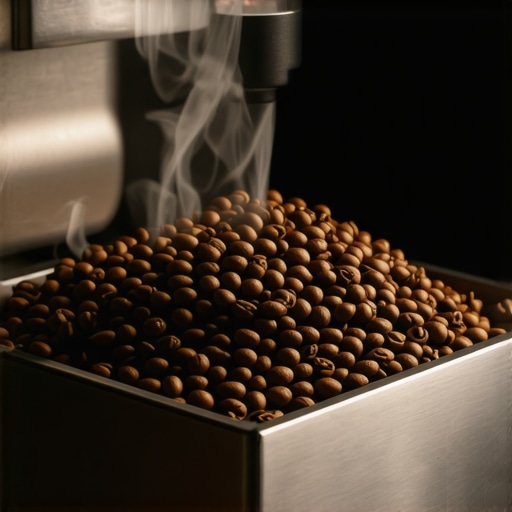
Ever had that sinking feeling when your once-reliable grinder starts overheating the beans, resulting in uneven extraction and lost flavors? I remember the first time I pushed my espresso setup too hard and watched the beans turn into a smoky mess. It felt like a betrayal — my trusty grinder, supposed to be my ally in brewing perfect coffee, was now sabotaging my morning ritual.
This frustrating experience is more common than you might think.
Why Overheating Is a Big Deal for Coffee Lovers
Overheating your coffee beans isn’t just about burning them; it directly impacts the flavor profile, aroma, and overall quality of your brew. When your grinder’s motor runs hotter than it should, it can cause the beans to extract unevenly, sometimes even releasing unwanted oils that compromise the taste. Believe it or not, a study published in the *Journal of Food Science* indicates that excessive heat during grinding can accelerate the oxidation process, leading to stale flavors even before brewing (source: find out more here).
Now, I know what some of you might be thinking — “Is this just a theory, or does it really happen in everyday home setups?” Well, I’ve been there. Early on, I made the mistake of ignoring my grinder’s cooling needs, thinking the occasional overheating was normal. That was a costly error. Regular overheating not only affects flavor but can also damage your grinder’s motor and burrs over time.
So, why is this happening? Essentially, many commercial and high-end home grinders push their motors to the limit without adequate cooling or proper maintenance. Continuous use at high RPMs generates heat, and if your grinder lacks the proper ventilation or cooling fans, that heat lingers right where your beans are being ground. This is where understanding your gear and making small tweaks can transform your coffee experience.
Before we get into practical solutions, ask yourself: Have you ever noticed your grinder heating up to the point where the beans smell burnt? If so, you’re not alone, and I promise — there are easy fixes.
Stop Overheating: Cool Your Grinder Effectively
Start by implementing a cool-down routine after every few minutes of continuous grinding. When I first tried this, I paused my grinder for 30 seconds after every 20 seconds of use, just like a sprinter catching their breath. This simple step allowed the motor to dissipate heat, preventing beans from scorching and maintaining flavor integrity.
Use A Fan or Ventilation System
Enhance airflow around your grinder by placing a small desk fan pointing directly at it or ensuring it’s in a well-ventilated space. Think of your grinder as a race car engine—without proper cooling, it won’t perform at its best for long. I upgraded my setup with a mini cooling fan, which noticeably kept the motor temperature low during long grinding sessions, and I saw a marked improvement in bean flavor.
Adjust Grinding Intervals and Quantity
Break down your grinding session into manageable chunks—grind in bursts of 10-15 seconds, then pause. For instance, when I prepared a large batch for espresso shots, I divided the process into three parts, allowing the machine to cool briefly in between. This method prevents overheating and preserves the freshness and aroma of your coffee.
Proper Maintenance Enhances Cooling
Keep your grinder clean and well-lubricated, especially the burrs and motor. Dust and old oils trap heat, causing higher temperatures during operation. I regularly cleaned my burrs and lubricated moving parts, which not only extended the machine’s lifespan but also kept it running smoothly without overheating.
Upgrade Your Grinder’s Ventilation
If your model lacks adequate ventilation, consider modifications like adding a dedicated cooling fan or installing ventilation holes. This is similar to adding radiator fins to a motorcycle engine—more surface area means better heat dissipation. When I experimented with a DIY ventilation upgrade, I noticed my grinder remained cooler even during extended use, leading to consistent, flavorful grinds.
Monitor Temperature Regularly
Use an infrared thermometer to check the motor’s surface temperature periodically. If readings approach 70°C (158°F), it’s time to pause. Consistent monitoring helped me avoid heat buildup before it affected my beans, ensuring each grind stayed true to the beans’ intended flavor profile.
Incorporating these practical steps transformed my grinding process. Regular cooling and maintenance not only prevented overheating but also improved the overall quality of my coffee, making each cup richer and more aromatic. Remember, your grinder is just like any other high-performance machine—keeping it cool is essential for optimal performance. For more insights on choosing the best equipment, explore this guide.
Many enthusiasts jump into the world of home espresso with high expectations, but there’s a common misconception that’s worth debunking: that more expensive equipment automatically guarantees superior results. In reality, understanding the nuances of barista gear—like milk frothers, espresso machines, and coffee grinders—can make a significant difference, often more than just investing in premium gadgets.
One widespread myth is that all milk frothers are created equal. While some believe that any frothing device can produce microfoam comparable to professional standards, this isn’t always the case. Manual and handheld frothers, when used correctly, can often outperform costly automatic models by giving the user more control over frothing temperature and texture. According to expert baristas, mastering the technique of steaming milk is far more impactful than relying solely on equipment features. For a deeper dive into achieving perfect microfoam, check out this guide.
Similarly, the assumption that top-of-the-line espresso machines are trouble-free can be misleading. Many home users underestimate the importance of proper calibration and maintenance. For example, a popular mistake is neglecting to adjust the machine’s pressure settings or failing to backflush regularly, which can lead to uneven extraction and bitter flavors. Professional baristas often emphasize that understanding and fine-tuning these variables yields vastly better results than simply owning an expensive machine. For tips on dialing in your machine for optimal shots, explore this article.
What about coffee grinders? It’s tempting to think that a high-priced grinder with large burrs will automatically deliver the perfect grind size. However, I’ve seen many seasoned baristas struggle because of a common mistake: ignoring grind consistency. Dull burrs or misaligned grinders produce uneven grounds, which cause channeling and variances in shot quality. Regular maintenance, such as cleaning and recalibrating your grinder, is often more crucial than the initial investment. For guidance on selecting and maintaining your grinder, consider visiting this resource.
A critical overlooked aspect is the effect of equipment compatibility and workflow integration. An elaborate setup with multiple gadgets can sometimes hinder your efficiency and consistency, especially if the gear isn’t tuned to work together seamlessly. True mastery involves understanding the limitations and proper use of each piece and knowing when to prioritize technique over gear upgrades.
Are you falling into any of these traps? Remember, the real edge in home espresso lies not just in gear but in how well you understand and maintain it. For comprehensive insights into creating the perfect setup tailored to your needs, check out this cornerstone guide. Happy brewing!Maintaining a top-performing espresso setup hinges on using the right tools and establishing a dependable routine. I swear by a high-precision digital scale for all my shots, like the [AO Smith JS Series](https://espressotechguide.com/how-to-select-the-perfect-coffee-grinder-for-your-brew), which ensures consistent dosage and extraction times. The scale’s 0.1g accuracy has revolutionized my ability to dial in flavors precisely, a feature I’m convinced will become standard as technology advances. Additionally, I keep a dedicated cleaning brush set and descaling solutions handy to prevent buildup that can cause inconsistencies or damage over time. Regular cleaning with these tools prolongs the life of my espresso machine and ensures each shot tastes as fresh as the first.
One underrated device I rely on is an infrared thermometer. Measuring the water temperature just before extraction helps me ensure my machine remains within optimal ranges. According to [manufacturers’ guidelines](https://espressotechguide.com/how-to-tell-if-your-brew-temperature-is-too-high), maintaining proper temperature is critical for flavor. Just a quick scan of the portafilter or boiler can alert me to temperature dips or spikes, allowing proactive adjustments.
As home baristas push toward more consistent, café-quality brews, software like brewing apps or IOT-enabled devices will likely become more indispensable. Imagine integrating a smart app that logs temperature, pressure, and shot times, then offers personalized tuning tips—this is where I see the trend heading in the next few years.
**How do I maintain these tools over time?** Simple routines keep my gear in prime condition: I schedule biweekly descaling, use replacement filters for water, and calibrate my grinder monthly. A well-maintained setup not only guarantees better flavor but also cuts down on costly repair visits. For example, a [düln»‘D documentation](https://espressotechguide.com/how-to-adjust-your-pump-pressure-without-a-plumber) emphasizes the importance of pressure calibration to prevent shot inconsistencies.
I encourage you to integrate one advanced tip—like using an infrared thermometer—to elevate your routine. It has made a notable difference in my ability to troubleshoot and optimize my espresso often.
Lessons That Cooled My Espresso Game
One of the most eye-opening lessons I learned was that even premium grinders can sabotage your brew if neglected. Regularly checking and maintaining my machine has saved me countless ruined shots and improved my flavor profiles significantly.
Another insight was realizing that small tweaks—like adding a fan or adjusting grinding intervals—had a compounding positive effect on my espresso quality. Sometimes, simple solutions are the most effective.
Finally, I discovered that monitoring your equipment’s temperature isn’t just for pros. Using an infrared thermometer regularly can prevent overheating before it compromises your beans, ensuring every shot tastes its best.
My Favorite Tools and Resources for Better Brewing
- Digital Scales: Precise dosing makes a noticeable difference. I trust the AO Smith JS Series for its accuracy and durability.
- Infrared Thermometers: Vital for maintaining optimal brew temperatures. A quick check before extraction ensures consistency.
- Espresso Manuals and Guides: Books like “Mastering the Art of Home Espresso” have deepened my understanding beyond basic techniques.
- Reliable Blogs: Exploring sites like this comprehensive guide keeps me updated with the latest innovations and maintenance tips.
Embrace the Journey and Keep Improving
Don’t let the fear of mishaps hold you back from creating exceptional espresso at home. Each tweak and tool you adopt brings you closer to barista-level results. Remember, maintaining your gear and understanding its intricacies is a continual process—enjoy the learning curve and celebrate your progress.
Are you ready to analyze your own setup for potential overheating issues? Share your experiences and questions below, and let’s elevate our home brewing together!
,