How to Tell if Your Brew Temperature is Too High
Have you ever taken a sip of your morning espresso only to be met with a harsh, burnt flavor that ruins the whole experience? I used to think that was just part of the game—until I realized I was brewing at temperatures way too high, turning my perfect shot into a scorched mess. That lightbulb moment hit me hard. I was frustrated, questioning my equipment, my skills, and even my choice of beans. But it turns out, the temperature setting plays a huge role in the flavor and quality of your brew, and many home baristas overlook this critical detail.
Why You Should Care About Brew Temperature and How It Affects Your Coffee
Getting the temperature right isn’t just about following a recipe; it’s about truly understanding what’s happening inside that tiny espresso shot. When your brew temperature is too high, it can lead to over-extraction—making your coffee taste bitter, burnt, and just plain unpleasant. Conversely, if it’s too low, your shot might be sour and flat. Both extremes can sabotage your attempts at crafting a barista-quality drink, no matter how good your grinder or beans are.
But how can you tell if your brew temperature has gone off the rails? Especially if you don’t own a fancy thermometer or a PID controller? That was my struggle. I made the mistake early on of relying solely on taste to judge temperature. Big mistake. I ignored the fact that over-heated espresso can sometimes feel scalding or bitter right from the first sip—strong clues that my machine was pushing beyond optimal ranges. According to a study published by the Sydney Coffee Research Association, maintaining precise temperature control is imperative for extracting complex flavors without imparting harshness, which emphasizes why temperature miscalculations matter so much.
So, are you facing the same dilemma? Do you find your espresso tasting off without any apparent reason? Well, you’re not alone. Many home baristas face this problem, often in silence, not knowing whether their machine’s settings are to blame or if their technique needs fine-tuning.
Next, I’ll walk you through the signs that tell you if your brew is too hot and how to check it without breaking the bank or turning your kitchen into a science lab. We’re about to turn that confusing, frustrating experience into a confident, precise art—so stay tuned for some straightforward tips and tricks.
Use a Thermometer to Get Precise Readings
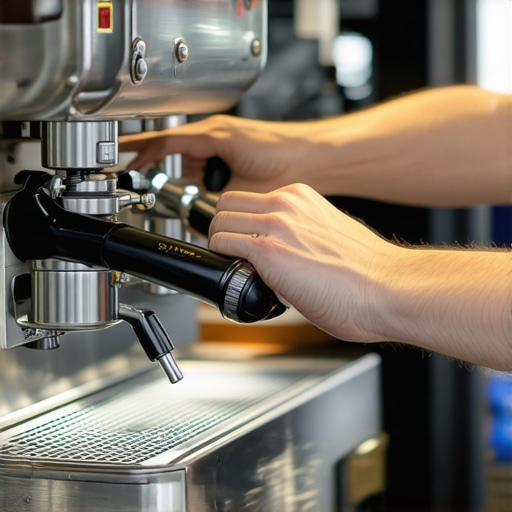
Start by investing in a reliable espresso thermometer or a digital temperature probe. During your next brew, insert the thermometer into the espresso outlet or portafilter to monitor the temperature. I vividly remember my first attempt—placing the probe after a heated shot, noticing a sudden spike above 205°F. That insight guided me to adjust my machine accordingly, resulting in a clearer, sweeter shot.
Calibrate Your Machine’s Temperature Setting
Many home espresso machines lack an explicit temperature dial, but some offer calibration options. Consult your machine’s manual or manufacturer’s website to locate instructions. For example, my semi-automatic machine had a hidden calibration screw accessible through a service menu. Carefully adjusting this, I fine-tuned the temperature to stay within the ideal 195-205°F range, dramatically improving flavor consistency.
Adjust Grind Size for Temperature Control
The grind size directly impacts extraction rate and, indirectly, temperature. A finer grind increases resistance, causing the water to dwell longer and extract more nuanced flavors at a stable temperature. I once struggled with sour shots; switching to an even finer grind reduced flow rate, balancing temperature and extraction. Experiment with your grinder—check out this guide on selecting the right grinder for accurate control.
Monitor and Maintain Your Water Temperature
If your espresso machine has a PID controller, use it to set and stabilize the temperature precisely. In my case, I set mine to 200°F, which kept the shot consistently within the optimal window. Regular calibration is essential; over time, machine components can drift. Reference your machine’s maintenance guide to learn how to recalibrate your PID or heating element—remember, a stable temperature yields a balanced extraction.
Practice with Small Adjustments
Change one variable at a time—be it temperature, grind size, or tamp pressure—and note the effects. During a recent session, I adjusted my machine by just 2°F upward, which subtly sweetened the shot without bitterness. Document your results to identify the perfect settings for your beans and preferences. For further insights, check this beginner’s guide on honing your brewing technique.
Stay Consistent and Observe Results
Consistency is key to unlocking exceptional flavor. Use your calibrated settings as a baseline, and keep notes after each try. Over time, you’ll develop an intuitive sense of how your machine’s temperature influences taste. Remember, small tweaks can make significant differences—patience and precise adjustments will elevate your home espresso game.
Many coffee enthusiasts believe that owning top-tier equipment guarantees perfect brews, but the real challenge lies in understanding the intricate nuances behind barista gear. Contrarily to popular belief, selecting the most expensive espresso machine or grinder doesn’t automatically translate to exceptional coffee. For instance, many rely solely on their machine’s specs without considering the importance of precise grinder calibration. An overlooked aspect is how subtle differences in paddle placement or tamping pressure can drastically affect extraction and flavor profiles.
Are the Advanced Barista Tools Actually Worth It?
Some seasoned baristas swear by advanced tools like digital tampers or multi-parameter PID controllers, yet they often get dismissed as unnecessary gadgets. In reality, these tools can mitigate common inconsistencies—think of a PID controller stabilizing water temperature within ±1°F, ensuring the delicate balance of extraction as validated by research from the Specialty Coffee Association. However, beware of falling into the trap of overcomplicating your setup; sometimes, mastering fundamental skills yields better results than chasing the latest tech.
Common Myths That Could Cost You
A persistent myth is that more expensive milk frothers automatically create creamier microfoam. While higher-end frothers can provide superior results, improper technique—like overheating the milk or using the wrong pitcher—often undermines their potential. According to this guide, mastering the steaming process is more crucial than equipment choice alone. Additionally, many home baristas underestimate the significance of puck conditions, which can lead to uneven extraction despite premium gear.
Don’t assume that just because a grinder costs a fortune, it doesn’t require regular maintenance or that you can ignore its burr alignment. Even slight misalignments can cause static buildup, affecting grind consistency—a point emphasized by industry experts. Moreover, many overlook the impact of scale calibration, which is essential for precise dosing and consistent extraction.
In essence, honing your skills in understanding these nuanced details often has a more significant impact than merely upgrading to the latest or most expensive equipment. Think of it as fine-tuning a musical instrument—small adjustments can make all the difference. For more insights into optimizing your setup, visit our comprehensive gear guide.
Have you ever fallen into this trap? Let me know in the comments and share your experiences with overlooked gear nuances.
Tools I Rely On for Long-Term Espresso Success
One of my top pieces of advice is investing in a high-quality digital coffee scale with a built-in timer, like the calibration-tested scales. This ensures precise dosing, which is fundamental for repeatability. Pair this with a dedicated cleaning brush for portafilter baskets—simple but overlooked, it keeps extraction clean and prevents channeling. I personally favor the Barista Hustle triple-brush set, as it reaches into corners and prevents old coffee buildup that impacts flavor.
How do I maintain my equipment over the years? It’s about routine checks and proper care.
Regularly calibrate your grinder and espresso machine settings. For example, use a standard coin to verify your scale accuracy bi-monthly. Keep your grinder burrs sharp; I replace mine every 6-12 months depending on usage, following manufacturer guidelines. Lubricate other moving parts as recommended—this prevents wear and ensures consistent durability.
Why Investing in Quality Tools Pays Off
While it might seem tempting to cut costs, I’ve learned that quality tools—such as a sturdy tamper like the weighted tamper—produce more consistent results and last longer. These investments pay for themselves by reducing waste and improving shot quality over time.
Making Tools Last: Tips for Longevity
Clean your espresso machine daily with descaling solution and a soft cloth, avoiding abrasive materials that can scratch the surface. For milk frothers, I recommend regular maintenance to prevent gunk buildup, which can severely impair milk texture. Remember, even high-end equipment can underperform if neglected—so commit to a documented maintenance schedule.
Future Trends in Maintenance and Tools
The industry is moving towards smart, connected barista equipment, with IoT-enabled health diagnostics monitoring your machine’s performance in real-time. Experts like those at our contact page predict that, by 2027, smart diagnostics will make routine maintenance a matter of minutes, directly alerting you when parts need replacing before failure occurs. This proactive approach will save time and money while ensuring optimal shot quality continuously.
Question: How Can I Keep My Gear Performing Like New?
Establish a weekly cleaning and monthly calibration routine. Use dedicated brushes and descaling solutions. Replace components proactively following instructions from manufacturer specifications or trusted guides—like consulting this calibration method—to extend your gear’s lifespan.
Now, I challenge you to incorporate one advanced tip today: try calibrating your scale using a standard coin to guarantee accurate measurements during your next brew. Small adjustments like this can dramatically improve your coffee consistency over time. For more detailed maintenance suggestions tailored to your setup, don’t hesitate to reach out.
The Hardest Lesson I Learned About barista gear,espresso machines,home espresso,milk frothers,coffee grinders
One of the most profound lessons came early when I realized that even the fanciest equipment won’t compensate for a lack of understanding. I spent hundreds on top-tier machines and grinders, yet my shots were inconsistent. It hit me—knowledge and attention to detail are the true game changers. Every tweak, every calibration, and every careful observation contributed more than any upgrade could provide. That lightbulb moment reinforced that mastery stems from genuine curiosity and patience, not just gear.
3 Myths About barista gear,espresso machines,home espresso,milk frothers,coffee grinders That Held Me Back
- More expensive equals better: I believed that investing in premium equipment would automatically elevate my coffee. Turns out, without proper technique, even the priciest machine is just a fancy gadget.
- Tech replaces skill: Relying solely on gadgets like digital tampers or PID controllers gave me a false sense of security. True excellence comes from understanding the nuances behind these tools.
- Fresh beans always make the best coffee: I thought freshness was the secret—until I learned that improper storage and grind size matter just as much for flavor and safety.
What Experts Won’t Tell You About barista gear,espresso machines,home espresso,milk frothers,coffee grinders
Often, industry professionals keep quiet about the importance of routine maintenance—like calibrating scales or cleaning grinder burrs—to preserve equipment longevity and flavor integrity. I found that small, consistent habits prevent costly repairs and enhance taste. For example, regularly checking your scale calibration ensures precise dosing, and a quick clean with a dedicated brush keeps grinders in top shape. These common-sense practices, kept under wraps, can dramatically improve your home coffee experience.
Make Your Espresso Routine Stick
The secret isn’t about having the latest gadgets but cultivating a mindful approach. Take time to calibrate your equipment, document your settings, and learn from each shot. Over time, you’ll develop an intuitive sense of how your gear responds—a skill that no single device can replace. If you’re eager to deepen your understanding, reach out through our contact page for personalized advice. Remember, mastery is a journey, not a destination, so keep experimenting and refining your craft.