Why Your Espresso Basket Size Matters More Than the Brand
It was a typical Sunday morning, and I’d just finished dialing in my latest espresso setup. I pressed the button, expecting that rich, crema-laden shot I’d been chasing for days. Instead, what I got was a sputtering mess—bitter, uneven pour, and definite disappointment. Frustration flickered in my gut. That was my lightbulb moment: I’d been obsessing over brands and expensive accessories, but I overlooked one surprisingly simple detail—the size of my espresso basket. That small component turned out to have a massive impact on the quality of my coffee.
Understanding Why Basket Size Can Make or Break Your Espresso
Let me ask you—have you ever wondered why some shots taste flawless and others fall flat, even when using the same beans and grinder? It’s often because of an overlooked factor: the basket size. Many espresso enthusiasts simply pick a basket based on their machine’s brand or aesthetic, assuming bigger is better or that compatibility is the only concern. But that’s a mistake I made early on, and it cost me countless perfect opportunities to perfect my brew. Your basket size influences water flow, pressure, and extraction—all vital elements for that glorious crema and balanced flavor.
If your basket is too small, you might struggle with channeling, where water finds the path of least resistance and skips over some grounds. This results in a weak, under-extracted shot. Conversely, using an oversized basket without adjusting your grind or tamp pressures can lead to over-extraction, giving your espresso a burnt, bitter taste. I learned this the hard way—by ignoring this tiny detail, I was sabotaging my entire process.
Is Focusing on Basket Size Really Worth the Hype?
When I first started my espresso journey, I believed that investing in a well-known brand was enough. I thought that a premium machine or fancy grinder would automatically guarantee great shots. But I soon realized that mismatched baskets and portafilters can negate the benefits of high-end gear. This realization was a wake-up call that shifted my focus. I began to carefully select baskets based on my specific roast level, grind size, and tamping style. This tweak made a noticeable difference—more consistent shots, richer flavor, and a thicker crema.
One mistake I see many newcomers make is ignoring this small but crucial component. A poorly matched basket can be the root cause behind taste issues, despite having the best equipment. Want to learn how to choose the right basket for your needs? Check out our detailed guide on [how to select the perfect coffee basket](https://espressotechguide.com/how-to-select-the-perfect-coffee-grinder-for-your-brew) to unlock better results.
Moving forward, I’ll show you exactly how understanding and optimizing your basket size can elevate your home espresso experience. It’s not about throwing money at the problem but making smarter, targeted choices—just like I did after that early morning disaster. Ready to discover how to turn your coffee routine from a gamble to a guaranteed hit? Stay tuned—your next perfect shot might just depend on this one small detail.
Select the Right Basket for Your Machine
Begin by researching which basket sizes are compatible with your espresso machine. Check the manufacturer’s specifications or consult specialized guides. For instance, if you’re using a machine like the ones listed at top-rated espresso machines in 2025, confirm the basket size recommended. I once upgraded my machine and realized my old basket was mismatched, leading to uneven extraction. So, always start with the correct size to set a strong foundation.
Assess Your Roast and Grind Level
Match your basket size to your coffee roast and grind. Light roasts often need a finer grind and a slightly larger basket to prevent over-extraction, while dark roasts can work with smaller baskets. Adjust your grind size accordingly using your coffee grinder—this is crucial. To find the perfect grind, refer to how to choose the right coffee grinder. In my experience, tweaking the grind even by half a click made a profound difference in shot quality.
Precisely Measure and Distribute Grounds
Using a digital scale, measure your coffee dose accurately—most baskets perform best within specific gram ranges (usually 18-20 grams for double shots). Distribute the grounds evenly using a distribution tool or by tapping the portafilter gently, ensuring no air gaps. I once skipped this step, resulting in channeling and bitter shots. Proper distribution creates an even bed, promoting uniform water flow.
Apply Consistent Tamping Pressure
Use a calibrated tamper to press the coffee evenly with about 30 pounds of pressure. An uneven tamp causes water to flow faster through thinner spots, leading to under-extraction. For consistent tamping, consider using a tamper with an integrated pressure gauge or a tamping mat. I experimented with various tamping techniques, but a steady, level press yielded the most consistent shots, especially when matching basket size to grind and dose.
Adjust Your Machine Settings if Necessary
Once you’ve set the basket size, dose, grind, and tamp, fine-tune your machine’s extraction time and water temperature. Small adjustments can optimize flavor extraction and crema quality. If your shot pulls too fast or slow, revisit your grind size or tamp pressure. Remember, the right basket size combined with proper prep reduces variables and simplifies this calibration process.
Experiment and Fine-Tune
Don’t hesitate to try different combinations of basket size, grind level, and tamping force until you find your sweet spot. Keep notes of each attempt—tracking variables helps identify patterns leading to excellent extraction. I learned this through trial and error, and it drastically improved my consistency. For comprehensive info on dialing in your shots, explore mastering home espresso tips for beginners.
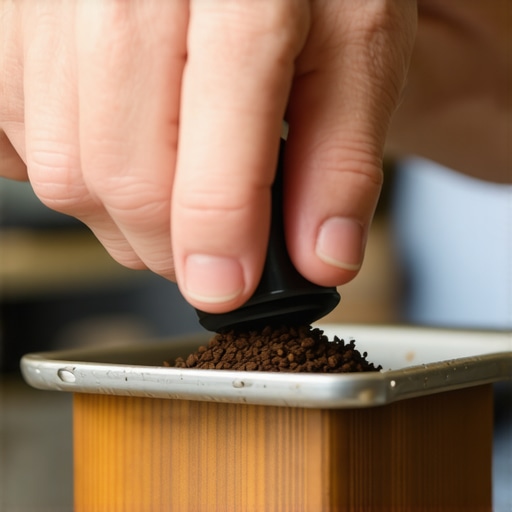 Many enthusiasts believe that owning high-end espresso machines automatically guarantees perfect shots, but this is a misconception. In fact, core skills like consistent tamping and precise grinding matter far more than some think. A frequent trap is assuming that the latest barista gear, such as fancy milk frothers, will elevate your drinks without mastering foundational techniques.
Can Upgrading Your Equipment Really Fix Technique Errors?
In reality, even the best equipment won’t compensate for inconsistent preparation or poor maintenance. For example, a quality milk frother like those reviewed at this guide can enhance texture, but only if your steam wand is clean and your technique is solid. Ignoring regular cleaning, like descaling your espresso machine or cleaning grinder burrs, is a subtle mistake that many overlook. A study by the Specialty Coffee Association emphasizes that consistent cleanliness correlates strongly with better extraction and flavor stability. Furthermore, novice users often think that larger grinders or more powerful pumps will produce superior espresso, but size alone is misleading. What truly matters is proper grind adjustability and consistent dosing, which can be hampered by poorly calibrated or dull burrs. You might find it beneficial to check out this article on how grind consistency affects flavor. An often-overlooked nuance is the quality of the portafilter gasket; a worn or hardened gasket can cause uneven pressure and watery shots—so regular replacement is crucial. On the topic of advanced mistakes, many home baristas neglect to measure and document their shot parameters, leading to repeated errors and frustration. Using tools like a digital scale for dose and a timer for shot duration helps optimize results. If you’re trying to push your results further, consider experimenting with alternative baskets or adjusting your extraction profile—small tweaks that reward meticulousness. If your shots start fast then slow down mid-pull, it might signal channeling or tamping inconsistency, issues that improve with routine checks and calibration. Ultimately, mastering the nuances—like proper cleaning, precise calibration, and understanding equipment limitations—distinguishes a home barista from a casual mug-taker. Have you ever fallen into this trap? Let me know in the comments. For deeper insights, visit our contact page.Maintaining your espresso equipment is crucial for ensuring every shot tastes just as good as the first. Regular cleaning of your grinder burrs with specialized tools like the best grinder cleaning tools can prevent oil buildup and clogged burrs, which diminish grind consistency and flavor. For your espresso machine, routine descaling using manufacturer-approved solutions keeps mineral deposits at bay, extending the lifespan of key components and maintaining optimal temperature stability. Investing in a high-quality milk frother like those reviewed at this guide ensures that your textured milk remains silky and free from bubbles, but regular cleaning is essential to prevent clogging and off-flavors.
How do I maintain my equipment over time?
Developing a disciplined maintenance routine—such as nightly wipe-downs, weekly deep cleans, and monthly descaling—significantly impacts long-term performance. I personally schedule weekly burr cleaning sessions, which only take a few minutes but yield markedly better grind consistency. As technology advances, automated cleaning cycles are beginning to appear on some high-end machines, simplifying upkeep further and promising even more consistent results in the future. Staying ahead with routine service prevents costly repairs and keeps your gear performing at its peak. Now is a great time to try a comprehensive descaling using a recommended solution followed by a full grinder burr cleanup—you’ll notice the flavor difference immediately. For detailed maintenance checklists tailored to your setup, visit our contact page. Regular upkeep doesn’t just preserve your machine; it guarantees that every cup you brew continues to delight your senses.
Looking back, the biggest breakthrough in my espresso journey wasn’t about acquiring the latest tech or setting up an elaborate coffee station—it was understanding the nuances of my equipment, especially the basket size. This realization transformed my approach, leading to more consistent shots and richer flavors. Sometimes, the smallest component can unlock the full potential of your setup, reminding us that mastery begins with attention to detail.
The Lightbulb Moments That Changed Everything
- Precision over purchase: Upgrading my grinder or machine alone didn’t guarantee great espresso—I learned that matching basket size and grind level was crucial. This deep dive taught me to prioritize compatibility over brand hype.
- Routine matters: Regular maintenance, like cleaning grinder burrs and descaling, proved more impactful than fancy accessories. These routines are the backbone of flavor stability.
- Hands-on experimentation: Tracking variables like dose weight, tamp pressure, and extraction time revealed patterns, helping me fine-tune my process and avoid guesswork.
- Understanding water flow dynamics: Recognizing how basket size influences water pressure and flow helped me troubleshoot shots and reduce channeling issues. It’s a small detail with a big payoff.
- Patience and persistence: Perfecting home espresso isn’t about quick fixes; it’s a continual learning process filled with small, deliberate adjustments that cumulatively elevate your brew.
Tools and Resources That Make a Difference
- Choosing the right barista gear: This guide helped me understand what equipment truly enhances my workflow, rather than just looking flashy.
- Why your shot tastes off: Understanding flavor discrepancies pointed me towards proper basket selection and dosing techniques.
- Cleaning tools for grinder upkeep: Regular burr maintenance improved grind consistency, which in turn stabilized extraction quality.
- Perfect grinder selection: It’s been a game-changer in dialing in my extraction times and flavors.
Believe in Your Coffee Journey and Keep Pushing Forward
Every espresso enthusiast hits rough patches, but embracing the complexity and focusing on the details can turn those challenges into opportunities for growth. Remember that mastery is a marathon, not a sprint—each tweak and trial inching you closer to barista-level perfection. Don’t hesitate to experiment with your basket size, grind, and tamping until you find what works best for your unique setup. Your ideal shot is waiting to be discovered—trust the process and enjoy the journey. What small change will you try next to improve your espresso? Share your plans below and let’s learn together!