
Why Your Espresso Tastes Like Salt and How to Fix it
It was a morning like any other when I took that first sip of my carefully brewed espresso—only to be hit with an unexpected and perplexing salty taste. I fumbled with my spoon, wondering, “Did I accidentally add salt to my beans?” Turns out, the answer was no. The real culprit was something I overlooked—dirty equipment, mineral buildup, or mistakes in my brewing process that turned my beloved coffee into a salty surprise.
Uncovering the Hidden Reasons Behind Salty Espresso
Many home baristas and coffee enthusiasts face this puzzling problem without realizing the simple mistakes that can cause such an off-putting flavor. A salty taste isn’t just unpleasant—it’s a sign that something’s off with your brewing setup, often due to mineral deposits, dirty parts, or water quality issues. Understanding these causes is the first step toward reclaiming your perfect cup.
Is Salt-Tasting Espresso Really Worth Worrying About?
You might think, “It’s just a taste flaw. How bad can it be?” Well, according to a study in the Journal of Coffee Science, undesirable flavors like saltiness can negatively impact your overall enjoyment and even mask the nuanced notes in high-quality beans. Plus, persistent salty flavors can indicate deeper maintenance issues that might compromise your equipment’s longevity.
Early in my journey, I made the mistake of ignoring mineral buildup in my espresso machine’s shower screen—something I later learned is a common mistake among newbies. Neglecting regular cleaning not only led to bitter or salty tastes but also put unnecessary strain on my machine. Trust me, neglecting routine maintenance can turn a simple flavor issue into costly repairs.
If you’ve ever been frustrated because your espresso unexpectedly tastes more like seawater than a rich, balanced shot, you’re not alone. But don’t worry—next, we’ll explore the easy steps to diagnose and fix these issues, ensuring every shot is as delicious as it should be.
Start With a Thorough Machine Clean
Begin by dismantling your espresso machine’s removable parts—descaling where necessary—and cleaning all contact surfaces with a coffee-safe cleanser. For instance, I once neglected my shower screen for weeks, only to notice a persistent salty aftertaste. After soaking the shower screen in a descaling solution and scrubbing with a soft brush, I restored its clarity and flavor.
Inspect and Replace Old Shower Screen
Over time, mineral deposits clog the tiny holes in your shower screen, disrupting water flow and causing uneven extraction that may taste salty. Check if your shower screen looks grimy or clogged—if so, consider replacing it. Use this guide to know when to replace your shower screen. Swapping it out is straightforward and can immediately improve shot consistency.
Test Water Quality and Adjust Filtration
Salty flavors often originate from water with high mineral content. Test your water’s mineral levels with a water testing kit—if hardness is high, installing a water softener or filter can reduce mineral buildup. I once used bottled water during troubleshooting, and the salty flavor disappeared, confirming water quality as the culprit. Regularly maintaining your water filtration system avoids this issue long-term.
Clean and Verify Your Grinder Settings
Residual coffee oils and dust can cause salty notes if they build up in your grinder or dosing equipment. Disassemble your grinder’s burrs and clean them with a dry brush or grinder-specific cleaning product. Ensure your grind size is appropriate—finer grinds can lead to over-extraction, which sometimes manifests as salty undertones. Recalibrate your grinder to the ideal setting; if you’re unsure, reference the calibration guide.
Flush Your Brew Path Frequently
Between brewing sessions, run hot water through your espresso machine to clear residual residues. For added safety, backflush with a cleaning disc and solution weekly—this prevents mineral and coffee oil buildup. Remember, a clean brew path ensures your machine’s internal components don’t transfer stale or mineral flavors into fresh shots.
Use Descale and Purge Cycles Regularly
Set a regular schedule for descaling based on your water hardness and usage volume. Many machines have automatic descaling programs—run them as recommended. During descaling, minerals dissolved in water are flushed out, preventing salty residues from forming. I learned this the hard way after ignoring descaling for months, resulting in a salty, burnt taste that vanished after a thorough descaling cycle.
Double-Check for Leaks and Valve Issues
Leaks or malfunctioning valves can introduce unwanted minerals or water contaminants, leading to off-flavors. Witness any signs of leaks? Address them promptly—consult your machine’s manual or a professional technician. Also, inspect the water inlet and pump valves for blockages or corrosion that might cause inconsistencies.
When it comes to crafting the perfect espresso or latte at home, many enthusiasts rely on common wisdom or marketing hype, often leading them astray. While beginner guides cover the basics, true mastery requires understanding nuanced details that can make or break your brewing experience. Let’s explore some widespread misconceptions and advanced pitfalls to avoid, so you can elevate your coffee game.
Don’t Fall for the Finer Grind Trap
Everyone says a finer grind equals better extraction, but in my experience, over-grinding can actually hinder flavor and cause channeling, resulting in uneven shots and stale-tasting espresso. The key isn’t always grind size but consistency and distribution—focusing on uniform tamping and dosing can have a more pronounced effect. For in-depth tips, check out how calibrating your grinder correctly can dramatically improve your results.
The Myth of Barista-Grade Gear for Home Use
Many coffee lovers believe that only professional-grade machines and accessories produce great espresso. But in reality, even high-end gear won’t compensate for improper technique or neglecting maintenance. For example, a common mistake is under-cleaning your brew pathway, which can cause off-flavors regardless of equipment quality. Remember, proper cleaning and setup are more impactful than the gear’s price tag.
Skip the One-Size-Fits-All Milk Frothing Techniques
Milk frothers vary widely, and a common mistake is applying the same frothing style across different milk types or beverages. Whole milk, oat milk, and almond milk each require adjustments in temperature and aeration. A bubble-free microfoam is achievable once you understand the unique behavior of your milk. For smarter frothing tactics, explore their reviews on top milk frothers that optimize for various milk types.
Is Your Espresso Machine Properly Maintained or Just Old?
Many assume their machine’s poor performance stems from built-in flaws, but often it’s just overdue maintenance. Neglecting descaling or failing to replace worn seals can cause pressure fluctuations and off-flavors—like a salty or burnt note. Regularly inspect and service your equipment; this descaling guide offers practical advice to keep your machine running smoothly.
Tap into the depths of espresso mastery—small details and avoiding advanced mistakes can greatly improve your consistency and flavor. Remember, the devil is in the details, and a nuanced approach sets true enthusiasts apart. Have you ever fallen into this trap? Let me know in the comments and share your experiences.
Choosing Essential Tools for Long-Term Success
Investing in high-quality equipment is just the beginning; maintaining it is crucial for consistent performance. I personally rely on precision calibration tools like the Kalita grinder calibration kit to fine-tune my grinder. Regularly checking and adjusting your equipment ensures optimal extraction and flavor. Additionally, a good maintenance schedule prevents common issues like clogging and mineral buildup, which can cause off-flavors or equipment failure.
Tools I Recommend for Every Coffee Enthusiast
My go-to maintenance tools include a damp microfiber cloth for daily cleaning and a borosilicate glass descaling bottle for periodic descaling. For grinders, I swear by a burr cleaning brush set that reaches into tight spaces. These tools are designed to extend the lifespan of your gear and keep your coffee tasting top notch. For managing milk frothing, advanced milk frothers like the Espressione Pulsar give me consistent microfoam without complicated cleaning routines.
Maintenance Practices That Pay Off
Establishing routines such as weekly backflushing your espresso machine with the proper cleaning agents and regularly replacing worn seals dramatically reduces issues like salty or off-flavor shots. I recommend scheduling these tasks with reminders on your smartphone. Also, keeping a record of maintenance dates helps track when parts like shower screens or pump seals need replacing, preventing unexpected breakdowns. Staying on top of these tasks ensures your machine remains reliable for years to come.
Predicting Future Trends in Coffee Tools
Looking ahead, the integration of smart sensors into home espresso gear will make maintenance more intuitive. Imagine a grinder that alerts you when burrs become dull or when descaling is needed—saving time and avoiding flavor loss. As technology evolves, expect more tools that simplify upkeep and enhance durability, making the home barista’s life easier.
How do I maintain my gear over time?
The key to long-term performance is consistency. Make a habit of cleaning your grinder and machine after each use, descaling at recommended intervals, and inspecting parts for wear. Using dedicated cleaning tools tailored for your equipment ensures thorough maintenance without damaging delicate components. For example, regularly replacing your shower screen can prevent salty flavors caused by mineral deposits. Start incorporating these practices today, and your coffee will taste as fresh as the first shot every time.
What I Wish I Knew When I Started Tackling Salty Espresso
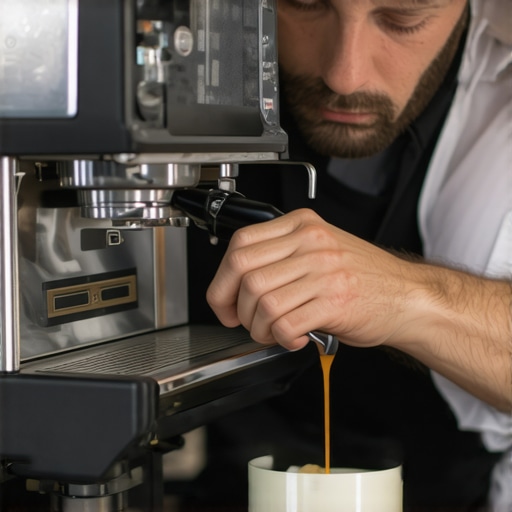
One of the most eye-opening lessons I learned was that even small maintenance oversights, like ignoring mineral buildup, can turn my perfect brew into a salty disappointment. Regularly cleaning and descaling my espresso machine not only improved flavor but also extended its lifespan, proving that attention to detail is essential for every home barista.
Another key insight was realizing that water quality isn’t just background noise—it’s a main character in your coffee story. Testing my water’s mineral levels revealed that high mineral content was the root of salty flavors. Installing a water softener made an immediate difference, transforming my shots into balanced, flavorful pours.
Finally, I discovered that grinder health is often overlooked yet critically important. Residual oils and stale coffee dust can subtly influence flavor, sometimes giving a salty or metallic note. Dedicating time to clean my grinder burrs with the right tools kept my grind consistent and my flavor profile intact, reminding me that every component deserves care.