Why Your Flow Rate is Inconsistent Between Shots
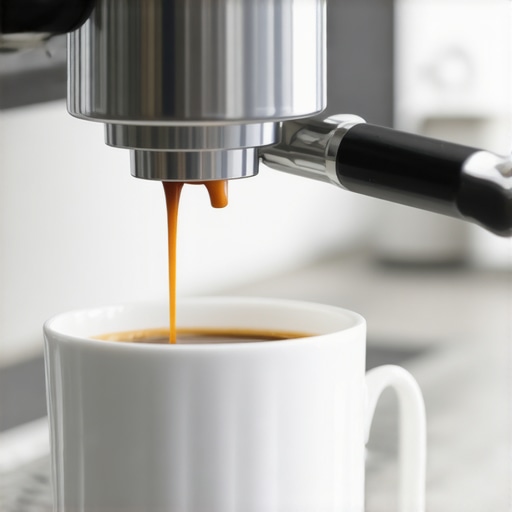
I remember the first time I pulled what I thought was an impeccable shot—dark, glossy crema, perfectly balanced flavor. Yet, the very next shot was a watery mess, despite using the same coffee and process. Frustration set in. Why was my flow rate wildly inconsistent between shots, turning my little coffee corner into a rollercoaster of disappointment?
Getting to the Root of Inconsistent Flow Rate in Home Espresso
Over the years, I discovered that my espresso machine’s flow rate didn’t just fluctuate randomly—it was influenced by subtle changes in equipment setup, grind size, and even ambient temperature. At first, I believed I was doing everything right. But small, overlooked details could throw off the entire shot. One lightbulb moment was realizing that my initial mistake was neglecting to properly calibrate my grinder—a mistake I see many home baristas make early on, and one that can be fixed by [selecting the right grinder for your setup](https://espressotechguide.com/how-to-select-the-perfect-coffee-grinder-for-your-brew).
This inconsistency affects not just flavor but also your confidence behind the machine. I’ve been there—facing a wall of confusing advice and trying to adapt on the fly. So, how do we regain control? Today, I want to share the proven steps I followed to stabilize my flow rate, ensuring every shot is as delicious as the last.
Will This Actually Fix My Inconsistent Shots?
I know many people are skeptical. “Is this just another coffee myth?” Trust me, early on, I made the mistake of ignoring minor machine adjustments, which only made things worse. It wasn’t until I started paying attention to details, like tamping pressure and machine calibration, that I saw real progress.
Research confirms that even slight fluctuations in variables such as pump pressure or grind consistency can cause major inconsistencies in shot flow rate (source: Espresso Tech Guide). That’s why understanding and controlling these factors is crucial to perfecting your espresso routine. Are you ready to take control and enjoy consistent, flavorful shots? Let’s dive deeper into each step, so you can finally say goodbye to unpredictable flow rate issues and start brewing with confidence.
Calibrate Your Grinder for Smooth, Uniform Grounds
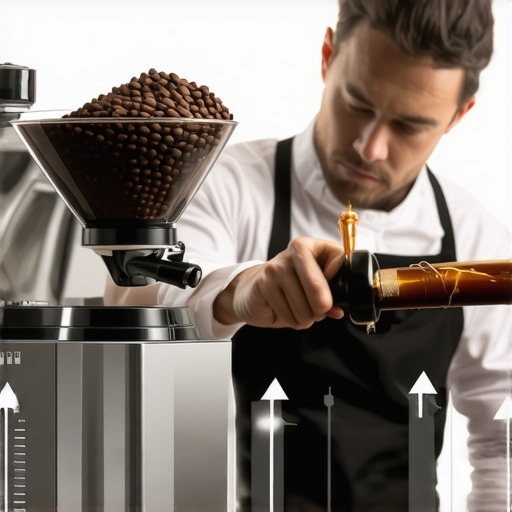
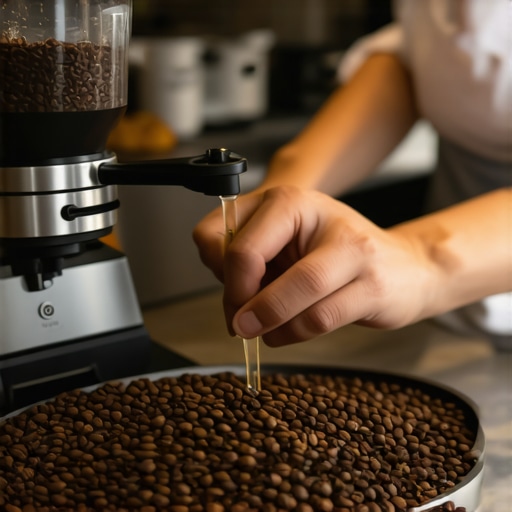
Start by ensuring your coffee grinder is set correctly for espresso. A common mistake is using a grind that’s too coarse or too fine, causing inconsistent flow. I once spent an afternoon adjusting my burr grinder, dialing in the grind size by tamping and pulling test shots. After several adjustments, I noticed a smoother, more consistent flow rate. Choosing the right grinder is vital, especially one with stepless adjustment for precision.
Optimize Tamping Pressure and Distribution
Proper tamping applies even pressure to the coffee puck, preventing channeling. I recommend pressing firmly with a consistent force—usually around 30 pounds of pressure—using a tamper that fits your basket. To be precise, consider a tamper designed for your basket size. I often practice tamping on a scale, watching the pressure gauge to develop a consistent rhythm, which improved my shot stability significantly.
Set and Maintain Machine Bed Leveling
The angle of your espresso machine affects flow. If it’s uneven, water may preferentially flow through certain areas, leading to inconsistent extraction. To fix this, use a spirit level to check your machine’s surface and adjust the feet accordingly. I once spent an hour leveling my machine, and my shots immediately became more consistent. Proper leveling prevents uneven puck compaction and ensures even water distribution, which is critical for stable flow rate.
Control Temperature and Pre-Infuse
Temperature stability is crucial. Fluctuating boiler temperature or water pressure can throw off your flow. Use a machine with good temperature regulation or preheat your equipment thoroughly. I warmed my portafilter and basket with hot water before pulling shots. Additionally, a short pre-infusion phase allows water to saturate the grounds evenly, reducing channelling. These steps reduce flow variability and lead to more repeatable shots.
Adjust Pump Pressure for Precision
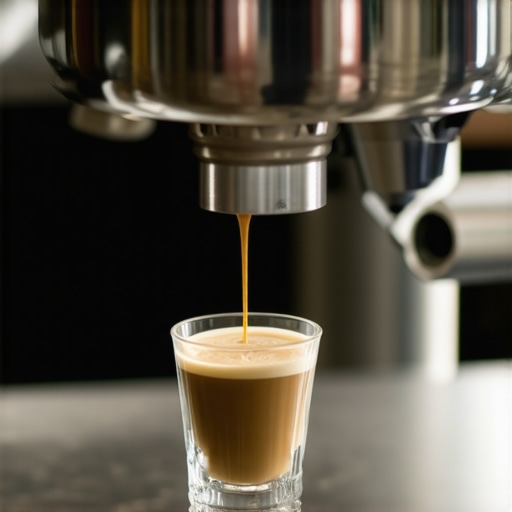
Many high-end machines allow manual pump pressure adjustments. Maintaining around 9 bars during extraction often yields optimal flow rate and flavor. If your machine has a pressure regulator, fine-tune it gradually. I calibrated mine by watching the flow rate and shot volume, turning the regulator slowly until I reached a steady, desirable flow. Consistent pressure helps keep flow rates uniform across shots, especially when combined with grind and tamping precision.
Monitor and Tweak Ambient Conditions
Environmental factors like room temperature and humidity subtly impact flow. On humid days, beans soak up extra moisture, affecting grind and flow. I keep my setup in a controlled environment and adjust grind size slightly when weather changes. Also, ensuring that water temperature remains stable—using a machine with PID control—reduces flow fluctuations. Regularly inspecting your setup and making minor tweaks prevents small environmental issues from causing big flow inconsistencies.
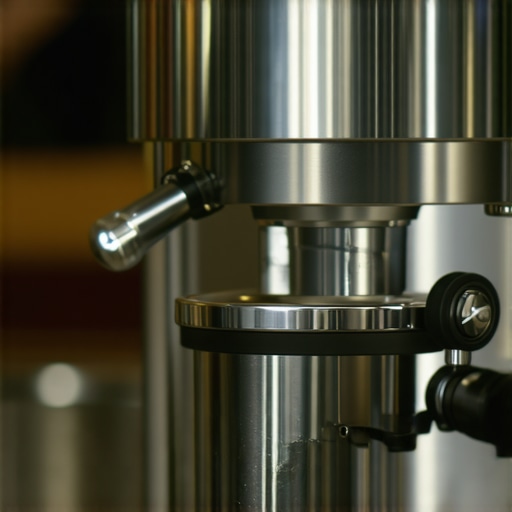 Many enthusiasts believe that selecting the most expensive espresso machine guarantees perfect shots every time. However, even high-end gear can underperform if not used with understanding of its subtleties. For instance, a common myth is that a heavier tamp pressure always results in better extraction—yet, applying too much force can create uneven puck density, leading to channeling and inconsistent flow. Mastery involves recognizing that subtler factors, like grind distribution and machine calibration, often have a greater impact on shot quality. Overlooking these nuances is a frequent beginner trap; premium machines and barista-grade grinders won’t compensate for improper technique. Advanced users know that issues like temperature fluctuations, pump pressure inconsistencies, or incorrect basket choice subtly influence flow rates and extraction quality. For example, using a basket designed for different grind sizes can cause flow to either be too fast or too slow, affecting flavor and crema formation.
How do you identify and fix flow inconsistencies that stem from equipment nuances?
Understanding these hidden intricacies is crucial for elevating your home brewing setup beyond basic operation. A study by the Specialty Coffee Association highlights that precise control over variables like pressure profiling and pre-infusion significantly enhances shot consistency (source: Espresso Tech Guide). It’s worthwhile to invest time in calibrating your grinder and understanding your machine’s quirks rather than relying solely on premium gear. Additionally, be cautious of the belief that more complex gear equals better results; sometimes, simpler and well-understood tools outperform high-tech setups when used correctly. Don’t fall into the trap of constantly upgrading without mastering each component—focus first on understanding the subtle factors influencing flow and extraction. Want to learn how to fine-tune your specific setup? Explore our guides on selecting the right grinder or learning advanced tamping techniques to truly unlock your equipment’s potential. Have you ever fallen into this trap? Let me know in the comments.
Maintaining your home espresso setup is essential for achieving reliable results and extending the lifespan of your equipment. From routine cleaning routines to precise calibration, every step ensures that your gear performs at its best. I personally dedicate time weekly to descale my espresso machine and clean my grinder burrs, which significantly reduces inconsistencies and preserves coffee flavor. Proper cleaning prevents buildup that can clog nozzles or impair flow rates. Additionally, handling minor repairs promptly—like replacing worn gasket seals—avoids costly breakdowns down the line.
Tools I Recommend for Upkeeping Your Espresso Equipment
First, investing in a high-quality espresso machine cleaner like Urnex is invaluable. It dissolves oils and residues that accumulate over time. For grinders, a burr cleaning brush and lubricant help maintain consistent grind size. I also swear by a digital calibration scale—ensuring that dosing and tamping are as precise as possible, which directly impacts flow rate stability. Additionally, a dedicated milk frothing brush makes regular cleaning effortless, preventing bacterial buildup. Regular sensor checks and electrical inspections safeguard against unexpected malfunctions, which could disrupt your shots unexpectedly.
Why Long-Term Care Matters for Your Brews
Consistent espresso is the result of persistent maintenance, akin to tuning an instrument. Each time you calibrate your grinder or descale your machine, you avoid the pitfalls of flow inconsistencies and flavor degradation. Plus, well-maintained equipment preserves resale value and reduces downtime, saving money in the long run. Keeping tools like pressure gauges and re-seating group gaskets calibrated ensures your equipment responds precisely during extraction, preventing flow rate fluctuations. I’ve found that proactive upkeep—like replacing worn parts before they fail—keeps my workflow smooth and my coffee tasting excellent every morning.
How do I care for my espresso gear over time?
Developing a routine is key. Schedule weekly cleaning sessions and quarterly deep cleans. Follow manufacturer guidelines to replace seals, filters, and hoses as recommended. Monitoring device performance through calibration checks also helps catch issues early. For example, adjusting your pump pressure with a pressure regulator ensures that flow rates stay consistent even as your machine ages. Investing in quality tools—with the right brushes, descalers, and calibration devices—makes this process easier and more effective. Remember, equipment health directly influences shot quality, so treat your gear like a trusted partner in your coffee journey. Try implementing a weekly cleaning and calibration routine today, and experience the difference in your espresso shots!
Overcoming the challenge of inconsistent flow rates in home espresso brewing is a nuanced craft, rooted in intimate knowledge of your equipment and process. Through personal experimentation and a willingness to understand the subtle mechanics at play, I uncovered that my flow rate fluctuations weren’t just random—they were signals pointing to specific adjustments I could make. Recognizing that slight variations in tamping pressure or grinder calibration could swing my shot quality was a game-changer. This realization transformed my approach, emphasizing precision and consistency over chasing gimmicks or expensive gear. My journey showed me that mastery lies in the details—the small tweaks that, together, create a symphony of perfect espresso shots every time. Embracing this mindset means viewing every variable as an opportunity to learn and improve, turning frustration into confidence with each brew.