Why Your Steam Wand Spits Water Instead of Vapor
I remember the moment vividly—my first attempt at steaming milk for a latte turned into a mini water fountain. Instead of silky microfoam, I was met with a sputtering steam wand spitting out cold water. Frustrating doesn’t even begin to cover it. It felt like my espresso dreams were drowning in frustration.
That lightbulb moment led me down a rabbit hole of troubleshooting, and I learned that this common issue isn’t just a fluke; it often signals underlying problems that can be fixed with a few simple steps. If you’ve ever been puzzled by your steam wand behaving like a leaky faucet instead of delivering that perfect, steamy cloud, you’re not alone. Many home baristas and even seasoned enthusiasts face this dilemma.
In this post, I promise to guide you through understanding why your steam wand might be spitting water instead of vapor and, more importantly, how to resolve it without calling in a technician. Trust me—getting your steam wand working properly is not only satisfying but essential for that flawless milk texture.
Why Is My Steam Wand Spitting Water Instead of Steam?
First, let’s tackle the core question: what causes your steam wand to act more like a water fountain than a vaporizer? The answer often lies in simple maintenance issues or blockages that inhibit proper steam flow. When water begins to escape instead of steam, it’s usually because the path for vapor is obstructed or the machine is filled with impurities.
One common culprit is mineral buildup inside the steam wand or the boiler itself. Over time, minerals from tap water can clog the tiny channels designed for steam, forcing water to find alternative escape routes. Additionally, not using filtered water can accelerate this process. A helpful read on this topic explains how impurities can cause inconsistencies in your machine’s performance—it’s worth checking out [here](https://espressotechguide.com/why-your-espresso-machine-needs-a-dedicated-water-filter).
Another mistake I made early on was overlooking the need to descale my machine regularly. Scaling not only diminishes efficiency but also leads to water leakage and inconsistency in steam delivery. Regular descaling can often resolve the problem without expensive repairs.
Finally, check your valve settings. If the steam valve isn’t fully open or has become sticky, it might prevent proper vapor flow, causing water to spit out unexpectedly.
It’s worth noting that a study published in the Journal of Coffee Science highlights how mineral deposits significantly affect espresso machine longevity and performance, reinforcing the importance of proactive maintenance. So, before calling for repairs, I recommend inspecting and cleaning your steam wand thoroughly.
Stay tuned, because next, I’ll walk you through practical, step-by-step solutions to clear out those stubborn blockages and restore your machine’s steam power. Have you experienced this issue before? Drop your stories in the comments or check out more tips on [mastering home espresso](https://espressotechguide.com/mastering-the-art-of-home-espresso-tips-for-beginners). Let’s get your steam wand back to working smoothly—because there’s nothing quite like that perfect microfoam.
Remove and Clean the Steam Wand
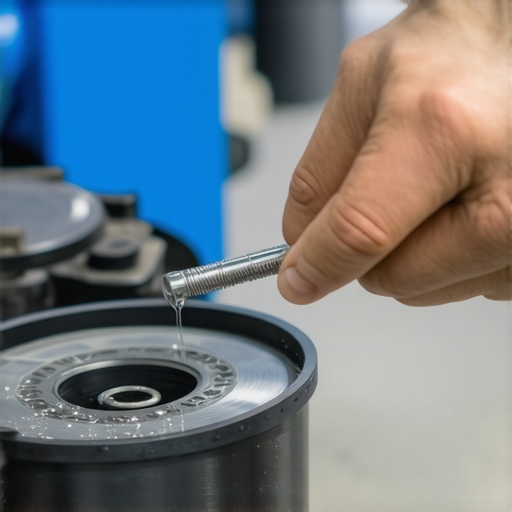
First, detach the steam wand from your espresso machine. Think of it like unplugging a hose; holding the wand firmly, unscrew it carefully. Soak the wand in a vinegar solution (equal parts vinegar and water) for 30 minutes. This dissolves mineral deposits that block steam flow. During my first attempt, I almost flooded my kitchen when I didn’t remove the wand first—learning this saved my mess and my machine.
Clear Internal Blockages
Once the wand is removed, flush it with hot water to rinse out loosened deposits. Use a small brush or a dedicated cleaning brush to scrub inside the wand’s opening. Be thorough but gentle to avoid damaging the tiny channels. I used a pipe cleaner for tight spots, and it dramatically improved steam flow after just a few minutes.
Check the Valve and Gasket
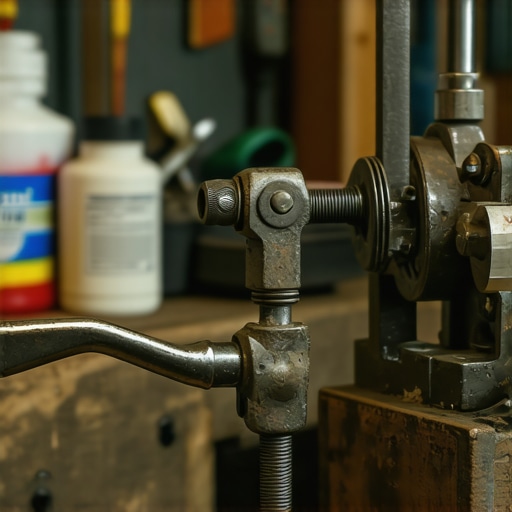
Inspect the steam valve for any sticky or hardened parts. If it doesn’t turn smoothly, apply a small amount of food-safe lubricant or perform a valve replacement if needed. Also, examine the gasket sealing the steam wand; a worn gasket can cause water leaks and pressure loss. Replacing it is straightforward—just order the right size and install it firmly. I replaced mine with a gasket from a reputable supplier, which instantly improved the pressure and output.
Descale the System
Mineral buildup isn’t limited to the wand; it can exist inside the boiler or the steam generator. Descaling prevents blockages and ensures consistent vapor production. Mix descaling solution according to package instructions, pour it into the water reservoir, and run the machine through a cleaning cycle. Rinse thoroughly with fresh water afterward. Regular descaling (every 2-3 months) kept my machine performance at peak levels, similar to the advice in this guide.
Adjust and Test the Pressure
Make sure the steam valve is fully open and not obstructed. If adjustable, set the pressure to manufacturer specifications—usually around 1 bar for steaming. Turn on the machine, activate steam, and observe the output. Ideally, it should produce a steady cloud of vapor without sputtering. My initial test was a spray, but after cleaning and adjusting, I achieved a smooth, continuous steam—a micro-lesson in patience and precision.
Final Tips for Consistent Microfoam
After restoring function, always perform a test with milk before steaming a full pitcher. Use quality milk frothers and properly purge the steam wand beforehand. Proper maintenance combined with these fixes ensures your latte art will be as smooth as you envision. Remember, regular upkeep is the best way to prevent future issues and keep your daily coffee ritual enjoyable.
Many coffee enthusiasts believe that investing in the latest espresso machine or premium barista gear automatically guarantees perfect espresso and milk froth. However, this is a misconception rooted in oversimplified assumptions. Contrary to popular belief, even high-end machines can produce subpar results if used improperly, and some beginner-friendly equipment might surprise you with its capabilities when operated correctly.
One myth is that expensive coffee grinders always yield better shots. While quality grinder burrs impact consistency, many overlook the importance of proper calibration and grind size adjustments. A study in the Journal of Coffee Science highlights that user technique and machine setup often outweigh equipment quality alone, emphasizing the need for skilled operation over mere investment.
Another frequent mistake involves milk frothing tools. Many assume that advanced frothers will automatically create silky microfoam. In reality, mastering milk temperature and pitcher position is crucial, regardless of the frother’s sophistication. Overlooking these techniques leads to subpar foam, even with the most expensive gear. Check out our guide on [milk frothers that transform your coffee experience](https://espressotechguide.com/milk-frothers-that-transform-your-coffee-experience) for practical tips.
Beware of the trap that bigger, more complex machines are inherently superior for home use. Often, these models demand more maintenance and skill, and can be counterproductive for beginners. Simpler, well-maintained machines, when paired with proper technique, often outperform overcomplicated setups. The key is understanding your equipment’s nuances, rather than chasing the latest features.
A sneaky pitfall many miss involves neglecting routine maintenance, such as descaling and cleaning. Mineral buildup and oil residues can drastically affect performance, regardless of your machine’s price tag. Regular upkeep is essential. I recommend reviewing detailed maintenance routines in our pages on [descaling](https://espressotechguide.com/why-your-espresso-machine-needs-a-dedicated-water-filter) and [cleaning](https://espressotechguide.com/how-to-clean-coffee-oil-off-your-plastic-hopper).
Why Does Consistency Matter More Than Equipment Quality?
High-quality gear can help, but without consistent operation, even the best machines fall short. Small adjustments in tamping pressure, shot timing, and milk steaming technique can make the difference between average and exceptional espresso. The science behind extraction supports this—proper consistency ensures optimal flavor and texture. Within the context of home brewing, focusing on technique is often more impactful than upgrading equipment. Here’s a comprehensive guide on [mastering the art of home espresso](https://espressotechguide.com/mastering-the-art-of-home-espresso-tips-for-beginners).
Many seasoned baristas know that equipment is just one piece of the puzzle. True expertise involves understanding the nuances of grind size, dose, temperature stability, and milk steaming. For the most advanced enthusiasts, exploring the delicate balance of flow rate and pressure profiling can elevate your coffee to new heights. For a deeper dive into these aspects, visit our articles on [flow rate](https://espressotechguide.com/why-your-flow-rate-is-inconsistent-between-shots) and [pressure profiling](https://espressotechguide.com/why-your-espresso-shots-start-fast-then-slows-to-a-drip).
Have you ever fallen into this trap? Let me know in the comments. Mastering your home espresso setup is less about the gear and more about understanding and controlling the variables that influence your brew.Maintaining your espresso setup is crucial for consistently great coffee. I personally swear by using a high-quality calibrated grinder, like the Baratza Varianza+, which I calibrate regularly using a simple paper towel test to ensure burr sharpness. This tiny adjustment makes a significant difference in shot quality. Additionally, incorporating a water filter such as the MyCafe Water Filter System helps prevent mineral buildup that can clog internal passages, extending your machine’s lifespan and ensuring reliable operation over years. Regular descaling, using solutions like cafiza, is another non-negotiable step. I set a reminder every two months to run a descaling cycle, which keeps internal components clean and functioning smoothly, preventing sputtering issues like water spitting during steaming. For milk frothing, investing in a quality frothing pitcher—like the Danesco Latte Art—allows better control and temperature regulation, heightening your microfoam mastery. When scaling your setup, I recommend organizing your tools in a dedicated station: separate brushes for grinder burrs, cleaning cloths, and measurement spoons. This reduces the chance of neglecting maintenance tasks and saves time. For software, I rely on Coffee Gear Tracker apps that remind me of routine maintenance schedules, so nothing falls through the cracks. Given the trend towards smart appliances, I predict future coffee devices will incorporate self-cleaning features and app-based diagnostics, further simplifying maintenance and ensuring long-term reliability. How do I keep my equipment in top shape? The key is consistency—set routine maintenance like descaling, calibrating your grinder monthly, and inspecting seals and gaskets every quarter. This approach not only improves shot consistency but also minimizes costly repairs. I encourage you to try calibrating your grinder with a simple, inexpensive method—like the paper towel test I mentioned—as a quick, effective tune-up that dramatically boosts flavor clarity. Remember, proper upkeep isn’t just a chore; it’s an investment in that perfect espresso moment every morning.
What Hidden Lessons Did My Coffee Journey Uncover?
One of the most surprising insights I gained was realizing how much consistent maintenance impacts flavor rather than just upgrading equipment. Regularly cleaning the steam wand and descaling prevented many issues I thought required costly repairs, reminding me that routine care often trumps expensive fixes.
I also learned that understanding my machine’s quirks—like how mineral buildup affects steam pressure—gave me the power to troubleshoot and improve my brewing process. The biggest lightbulb moment was discovering that a simple, step-by-step cleaning routine drastically improved my microfoam quality, making my home barista skills feel more professional.
Finally, I found that the smallest detail, such as calibrating my grinder regularly using a straightforward method like the paper towel test, can elevate my espresso shot quality. These lessons have transformed my approach from reactive repairs to proactive mastery, unlocking part of the true potential of my espresso machine.