Why Your Puck Screen is Getting Stuck to the Shower Screen
Ever had that frustrating moment where you go to pull out your puck screen after pulling a shot, only to find it stubbornly stuck to the shower screen? It’s like battling an unyielding clinging vine that refuses to let go, leaving you puzzled and a little bit annoyed. I remember thinking I was doing something wrong—scraping, cleaning, adjusting—yet that stubborn adhesion persisted. It’s a lightbulb moment that many espresso enthusiasts stumble upon, often too late: the dreaded stuck puck screen.
But why does this happen, and more importantly, how can you fix it without sacrificing your sanity or your machine? That’s exactly what I want to explore today. We’ll delve into the root causes of this common frustration, share practical tips honed over years of tinkering, and help you regain smooth, hassle-free maintenance. By the end, you’ll understand not only how to fix the issue but also how to prevent it from recurring, ensuring your espresso routine stays frictionless.
Stop Struggling With Sticky Puck Screens: Here’s What You Need to Know
Is Sticking Your Main Concern? Let’s Clear It Up
Early on, I made the mistake of ignoring the importance of proper cleaning habits. I believed a quick rinse was enough, but over time, coffee oils and fine dust built up—forming a sticky, stubborn layer that glued the puck screen to the shower screen. That mistake—trust me—can turn a quick cleaning into a full-on battle, and it also affects the quality of your brew.
The good news is, with a few adjustments and regular maintenance, you can keep those screens from bonding so tenaciously. Typically, residue buildup is the culprit, and it’s compounded by the use of softer water, which leaves more deposits. Frequent and thorough cleaning, especially with descaling and oil-removing routines, can make all the difference. For more on maintaining your gear, you might want to check out my tips on [effective milk frother cleaning](https://espressotechguide.com/how-to-clean-a-milk-frother-without-scratching-the-non-stick-coating) or [selecting the right grinder](https://espressotechguide.com/how-to-select-the-perfect-coffee-grinder-for-your-brew).
Now, let’s dive into how to actually fix that sticky situation and ensure this isn’t a recurring problem. Prepared? Let’s get into the nuts and bolts of it—because a proper fix will save you time, frustration, and potentially even your equipment.
Deep Clean Your Shower Screen Regularly
Start by dismantling your portafilter and removing the shower screen. Use a toothbrush or small brush to scrub away coffee oils and dust that have built up. Soak the parts in a mixture of warm water and descaling solutions or a dedicated coffee machine cleaner for 15-20 minutes. This dissolves stubborn residues. I once forgot to do this for a few weeks, and coffee oils caked onto the screen, making removal a nightmare—until I learned the importance of routine cleaning.
Apply Proper Cleaning Techniques After Each Use
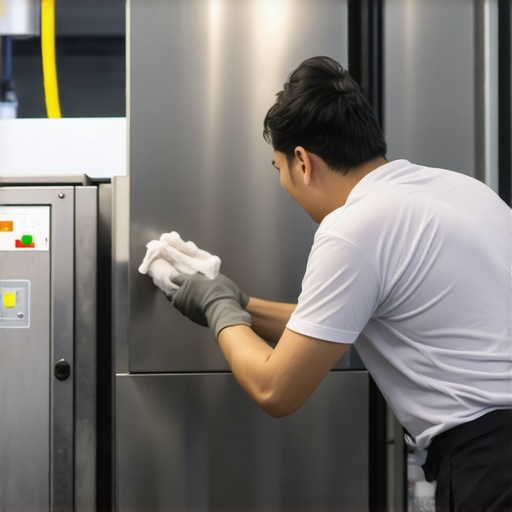
After each brewing session, rinse the shower screen thoroughly with hot water to wash away residual oils. Use a damp cloth to wipe both the shower and puck screen before reassembling. For a more thorough clean, periodically use a mixture of baking soda and water or a specialized coffee gear cleaner. Doing this immediately after brewing prevents residue buildup, which is the main culprit behind sticky screens. I noticed my puck screens stayed loose longer once I adopted this habit, reducing stubborn sticking issues.
Adjust Your Grind and Dosing Settings
Adjustting grind size can significantly impact oil extraction and residue formation. Slightly coarser grinding reduces oil buildup on the screen. Verify your grind using a proper selection of your basket to match your roast and machine. Also, avoid over-dosing. Too much coffee leads to excess oils and clogging. I experimented by dialing back my dose slightly and noticed less residue accumulation, which made cleaning easier and less frequent.
Consider Water Quality and Descaling
Soft water leaves more mineral deposits, which can interact with coffee oils and create sticky films. Regularly descaling your machine with a recommended descaler prevents calcium buildup and ensures water flow remains optimal. During a descaling session, I noticed my puck screens became noticeably cleaner afterward, and my shots had a brighter flavor profile. For more detailed guidance on this, check out how to clean your milk frother.
Use a Lubricant or Silicone Spray Sparingly
If your puck screen or shower screen squeaks when adjusting, applying a tiny amount of food-grade silicone spray can help. Be cautious and avoid overuse, as excess can contaminate your espresso. I applied a small amount to the edges of my shower screen and noticed it moved more smoothly, reducing the risk of forceful removal that can damage the components. Just ensure the spray is food-safe and used sparingly.
Preventative Maintenance Keeps It Smooth
Implement a weekly cleaning routine incorporating these steps to prevent residue buildup before it causes sticking issues. Additionally, regularly inspect your shower screen for signs of wear or damage, replacing it if necessary. For long-term upkeep, consider using high-quality replacement parts when your original screens show signs of degradation. I found that consistent maintenance saved me hours of frustration and preserved the quality of my espresso shots.
Many enthusiasts believe that having the latest espresso machine or a high-end grinder automatically guarantees perfect shots. However, a common misconception is that gear quality alone determines espresso success, but in reality, understanding the nuances and proper maintenance are equally crucial. For instance, some assume that dialing in the grinder once is enough, but minor adjustments are often necessary as beans age or humidity changes. Relying solely on high-tech equipment can lead to overrated faith in gadgets rather than skillful technique. Moreover, many overlook the importance of correctly calibrating their grinder for their specific beans, which can dramatically affect extraction and flavor consistency. Did you know that over-dosing your portafilter or tamping unevenly can cause channeling, regardless of having the best machine? This highlights how technique often trumps equipment.
Are Premium Machines Always Better, or Is Technique the Real Key?
Studies show that even the most sophisticated espresso setups require consistent, precise cleaning routines to prevent oil residue buildup that impairs performance. Using a subpar grinder with a tight grind setting leads to clogs and inconsistent extraction, a trap many fall into because of false economies. Established experts emphasize that grinders with flat burrs and grind adjustment features tailored to your brewing style produce more reliable results than merely investing in brand-named machines. Be cautious about the “bigger is better” myth—smaller, well-tuned grinders often outperform large, poorly calibrated ones. Additionally, some home baristas make the mistake of neglecting water quality, which can cause mineral deposits to clog internal components, compromising machine longevity and brew taste. Regular descaling and using filtered water can mitigate these issues. For comprehensive guidance on selecting and maintaining gear, check out [choosing the best barista gear](https://espressotechguide.com/choosing-the-best-barista-gear-for-coffee-enthusiasts). Finally, a significant ‘oops’ factor is underestimating the importance of patience; rushing through tamping, grinding, or brewing can detract from quality, regardless of equipment quality. Mastering these subtle but impactful practices ensures your setup works for you, not against you, delivering consistently excellent espresso. Have you ever fallen into this trap? Let me know in the comments.Maintaining your espresso setup over time requires more than just routine cleaning; it demands specific tools, methods, and a keen understanding of your equipment’s needs. One of my go-to essentials is a high-quality brush set with fine bristles, like theEspresso Machine Cleaning Brush. I personally prefer one with a flexible handle and narrow tip, enabling me to reach into tight spaces such as portafilter channels and shower screens without damaging delicate parts. Regular brushing of grinders’ burrs and machine components prevents coffee oils from accumulating, which is crucial because leftover residues can cause clogs and inconsistent shots.
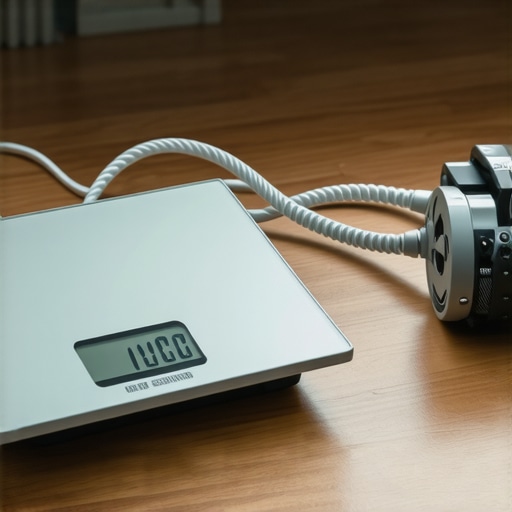
Another indispensable tool I rely on is a digitalcalibration scale with precision to 0.1 grams. Accurate dosing directly correlates with shot quality, and over time, slight calibration drift can occur, leading to over or under-extraction. I calibrate my grinder regularly using the instructions frommastering the art of home espresso. Consistent dosing isn’t just about taste—it’s about maintaining machine health and prolonging its lifespan.
For long-term results, using awater filtration system is vital. Softened or filtered water minimizes mineral deposit buildup, which can harm internal components and impair performance. I upgraded to an under-sink filter, which helps reduce the frequency of descaling and keeps my machine performing at peak level. Additionally, applying a lightfood-grade silicone spray on moving parts like portafilter hinges can improve longevity and ease of use. I do this every few months to prevent squeaking and ensure smooth operation.
Looking ahead, I predict the integration of smart sensors that monitor machine health—temperature fluctuations, pressure inconsistencies, and residual oil buildup—will become commonplace. These innovations could alert owners to maintenance needs before problems manifest, saving time and avoiding costly repairs.
Curious how to keep your gear performing at its best? Focus on routine calibration with precise tools like scales and keep parts clean with dedicated brushes. A small investment in these tools can dramatically enhance your coffee experience. To dive deeper into choosing reliable equipment, see the guide on selecting the perfect barista gear and start applying these tips today!
Throughout this journey, I’ve realized that the key to exceptional espresso isn’t just about top-tier equipment—it’s about cultivating a deep understanding of each component and mastering routine maintenance. That moment when I finally cracked the code to preventing stuck puck screens transformed my workflow, saving me time and frustration. It’s a reminder that sometimes, the most profound improvements come from attention to the smallest details.
My Hidden Lessons About Equipment Harmony and Passion
- Patience Outweighs Power: Rushing through cleaning routines or dismissing small issues often leads to bigger problems down the line. Investing time in regular maintenance has paid dividends in flavor consistency and machine longevity.
- Consistent Rituals Create Confidence: Establishing a routine, whether it’s a weekly deep clean or calibration check, builds trust in your gear and helps you identify issues before they escalate, turning maintenance from a chore into a form of meditation.
- Understanding Your Water’s Role: Soft water might seem harmless, but it can cause more deposits that adhere to screens. Treating your water and staying vigilant with descaling is vital for pristine performance and taste.
- Small Tools Make a Big Difference: Brushes, scales, and descaling agents aren’t just accessories—they’re extensions of your craft. Using them effectively can elevate your espresso from good to extraordinary.
My Go-To Resources for Coffee Enthusiasts
- Barista Gear Guide: From grinders to tampers, this resource helps me select high-quality tools tailored to my brewing style.
- Home Espresso Mastery Tips: Packed with practical advice for beginners and seasoned home baristas, it keeps me sharp and informed.
- Cleaning Precision: Learning the proper techniques for milk frothers and steam wands ensures my setup remains spotless and ready for any latte art challenge.
Your Next Shot Starts Now
Remember, elevating your espresso routine isn’t about chasing perfection but embracing continuous improvement. Regular care, curiosity, and a bit of patience open doors to flavors and experiences you never thought possible. With every pull, you’re honing a craft that brings joy and connection—so keep experimenting, learning, and savoring each cup. Your journey into mastery begins with understanding your gear, starting today.
What’s one small maintenance habit you’ve found makes a big difference in your espresso quality? Share below—I’d love to hear your insights!