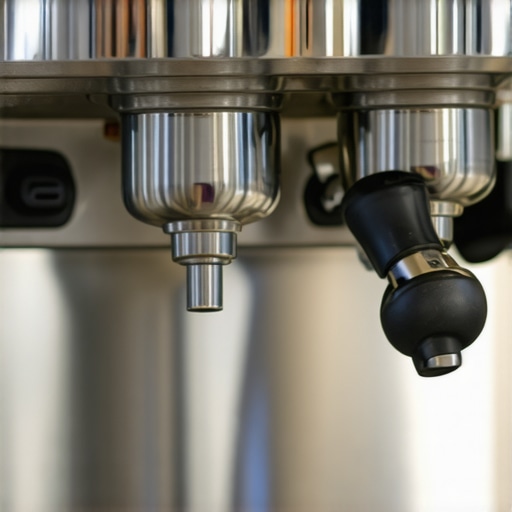
How to Scrub Your Steam Tip Holes Without Scratching Them
I’ll never forget the moment I watched my carefully steamed milk turn into a flickering cloud of tiny bubbles, only to realize I had accidentally gouged the delicate steam tip in my haste to clean it. The grimy scratch marks on my shiny espresso machine’s tip left me frustrated and wondering—how could I clean these tiny holes without damaging them? That lightbulb moment made me dive deep into the world of maintenance, and now I want to share what I’ve learned with fellow coffee enthusiasts.
Why Scratching Your Steam Tip Can Feel Like a Personal Attack
Steam tips are small but mighty components. They’re responsible for delivering the perfect microfoam every time. But, if you’ve ever tried to scrub them vigorously, you know the risk—scratching or damaging those tiny holes can lead to uneven steam flow, bad froth, or even leaks. Early on, I made the mistake of using abrasive tools I thought would do the job quickly. Instead, I learned that harsh cleaning methods often cause more harm than good. According to industry experts, even minor scratches can affect the performance of your steam tip and compromise your entire coffee experience, which can be disheartening for any home barista.
Are Harsh Scrubs Really Worth the Hype?
It’s a common misconception that tougher scrubbing will make your machine cleaner faster. In reality, aggressive cleaning can damage the tiny, highly sensitive holes that need gentle care. I once used a metal brush on mine, thinking I was removing stubborn grime. The result was a few tiny, unnoticeable scratches—but that small damage caused inconsistent steam flow over time. Trust me, ease and patience go a long way. If you want to keep your equipment in top shape, you’ll need to approach cleaning with the right tools and techniques. Curious about the best cleaning routines? You might want to explore my go-to tips for maintaining your milk frothers and espresso accessories.
Now that we’ve identified the problem, it’s time to explore how to properly clean those tiny holes without causing harm. Ready to become an expert and preserve your machine’s performance? Let’s dive into the techniques that will keep your steam tip pristine and your coffee tasting perfect.
Gather Your Tools and Prepare Your Workspace
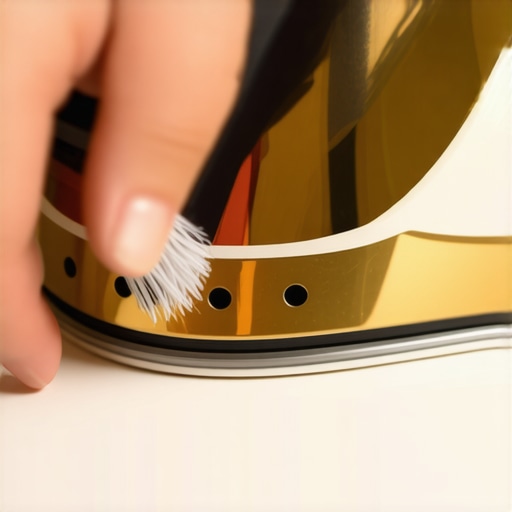
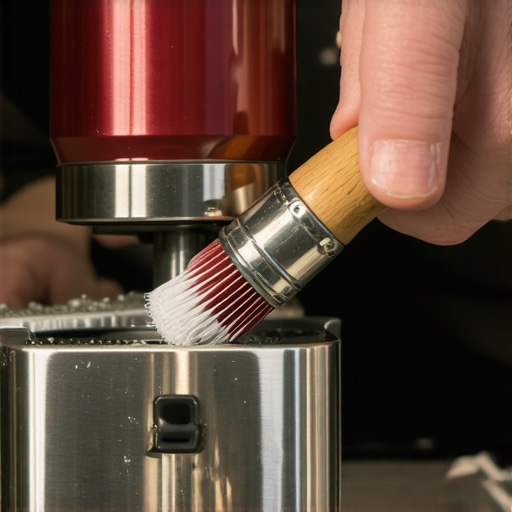
Start by assembling non-abrasive cleaning tools: a soft-bristle brush, a straightened paperclip, and a damp cloth. Turn off and unplug your espresso machine to ensure safety. Clear your workspace of any clutter to focus solely on cleaning. As I once did, lay out all tools on a clean towel for quick access during the process.
Inspect the Steam Tip for Damage or Clogs
Remove the steam tip carefully, using a towel to grip if it’s hot. Hold it under good light and check for visible blockages or scratches. If debris is present, you’ll need to clear it. I once found a tiny coffee particle lodged deep in one of the holes, which caused inconsistent frothing—cleaning it fixed my issue entirely. Check out this guide for more on troubleshooting clogged tips.
Use a Paperclip to Clear Out Tiny Obstructions
Gently insert a straightened paperclip into each hole, twisting softly to dislodge any build-up or debris. Do not force it; applying too much pressure risks scratching the delicate holes. Remember, your goal is to remove blockages without scratching the surface. I learned this the hard way when I used a metal pick too aggressively, which caused minor scratches that over time affected the steam flow. This method is simple but effective, especially when combined with flushing. This article emphasizes gentle cleaning techniques that preserve your equipment.
Clean the Tip with a Damp Cloth to Remove Residues
Wipe the entire tip with a soft, damp cloth to remove any coffee oils or residues that may have accumulated. Avoid using abrasive sponges or harsh chemicals, as they can scratch the microholes. I dampened a microfiber cloth and gently wiped my steam tip, which instantly improved the microfoam’s consistency. This routine maintains cleanliness without risking damage. For thorough cleaning, consider running hot water through the tip after wiping—just ensure everything is dry before reassembling. Proper maintenance ensures optimal performance, which you can explore more through this resource.Many enthusiasts assume that upgrading their espresso machine or grinder automatically guarantees perfect coffee, but the truth is more nuanced. For instance, often people believe that high-end equipment alone will resolve issues like channeling or uneven extraction, yet these problems frequently stem from technique and maintenance rather than the gear itself. A common myth is that commercial-grade machines are always better for home use, but without proper calibration and understanding, they can be overwhelming and lead to inconsistent results. Additionally, many overlook the importance of precise grinder adjustments; a slight change in grind size can dramatically influence shot quality, as explained in detailed guides on selecting the right grinder.
Invest in Quality Tools for Long-Term Performance
To ensure your espresso machine, grinder, or milk frother continues delivering stellar coffee, it’s vital to choose the right tools. I personally swear by a high-precision bristle brush set specifically designed for grinders. These brushes have exceptionally fine, soft bristles that effectively remove coffee oils and fine dust without scratching sensitive components. Using inexpensive or generic cleaning brushes can lead to scratches or ineffective cleaning, shortening your equipment’s lifespan.
Why a UV-C Light Sanitizer Can Be a Game-Changer
Beyond cleaning, sanitizing your coffee tools regularly can prevent mold and bacterial buildup, which often go unnoticed. I recommend a portable UV-C light sanitizer—it’s a small investment that keeps your portafilters, steam wands, and other parts hygienic. I’ve noticed a marked improvement in taste and cleanliness since incorporating this step into my routine, especially during high-usage periods. Future trends suggest that smart, automated cleaning devices with integrated UV-C technology may become standard for dedicated home baristas, reducing the time and effort needed for maintenance.
Adopt a Routine for Consistent Maintenance
Establishing a cleaning ritual not only prolongs your gear’s life but also guarantees consistent coffee quality. For instance, I now follow a weekly deep-cleaning schedule that includes soaking removable parts in descaling solution and inspecting for wear. Tools like a 30-second group head flush have been essential in maintaining flavor clarity. Incorporate reminders to check gaskets, seals, and water filters—these small steps prevent costly repairs and keep your machine performing at its peak.
How do I maintain my espresso setup over time?
The key is consistency and attention to detail. Regularly replacing worn-out parts like gaskets, tuning grinder settings, and descaling every three to six months—based on usage—can drastically improve performance. Some advanced enthusiasts even invest in a calibration tool to fine-tune their grinder for optimal extraction. As the trend toward personalized coffee experiences grows, having tools that allow you to tweak your setup precisely will become increasingly valuable. Take the time to learn and apply these maintenance routines; your future self—and your taste buds—will thank you.
Scaling Up Your Coffee Arsenal
If you’re planning to expand your home setup or upgrade your current gear, consider modular components that simplify maintenance. For example, choosing top-rated espresso machines in 2025 often feature modular parts, making cleaning and repairs more manageable. Additionally, investing in a versatile barista gear kit ensures you have the right tools on hand for every task, from tamping to frothing. While cloning expensive commercial setups might seem appealing, focusing on quality, maintenance ease, and expandability will serve you better in the long run.
Look out for upcoming innovations like AI-driven maintenance alerts and self-cleaning features, which are expected to become standard in high-end equipment. These advancements will help users identify issues early, ensuring longevity and consistent quality. Ready to put these tips into action? Try implementing a regular cleaning routine with a precision brush and see noticeable improvements in your coffee’s flavor and aroma.
Need More Guidance?
If you want tailored advice on maintaining your specific gear or selecting new equipment, don’t hesitate to reach out through our contact page. Remember, a well-maintained setup is the cornerstone of a great coffee experience that lasts for years.
< >
>
Over the years, I’ve come to realize that the true art of great coffee isn’t just about choosing the right beans or the perfect grind—it’s about how well you care for your equipment. One tiny scratch on a steam tip may seem insignificant, but it can dramatically impact your microfoam and espresso quality. My experience taught me that patience and gentle techniques are your best allies in preserving your gear, leading to consistently better brews and longer-lasting tools.
The Hardest Lesson I Learned About Milk Frothers and Espresso Machines
I once believed that scrubbing my milk frother vigorously would eliminate all residues quickly. Instead, I damaged the delicate surfaces, which caused me costly repairs later. Now, I know that gentle cleaning with soft brushes and routine inspection can prevent those issues. This lesson reminded me that respecting the fragility of your tools is essential for a long, rewarding coffee journey.
My Secret for Preventing Clogs and Scratches in Coffee Grinders
Using a high-quality intake brush designated for grinder burrs has been a game-changer. I trust those fine, soft bristles because they clean deeply without scratching or damaging the burrs. Investing in the right tools has saved me countless headaches and kept my grinder performing at its best. The right maintenance routine is an investment that pays off in flavor clarity and equipment longevity.
Why Regular Calibration Beats Upgrades Every Time
Instead of immediately considering expensive upgrades, I learned that fine-tuning my grinder and espresso machine through calibration significantly improved my results. Small adjustments, made patiently, unlocked flavors I never knew my setup could produce. This experience underscored that understanding and maintaining what you already have often trumps chasing the latest tech trends.
Getting Inspired to Elevate Your Coffee Routine
If you’re eager to elevate your home bar setup, exploring the right tools—like modular, easy-to-clean components—and integrating smart maintenance practices will serve you well. Remember, great coffee starts with a well-maintained machine, but it’s equally about your willingness to learn and adapt. Embrace the journey, and you’ll find that each cup becomes more satisfying than the last.
Where My Coffee Path Continues
For those ready to deepen their knowledge, I recommend diving into resources such as Mastering the art of home espresso to refine your technique or picking the right grinder for your needed precision. These tools will help you avoid common pitfalls and enjoy the full potential of your equipment.
Step Into Your Coffee Future Today
Remember, every careful maintenance step you take today ensures outstanding coffee tomorrow. Keep exploring, refining, and caring for your gear, and the perfect brew will become your daily reward. What’s one maintenance habit you’re excited to start or improve? Share your thoughts below!