The Proper Way to Polish Your Stainless Steel Machine Body
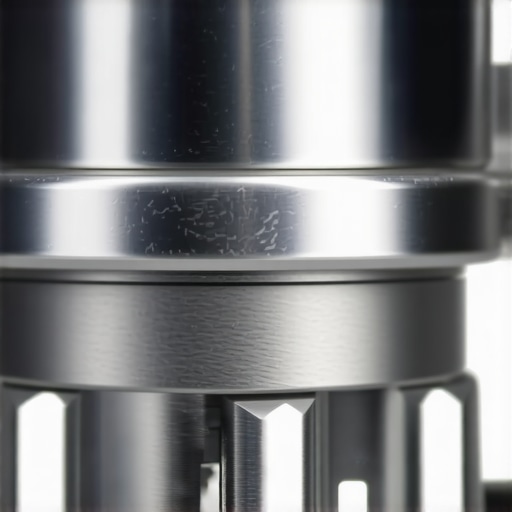
It was a frantic Saturday morning, and there I was, scrubbing away at my beloved espresso machine, trying to make it presentable after weeks of neglect. The worst part? No matter how much I polished, those stubborn water spots and fingerprints refused to leave. I realized then that I was approaching cleaning all wrong—thinking that wiping alone was enough. That lightbulb moment made me dive deeper into the best way to maintain that sleek, professional look of my machine’s stainless steel finish.
Why Proper Polishing Matters for Your Espresso Machine
Properly polishing your stainless steel machine isn’t just about aesthetics; it’s about preserving the lifespan of your gear and ensuring optimal performance. Over time, neglecting the correct techniques can lead to surface scratches, corrosion, and even rust, especially if moisture gets trapped in tiny crevices. Plus, a beautifully maintained machine puts you in the right mindset—transforming home brewing from a messy chore into a proud ritual.
Many home baristas underestimate the importance of using the right polishing methods. I was guilty of this early on, always reaching for kitchen cleaners or abrasive scrubbers that did more harm than good. I learned the hard way that abrasive tools leave micro scratches, which can trap dirt and stains, making your machine look dull and neglected.
Here’s what I wish I knew from the start: the key to that mirror-like shine lies in gentle, consistent care combined with the correct products and techniques. I’ve tested several methods, and the results have been astonishing when I finally adopted a proper cleaning regime. Want to keep your espresso machine looking fresh and shiny? I promise, it’s easier than you think.
Before diving into the step-by-step process, it’s essential to understand why compromise isn’t an option. According to industry experts, regular maintenance can prevent corrosion and costly repairs down the line. For instance, learning how to care for the surface correctly can extend the life of your machine, saving you money and frustration.
Are you tired of battling stubborn water spots and fingerprints that seem to reappear moments after cleaning? If so, you’re not alone. Many enthusiasts face similar issues, but with a few simple tweaks, your machine can regain its original luster and stay that way.
Now, let’s explore the best methods to polish your stainless steel like a pro—techniques that I’ve personally tested and refined to restore that stunning, professional finish.
Gather Your Supplies and Prepare Your Workspace
Start by assembling soft microfiber cloths, stainless steel-safe cleaner, and a gentle polishing solution. Clear a clean, clutter-free area to work comfortably. I once tried cleaning my machine immediately after brewing—this often led to streaks. Instead, give it 10-15 minutes to cool slightly, reducing the risk of burns and smudges from fingerprints.
Clean Dirt and Stains Before Polishing
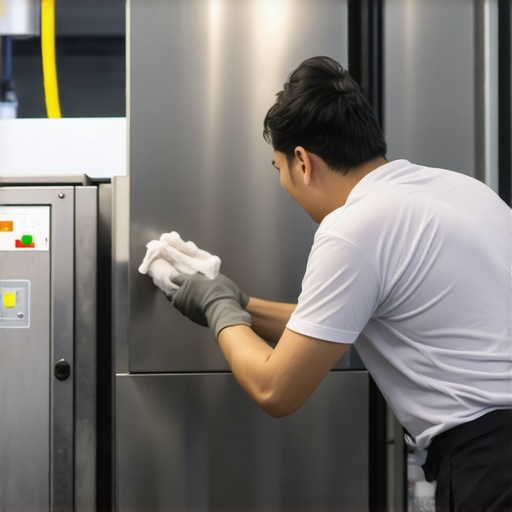
Use a damp microfiber cloth to wipe away dust, coffee splashes, and fingerprints. Apply a small amount of cleaner to a cloth and gently scrub any sticky spots or water stains. Remember, avoid abrasive scrubbers that can scratch the finish. I learned this by accidentally gouging my machine’s surface during an overzealous scrub—less is more here. For stubborn spots, let the cleaner sit for a minute before wiping.
Apply Stainless Steel Polish for Shine and Protection
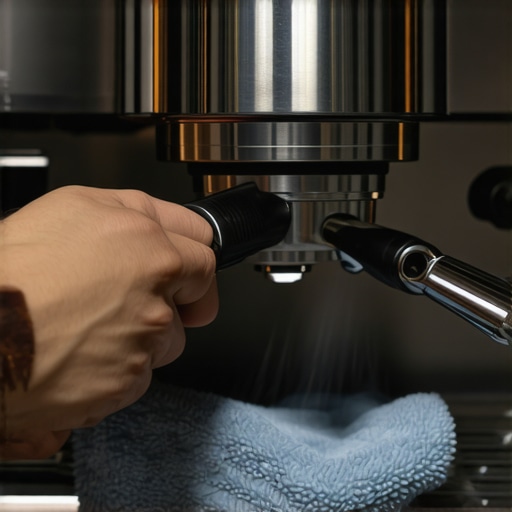
Spray a small amount of stainless steel polish onto a clean cloth—never directly onto the machine. Using a light hand, buff the surface in the direction of the grain. Think of this process as polishing silver rather than scrubbing a pan; consistency is key. I once tried to hasten the process by applying too much polish, which resulted in streaks and smudges. Patience and gentle circular motions yield the best mirror-like finish.
Address Water Spots and Fingerprints with a Final Touch
For persistent water spots or fingerprints, dampen a microfiber cloth with a bit of vinegar or dedicated stainless steel cleaner and wipe gently. Follow up with a dry cloth to eliminate any residual moisture. I found that immediately buffing after cleaning helps prevent streaks and keeps the surface shiny longer. Avoid using harsh chemicals or abrasive pads, as these can dull or scratch the finish.
Protect Your Investment with Routine Maintenance
Schedule regular cleaning—once a week for general wipe-downs and monthly deep cleans. Consistent care not only preserves the aesthetic but also prolongs your machine’s lifespan. If you notice the finish dulling over time, consider rebuilding your polishing routine or exploring different products designed specifically for stainless steel appliances. Remember, a well-maintained machine remains as functional as it is beautiful.
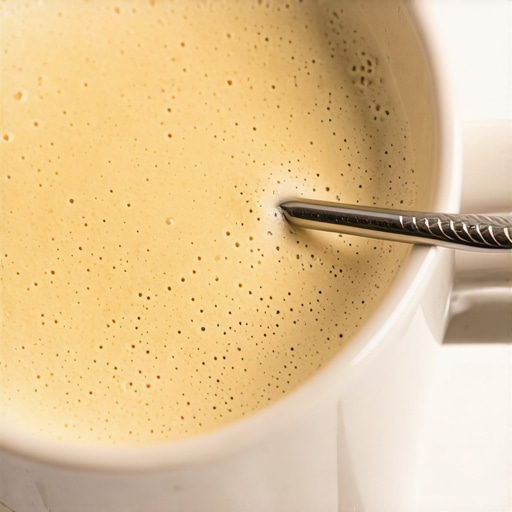
 Many enthusiasts believe that buying high-end equipment guarantees perfect espresso every time, but in reality, mastering nuances often matters more than the latest gear. For instance, a widespread misconception is that grinding finer always leads to richer shots—yet, over-tightening grind size can cause channeling and bitter coffees. Instead, understanding the true impact of grind distribution and tamping pressure is crucial; check out this guide on tamper leveling errors that sabotage consistency. Additionally, many overlook the importance of proper extraction techniques; a common mistake is assuming that longer brew times yield better flavor, when in fact, variables like dose weight and puck preparation are key. Advanced baristas analyze water flow paths and group head cleanliness to prevent channeling, which can be elusive to beginners but is a major cause of sour or weak shots. Moreover, a frequent trap is neglecting routine maintenance—such as descaling or inspecting o-rings—that leads to performance drops and contaminants. Did you know that even a slightly warped tamper can cause uneven pressure and channeling? Often, enthusiasts fixate on superficial cleanliness while missing such critical details. On the milk frothing front, many are unaware of the influence that pitcher angle and steaming technique have on microfoam quality—a flaw that can cause large bubbles or thin textures, as explained in this article.
Are You Overlooking Deadly Details in Your Routine?
For example, did you know that grinder motor labor—even on coarse settings—can hinder consistent dosing and shot quality? A study published in the Journal of Coffee Science highlights how grinder maintenance prevents uneven particle distributions that cause over-extraction or under-extraction. Many home baristas underestimate how small adjustments, like fine-tuning the grinder motor or conducting thorough cleaning, can dramatically improve results. Remember, mastering espresso is not just about equipment—it’s about precision, routine, and understanding the intricacies beneath the surface. Have you ever fallen into this trap? Let me know in the comments.
Keep Your Equipment Running Smoothly with Precision Tools
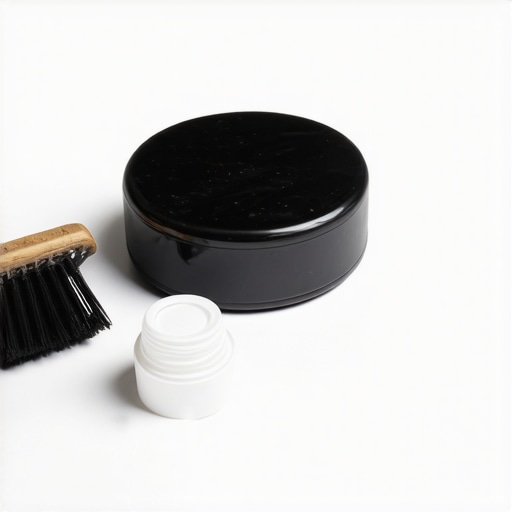
Maintaining your espresso setup doesn’t rely solely on good cleaning habits; it requires the right tools that ensure consistency and longevity. I personally swear by a digital calibration scale for precise dose measurement—trust me, eyeballing shot weight is no longer enough when aiming for perfect extraction. A high-quality tamper with an adjustable pressure feature helps me consistently apply tamping force, reducing channeling and uneven puck formation. For removing stubborn coffee oils from portafilters and baskets, I rely on a dedicated cleaning brush designed with fine bristles—regular toothbrushes just don’t cut it anymore. Additionally, investing in an ultrasonic cleaner can be a game-changer for cleaning removable machine parts like shower screens and filters, ensuring optimal water flow and shower uniformity. As the trend toward automation advances, smart tampers that can be calibrated via smartphone are gaining popularity, promising even more consistency in dosing. Anticipating future innovations, expect these tools to become more intelligent and integrated, offering real-time feedback on tamping and dosing pressures, minimizing human error.
How do I maintain my tools to keep them performing at their best?
Regular, routine maintenance of your barista tools is crucial. For example, cleaning your tamper and grinder adjustments with a soft cloth after each use prevents coffee residue buildup that can affect precision. Applying a small amount of machine lubricant on moving parts—just like your espresso machine—can extend their lifespan. For electronic devices like smart tampers, software updates and battery checks are vital; neglecting these can lead to calibration drift. Keep brushes and cleaning devices stored in a dry, dedicated container to avoid contamination. Remember, well-maintained tools not only improve your shot quality but also preserve their resale or gift value down the line. If you notice your grinder motor laboring or inconsistent dosing, it might be time for a deeper clean or even replacing worn components—it’s better to catch this early than face costly repairs later. To learn more about maintaining grinders, check out the detailed guide on this page for troubleshooting.
Long-Term Results Through Consistent Care
Implementing a disciplined maintenance routine facilitates remarkable improvements over time. I’ve seen my espresso quality become more predictable, with less bitter or sour anomalies, simply by sticking to scheduled tool checks and cleanings. Proper calibration and tool care also mean fewer breakdowns, reducing downtime and replacing parts less often—saving money in the long run. Moreover, a well-maintained setup keeps your gear looking pristine, which is motivating and elevates your brewing environment. Keep a maintenance log or checklist to track your routines, especially for complex machines with multiple components. By investing a few minutes daily and committing to weekly deep cleans, you’ll enjoy coffee that rivals your favorite local café. Don’t underestimate how small, consistent actions can transform your home brewing into a dependable art form—try scheduling a monthly cleaning of your grinder burrs and see the difference it makes in flavor clarity and shot consistency.
Scaling Up Your Setup Without Losing Precision
If your home operation is expanding, choosing scalable, durable equipment becomes essential. Modular machines with easy-to-replace parts and open-source control systems allow adjustments without full replacements. For instance, consider upgrading to a commercial-grade grinder with stepless adjustment for fine-tuning on the fly—this empowers you to perfect each shot as your bean profiles evolve. Automating parts of your workflow, such as dosing with precision scales combined with programmable timers, reduces variability and saves time. Implementing water filtration systems and descaling schedules ensures the long-term health of your boiler and flow mechanisms, especially important as your volume increases. As the industry moves toward smarter equipment, integrated sensors that monitor pressure, temperature, and flow rate will help you detect issues early, preventing breakdowns. Embrace these innovations now to future-proof your setup, making sure your home espresso station can grow without sacrificing quality or consistency.
What I Wish I Knew About Cardboard Filters and Secret Tamping Tricks
One of the most underestimated lessons in home espresso is the importance of tamping consistency. I once believed that pressing harder would yield better shots, but I discovered that uniform pressure and proper distribution are key—check out this detailed guide on tamper leveling errors that sabotaged my results. Additionally, I learned that even tiny variations in dosing or puck preparation can lead to channeled shots, which wreck the flavor. These small insights transformed my brewing discipline and elevated my coffee game more than fancy equipment ever could.
Elevate Your Coffee Experience with Carefully Chosen Tools
My essential tools for perfect home espresso go beyond just the machine. I rely on a digital calibration scale for precise dosing, as eyeballing just can’t match consistent weight measurements—more about this in this article. A high-quality, adjustable tamper helps me always apply the same pressure, reducing variability. For cleaning my portafilter and baskets, a dedicated brush with fine bristles is invaluable—don’t underestimate how much residue can hide in those crevices. For those serious about long-term maintenance, invest in ultrasonic cleaning devices to keep shower screens and filters spotless, ensuring even water dispersion. These are my go-to resources for maintaining peak performance.
Find Your Passion and Keep Moving Forward
There’s an unbeatable satisfaction in waking up to consistently delicious espresso because of the routines you build. Mastering your home setup isn’t just about having great equipment; it’s about cultivating an intuitive understanding of maintenance, technique, and little tweaks that make all the difference. Whether you’re troubleshooting water spots or perfecting crema, remember that every small step adds up. Your pursuit of better coffee is a journey worth embracing—keep experimenting, learning, and refining. So, what part of your espresso routine are you most eager to improve next? Share your thoughts below and join a community committed to brewing excellence.