The Difference Between Ceramic and Steel Burrs for Flavor
Ever had that frustrating moment when your beautifully brewed espresso tastes off, despite following all the advice and tweaking your grind? I remember the first time I dialed in my grinder, excited for that perfect shot, only to be met with a flat, dull flavor that left me scratching my head. It was a lightbulb moment—realizing that not all burrs are created equal and that my choice could make or break the flavor profile I was after.
Why Your Burr Material Choices Can Make or Break Your Coffee Experience
When I dove into the world of home espresso, I quickly learned that the material and design of the burrs—ceramic versus steel—are more than just technical details; they’re the secret sauce to extracting the richest flavors from your beans. Noticing subtle differences in taste and aroma, I became obsessed with understanding which burr type truly supports flavor development and why it even matters.
Is One Burr Material Actually Better for Flavor Than the Other?
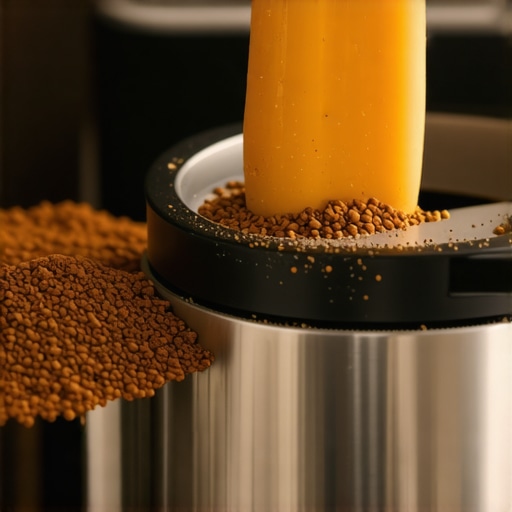
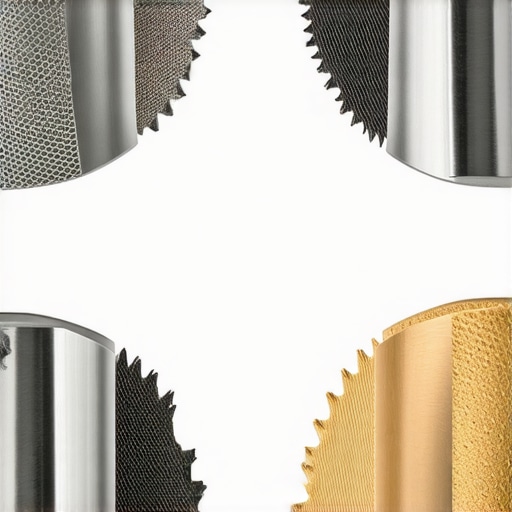
Early on, I made the mistake of assuming all burrs were equal—think cheap steel or basic ceramics from the local shop. My mistake was overlooking how burr material impacts heat generation, grind consistency, and ultimately, the taste. Did you know that ceramic burrs tend to run cooler and produce less heat, preserving delicate flavor compounds? According to a study by coffee experts, heat can degrade aromatic oils in coffee beans, essential for that vibrant flavor we chase (source: Espresso Tech Guide). So, opting for the right burr can help you avoid those flat or bitter shots.
If you’re like me, eager to perfect your brew but unsure where to start, don’t worry. Today, we’ll explore what sets ceramic and steel burrs apart, so you can confidently choose the right gear for your flavor goals. Ready to finally elevate your espresso from good to exceptional? If you’ve faced inconsistent flavors or variable grind quality, stay tuned—this is the part where your home barista skills get a serious upgrade.
Select the Perfect Grinder Settings to Enhance Flavor
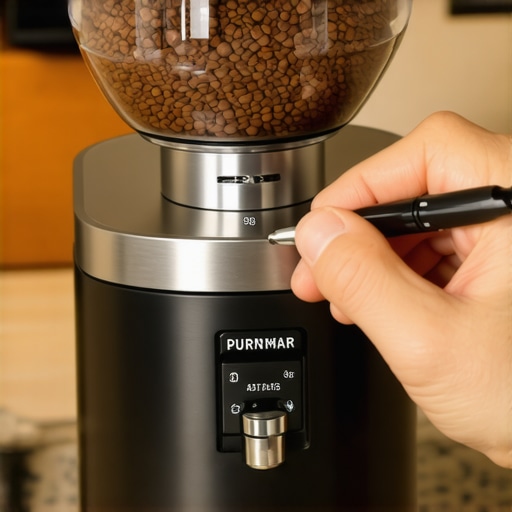
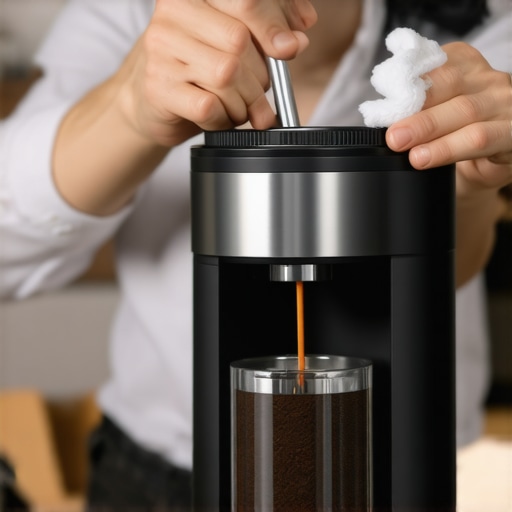
Begin by turning your grinder’s dial to a medium setting. I recall my first attempt—grinding too fine, resulting in a slow, resistance-laden shot. To remedy that, I adjusted the grind coarser, watching the extraction time decrease. Use your machine’s shot timer to aim for an extraction of 25-30 seconds. This guide provides specific benchmarks. Remember, small adjustments matter—change the grinder’s dial in increments of a quarter turn and record the results. Consistency in settings directly correlates with flavor quality.
Dial In Your Grind with Real-Time Tasting
After setting your grind, dose your basket with a consistent amount—typically 18-20 grams for a double shot. Tamp evenly with a tamper that fits your basket size, applying 30 pounds of pressure. Pull a shot and note the flavor: a balanced shot should have a sweet aroma, with no harsh bitterness or sourness. Personally, I once over-tamped, which clogged the flow, yielding a flat shot. Adjust by tamping with less pressure or tweaking grind size to improve flow and flavor.
Consistently Tune to Your Beans and Machine
Every coffee bean is different, and so is every espresso machine. Keep a calibration log, noting grind size, dose, tamp pressure, and shot time. When switching beans, start with the previous settings and tweak from there. If your shot turns sour, try a finer grind; if bitter, go coarser. Regularly clean your grinder burrs to prevent buildup that can cause inconsistent grind sizes, as discussed in this article.
Use the Right Coffee Dose for Optimal Extraction
The amount of coffee you load affects water flow and extraction quality. Use a digital scale to measure doses accurately. For example, increasing from 18 grams to 20 grams can sometimes improve flavor richness, but be cautious not to overload your basket, which can cause channeling or uneven extraction. A regular routine of precise dosing and consistent tamping creates a foundation for flavor improvement.
Maintain Equipment for Reliability
Keep your grinder’s burrs sharp by cleaning and replacing them as needed—dull burrs grind unevenly, leading to inconsistent flavor. Regularly descale your espresso machine to prevent mineral buildup that can alter water flow and temperature. Proper machine maintenance ensures your adjustments translate into better-tasting espresso every time, as detailed here.
Remember, Practice Makes Perfect
Apply these steps methodically, keep detailed notes, and refine your process iteratively. I once spent an entire afternoon adjusting my grind size, recording the results, and tasting each shot—eventually discovering a sweet spot that brought out the full flavor of a locally roasted bean. The key is consistency and patience—your palate will hone with each iteration, bringing you closer to espresso mastery.
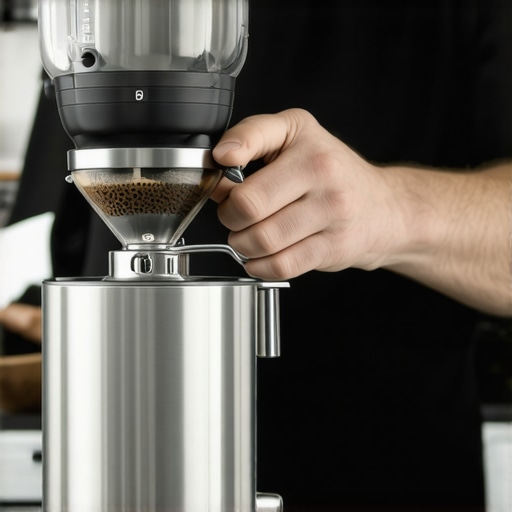 Even seasoned enthusiasts often fall prey to misconceptions about home espresso mastery. One pervasive error is assuming that buying the most expensive espresso machine guarantees perfect shots. While high-end gear can facilitate better results, the real secret lies in mastering technique and understanding the nuances of your specific equipment. For instance, many believe that higher pressure always produces better extraction, but according to experts like those cited in this guide, improper pressure settings or inconsistent tamping can actually harm flavor and crema quality. A common trap is overlooking the importance of grinder calibration; even premium beans can yield bitter or sour shots if the grind size isn’t precisely dialed in. Rushing through maintenance tasks such as descaling or burr cleaning is another sneaky mistake, often leading to flavor degradation over time. For advanced enthusiasts, question the reliability of relying solely on pre-programmed shots. Variable factors like bean freshness, ambient humidity, and even water hardness require ongoing adjustments—it’s not a set-it-and-forget-it process. I once overlooked calibrating my grinder after switching beans, resulting in inconsistent extraction and wasted coffee. Regularly re-evaluate your settings and keep detailed logs to track what works best. Moreover, many home baristas underestimate the impact of steaming technique. Over-expanding milk can destroy delicate microfoam, while under-steaming leaves the milk flat and lifeless. A study from this source emphasizes that milk temperature and texture are critical for flavor integration. Never forget that the smallest detail—whether it’s tamping pressure or cleaning schedule—can make a significant difference. So, next time you’re frustrated with your shots, consider whether a simple myth or overlooked detail might be at play. Want to dive deeper into optimizing your gear and technique? Check out this comprehensive guide. Have you ever fallen into this trap? Let me know in the comments.
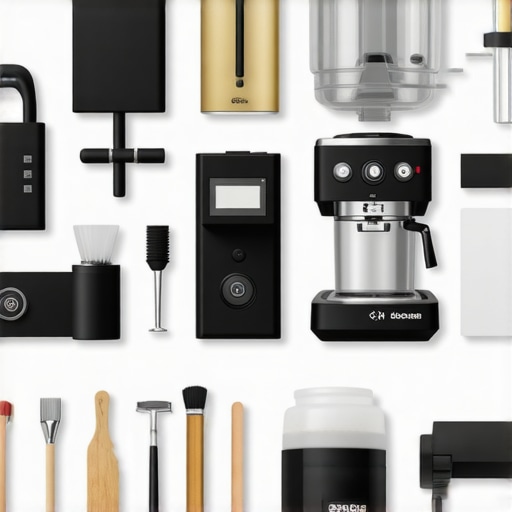
Maintaining your espresso setup is crucial for consistent flavor and reliable performance. Investing in the right tools and establishing a solid maintenance routine can drastically extend the lifespan of your equipment and ensure every shot is top-notch.
Invest in Precision Calibration Tools
One of my go-to tools is a high-precision digital scale, such as the calibration scale. It allows me to measure coffee doses accurately and verify shot weights, which directly impacts extraction quality. Additionally, a dedicated portafilter scale helps dial in tamping pressure by providing real-time feedback, ensuring consistent compaction without guesswork.
For grind consistency, I rely on a visual inspection kit that includes a grinder jam test. Regularly checking burr alignment and sharpness with a simple blade edge tool prevents uneven grounds, which can cause erratic extraction and flavor degradation over time. A well-maintained grinder is the backbone of espresso quality.
Schedule Routine Maintenance for Longevity
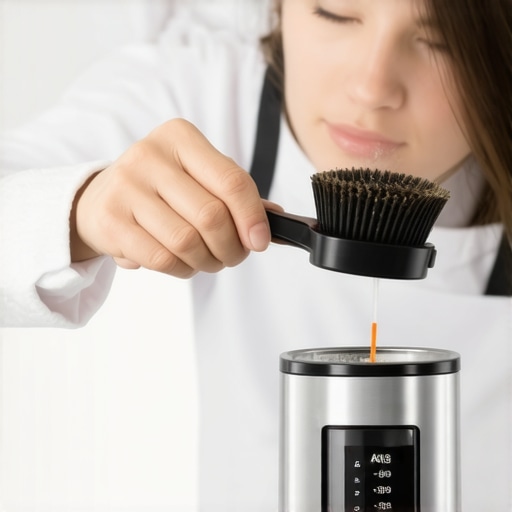
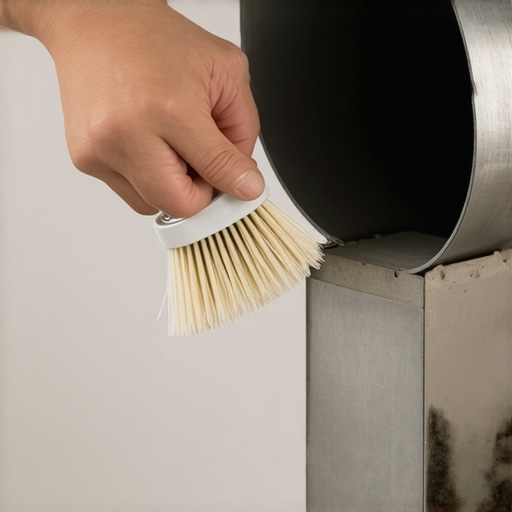
Consistent cleaning schedules can prevent buildup of coffee oils and mineral deposits that impair machine function. I perform a deep clean of my espresso machine every 2-4 weeks, including descaling with products like descaling solutions. For grinder burrs, I’ve adopted a weekly cleaning regimen with a specialized brush, ensuring no residual oils or particles affect grind consistency.
Replacing parts proactively, such as seals, gaskets, and valves, guards against leaks and pressure issues. For example, replacing a worn group head gasket can fix persistent leaks that diminish flavor precision. Keeping a maintenance log helps track what has been serviced and when, streamlining upkeep routines and avoiding overlooked issues.
Tools I Recommend for Long-Term Results
Beyond cleaning supplies and calibration devices, I suggest investing in a quality tamping station. It ensures even pressure, reducing channeling and uneven extraction, which affects flavor clarity. For steam cleaning, a steam wand tool simplifies descaling and maintenance, preserving microfoam quality.
What’s the Future of Home Barista Tech?
Anticipate smart, IoT-connected machines that can self-diagnose issues and schedule maintenance automatically. As technology advances, the gap between home and professional equipment narrows, making high-end brewing accessible and reliable for everyone. By consistently investing in proper tools and upkeep, you can enjoy pristine espresso shots for years to come. For an added edge, try implementing a weekly cleaning routine with a descale and burr refresh—your taste buds will thank you!
To dive deeper into optimizing your gear, visit this guide on maintenance routines and advanced setup tips.
What I Wish I Knew When I Started Elevating Home Espresso
One of the most profound lessons I learned was the importance of patience and meticulous attention to detail. I used to rush through my setup, assuming that decent results would come naturally. But it wasn’t until I started journaling every tweak—adjusting grind size, tamping pressure, and timing—that I uncovered subtle nuances in flavor and extraction. That lightbulb moment transformed my entire approach, teaching me that mastery comes from consistent iteration and listening to your palate.
Another insight was understanding the significance of equipment harmony. It’s tempting to focus solely on high-end machines or premium beans, but I discovered that the synergy between grinder, machine, and technique dictates the final taste. For instance, even a top-tier espresso machine can’t compensate for a dull grinder or inconsistent tamping. Regular calibration and maintenance not only prolong your equipment’s life but also ensure each shot hits its flavor potential.
Finally, I realized that embracing the learning curve makes all the difference. Mistakes—like over-extraction or channeling—are simply part of the journey toward coffee excellence. With every error, I gained valuable knowledge, prompting me to refine my process and enjoy the adventure rather than stress over perfection. Each cup becomes an opportunity to learn and connect more deeply with the craft of home espresso.
Tools and Resources That Elevate My Coffee Craft
My essential toolkit includes a digital scale for precise dosing, which ensures consistency and optimal extraction. I also swear by a grinder cleaning brush—keeping burrs sharp and free of oils makes a noticeable difference. For learning deeper techniques, this detailed guide has been invaluable in honing my skills and understanding the nuances between different beans and brew parameters.
Additionally, I rely on quality barista gear that balances ease of use with precision, enabling me to experiment confidently. Regularly consulting trusted sources helps me stay updated on best practices and emerging tools, ensuring my setup continues to evolve alongside my skills. Investing in these resources has been crucial for transforming amateur forays into a satisfying, professional-level coffee experience.
Your Turn to Brew Fearlessly
Remember, the path to fantastic home espresso is paved with curiosity, patience, and a willingness to learn from every shot you pull. Whether you’re just starting or refining your technique, embracing these insider lessons can elevate your coffee game in ways you never expected. Don’t let the fear of mistakes hold you back—each one is a stepping stone toward mastery. So, grab your grinder, new or old, and start experimenting with confidence—you’re closer than you think to that perfect cup. Are you ready to take your home espresso to the next level? Share your biggest challenge in the comments, and let’s troubleshoot together!»}#}#}]]} } ])}](https://espressotechguide.com/choosing-the-best-barista-gear-for-coffee-enthusiasts) which, coupled with diligent calibration and consistent practice, truly makes every shot a step closer to perfection. After all, your journey in home espresso is a continuous exploration—each adjustment brings new flavor depths and personal satisfaction. So, what’s stopping you from embracing these insider lessons and transforming your coffee routine today? Share your experience or questions below—I’d love to hear about your brewing adventures!