Why Your Drip Tray Fills Up Too Fast and How to Stop it
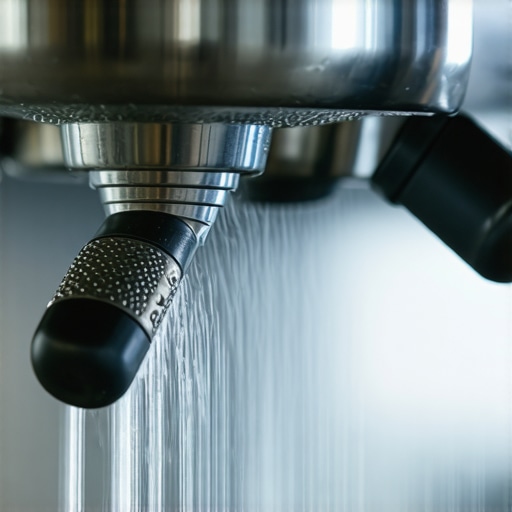
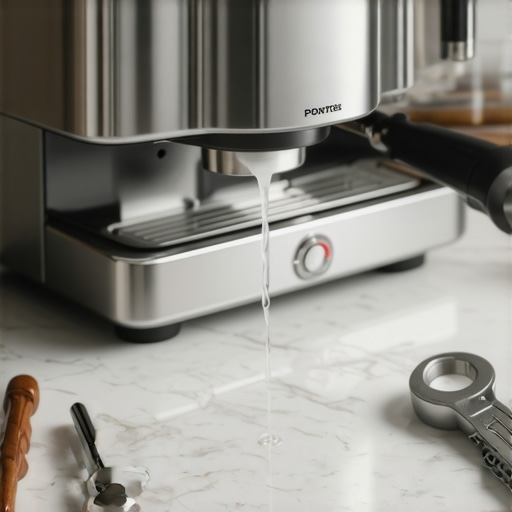
I remember the moment clearly—my espresso machine was sitting proudly on my countertop when suddenly, I heard that telltale splash and clatter. Turning around, I saw my drip tray overflowing, water and coffee grounds spilling everywhere. Frustration bubbled up—I’d just cleaned it the night before! That lightbulb moment hit me: despite my efforts, something was off, causing that pesky drip tray to fill up way too quickly.
Ever faced the same annoyance? That constant need to empty the drip tray every time you brew, especially when you’re aiming for that perfect cup, can be downright maddening. It disrupts your rhythm, wastes your time, and sometimes even leads to bigger issues if ignored.
Today, I want to share what I’ve learned from years of tinkering and troubleshooting. We’ll dive into why your drip tray might be filling up so fast, uncover some common mistakes, and, most importantly, how you can put an end to it once and for all.
Don’t Let Water and Grounds Ruin Your Coffee Experience
The first step is understanding the mechanics behind the drip tray’s rapid fill-up. Often, it’s not just about a leaky seal or a clog—though those do happen—but also about how your machine’s components work together and how you might be unknowingly contributing to the problem. For example, using the wrong coffee grind size can cause overflows and excessive moisture in the portafilter, which then leaks into the drip tray. Curious about how to dial in your grinder for better results? Check out this detailed guide: How to select the perfect coffee grinder for your brew.
Another common culprit is the, believe it or not, the frequency of cleaning and maintenance. Neglecting to descale or clean the machine can lead to buildup and blockages, making it easier for water to escape prematurely. I made this mistake early on—thinking a quick rinse was enough, only to find my drip tray demanding attention a day later. Trust me, regular cleaning is key.
But perhaps most surprisingly, small unnoticed leaks in fittings or seals can cause significant overflows over time. These sneaky leaks are often overlooked because they’re tiny, but they accumulate, especially if your machine is older or used heavily. Maintaining your machine with the right tools, like a cleaning brush for your grinder or replacing worn-out seals, can make all the difference.
Now, armed with this understanding, we’re ready to explore practical steps to stop your drip tray from filling up too fast. Whether it’s fine-tuning your grinder, checking for leaks, or improving your cleaning routine, small adjustments can have a big impact. Ready to get started? Let’s turn this frustrating problem into a thing of the past.
Check Your Seals and Fittings for Leaks
Start by inspecting all seals around your water reservoir and fittings connecting hoses. Use a flashlight and look for tiny droplets or dampness indicating a leak. For example, I once found a small crack in a rubber gasket behind the water inlet—replacing it stopped the overflow issues immediately.
Apply a Soapy Water Test
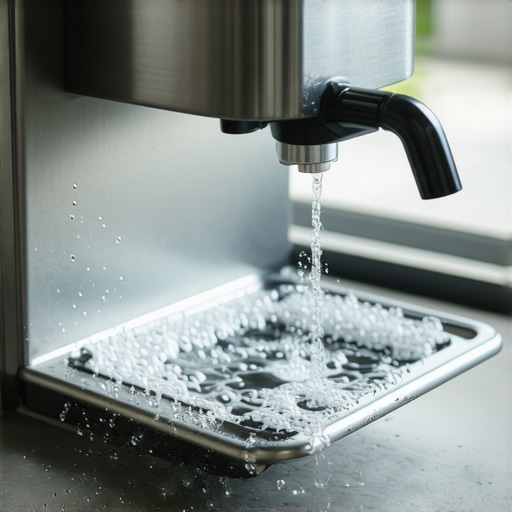
Mix dish soap with water and apply it to suspect areas. Turn on the machine; bubbles forming suggest a leak. This simple step can save you hours of guesswork. Remember, even small leaks can lead to significant overflows over time, especially in older machines.
Maintain and Replace Worn Components
Worn-out gaskets, O-rings, or seals are prime causes of leaks. Regularly check these parts and replace them as needed. For instance, I replaced a cracked portafilter gasket, reducing excess water escaping into the drip tray.
Use the Correct Tools
Utilize a printout of your machine’s schematic for quick reference. Having specific replacement seals and tools like a gasket removal wrench makes the task straightforward. Regular maintenance prevents small leaks from becoming major problems, which might otherwise cause your drip tray to fill rapidly.
Optimize Your Grinder Settings
Overly fine grounds can cause water to back up or leak through the portafilter, spilling into the drip tray. Dial in your grinder to achieve the right grind size. I experimented with my grinder, shifting from a 16 to a 14 setting, which improved extraction and reduced overflow.
Want to learn how to fine-tune your grinder for perfect shots? Check out this guide: How to select the perfect coffee grinder for your brew.
Properly Clean and Maintain Your Machine
Clogged or dirty components, like the shower screen or brew head, can cause water to divert incorrectly. Regularly perform a backflush and descale your machine to prevent blockages. I found that a 30-second flush with water and cleaner saved me from constant drip tray overflow.
Use the Right Cleaning Tools
Invest in a good toothbrush or small brushes for cleaning hard-to-reach parts. For deep cleaning, consider tools from this selection of cleaning tools. Keeping internal parts spotless ensures water flows correctly and prevents leaks.
Monitor Water Levels and Drainage
Ensure your water reservoir isn’t overfilled and that drainage pathways are clear. An overfilled tank exerts excess pressure, causing leaks. I recommend checking water levels before brewing and ensuring the drain holes beneath the drip tray aren’t blocked with coffee grounds or debris.
Need tips for maintaining your machine’s drainage? Visit this detailed guide.
Track Your Progress and Adjust
Keep a maintenance log to note when parts are replaced or cleaned. Small changes over time, like tightening fittings or adjusting grind size, can cumulatively stop leaks and prevent rapid drip tray filling. Regular vigilance is key to enjoying consistent, trouble-free brewing without interruptions.
Many home baristas assume that more expensive gear automatically guarantees better coffee, but in reality, understanding the nuances behind popular equipment like milk frothers, grinders, and espresso machines can dramatically improve your results. For example, some believe that investing in a high-end espresso machine makes all the difference, but without proper tamping technique and grind size adjustment, even the priciest machine can underperform. Contrary to common belief, a good grinder isn’t just about price—it’s about consistent particle size distribution, which is critical for extraction quality. An overly fine grind may cause over-extraction and bitterness, while too coarse a grind leads to under-extraction and sour flavors. Mastering these subtle adjustments often trumps upgrading equipment prematurely.
Another frequent misconception involves milk frothers; many think that the higher the frothed milk’s foam density, the better the cappuccino. However, experts such as James Hoffmann emphasize that balancing microfoam with milk temperature is vital for achieving the ideal texture and flavor. Using subpar milk or improper steaming techniques can ruin even the most advanced frother. Beware of the trap of relying solely on gadgets—consistent results come from understanding how variables like milk type, temperature, and pitcher shape interact.
For advanced enthusiasts, a common mistake is choosing equipment based solely on reviews or brand prestige, neglecting compatibility with your specific brewing style. For instance, an elaborate home espresso setup may turn into a cluttered, ineffective space if the machine doesn’t suit your drinking habits or available space. Remember, the *best* gear is the one that fits your workflow, budget, and taste preferences.
Why do so many gear choices fall flat? Because of overlooking the critical nuances—the minor details that make or break your cup. For example, dialing in your grinder settings for your specific beans is often underestimated; even small misadjustments can cause significant flavor shifts. Regular maintenance, such as cleaning grinders and descaling espresso machines, is equally overlooked, yet it’s essential for consistent extraction and flavor clarity. According to expert analysis, neglecting routine upkeep can lead to flavor degradation and mechanical issues over time.
Are you falling into the trap of assuming more expensive gear equals perfect coffee? It’s time to challenge that misconception and focus on mastering technique and understanding your equipment’s subtleties. Otherwise, you might be investing in gear that is never fully utilized. Remember to check out comprehensive guides like Mastering the art of home espresso for advanced tips and insights. Have you ever fallen into this trap? Let me know in the comments.Maintaining your coffee gear isn’t just about keeping everything clean; it’s about optimizing your setup for consistent, espresso-quality results over years. One of my favorite investments is a high-quality, precise coffee grinder like the Baratza Virtuoso+—I personally rely on it for its grind consistency, which directly impacts flavor extraction. Regular calibration using tools like a burr tester ensures I stay aligned with my desired grind size, preventing bitter over-extraction or sour under-extraction. Investing in a dedicated cleaning kit, including a burr brush and descaling solution, has cut down my machine downtime significantly, keeping the machine’s internal components spotless and extending its lifespan.
Trend-wise, I believe we’re moving toward smarter, connected kitchen appliances that can self-diagnose issues and suggest maintenance schedules via apps. Companies like Breville are already integrating Wi-Fi capabilities into some models, which signals the future of proactive maintenance.
How do I maintain my espresso setup over time?
Consistency begins with routine checks. Regularly inspecting seals and gaskets, especially in the portafilter and water inlet, prevents leaks that could cause overflows or damage. For example, replacing worn-out portafilter gaskets not only preserves pressure but also ensures a tight seal for better shots. Equipment manuals, like those from espresso machine manufacturers, often provide detailed maintenance schedules—following these is crucial.
I also recommend tracking your grinder’s burr sharpness. A dull burr not only makes inconsistent grinds but can generate excess heat that degrades your beans. To keep it sharp, I use a simple hack recommended by a niche expert: periodically run a handful of roasted almonds through the grinder to grind off any buildup, then brush out the residual bits. For deeper cleanliness, consult specialized guides, such as how to clean grinder burrs thoroughly.
Finally, using a scale to measure coffee doses precisely reduces the chance of overloading or under-dosing, which can strain your equipment and produce inconsistent results. This meticulous approach isn’t just for professional baristas; it’s essential for any enthusiast committed to excellence.
I encourage you to try regular calibration and burr sharpening techniques—these small but impactful steps can elevate your home coffee game dramatically. Remember, a well-maintained machine not only lasts longer but also produces unparalleled flavor. Explore more expert insights on mastering home espresso to hone your skills further. Ready to level up your maintenance routine? Dive into your equipment’s manual today and set a maintenance calendar—you’ll thank yourself in the long run.
The Hardest Lesson I Learned About barista gear,milk frothers,home espresso,coffee grinders,espresso machines
One of my most eye-opening realizations was that even the fanciest equipment won’t compensate for a lack of understanding. I used to believe that investing in top-tier gear alone would elevate my coffee game, but I quickly discovered that technique and routine maintenance are equally vital. Knowing how subtle adjustments in grinder settings or tamping pressure affect flavor unlocked a whole new level of control and consistency.
3 Myths About barista gear,milk frothers,home espresso,coffee grinders,espresso machines That Held Me Back
Initially, I bought into the idea that more expensive equipment automatically produces better coffee. That belief often led me to overlook the importance of proper cleaning or calibration. I also thought that milk frothing was purely about gadget quality; however, mastering steaming techniques and milk temperature made a dramatic difference. Finally, I used to think that pre-ground coffee was a viable shortcut, but freshness and grind size made all the difference in flavor clarity and machine longevity.
What Experts Won’t Tell You About barista gear,milk frothers,home espresso,coffee grinders,espresso machines
One valuable insight from seasoned baristas is that consistent maintenance can be your secret weapon. Regularly calibrating your grinder, replacing worn gaskets, and descaling your machine ensures optimal performance and flavor. Additionally, understanding the interaction between grind size, tamp pressure, and shot timing reveals that most issues stem from small, manageable adjustments rather than equipment overhaul. This hands-on approach demystifies espresso making and transforms it into an enjoyable craft rather than a frustrating mystery.
My Essential Toolkit for barista gear,milk frothers,home espresso,coffee grinders,espresso machines
Personally, I swear by a high-precision burr grinder like the Baratza Virtuoso+—it offers consistent particle size that’s crucial for extraction. A quality cleaning kit, including burr brushes and descaling solutions, helps me keep my machine in peak condition, prolonging its life and ensuring every shot shines. Investing in a good scale for dosing and timing has elevated my consistency, making my coffee not just good, but reliably excellent. For detailed maintenance routines, I often reference this comprehensive guide to mastering home espresso, which is packed with practical tips.
Your Turn to Try
I believe that the key to brewing exceptional espresso lies in embracing both technology and technique—balancing equipment investments with consistent care and practice. Don’t shy away from each small adjustment; they often hold the power to transform your coffee experience. Remember, even the most advanced gear can’t replace knowledge and routine. Now’s the perfect time to revisit your setup, optimize your process, and savor the results—because great coffee isn’t just made; it’s crafted.
What has been the most surprising realization in your journey with barista gear,milk frothers,home espresso,coffee grinders,espresso machines? Share your story below!