The Ice Water Hack for Stopping a Bitter Extraction
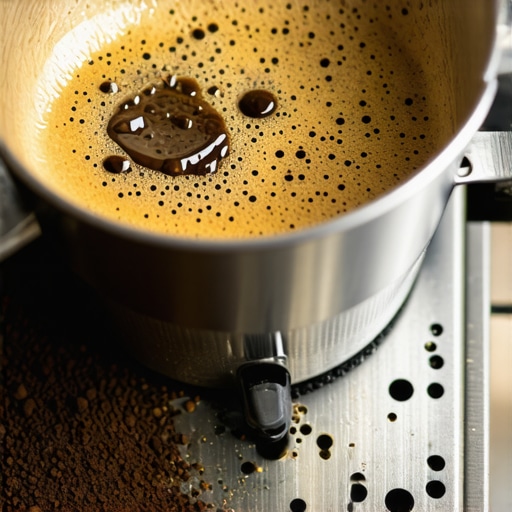
Have you ever brewed what should have been a silky, sweet shot of espresso, only to be met with a harsh, bitter disappointment? I remember the frustration hit me like a brick wall one morning when my carefully calibrated grind and tamp seemed perfect, yet the espresso tasted like burnt rubber. That lightbulb moment hit me suddenly: what I needed was a simple, effective way to stop that bitter extraction in its tracks.
The Breakthrough That Saved My Brew
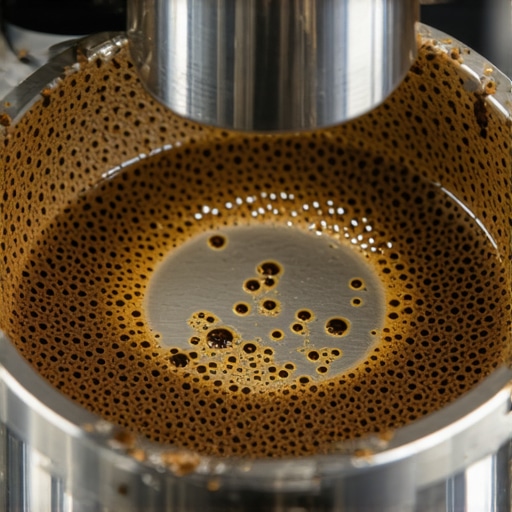
Why does over-extraction happen, and how can ice water help? It all boils down to the temperature at which your water interacts with coffee grounds. High temperatures extract bitter compounds more rapidly, especially if you let the extraction go on too long or if the grind is too fine. The ice water hack acts as an instant cooling agent, effectively freezing the extraction process in its tracks. It’s like pressing a pause button—allowing the delicate flavors to shine through without becoming overshadowed by harsh notes.
But I get it: you might be skeptical. Is this just another gimmick? Or does it really work in real-world conditions? Believe me, I’ve tried the old ‘wait and see’ approach, and it often resulted in either underdeveloped flavor or an unbalanced shot. The key is timing and technique, which I’ll walk you through next.
Are you tired of ending your brew day with a bitter mess? Or have you faced the frustration of over-extracted espresso spoiling your morning? If so, you’re not alone. This simple yet powerful hack has helped me, and many others, reclaim control over our coffee. Ready to explore how to put this newfound knowledge into practice? Let’s dive into the steps that will help you master the Ice Water Hack and finally enjoy that perfect shot.
Prepare Your Equipment and Ingredients
Start by ensuring your espresso machine is heated, and your coffee beans are freshly roasted. Use a high-quality grinder like those described in this guide to achieve a consistent grind size—usually medium-fine for espresso. Set up your tamping station with a calibrated tamper, and prepare a sturdy cup for pouring the shot. Having all your tools ready prevents unnecessary interruptions during the process.
Pull a Baseline Shot
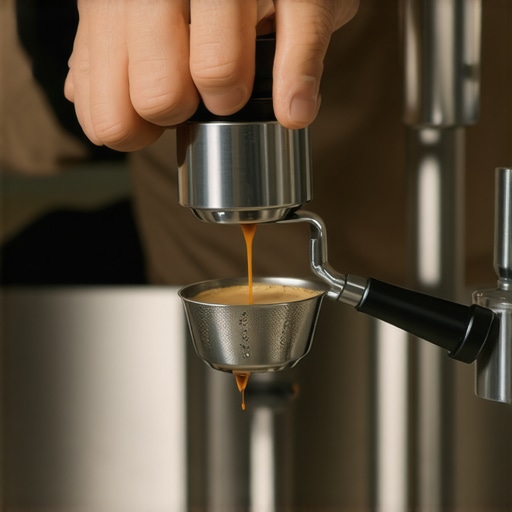
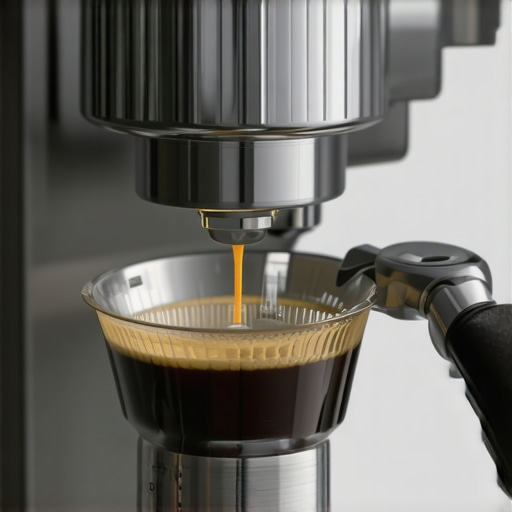
Begin by pulling a standard double espresso shot to gauge your current extraction. Observe the pour—aim for a steady, honey-like stream with a rich, caramel color. If the shot is over-bitter or thin, note the extraction time; ideally, it should be around 25-30 seconds. This baseline helps you compare the effects after implementing the ice water hack, making adjustments more precise.
Implement the Ice Water Hack During Extraction
Watch for the Final Pour
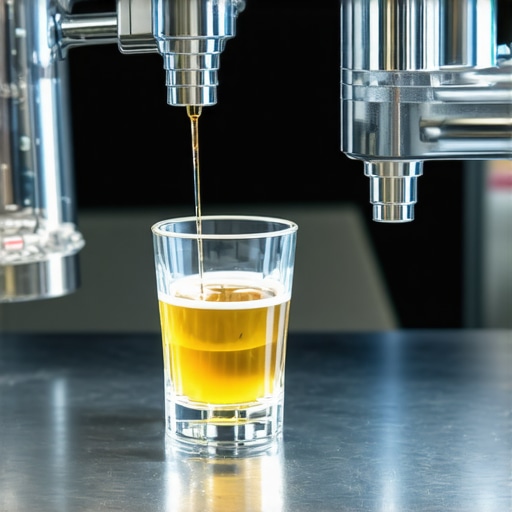
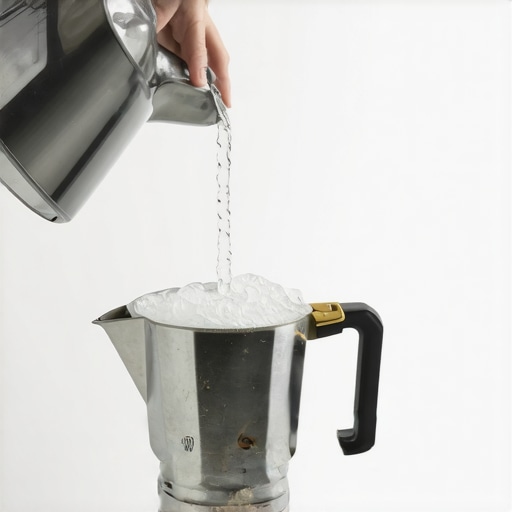
As your shot approaches the 20-25 second mark, prepare a cup of ice water—filled with enough ice to rapidly cool the espresso. When the shot stabilizes and you notice signs of over-extraction—such as a darker, syrupy color—carefully transfer the espresso into the ice water. This quick cooling instantly halts extraction, preventing bitter compounds from developing further.
Use a Controlled Pour
Practice pouring the espresso directly into the ice water without splashing. This step requires a steady hand—think of it like gently dropping hot milk into a cup of coffee; precision is key. Initially, do this slowly to avoid spillage and to gauge how swiftly the temperature drops. Over time, you’ll develop a feel for the timing needed to stop extraction at the optimal flavor point.
Refine Your Technique through Repetition
Repeat the process at least five times, adjusting the moment you transfer the shot into the ice water based on your taste preferences. When done correctly, you’ll notice a significant reduction in bitterness, revealing the nuanced flavors hidden in your beans. Remember, consistent technique is vital—use your home espresso tips to refine your process and avoid common pitfalls like uneven tamping or inconsistent grind size.
Optimize with Equipment Tweaks
If your shots still lean toward bitterness, consider dialing in your grinder settings or adjusting tamp pressure. Proper tamping, akin to leveling a surface, ensures even water flow through the coffee puck. Refer to this article to understand how tamping influences extraction. Additionally, check your espresso machine’s temperature stability and consider descaling if mineral buildup impairs performance.
Document and Analyze Results
Keep a brewing journal noting grind size, tamp pressure, extraction times, and your subjective taste notes. Over several sessions, identify patterns that produce balanced flavor profiles—less bitterness, more clarity. Documenting your journey ensures progress and consistency, propelling you toward barista-level shots at home.
Many home baristas believe they understand their coffee equipment after a cursory glance, but in reality, there’s often a deeper level of nuance that gets overlooked. For example, a widespread misconception is that high-end grinders always produce better shots, but without proper maintenance and correct grind settings, even the most expensive machine can underperform. It’s crucial to recognize that grinders require regular calibration; neglecting this can lead to inconsistent particle sizes, which directly affect extraction quality. As highlighted in this guide, calibration ensures your grinder delivers uniform grounds, essential for a balanced extraction.
Another myth is that espresso machines with dual boilers automatically produce superior coffee. While dual boilers offer temperature stability, many overlook the importance of proper warm-up routines and routine descaling. Failing to maintain your machine can cause temperature fluctuations and mineral buildup—both of which compromise flavor and consistency. Article this article explains how proper preheating and maintenance can be just as vital as hardware features.
For those who think that milk frothers are a simple add-on, the reality is different. The process of creating microfoam is an intricate dance of temperature control, technique, and equipment quality. This resource emphasizes that choosing the right frother and mastering steaming techniques can be the difference between a creamy latte and a watery mess.
Now, for the advanced home enthusiast, consider this: How does the material of your portafilter or the type of burrs influence extraction nuances? Research indicates that flat versus conical burrs can produce different grind properties, affecting shot clarity and body. Specifically, this study suggests that steel burrs tend to preserve flavor integrity over ceramic ones due to heat dissipation differences. Recognizing such subtleties can elevate your brewing from good to exceptional.
One common trap that many fall into is ignoring the impact of water quality. Hard water or mineral-rich sources can cause scale buildup, impairing temperature stability and machine longevity. Regular descaling, as discussed here, is essential not just for machine health, but also for tasting the purest espresso.
Have you ever fallen into these traps or overlooked these nuances? Let me know in the comments and share your experiences. Mastering even subtle aspects of your gear can radically transform your coffee experience, so keep questioning and experimenting!To ensure your high-end espresso setup continues to deliver exceptional brews, regular maintenance becomes crucial. I personally use a combination of descaling solutions like Urnex Dezcal and daily cleaning routines to prevent mineral buildup and bacterial growth, which can compromise flavor and machine longevity. For grinder calibration, I leverage a digital scale and a TDS meter to monitor grind consistency and water quality, ensuring each shot remains perfect over time. Just as a car needs regular oil changes, your espresso machine benefits from scheduled descales, especially if you have hard water, to maintain optimal temperature stability and prevent breakdowns.
Investing in quality tools like a dedicated cleaning brush for group heads and a precision caliper for burr alignment pays off. These small investments save you from costly repairs down the line and guarantee performance consistency.
Looking ahead, the trend is leaning toward smarter maintenance systems integrated with IoT technology. Imagine a machine that automatically alerts you when descaling or component replacement is due—making upkeep seamless and less manual.
**How do I maintain my espresso gear over time?** Regularly inspect seals and gaskets; I replace them every six months to prevent leaks. Keep the grinder’s burrs sharp by running a cleaning cycle with grinder-specific cleaning tablets, and calibrate the dose using a digital scale. Don’t forget the importance of water quality—using a filtration system can extend your machine’s lifespan and preserve flavor integrity. For detailed guidance, check out this resource.
In my own experience, combining routine maintenance with the right tools—like a good burr grinder calibration kit—has drastically reduced shot inconsistencies. I recommend trying a monthly burr calibration using a digital caliper; this small step yields big improvements in shot clarity and flavor. By prioritizing regular, methodical upkeep, you’ll enjoy long-term reliability and exceptional coffee, shot after shot.
Becoming confident behind your espresso machine often involves a series of small victories and unexpected revelations. Throughout my journey, I discovered that even minor adjustments—like recognizing when to implement an ice water halt or understanding the importance of grinder calibration—can elevate your brew quality dramatically. These lessons weren’t just technical; they reshaped how I appreciate each shot, turning a routine task into a rewarding craft.
The Unexpected Secrets That Transformed My Coffee Game
- Timing is everything: I realized that pulling a shot is only part of the story—knowing precisely when to stop extraction, often with a quick ice water splash, saved my beans from bitter over-extraction and unlocked subtle flavor notes I hadn’t previously noticed.
- Equipment care is a game-changer: Regular calibration of my grinder and proper maintenance of my espresso machine, inspired by trusted resources like this guide, kept my equipment performing at peak levels, resulting in consistently better shots.
- Small tweaks, big results: Adjusting tamp pressure or water temperature might seem minor, but over time, these subtle changes accumulated into a vastly improved flavor profile—less bitterness, more balanced complexity.
Essential Tools and Resources I Swear By
- Thermometer and Scale: Precise dosing and temperature control are foundational. A quality digital scale and a accurate thermometer have become my go-to tools, helping me replicate perfect shots every time.
- Grinding Wizards: When it comes to grinders, calibration is key. I trust this calibration method — it’s straightforward and made a significant difference in shot consistency.
- Barista Coffee Reads: Books like this manual opened my eyes to the nuanced art of brewing and tool selection, transforming my approach from trial-and-error to deliberate mastery.
- Maintenance Essentials: Regular descaling and gasket checks protect your investment. I’ve adopted a simple routine based on this advice, which has kept my machine running smoothly and my coffee tasting pristine.
Keep Moving Forward, One Shot at a Time
Cultivating your espresso skills is a journey of experimentation and patience. Every small adjustment, every bit of maintenance, and every moment of learning adds up to a more delicious, satisfying cup. Remember, even the pros keep refining their craft. So, get curious, stay consistent, and don’t be afraid to try new hacks like the ice water method or precise tamping techniques. Your perfect espresso is waiting—are you ready to take the next step?