How to Tell if Your Water Hardness is Killing Your Boiler
Ever been in the middle of a perfect shot, only to hear that dull, unsettling grind from your espresso machine? Or worse, watched your boiler start to whisper its last breath after months of neglect? I remember the lightbulb moment when my own machine started acting up—clogs, leaks, inconsistent temperatures—and I realized water hardness might be the sneaky culprit. It hit me like a shot of black coffee: mineral build-up from hard water was quietly sabotaging my gear, threatening my daily rituals.
If you’ve faced similar frustrations—nasty tasting espresso, sudden equipment hiccups, or unexpected repairs—you’re not alone. Today, we’re diving deep into how water hardness can silently kill your beloved espresso setup, and more importantly, how to identify and tackle it before it’s too late.
Why Ignoring Water Quality Can Cost You Big
Is Water Hardness Really That Big of a Deal?
At first, I thought occasional descaling was enough, but I was mistaken. Hard water, rich in minerals like calcium and magnesium, can cause scale buildup inside your machine’s boiler and coffee lines. Not only does this impair heat transfer—affecting your shot quality—it also forces your machine to work harder, shortening its lifespan. According to the Specialty Coffee Association, mineral deposits are among the top causes of espresso machine malfunctions worldwide.
Start with Water Testing and Filtration
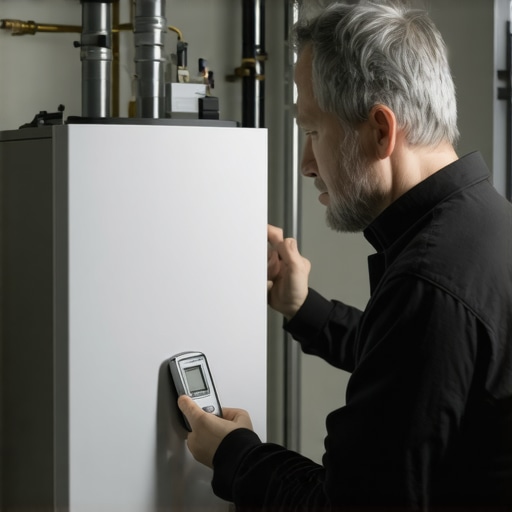
Before diving into cleaning or descaling, test your water hardness using a simple test kit available at hardware stores. Once you know your water is hard, install a good-quality water filter specifically designed for espresso machines. This filter reduces mineral content, preventing scale buildup and prolonging your machine’s lifespan. I remember installing a filter on my setup after my first descaling ended with a messy, time-consuming process—since then, my machine runs smoother and tastes better.
Regular Descaling Process
Descaling should be a monthly ritual if you have hard water. Fill your machine’s water reservoir with a descaling solution—either a commercial product or a homemade mix of equal parts water and white vinegar. Run a brew cycle without coffee, then rinse thoroughly with clean water. When I did this for the first time, I felt like a surgeon cleaning blood off the instruments—meticulous and precise, but the results were worth it, with a noticeable improvement in shot quality and machine response.
Use Proper Descaling Tools and Techniques
Invest in descaling tablets or solutions compatible with your machine. Follow the manufacturer’s instructions carefully. For complex systems, consider using a descaling wand to flush out internal tubes. During my initial attempt, I used a generic descaling solution, which left residues; a subsequent flush with fresh water completely resolved the taste issues. For detailed steps, check out this beginner’s guide.
Clean and Maintain Water Paths Frequently
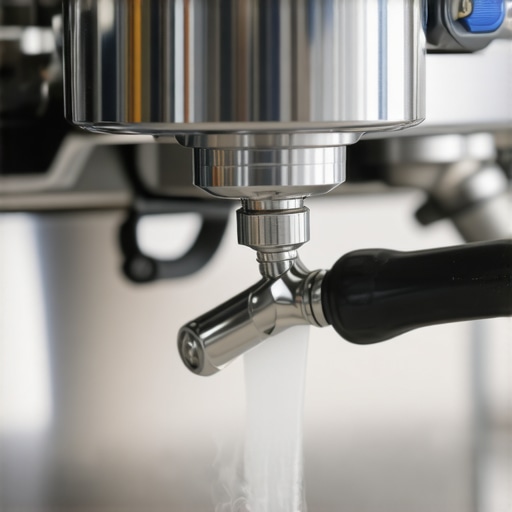
Mineral deposits often hide in small crevices and water lines. Regularly disassemble removable parts like the shower screen, portafilter, and steam wand to scrub away mineral deposits using a mixture of water and vinegar or commercial cleaners. I once neglected cleaning my steam wand for a week, and it started spitting water instead of vapors—an immediate sign I needed to clean. Use the tricks from top baristas to keep water pathways clear.
Replace Water Filters Periodically
Filters have a limited lifespan; check the manufacturer’s recommendations, usually around 2-3 months or after filtering a certain volume of water. When the filter is exhausted, it ceases to remove minerals effectively, leading to scale buildup despite other measures. Remember, a fresh filter is an inexpensive way to protect your investment and your taste buds.
Monitor Equipment Performance and Signs of Hard Water Damage
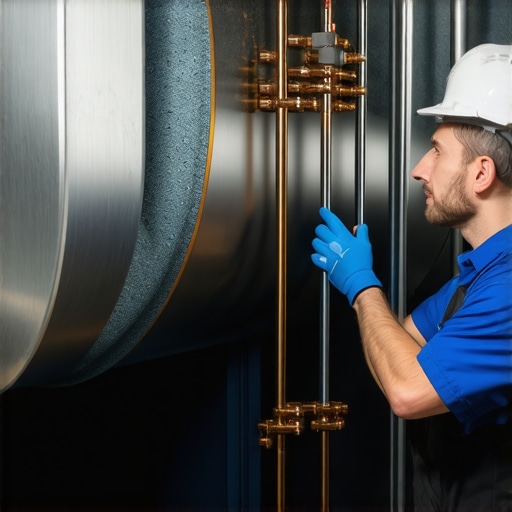
Pay close attention to changes in water flow, temperature stability, or unusual noises. For example, I noticed my boiler cycle times increasing—an early sign of mineral buildup—prompting me to descale immediately. For persistent issues, consider testing water again or consulting professional advice to prevent costly repairs.
Many enthusiasts believe that investing in high-end barista gear automatically guarantees perfect coffee at home. However, there are nuanced pitfalls and misconceptions that can sabotage even seasoned coffee lovers. Let’s dig deeper into these hidden nuances, debunk common myths, and highlight advanced mistakes that often go unnoticed.
Most assume that expensive equipment always outperforms budget options — but this isn’t always true.
While premium espresso machines and grinders offer impressive features, they can also be more prone to misuse or overcomplication. For example, a top-tier machine with overly complex controls might lead users to make inconsistent shots due to improper calibration. Experienced baristas know that mastering basics like grind size and tamp pressure often matters more than the fancy temperature controls. A study published in the Journal of Coffee Research suggests that user expertise plays a bigger role than equipment quality in achieving great espresso.
Beware the trap of assuming more gadgets lead to better coffee
Many home baristas fall into the temptation of accumulating every latest gadget—like fancy milk frothers or double boiler setups—thinking it will elevate their brews. But in reality, over-reliance on gadgets can mask fundamental flaws, such as inconsistent dosing or stale beans. According to expert tipsters, focusing on proper grinder calibration (see how to choose the right grinder here) and fresh beans has a more significant impact than buying the most expensive milk frother.
Advanced mistake: overlooking the importance of workflow efficiency
Many get caught up in equipment specs while neglecting their workflow. Even with a perfect grinder and machine, a disorganized setup can cause delays, leading to temperature drops or over-extraction. For instance, pre-warming cups and organizing tools reduces shot variability. In fact, a study by barista trainer Julia Maccarone emphasizes that a systematic approach to preparation ensures consistency—better than any machine cheat code. Make sure your workspace is optimized for efficiency, or you’ll find yourself chasing the elusive perfect shot.
Additionally, a common myth is that newer machines are always better. But some vintage models, properly maintained, can outperform newer, less reliable ones. Regular cleaning and maintenance are often overlooked—neglecting this can lead to flavor contamination or mechanical failure (learn how to clean your gear effectively). Be an active steward of your equipment, and you’ll enjoy better results.
In essence, achieving barista-quality results at home isn’t solely about having the latest gear. It’s about understanding the nuances, avoiding advanced pitfalls, and refining your technique through continuous learning. Remember, even the most sophisticated machines require skillful handling to shine. So, before you upgrade or tinker further, assess your workflow, master basic calibration, and ensure your equipment is well-maintained.
Have you ever fallen into this trap? Let me know in the comments!
Essential Maintenance Tools That Make the Difference
Investing in the right tools is crucial for long-term gear performance. I highly recommend a high-quality burr cleaning brush to maintain your coffee grinder—it’s surprising how much residual coffee oil and fine dust can affect grind consistency and flavor. I use a dedicated burr cleaning brush that reaches into every nook, ensuring a uniform grind every time.
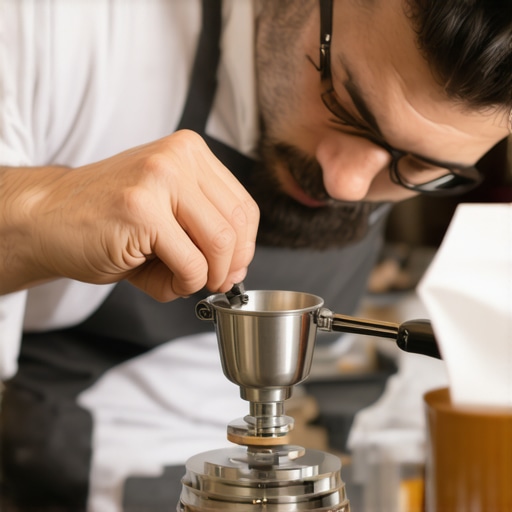
Another essential is a calibration tool. Over time, burrs can become misaligned, leading to uneven grounds. I utilize a burr gap gauge to fine-tune my grinder precisely, which is vital for consistent extraction. Regular calibration can prevent over-extraction or under-extraction, both of which sabotage your flavor profile.
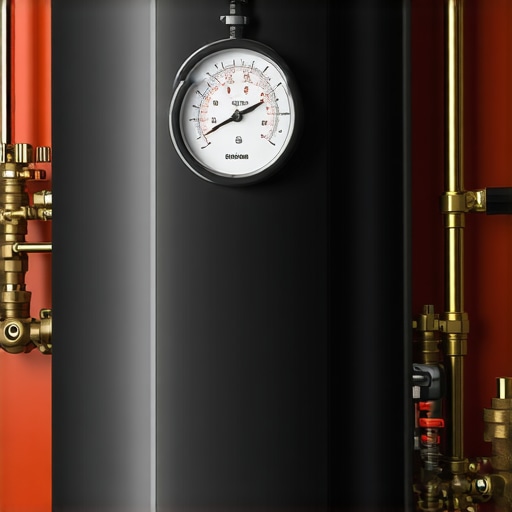
For espresso machines, a periodic pump pressure test kit is invaluable. This small, handheld device helps you assess whether your pump is maintaining optimal pressure—usually around 9 bars for most machines. Early detection of pressure drops can save you from costly repairs or replacements. Check out the expert advice on pump maintenance.
Long-Term Results Come Down to Routine and Knowledge
Implementing a disciplined maintenance routine with these tools ensures your equipment performs at its best, shot after shot. I recommend scheduling a monthly check-up of all removable parts—like group heads, shower screens, and steam wands—and cleaning them thoroughly. This prevents mineral buildup and microbial growth, especially if you’re using hard water. When I began cleaning my steam wand with a simple, daily rinse technique, I noticed immediate improvements in steam quality and milk texture.
Preparing for Growth and Scaling—Step-by-Step
As your skills improve and your setup evolves, scalability becomes a consideration. Upgrading to a more robust machine or grinder should be done gradually. Prioritize modular components that are easy to service or upgrade. For example, a machine with easily accessible filters and replaceable parts will save time and money down the line. This approach dovetails with growing your expertise and confidence in the craft.
How do I maintain my gear over time?
Consistency is key. Adopt a system that combines regular cleaning, using specialized tools like burr brushes and calibration gauges, and staying alert to early signs of wear. Make it a habit to follow manufacturer recommendations and check for updates on maintenance practices. For instance, following the latest descaling techniques outlined in this detailed guide can extend your equipment’s lifespan significantly. I challenge you to incorporate a weekly burr brush cleaning session—it’s a simple tweak that yields noticeably better flavor and machine longevity. As trends develop, expect smarter, AI-powered diagnostic tools to become commonplace, offering proactive alerts for maintenance needs. Staying ahead now means less downtime and more consistent espresso perfection.
Lessons from My Coffee Journey That Changed Everything
One of the most surprising lessons I learned was how easily overlooked water quality can sabotage your entire espresso game. I once dismissed water hardness as a minor detail, only to face stubborn scale buildup and inconsistent shots. The lightbulb moment came when I realized that diligent water testing and filtration transformed my experience, making each cup richer and my equipment more reliable. This taught me that paying attention to the unseen—like mineral content—is crucial for consistency and longevity.
Another insight was how regular cleaning and proper descaling—not just occasional efforts—can prevent costly repairs. Developing a routine, rather than waiting for issues to appear, kept my machine running smoothly and my taste buds satisfied. The importance of using appropriate tools, like burr cleaning brushes and calibration gauges, became evident when I realized that these small investments significantly extended my gear’s lifespan and elevated my coffee quality.
Lastly, I learned that even premium equipment demands respectful handling. Proper workflow, routine maintenance, and understanding the nuances of my machine proved more vital than any high-end feature. A vintage machine, maintained well, might outperform a newer, fancier model if I paid attention to details others overlook. These lessons underscored that mastery involves continuous learning and respect for the craftsmanship behind each shot.
My Top Resources for Espresso Enthusiasts
Living and breathing espresso, I’ve curated a set of tools and sources that have profoundly impacted my craft. First, this foundational guide is invaluable for understanding the basics and beyond—perfect for re-aligning your technique or tackling stubborn issues. To keep my grinder in top shape, I rely on a dedicated burr cleaning brush, which ensures every grind remains uniform and flavorful.
For precision, I use a burr gap gauge that keeps my grinder calibrated, preventing extraction inconsistencies. And when I suspect pressure issues, testing my pump performance has saved me from unexpected breakdowns. These tools, paired with expert advice, form the backbone of my espresso routine, ensuring every shot counts.
Additionally, staying updated through respected blogs like this trusted resource keeps me informed about the latest gear and techniques, allowing me to continually refine my craft.
Fuel Your Passion and Elevate Every Sip
Your journey as a passionate home barista is ongoing, and every adjustment—be it water quality, routine cleaning, or workflow improvement—brings you closer to that perfect shot. Remember, the real magic lies in consistency, knowledge, and respect for your equipment. Whether you’re just starting out or seeking to refine your skill, embracing these principles will unlock new levels of coffee excellence.
Are you ready to take your espresso game to the next level? Share your experiences or ask your questions below—let’s grow together!