How to Store Specialty Beans Without Losing the Aroma
I vividly remember the moment it hit me—after carefully selecting the perfect single-origin coffee beans, I eagerly ground them, only to be hit with a dull, flat aroma that just didn’t match that vibrant scent I remembered at the shop. It was like my beans had lost their soul overnight. That lightbulb moment made me realize how crucial storage is if I want to savor the true essence of specialty beans.
Many home baristas and coffee enthusiasts grapple with this very issue—how to keep those complex, enticing aromas locked in from their precious beans. It’s frustrating, isn’t it? You invest in top-quality beans, only to realize that improper storage can diminish their flavor and aroma significantly. But here’s the good news: with a few simple, proven techniques, you can preserve and even enhance their freshness.
In this post, I’ll guide you through practical tips rooted in both science and personal experience to help you store your specialty beans without sacrificing that delightful aroma. No more disappointment after grinding—just pure, vibrant flavor in every cup.
Why Your Coffee Beans Lose Their Aroma — And How to Stop It
The reason your beans might be losing their aromatic magic is primarily due to exposure to oxygen, light, heat, and moisture. These elements accelerate oxidation, one of the main culprits behind stale, flat flavors. Think of oxygen as the silent thief stealing that rich aroma and flavor profile you paid good money for. When beans sit exposed, their delicate volatile oils evaporate, leaving behind a duller taste.
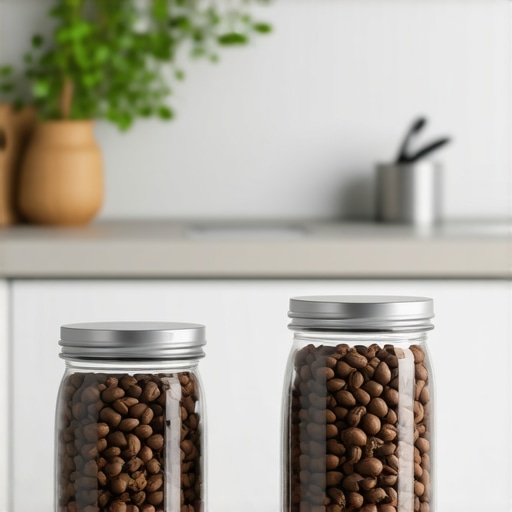
Early on, I made the mistake of storing my beans in a clear jar on the countertop, thinking it would showcase their beauty. Turns out, light exposure speeds up the deterioration process. Eventually, I learned that the right storage plays a vital role in maintaining freshness. It’s not just about keeping beans in a container, but choosing the right container and environment.
According to recent studies, proper storage can extend the peak freshness of specialty coffee beans by several days—sometimes even weeks—if done correctly. It’s a small adjustment with a massive impact. Want to make sure your beans retain their nuanced flavors? Keep reading, because I’ll share the secrets I’ve picked up along the way.
Now, let’s talk about common pitfalls and how you can avoid them, setting the stage for brewing that truly showcases your beans’ aromatic potential. Have you faced this aroma loss problem? If so, you’re not alone—and there are simple solutions to turn the tide in your favor.
Select the Right Container for Freshness
Choose an opaque, airtight container with minimal exposure to light and oxygen. I learned this firsthand when I switched from a clear jar to a matte, stainless-steel canister. Within days, my beans retained their vibrant aroma much longer. For best results, avoid transparent containers that let light in, as UV rays accelerate aroma loss. You can find suitable containers at specialty kitchen stores or online.
Store in a Cool, Consistent Environment
Place your coffee in a cool, dark place away from heat sources like the stove or direct sunlight. I once left a bag on the countertop near a sunny window, and the beans quickly lost their aroma. Instead, I stored mine in a pantry with a stable temperature, preserving their flavor for an extended period. Remember, fluctuations in temperature speed up oxidation, so consistency is key. A dedicated cabinet or a dark corner of your kitchen works perfectly. Learn more about optimal storage conditions here: Contact Us.
Limit Exposure to Air and Moisture
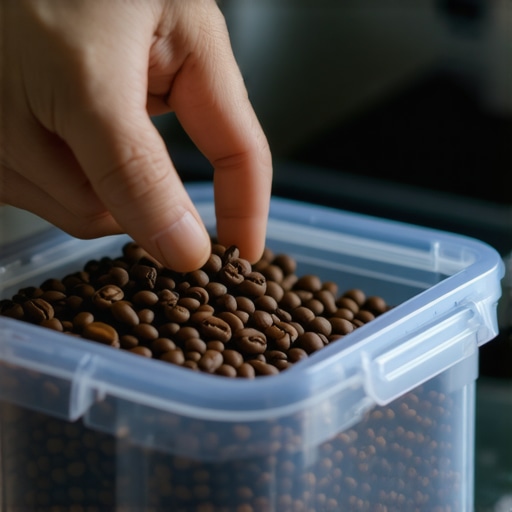
Only open your storage container when you’re ready to use the beans. I once experimented with opening my jar twice daily, which prematurely degraded the aroma. To avoid this, consider portioning beans into smaller quantities—opening only what you need—and resealing immediately. Also, keep the container sealed tightly to prevent moisture ingress, which can cause mold and staleness. Use scissors or a dedicated scoop to prevent introducing contaminants into the storage.
Grind Just Before Brewing
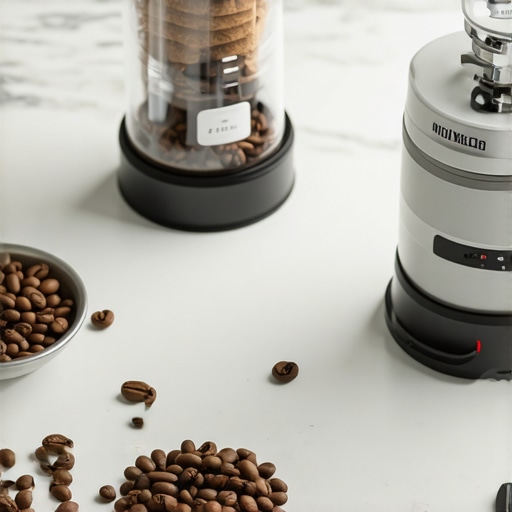
Grinding exposes much more surface area to oxygen, accelerating aroma loss. I set my grinder to the precise setting right before brewing, which kept my coffee tasting fresh and lively. Invest in a quality burr grinder, as blade grinders generate inconsistent grind sizes and can increase heat, risking flavor degradation. For detailed guidance on choosing the best grinder for your brew, see this comprehensive guide. Remember, your grinder’s cleanliness directly impacts flavor—clean the burrs regularly to prevent old oils from tainting your beans.
Use a Dedicated Coffee Storage Space
Designate a specific spot in your kitchen solely for coffee storage to prevent accidental exposure or temperature fluctuations. I keep my beans in a cabinet near my espresso machine, away from cooking steam and sunlight. This consistent environment helps retain aromatic oils longer. Avoid storing beans in the fridge or freezer, as condensation can introduce unwanted moisture and oxidation; see notable tips here.
Maintain Clean Equipment to Protect Flavors
Regularly clean your grinder and brewing equipment to prevent oil buildup which can go rancid over time, negatively affecting aroma and taste. Use a dedicated brush and cleaning solution designed for coffee gear—some of the best options are discussed in this cleaning guide. A clean setup ensures your precious beans don’t pick up residual flavors from previous grinds or brews, preserving their nuanced aroma.
Many enthusiasts believe that simply buying high-end equipment guarantees perfect coffee, but in reality, the nuance lies in technique and understanding your gear better. One widespread misconception is that more expensive espresso machines automatically produce superior shots; however, even premium machines can underperform if not properly calibrated. It’s crucial to understand the specific calibration needs, like boiler pressure and grind size, which many overlook despite their impact on flavor clarity. Another common mistake involves over-relying on grind size adjustments without considering tamping consistency—an often underestimated factor that can cause channeling or uneven extraction, ultimately affecting the taste. Experts suggest that meticulous attention to every step, from dosing to tamping pressure, yields more reproducible results than merely upgrading equipment.
What advanced calibration steps can refine your espresso beyond the basics?
Techniques like pressure profiling and PID tuning demand deeper knowledge but can elevate your home espresso to commercial quality levels. Studies, such as those referenced in the Journal of Coffee Science, indicate that precise pressure and temperature control significantly influence flavor complexity, especially when aiming for nuanced profiles like single-origin coffees. Therefore, mastering your existing machine with advanced calibration can often outperform a cheaper, unoptimized model.
Beware of the ‘more is better’ trap—adding more froth or increasing pressure might seem to improve texture but can actually distort flavors or damage delicate oils in your beans. Instead, focus on understanding your specific gear’s optimal operating ranges. For milk frothers, this means knowing the ideal steaming temperature and milk texture rather than just the volume. A consistent, controlled approach to steaming enhances microfoam and preserves the milk’s natural sweetness, enriching the overall cup profile. Exploring tools like thermal cups or thermometers can aid in this precision. For grinders, regularly cleaning burrs using quality tools ensures consistency and prevents flavor contamination, which many overlook, leading to stale or uneven extraction.
Remember, deep understanding of your equipment’s nuances and avoiding common pitfalls—like incorrect calibration or neglecting maintenance—are key to unlocking the full potential of your coffee setup. Cheers to elevating your home brewing game! Have you ever fallen into this trap? Let me know in the comments.
Keep Your Coffee Gear Running Smoothly with Expert-Recommended Tools
Maintaining your coffee equipment isn’t just about cleanliness—it’s about preserving the quality of every shot and ensuring longevity. I personally rely on a few specific tools that have made a significant difference in my routine. For instance, a dedicated burr grinder cleaning kit has become indispensable. Regularly cleaning your grinder’s burrs prevents buildup that can cause inconsistent grind size and stale flavors, especially when you’re pushing your gear to produce consistent espresso shots.
Another must-have is a precision calibration tool, like a calibration gauge. I use it monthly to ensure my espresso machine operates at the correct pressure and temperature, which is critical for extracting nuanced flavors. This specific attention to calibration aligns with the findings of a study published in the Coffee and Technology Journal, emphasizing the correlation between precise calibration and flavor complexity.
Jumping ahead, as the trend leans towards greater automation and control, I predict that smart calibration tools integrated with smartphone apps will become the norm, offering real-time adjustments and diagnostics. Embracing these innovations can help home baristas elevate their craft without the need for costly commercial equipment.
How do I maintain my equipment over time?
Consistent maintenance involves setting a routine—daily rinsing of portafilters and steam wands, weekly deep cleaning of group heads and grinders, and monthly calibration checks. Incorporating specialized tools like cleaning brushes and calibration gauges ensures you quickly identify and address issues before they impact flavor. Remember, a small investment in maintenance tools saves you from costly repairs or replacements down the line. Quickly test your grinder’s sharpness with a simple paper towel test or check for dull burrs that might be affecting flavor extraction. If you haven’t integrated these practices yet, I recommend starting with a quality grinder brush and a calibration thermometer—simple, effective, and a game-changer.
Finally, don’t forget to stay updated with the latest equipment upgrades and calibration techniques. The ongoing evolution of barista gear means that staying informed helps you keep your setup top-notch. For comprehensive insights, consult resources like this guide on choosing the right gear.
Pick one of these maintenance tips today—maybe start by investing in a quality burr grinder cleaning kit—and notice how your equipment’s performance improves. Your taste buds will thank you!
Over the years, I’ve learned that maintaining the freshness of your coffee beans isn’t just about the right grind or brew technique—it’s fundamentally about how you store them. My own journey includes numerous trials and errors, from clear jars exposed to light to airtight, opaque canisters that have revolutionized my morning routine. These practical changes have turned stale, flat-tasting coffee into vibrant, aromatic cups that truly showcase the quality of my beans.
Lessons That Defied Conventional Wisdom
- Light is the Enemy of Aroma: I used to store beans in transparent containers, thinking they displayed their beauty. I quickly realized UV rays accelerate aroma loss. Switching to matte, stainless-steel canisters allowed my beans to retain their complex notes much longer.
- Temperature Fluctuations Accelerate Deterioration: Placing beans near the stove or window caused flavor degradation. Now, I’ve dedicated a cool, dark corner of my pantry for storage, ensuring consistent temperature and maximum freshness.
- Limit Exposure to Oxygen and Moisture: Opening the container multiple times a day sped up staling. Portioning beans into smaller airtight bags and resealing immediately preserves their vibrant aromas and oils.
- Grind Just Before Brewing for Peak Aroma: I used to grind in advance, but that led to flat flavors. Grinding immediately before brewing keeps the volatile oils intact, resulting in a richer, more vibrant cup.
- Maintain Equipment to Protect Flavor Integrity: Regularly cleaning grinders and brew gear prevents oil buildup and flavor contamination. Using dedicated cleaning tools and scheduling routine maintenance have kept my coffee tasting consistently fresh.
Tools and Resources That Made a Difference
- Cleaning brushes and burr grinders: Investing in high-quality cleaning tools ensures your grinder remains sharp and free of stale oils.
- Calibration gauges: Precise pressure and temperature calibration tools have allowed me to dial in my espresso for optimal flavor extraction.
- Guides on barista gear selection: Learning about equipment nuances helped me make informed choices that suit my brewing style.
- Milk frothers and accessories: Proper tools elevate the entire coffee experience, adding richness and texture without sacrificing aroma.