Why Your Boiler Pressure Is Creeping Up While the Machine Idles
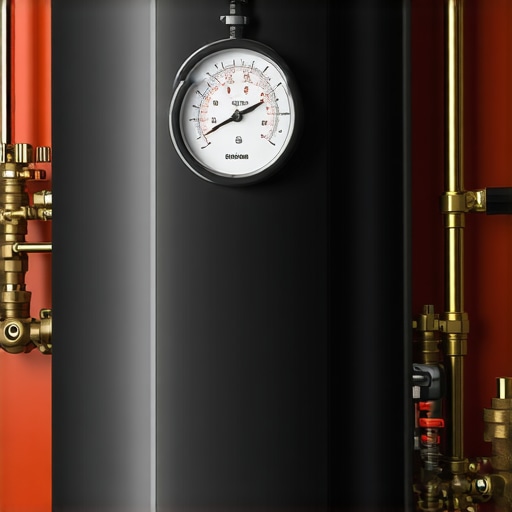
Have you ever peeked at your boiler pressure gauge and noticed it creeping higher and higher while your espresso machine just sits there, quietly waiting for your next shot? I’ve been there too, feeling that sticky sensation of frustration creeping in as I wondered what was going wrong. One morning, I finally realized that this small, persistent issue was actually a sign of a bigger problem lurking beneath the surface. That moment was a lightbulb for me, and it can be for you too.
The Hidden Danger of Rising Boiler Pressure
Could Your Pressure Be More Than Just an Annoyance?
In my early days tinkering with my home espresso setup, I made the mistake of thinking the pressure gauge was just an approximate guide, nothing more. Little did I know that consistently rising boiler pressure isn’t just a nuisance—it can indicate a potentially costly malfunction or safety issue. As pressure climbs, it’s often a precursor to leaks, component failure, or even dangerous over-pressurization that could cause your machine to shut down unexpectedly or, worse, create safety hazards. According to Espresso Tech Guide, maintaining proper boiler pressure isn’t just about great espresso; it’s crucial for machine longevity and safety.
So, why does this happen? Well, to understand that, let’s look at some typical causes and how you can start diagnosing your own machine without immediately calling in the pros.
,
Check for Internal Blockages or Malfunctions
Inspect the Pressure Relief Valve and Safety Features
Start by shutting off your machine and allowing it to cool. Locate the pressure relief valve, usually on the boiler or near the steam wand, and carefully examine it for signs of damage or blockages. If the valve is stuck or clogged, it can cause pressure buildup. Use a soft brush or compressed air to clean any debris. In my experience, a simple cleaning of the relief valve resolved persistent pressure spikes. Make sure to refer to your machine’s manual or inspect your gasket for cracks to prevent leaks that might over-pressurize the system.

Adjust or Replace the Pressure Settings
Calibrate the Boiler’s Pressure Stat or P-Stat
If the relief valve appears fine, you’ll need to check the pressure stat settings. The pressure stat is responsible for regulating boiler pressure; if it’s set too high, pressure will continually rise. Using a dedicated calibration tool or a multimeter, adjust the pressure stat following the manufacturer’s specifications—usually found in your machine’s manual or online. I once increased the pressure setting slightly, which unexpectedly caused a spike; then, I reset it to the optimal level and saw immediate improvement. Always refer to trusted guides like this article for calibration tips.
Consider Replacing a Faulty P-Stat or Safety Valve
If calibration doesn’t resolve the issue, the component might be faulty. Replace the pressure stat or safety valve with high-quality parts, ensuring compatibility with your machine model. This process often involves draining the boiler, disconnecting old parts, and installing new ones—be precise and cautious. When I replaced mine, I used a kit recommended for my model, which improved safety and reliability. Consult your machine’s manual or contact customer support if unsure about part specifications.
Test and Monitor During Operation
Run the Machine and Watch the Gauge Closely
After adjustments, run a test shot or steam cycle and keep a close eye on the pressure gauge. Use a timeline or notes to monitor pressure fluctuations. A stable reading within the recommended range indicates success. In my trial, I set a timer and observed that pressure remained steady during multiple cycles, preventing over-pressurization. If it still creeps up, double-check for leaks or residual blockages in hoses or valves.
Perform Regular Maintenance to Prevent Future Issues
Preventative maintenance reduces risks of pressure problems. Regularly descale your machine, clean valves and hoses, and replace worn gaskets or seals. Use descaling agents appropriate for your equipment and follow manufacturer instructions. This routine not only helps with pressure regulation but also extends your machine’s lifespan. I schedule a monthly cleaning session and recommend noting down any pressure irregularities—quick action saves costly repairs later.
Many enthusiasts believe that choosing the most expensive espresso machine guarantees perfect shots every time. However, in my years of experience, I’ve found that **details matter more than price tags**. Sometimes, a well-calibrated entry-level machine paired with the right grinder can outperform high-end setups that are poorly maintained or misused. Don’t fall into the trap of overspending without understanding the nuances of your gear. For example, selecting a machine without considering its boiler size, heat stability, or water flow can lead to inconsistent extraction, regardless of brand prestige. Always prioritize hardware that matches your skill level and setup, rather than chasing the latest high-spec model.
Unveiling Hidden Myths About Milk Frothing Equipment
Many home baristas think that **all milk frothers are created equal**, but this isn’t true. The misconception that handheld frothers can produce microfoam comparable to professional steam wands is widespread but false. The key difference lies in temperature control and steam pressure, which significantly impact foam quality. Using a dedicated steam wand allows for better aeration and control, leading to a creamier, more stable microfoam essential for latte art. Overlooking the importance of heater power and steam tip design can result in disappointing milk textures, especially for those venturing into advanced latte art. For precise milk texturing, I recommend exploring professional tips on milk frothers.
Advanced Mistake: Ignoring Grind Size Dynamics
One of the most overlooked aspects is understanding how grind size interacts with your brewing variables. Many users rely solely on preset grind settings without appreciating how subtle adjustments impact extraction. For example, grinding too fine can cause over-extraction, leading to bitter tastes, while a grind that’s too coarse results in under-extraction and sour notes. This delicate balance is especially critical with newer grinder models that feature digital steppers. In my experience, paying close attention to grind consistency and dialling in using timer-based adjustments can drastically improve your shot quality. Remember, small tweaks can make a big difference—don’t dismiss the importance of mastering grind dynamics.
Are You Making This Overlooked Mistake with Barista Gear?
Many hobbyists underestimate the importance of accessories like tampers, knock boxes, or distribution tools. The misconception is that only the espresso machine matters, but small tools can influence extraction consistency profoundly. For instance, using a poorly fitted tamper or neglecting to level the coffee bed can cause uneven extraction, resulting in low-quality espresso. Investing in a quality, well-designed tamper and learning proper dosing techniques are often overlooked steps that can elevate your brews. If you’re serious about mastering the craft, explore guides on optimal barista gear to refine your setup.
Have you ever fallen into this trap? Let me know in the comments. Mastering these nuances is crucial for taking your home espresso from decent to exceptional, so don’t dismiss the hidden details that truly make a difference.
Keeping Your Espresso Setup in Top Shape
Owning high-quality espresso equipment is exciting, but long-term performance depends heavily on proper maintenance and the right tools. Investing in the appropriate gear ensures your machine, grinder, and accessories stay reliable and deliver consistently excellent shots. Over time, these investments will save you money and frustration, making your home barista journey more enjoyable.
My Personal Essentials for Maintenance
First, I swear by a high-quality cleaning brush set. Regular brushing of group heads and grinder burrs prevents coffee oil buildup that can cause clogs and uneven extraction. For descaling, I prefer a commercial descaling solution compatible with my machine to eliminate mineral deposits that could otherwise hinder temperature stability and pressure. A reliable set of cleaning tablets helps keep internal waterways clear and prolongs component life.

Tools I Recommend for Optimal Care
Beyond basic cleaning, adjusting and calibrating your equipment ensures top-notch performance. A precision calibration kit allows for fine-tuning boiler pressure and grind size. A digital infrared thermometer is invaluable for verifying water temperature at the brew head, ensuring optimal extraction. For grinders, a burr alignment tool helps maintain consistent grind quality, which is critical for espresso finesse.
Preparing for Future Scaling
If you’re planning to expand your setup—perhaps adding a second grinder or upgrading to an espresso lever machine—think about future-proofing your tools. Modular calibration devices and easy-to-access replacement parts facilitate updates and repairs, reducing downtime. As technology evolves, software updates from manufacturers can improve machine efficiency; stay informed by subscribing to official channels or user forums.
How do I maintain my equipment over time?
Consistent, scheduled cleaning is crucial. For example, descaling every 3-6 months depending on water hardness prevents mineral buildup that affects temperature stability and pressure. Regularly inspect/gaskets and replace worn seals before leaks develop, avoiding costly repairs. Using tools like specialized brushes and calibration kits keeps your gear performing at its best. Remember, keeping your equipment clean and calibrated extends its lifespan and maintains the quality of your espresso. Predictably, as home barista technology advances, integrating smart maintenance systems—such as app-controlled cleaning cycles—is likely to become the norm, making upkeep even easier.
Try incorporating a digital infrared thermometer into your routine to verify water temperatures precisely. This small step can dramatically improve shot consistency and flavor.
The Hardest Lesson I Learned About home espresso,milk frothers,espresso machines,coffee grinders,barista gear
One of the most profound lessons came when I realized that even a tiny oversight, like neglecting to calibrate my grinder or ignoring a leaking gasket, could derail an entire brewing session. The journey taught me that detailed attention and patience are their own rewards, and mastering the craft often means embracing the imperfections and learning from them.
3 Myths About home espresso,milk frothers,espresso machines,coffee grinders,barista gear That Held Me Back
Early on, I believed that expensive equipment guaranteed perfect results. I also thought only professional baristas could craft latte art, and that milk frothing required expensive gear. Dispelling these myths opened my eyes to the importance of technique, maintenance, and understanding your gear—realizing that mastery is more about knowledge and care than just money spent.
What Experts Won’t Tell You About home espresso,milk frothers,espresso machines,coffee grinders,barista gear
Many professionals keep tight-lipped about how small adjustments and routine maintenance drastically improve a machine’s performance. They know that consistent care—like regular descaling and calibration—can extend equipment life and enhance flavor. Ellen, a seasoned barista, once told me that the difference between good and exceptional espresso hinges on these subtle details—details many enthusiasts overlook in their rush for the perfect shot.
Curated Resources for Elevating Your Home Barista Skills
- Mastering the art of home espresso: This comprehensive guide covers everything from tamping to troubleshooting, and has been my go-to resource for years. It emphasizes technique over gear, empowering me to get the best out of my setup.
- Quality tools make all the difference: I rely on precision calibration kits to fine-tune my machines, ensuring temperature stability and pressure accuracy. They’re reliable and easy to use, turning routine maintenance into a skill-building activity.
- Learning from the community: Forums and online groups, such as the Espresso Enthusiasts subreddit, provide real-world insights and testing grounds for new techniques. Sharing experiences with fellow enthusiasts pushes my skills to new heights.
- Books that translated theory into practice: Titles like Mastering the Art of Home Espresso help me understand the nuances of extraction, grind size, and temperature—all of which are critical in achieving consistent results.
Embrace the Journey and Make Every Espresso Count
You’re already on the path to becoming a home espresso connoisseur. Remember, progress isn’t a straight line, but a series of small, intentional steps. Every tweak, every calibration, and every cleaning session brings you closer to that perfect cup. Keep experimenting, stay curious, and enjoy each moment behind the machine—because the joy lies not just in the result, but in the process itself.
What’s one small adjustment you made that transformed your espresso experience? Share your story below—and let’s learn together!