Why You Should Stop Over-Tightening Your Portafilter
Have you ever wrestled with your portafilter, tightening it so fiercely that you almost felt like a barista samurai? I used to do exactly that—squeezing with all my might, convinced that a tight seal meant perfect espresso. But one morning, after a particularly stubborn lock-in, I finally realized I was actually sabotaging my shot. The espresso was bitter, the stream uneven, and my frustration skyrocketed.
The Real Reason You Should Ease Up on That Portafilter
Here’s the truth: over-tightening your portafilter doesn’t guarantee better results. In fact, it can cause more harm than good—stripping threads, warping gaskets, and even leading to inconsistent extraction. It’s a classic mistake I made early on, and I bet many home baristas are guilty of it too.
Is Over-Tightening Actually Worth the Hype?
Let me be straight with you—tightening until your knuckles turn white might feel like you’re doing it right, but it’s a flimsy illusion. Excessive force compresses the gasket, which can prevent water from flowing evenly through your coffee puck. This results in under- or over-extraction—making your espresso taste flat or bitter. Think about it: the goal is a balanced shot, not a locked-in portafilter that could double as a crowbar.
Early in my journey, I made the mistake of tightening so hard that I cracked my portafilter handle. That lesson was a hard-earned reminder that equipment needs love, not brute force. If you’re curious about choosing gear that suits your brewing style, check out this guide on selecting the best barista gear.
Now, I want to help you avoid that mistake and get the most out of your investment. By learning the right tightening technique, you’ll ensure consistent extraction, prolong your equipment’s lifespan, and, ultimately, craft better espresso every time.
Next, let’s dive into why this habit is more common than you think—and what you can do about it. Ready to transform your home espresso game? Let’s get started.
Lock It Just Right
Start by holding the portafilter handle firmly with one hand while guiding the machine’s locking mechanism with the other. Turn the handle clockwise until it offers resistance, then give a final gentle turn—about a quarter to half turn—just enough to lock it securely without over-tightening. For example, I once tightened mine so hard during a test shot that I cracked the handle, causing a leak; easing up not only saved my equipment but improved my shot quality instantly.
Use Consistent Technique
Establish a routine where you tighten the portafilter to the same feel every time. Imagine the handle as a door—you want it closed snugly but not so tight that you need a crowbar to reopen it. This consistency ensures reliable pressure and prevents damage to your gasket or threads. I remember adjusting my grip after noticing my shots became uneven; now, by tightening to a feel, I get consistent extraction without guesswork.
Leverage Tools and Grip
If you struggle with hand fatigue or inconsistent tightening, consider using a portafilter wrench or a tamper handle with a textured grip. Apply steady, even pressure—think of tightening a screw—you don’t want sudden jerks. When I used a wrench for my first few shots, I could fine-tune the tightness precisely, which minimized cross-threading and prolonged the machine’s life. As you get comfortable, you’ll develop a ‘muscle memory’ that becomes second nature.
Practice and Monitor
Adjust your technique during practice runs. After each shot, check if your portafilter feels the same when you lock it in. If you notice it’s too tight or loose over time, revisit your method. During one experiment, I kept tightening more with each shot, leading to gasket wear—once I consciously eased up, the gasket lasted longer, and my shots tasted better. Keep track of your tightening pressure as you go, and you’ll develop an intuitive feel that makes the process effortless.
Check Equipment Compatibility
Ensure your portafilter and machine threads are clean and in good condition. Debris or misaligned threads can cause you to apply excessive force, risking damage. Regularly inspect and clean these parts. When I noticed my portafilter was slightly warped, I replaced it ahead of schedule after consulting this gear guide, which emphasized matching parts to your machine’s specs. Proper fit simplifies tightening and improves seal integrity.
Align for Success
Align the portafilter handle straight and level before turning. Imagine it as steering a bike—proper alignment makes tightening smoother and prevents cross-threading. During my troubleshooting, I found that slight misalignment caused me to over-tighten out of frustration. Making sure everything is aligned pays off in longevity and shot quality.
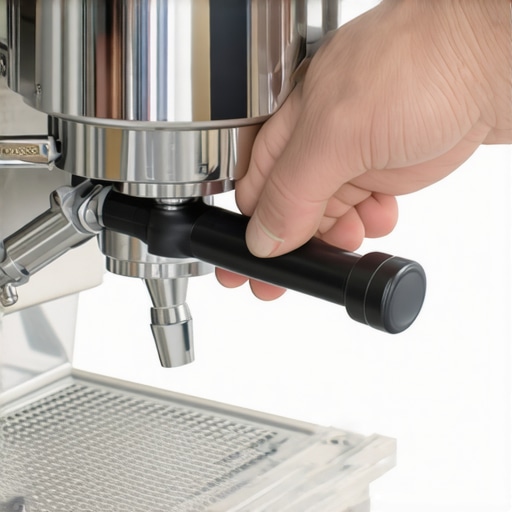
By mastering these steps, you’ll ensure your espresso machine’s gasket remains healthy, your shots stay consistent, and your equipment lasts longer. Remember, practice is key—each tweak helps you develop a feel for just the right amount of pressure. For more tips on maintaining your equipment, explore this beginner guide.
Many coffee enthusiasts believe that the latest high-end espresso machine or the fanciest grinder automatically guarantees perfect shots. However, in my experience, there’s a hidden nuance often overlooked: the true value lies in understanding the equipment’s capabilities and limitations rather than just its specs. For example, a machine boasting advanced features won’t compensate for improper tamping or inconsistent grind size. What most people get wrong is assuming that gear alone will elevate their brewing without mastering the fundamentals. In fact, choosing the right gear requires a nuanced understanding of how each component interacts within your specific setup. Over-investing in the newest milk frother or super-fine grinder without addressing basic issues can lead to wasted money and frustration. An advanced mistake many make is focusing solely on equipment upgrades when the real gains come from technique refinements.
Are premium gadgets always worth the splash? Digging deeper reveals that even experts suggest a balanced approach—prioritizing technique and maintenance before upgrading gear, as highlighted in studies from leading industry professionals. To truly elevate your home espresso game, explore cornerstone guides on selecting the best barista gear and picking the right grinder. Remember, gear is just one part of the equation. Proper maintenance, calibration, and technique matter even more. So, have you ever fallen into this trap? Let me know in the comments and share your experiences with gear upgrades versus technique improvements.keeping your gear in top shape
Managing your coffee equipment effectively requires more than just initial setup; it involves consistent maintenance and the right tools. Regularly inspecting and cleaning your espresso machine, grinder, and milk frother can significantly extend their lifespan and keep your shots tasting perfect. I personally swear by high-quality cleaning brushes and calibration kits that allow me to fine-tune my grinder settings with precision. For example, using a burr alignment tool ensures my grind consistency, which is crucial for dialing in the perfect espresso. Predicting future trends, I believe smart maintenance devices with integrated sensors will become more popular, alerting us before equipment malfunctions occur.
how do I maintain my espresso machine over time?
To keep your espresso machine functioning flawlessly, establishing a routine clean and inspection schedule is vital. Regular backflushing with approved cleaning agents and descaling helps prevent mineral buildup that can affect temperature stability. I recommend checking the water reservoir filter periodically to avoid flavor compromise. Additionally, lubricating moving parts with food-safe lubricant minimizes wear. Maintaining the seals and gaskets is also essential; replacing them promptly when worn prevents leaks and pressure drops. Investing in a set of precision calibration tools allows you to verify boiler pressure and temperature settings, ensuring consistent performance. The key is to adopt a proactive approach—think of it as tuning your instrument before a concert rather than fixing it after a breakdown. You might also explore a comprehensive maintenance kit from trusted brands, which simplifies the process and includes everything needed for routine upkeep.
tools I recommend for long-term success
For grinders, I prefer a detection tool that allows me to align burrs accurately—a crucial step to prevent uneven grinding and inconsistent extraction. When it comes to espresso machines, a deep-cleaning brush kit and a reliable descaling solution are non-negotiable. Milk frother maintenance can be simplified with a sanitary storage container and regular cleaning routines. Using digital tools like temperature gauges aids in monitoring and adjusting boiler settings precisely, ensuring your shots remain consistently excellent. As technology advances, integration of IoT devices will provide real-time diagnostics for home setups, transforming maintenance from a chore into an effortless process.
make maintenance effortless with these tips
Try incorporating a weekly quick check using a simple calibration procedure. This small step can detect subtle changes in your machine’s performance before they escalate into costly repairs. Remember, consistent maintenance not only preserves your gear but also enhances your overall coffee experience. For detailed guides and recommended products, visit the contact page.
Adopting these tools and routines today will set you up for long-term success, saving you both time and money while ensuring every shot is as good as the first. Don’t hesitate to explore advanced techniques like precision burr alignment or automatic descaling. Implementing even one of these practices can lead to noticeable improvements in flavor and machine reliability.
As I embarked on my journey into home espresso brewing, I thought that the key to a perfect shot was all about high-end equipment and precise grind adjustments. But one revelation changed my entire approach: the way I tighten my portafilter holds more power over my coffee than any gadget. Learning to lock it just right unlocked a new level of consistency and equipment longevity that I hadn’t appreciated before.
The Unexpected Lessons behind Proper Portafilter Tightening
One of the most valuable insights I gained was that overly tightening can cause damage—cracked handles, worn gaskets, and inconsistent shots. Conversely, too loose, and you’ll face leaks and uneven pressure. Striking that perfect balance requires more than brute force; it demands sensitivity and practice. By developing a nuanced feel, I avoided costly repairs and improved my espresso quality dramatically.
Why Your Grip Matters More Than You Think
Mastering this skill taught me that cultivating a consistent, gentle tightening technique saves time and money while elevating every shot. It also fostered patience and attention to detail—qualities that translate beyond the espresso machine. If you’re interested in selecting gear that complements your technique, this gear guide offers invaluable insights.
Remember, your equipment is only as good as how well you treat it. By respecting the dynamic tension required for a sealed portafilter, you lay the foundation for every great espresso shot to come.
A Simple Routine for Consistency and Care
I started using a consistent tightening method—holding the handle firmly, turning until resistance, then giving a final gentle turn. This habit not only prevented wear but also made my shots reproducible. Incorporating a brief check after each shot to ensure the handle feels the same comforted me and made adjustments unnecessary. Techniques like these, combined with regular cleaning and inspection, extend your gear’s lifespan and ensure optimal flavor.
Tools like a portafilter wrench or textured grip tamper can make this process more controlled and even more satisfying. When you develop a rhythmic routine, the process becomes second nature, freeing your mind to focus on extracting that perfect crema.
The Power of Mindful Maintenance
Beyond tightening, caring for your gear—cleaning threads, inspecting for warping, and ensuring compatibility—contributes greatly to consistent results. I learned that slow, deliberate maintenance routines shield my investment and safeguard my brewing quality. Regularly checking the condition of gaskets and fittings, guided by resources like the home espresso tips for beginners, provides peace of mind and helps prevent unexpected breakdowns.
A Final Word on Nurturing Your Equipment’s Potential
The journey to perfect espresso is as much about care and technique as it is about high-end gear. Embracing a mindful approach to portafilter tightening and maintenance transforms your interactions with your machine and elevates your coffee experience. Remember, every detail counts—what feels like a small adjustment can unlock a world of flavor.
Insider Wisdom You Won’t Find in Manuals
- The mysterious power of a gentle yet firm grip: It took me time to realize that biting down hard on my handle wasn’t the answer. A nuanced, consistent force produces better seals and preserves my machine’s integrity.
- Over-tightening’s hidden cost: I cracked my first portafilter handle by misjudging resistance. That lesson taught me to respect the natural feedback of the machine, saving me money and headaches.
- The importance of matching gear to your technique: Upgrading to a better grinder or espresso machine won’t help if your grip and routine are inconsistent. Balance technique with quality gear for true mastery.
- Routine consistency beats technical wizardry: Establishing a tightening routine created a stable base, allowing other variables, like grind size, to shine. Quality coffee is often about the small, deliberate habits.
- Maintenance as a form of respect: Treating my equipment with regular care extends its life and keeps my espresso tasting fresh. Think of it as nurturing a relationship, not just fixing a machine.
My Toolkit for Coffee Success
- Gear guide for selecting the best equipment: It helped me choose compatible, durable parts that suited my brewing style, making my maintenance routine straightforward. Check out this comprehensive gear guide.
- Precision tools for grinder alignment: Using a burr alignment kit has minimized static and inconsistent grind sizes. This Tiny investment pays off with better shots every time.
- Cleaning and descaling resources: Regular use of quality cleaning brushes and descaling solutions keeps my machine running smoothly. For tailored recommendations, see top-rated espresso machines.
- Maintenance checklists: Routine inspection routines have become second nature, preventing major issues and ensuring flavor integrity. Adopting this habit transformed my approach to home brewing.
Your Next Step: Elevate with Confidence
Mastering the art of portafilter tightening is more than a technical skill; it’s a step toward a mindful, rewarding coffee journey. With patience and consistency, you’ll unlock flavors and aromas that truly reflect your craftsmanship. The best espresso isn’t just made—it’s nurtured.
Are you ready to refine your routine and embrace this simple yet powerful practice? Share your experiences below—what’s your tightening technique, and how has it changed your brew? Let’s learn together and elevate our coffee game to new heights.