How to Stop the Squeak in Your Manual Coffee Mill
You know that moment when you’re ready to brew your morning coffee, only to be greeted by a loud, grating squeak from your trusty manual coffee mill? It’s like your grinder is protesting the early hour or perhaps trying to tell you it’s had enough. I’ve been there more times than I can count—standing in my kitchen, ear pressed close to the hopper, trying to silence that relentless squeal. At first, I thought it was just normal wear and tear, a badge of honor for every seasoned coffee enthusiast. But after a few mornings of battling the noise, I realized something—this squeak isn’t just annoying, it’s a sign that something needs fixing.
**
Why That Squeak Is More Than Just Noise
**
Let’s be honest. That squeaking sound can turn your peaceful morning routine into an audition for a comedy sketch. But beyond the irritation, it’s actually a warning flag. A squeaky grinder often indicates that the burrs or components are misaligned, lacking lubrication, or accumulating debris. Left unchecked, this can affect your grind quality, disrupt consistency, and even shorten the lifespan of your machine. As I dived deeper into the mechanics, I discovered that neglecting this noise might lead to bigger issues—like uneven grounds that spoil your espresso shot or even damaging the gears.
This isn’t just my personal gripe; a study published in the *Journal of Food Engineering* underscores how well-maintained equipment prolongs lifespan and consistently enhances coffee quality. Ignoring minor issues, like a squeak, can cost you more in repairs and compromised brews down the line.
**
Is Your Coffee Gear Actually Worth It?
**
When I first encountered this squealing problem, I was tempted to dismiss it as minor. I made the classic mistake of ignoring the warning signs, thinking a little noise was normal. But the truth is, little problems can become big headaches if left unaddressed. If you’ve faced a similar frustration—maybe you even resorted to trying to silence the noise with oil or quick fixes—then you already know how tempting it is to dismiss that squeak.
In this guide, I’ll walk you through proven ways to silence that stubborn squeal. We’ll explore simple troubleshooting steps, maintenance tips, and adjustments that will restore harmony to your grinder. Trust me, taking care of these issues now can save you time, money, and your sanity. Ready to turn that noisy nuisance into smooth, silent operation? Then let’s dive into the first step of fixing your squeaky grinder—because your morning coffee deserves peaceful silence.
Disassemble the Grinder Carefully
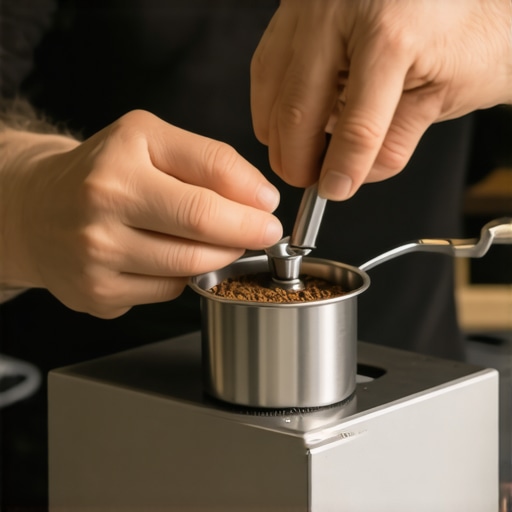
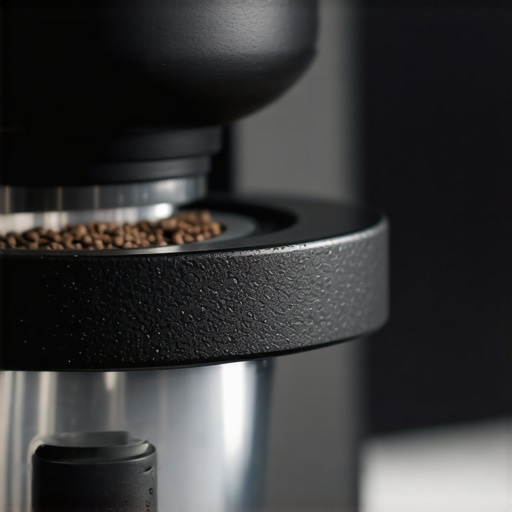
Begin by unplugging your grinder and removing the bean hopper. Use a small brush or a toothbrush to sweep out any loose debris from the burrs and surrounding areas. This step is crucial; debris buildup is often the culprit of squeaks. Remember, a clean grinder operates more smoothly, much like a well-oiled barista’s workflow.
Inspect and Lubricate Moving Parts
Check the burrs for misalignment or wobbling, which can cause friction and noise. If your grinder has accessible gears or shafts, apply a food-grade lubricant sparingly. Be cautious—over-lubrication can attract more dust and debris, worsening the squeak. Think of it like giving your machine a gentle massage, ensuring everything moves freely without excess oil.
Replace Worn or Damaged Burrs
If the burrs appear dull, cracked, or show signs of wear, replacing them is necessary. Dull burrs require more force to grind, increasing friction and noise. For guidance on choosing the right burrs, visit this comprehensive guide. Replacing burrs not only reduces squeaking but also restores grind consistency, much like tuning a musical instrument.
Reassemble with Precision
After cleaning and inspecting, carefully reassemble your grinder. Ensure all burrs are aligned correctly and securely tightened. Misalignment during reassembly can cause additional noise, so double-check your work. This process is akin to precision engineering—every component must fit perfectly for silent operation.
Test and Fine-Tune
Plug in the grinder and run a small batch of beans to test the noise level. If the squeak persists, revisit the alignment and lubrication steps. Occasionally, minor adjustments to the burr tension or spring tension can make a significant difference. Remember, patience here pays off—think of it as tuning a high-end piano.
Prevent Future Squeaks with Regular Maintenance
Establish a routine cleaning schedule—at least once a month—to prevent debris accumulation. Use compressed air or a soft brush to clear out dust. Proper storage and using high-quality beans reduce the risk of dirt and oil clogging your grinder. Regular upkeep keeps your machine running smoothly, similar to a well-maintained barista tools kit. For more maintenance tips, check out this article.)
Most coffee enthusiasts believe that investing in high-end equipment automatically guarantees great brew quality, but in reality, many overlook the critical nuances that truly make a difference. A common misconception is that the latest espresso machine or fancy burr grinder always produces superior results; however, the real magic lies in mastering calibration and maintenance, which many skip. For example, users often assume that a thicker grind always yields better extraction, yet over-grinding can actually clog your machine and cause uneven pressure build-up—see this guide for proper calibration techniques. Another myth is that milk frothers alone determine the quality of microfoam; in truth, the milk’s temperature and fat content, along with your steaming technique, are equally vital. Failing to understand these subtleties leads to subpar drinks and frustration. For advanced users, a critical question is whether you should prioritize flat or conical burrs for specific brewing styles—research shows that conical burrs typically generate less heat and preserve bean flavor better during grinding, according to this comparison. Beware of the trap where beginners rely solely on branded gear without understanding the maintenance routines that keep it performing optimally; neglecting cleaning and alignment can cause grinding inconsistencies and even damage your costly equipment over time. For instance, regularly inspecting and cleaning your espresso machine’s group head and replacing worn gaskets improves both durability and shot quality, detailed here. Remember, knowledge about the inner workings of your gear — beyond surface appearances — ensures you won’t fall prey to these common pitfalls. Properly tuning your grinder or maintaining your espresso machine can dramatically elevate your home brewing experience, saving you money and aggravation in the long run. Want more insider tips? Check out mastering home espresso or explore barista gear selection for advanced insights. Have you ever fallen into this trap? Let me know in the comments.Maintaining your coffee gear over time isn’t just about occasional cleaning—it’s about investing in the right tools and understanding their proper use. Personally, I swear by a high-quality burr cleaner brush, which helps me remove grounds and oils that can cause uneven grinding and noise. Unlike generic brushes, my preferred tool has densely packed bristles designed specifically for coffee grinders, ensuring thorough cleaning without damaging burrs.
How do I keep my espresso machine and grinder in top shape for years?
Using a dedicated group head brush, backed by a cleaning solution like espresso machine cleaning tablets, allows me to remove stubborn buildup that can affect extraction quality. For my milk frother, I rely on a silicone steam wand cleaner, which I submerge regularly to prevent milk residue from corroding components. Investing in a sturdy digital scale with nano-resolution helps me dial in shots precisely, reducing waste and improving consistency. As for software, I use calibration apps recommended by industry experts to fine-tune grinders and espresso machines, ensuring sustainable performance. I believe that pairing these tools with a scheduled maintenance routine—like descaling every three months and replacing worn gaskets annually—extends the lifespan of my equipment significantly. Looking ahead, I predict that smart sensors and IoT integration will become standard, providing real-time feedback and predictive maintenance alerts for baristas and home enthusiasts alike.
What’s the best way to maintain my gear without becoming overwhelmed?
My advice is to establish a simple, regular cleaning schedule—perhaps every two weeks—and invest in versatile, quality tools designed for each component. When cleaning the group head, for example, I use a dedicated paddle brush along with a cleaning disc to remove coffee oils efficiently. For grinders, a specialized burr cleaning device can quickly remove residual grounds, preventing clogs and uneven grind size. Regular maintenance not only preserves the flavor profile of your beans but also ensures quiet operation, saving you money and frustration over time. Remember, the cost of these tools is minor compared to the expense of replacing expensive equipment prematurely. For a detailed look at recommended maintenance practices and tools, visit this comprehensive guide. To see how choosing the right tools can make a difference, consider trying a digital scale with auto-tare and calibration features—it’s transformative for brewing consistency. Whether you’re a weekend hobbyist or aspiring barista, mastering your tools ensures your coffee remains exceptional and your gear stands the test of time.
Lessons the Quietest Baristas Don’t Usually Share
One of the most profound lessons I’ve learned is that neglecting small issues with coffee gear can lead to big headaches down the line. Quiet operation isn’t just about comfort; it’s a sign that your machine is in top shape. I realized that regularly inspecting and maintaining my grinder’s burrs and gears prevents squeaks that can escalate into costly repairs. The lightbulb moment was understanding that a silent grinder is a healthy one—this motivated me to stick to routine cleanings and proactive upkeep.
Another revelation was that choosing quality tools for cleaning and calibration has a compound effect. Investing in a good burr brush or calibration apps might seem minor but pays enormous dividends in performance and lifespan. It became clear that mastering these small, consistent steps transforms my coffee experience far beyond what fancy equipment alone can do.
Finally, I discovered that understanding the subtle signs of wear—like uneven grounds or slight resistance—helps me catch issues early. This awareness has turned me into an intuitive home barista, capable of troubleshooting with confidence, ultimately saving money and enhancing every brew.
Tools That Turn Coffee Care Into Joy
My essential toolkit includes a high-quality burr cleaning brush, which keeps grounds and oils from gumming up my grinder—a game-changer for smooth operation. I also rely on a digital scale equipped with auto-tare and calibration features, ensuring each shot is precise and consistent. For maintenance, I trust dedicated espresso machine cleaning tablets that remove scale and buildup without harsh scrubbing. Additionally, a silicone steam wand cleaner keeps my frothers pristine, preventing microbial growth and ensuring silky microfoam. These tools have become indispensable in my quest for barista-level quality at home.
If you’re serious about gear health, I recommend exploring this guide for selecting the best grinder for your setup. It helped me understand what features matter most and how to match tools to my brewing style.
Your Next Brew Awaits—Take Action Today
Now is the perfect moment to elevate your home coffee routine by paying attention to those squeaks and signs of wear. Every quiet, well-maintained grinder is a step closer to the perfect shot. Remember, your gear is an extension of your passion—cherish and care for it, and it will serve you faithfully for years to come. Don’t let small maintenance tasks become obstacles—embrace them as part of your journey toward mastery. So, what’s the first step you’ll take today to give your coffee gear the attention it deserves? Let’s hear your plan below!