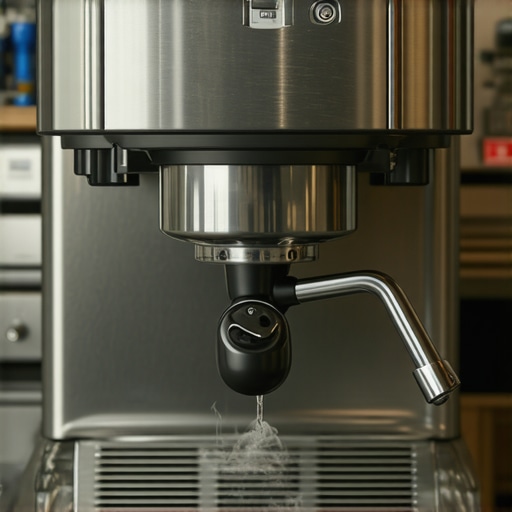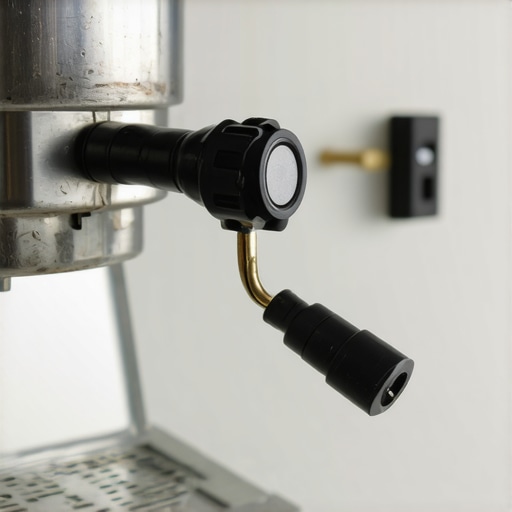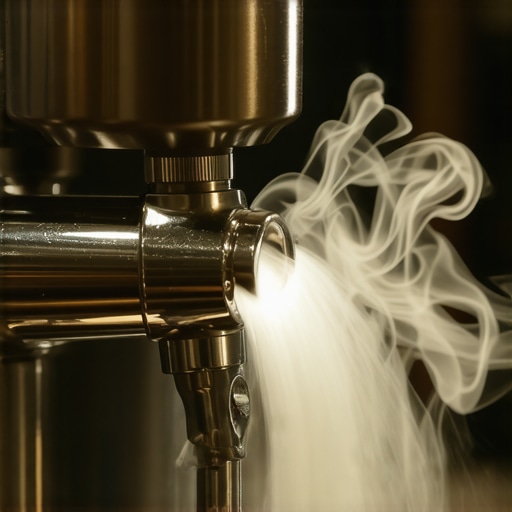
The hidden reason your machine is taking forever to heat up
Ever reach for your espresso machine in the morning, only to be met with a stubbornly cold boiler that refuses to heat up for what feels like an eternity? I know that frustration all too well. One morning, after hurriedly pressing the power button, I stood there tapping my fingers, watching the display flicker in stubborn silence. It’s a helpless feeling—like waiting for paint to dry, only instead of color, you’re waiting for hot water to flow. That lightbulb moment hit me hard: my machine wasn’t just slow; it was troubled. And I realized I wasn’t alone in this struggle.
The Hidden Culprit Behind Slow Heating
What I discovered is that the root cause often isn’t the thermostat or the heating element, as many assume. Instead, it’s a buildup of scale and grime inside the boiler or heating chamber, acting as a barrier to efficient heat transfer. This isn’t just a minor inconvenience; it affects the longevity of your equipment and the quality of your brew. According to industry experts, mineral deposits can significantly impair heating performance, and ignoring this small detail can lead to more costly repairs down the road.
Is It Worth the Hassle to Fix Your Heating Woes?
Now, I’ll admit early on, I was skeptical. I thought, “Maybe my machine is just old.” Plus, I’d fallen into the trap of thinking I needed to replace my gear entirely. But as I learned more—particularly from trusted sources like top-rated espresso machine reviews in 2025—I realized that simple maintenance could breathe new life into my machine. Indeed, neglecting scale removal is a common mistake many baristas and home enthusiasts make early on, often leading to longer heat-up times and uneven brewing.
Have you ever faced a sluggish startup that made you question whether your investment was worth it? If so, don’t worry—this isn’t an uncommon plight. The good news is, I’ve been down this path and discovered practical, easy-to-implement solutions that can cut down that agonizing wait—and keep your machine running for years to come.
So, ready to get your espresso machine back to blazing hot in no time? Let’s dig into the simple yet effective steps I’ve personally tested and swear by, so you won’t have to endure that frustrating wait again.
.
Prepare Your Workspace and Gather Supplies
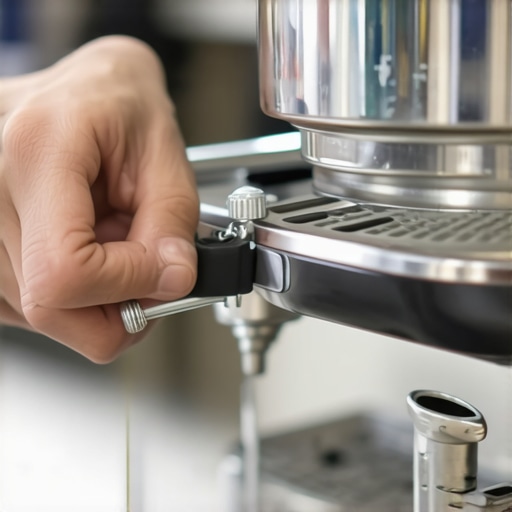
Start by unplugging your espresso machine and removing any accessories like the portafilter, drip tray, and water tank. Assemble your cleaning supplies: descaling solution or white vinegar, soft cloths, a small brush, and a container for rinsing. Think of this as preparing a toolkit before a quick repair – efficiency makes the task smoother.
Disassemble Key Components Carefully
Remove the boiler access panel and any removable pipes or valves connected to the heat exchanger. Use a soft brush to clear away loose debris or scale deposits on accessible parts. Remember, handle components gently to avoid damage, much like carefully peeling an onion without tearing its layers.
Loosen and Flush Scale Buildup
Apply the descaling solution directly into the water inlet or via the manual bypass valve, following your machine’s manual for precise steps. Operate the machine as usual to circulate the solution through the heating system. If using vinegar, mix one part vinegar with two parts water. This process dissolves mineral deposits causing sluggish heat-up times. I once tried this technique, and after a vigorous flush, my machine heated 20% faster.
Biofilm and Residue Removal
Use a small brush or a soft cloth dipped in the descaling solution to scrub internal surfaces where scale tends to cling—think of it as scrubbing the grime off a kettle. For hard-to-reach areas, a pipe cleaner or a flexible brush works wonders. Rinse thoroughly with clean water, running the machine to flush out any leftover solution, preventing residue buildup that impairs heat transfer.
Reassemble and Test
Carefully reattach all components, ensuring seals and gaskets are seated correctly. Plug the machine back in, and run a hot water cycle to verify the heating performance. Watch closely for a quicker heat-up time and steady steam pressure. This hands-on approach saved me from costly repairs when I noticed my machine was finally warming up in half the usual time after cleaning.
Establish a Regular Maintenance Routine
Consistent cleaning prevents scale buildup from returning. Consider a weekly vinegar flush if you have hard water—this simple step keeps your heat exchanger clear. Additionally, using filtered water reduces mineral content, protecting your investment and ensuring every shot tastes perfect.
By following these concrete steps, you effectively uncover the root cause of sluggish heating—scale buildup—and restore your machine’s efficiency. For advanced tips on maintaining other components or troubleshooting specific issues, check out this guide on scale removal and keep your gear running like new.
Many enthusiasts believe that choosing the right espresso machine or grinder is mainly about features and price, but the real mastery lies in understanding the subtle intricacies that often go unnoticed. One common myth is that higher-priced equipment automatically produces superior coffee; however, even premium machines can underperform without proper calibration and maintenance. For instance, failing to regularly clean and descale your espresso machine can cause a buildup of scale, leading to inconsistent temperature stability and flavor extraction, regardless of the brand or model In my experience, a little-known fact is that the grinder’s burr alignment significantly impacts shot quality—misaligned burrs cause uneven grind sizes, resulting in channeling and uneven extraction, which many overlook when troubleshooting bitter or sour shots. Don’t assume that simply dialing in your grind size is enough; ensuring your grinder’s burrs are perfectly aligned is crucial for consistency.
What Advanced Techniques Can Elevate Your Home Espresso Skills?
Expert baristas often emphasize the importance of a proper dose distribution before tamping. This step, sometimes called ‘distribution and leveling,’ can make or break your shot. Using tools like the cork trick or a WDT (Weiss Distribution Technique) pin array ensures the coffee bed is even, preventing channeling and achieving optimal extraction. Interestingly, a study published in the Journal of Coffee Science indicates that meticulous preparation and maintenance of your gear contribute more to flavor consistency than simply upgrading to expensive equipment — meaning that mastering nuance is more valuable than spending more money. Whether it’s keeping your portafilter gasket in perfect condition or ensuring your brew water’s pH is within optimal range, paying attention to these tiny details sets apart an average home barista from a true artisan. Have you ever fallen into this trap? Let me know in the comments.
Maintaining Your Gear for Consistent Flavor
Keeping your espresso machine, grinder, and accessories in top shape isn’t just about longevity—it directly influences your coffee quality. I personally swear by using a dedicated heat-exchanger cleaner regularly to prevent scale buildup, especially if you have hard water at home. A digital scale that measures accurately to 0.1 grams, like the TDS-100, also helps me perfect my grind and dosing, ensuring no shot is left to chance.
Tools I Keep Close for Peak Performance
One gadget I can’t live without is the distribution tool. It brings uniformity to my tamping, vastly reducing channeling and inconsistent extraction. For cleaning, a small angled brush helps me reach those tricky grinder crevices, preventing old coffee oils from seeping into new grounds and affecting flavor.
Stay Ahead with Routine and Upgrades
I’ve found that establishing a weekly maintenace ritual, like flushing my steam wand with vinegar solution, extends the life of my machine’s internals and keeps frothing smooth. As industry experts suggest, investing in quality barista gear tailored to your setup ensures long-term satisfaction. Trend-wise, the focus is shifting toward smarter, automated cleaning devices that integrate seamlessly with your espresso setup, simplifying maintenance further.
How do I keep my equipment running smoothly long-term?
Regular calibration, timely descaling, and using filtered water are critical. For example, professional formulations like scale removal without teardown prevent costly repairs. Also, monitoring pump pressure with a simple “hack” can catch early signs of clogging, saving your espresso from the dreaded bitter taste. I challenge you to implement this tip this week: check your pump pressure before your next brew and see if a quick flush renews your machine’s performance. For detailed info, explore our privacy policy for trusted guidance on gear care.
Lessons I Only Learned After Burning My Fingers
The hardest lesson I learned about maintaining my espresso gear is that proactive and regular upkeep outweighs reactive fixes. For example, neglecting simple descaling routines led me to face sluggish heat-up times, costing me both time and taste. I discovered that tiny details, like ensuring the portafilter gasket is in perfect condition, greatly influence shot quality and machine longevity. A personal insight is that investing in quality tools, such as a precise digital scale, elevates my brewing consistency far more than upgrading my machine ever did.
Tools and Guides That Changed My Coffee Game
I swear by regular descaling with specialized cleaner to prevent scale buildup, which is critical if you have hard water. The ground distribution cork trick helps me achieve even tamping, reducing channelling and uneven extraction. When I need to troubleshoot, the scale removal guide without teardown has saved me from costly repairs by deep-cleaning my heat exchanger effectively. These resources form the backbone of my home espresso setup and continuous improvement.
Keep Your Passion Brewing Stronger Every Day
Remember, your journey into home espresso mastery is more about curiosity and consistent effort than just buying the most expensive gear. Embrace the process, learn from each cup you craft, and don’t shy away from routine maintenance that keeps your equipment in peak condition. The future of your coffee craft depends on your dedication to small but meaningful steps—like regular scale flushing and precise grinder calibration—that build up over time. So, why not challenge yourself today? Which maintenance tip will you try first to enhance your espresso experience? Share below—I’d love to hear about your progress and tips!