Why your espresso puck has a hole in the center
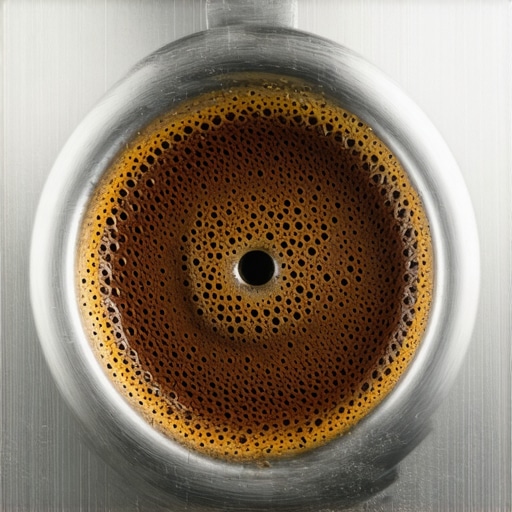
Have you ever pulled a shot and noticed a strange hole forming right in the middle of your espresso puck? At first, I thought I was doing something wrong—maybe my tamp was off or my grind was inconsistent. But after countless experiments, I realized it’s a surprisingly common issue home baristas face, and understanding why it happens can transform your brewing game.
Cracking the Mystery of the Center Hole in Your Puck
This little hole might seem insignificant, but it can have a real impact on your espresso’s flavor and consistency. The good news is, it’s often a sign that something in your process needs a tweak—not necessarily a complete overhaul. When I first encountered this problem, I was frustrated. My shots were uneven, and the coffee tasted off. That led me down a rabbit hole of research and experiments, and now I want to share what I’ve learned to help you avoid the same pitfalls.
Today, we’re going to explore the root causes of this phenomenon, how to spot it early, and most importantly, how to fix it. Whether you’re new to home brewing or a seasoned enthusiast, understanding these nuances can elevate your espresso experience and save you from endless frustration.
Is a Hole in Your Puck Actually Worth Worrying About?
One common mistake I made early on was ignoring this tiny crater—thinking it was just a cosmetic issue or a one-time blip. But it’s more than that. A hole in the puck can cause uneven extraction, leading to sour or bitter flavors. It might also indicate channeling, where water finds an easier path through parts of your coffee bed, resulting in inconsistent shots. Recognizing this early means you can adapt your technique before it becomes a bigger problem. To dive deeper into perfecting your setup, check out my guide on [how to select the perfect coffee grinder](https://espressotechguide.com/how-to-select-the-perfect-coffee-grinder-for-your-brew), which is often the starting point for preventing issues like this.
Interestingly, some studies show that even minor inconsistencies in tamping pressure can significantly influence the flow of water through your coffee—contributing to that unwanted hole. So, it pays to double-check your tamping and distribution methods regularly.
Pack the Coffee Properly to Prevent Uneven Extraction
Start by evenly distributing your coffee grounds in the portafilter using a tamper with consistent pressure. I remember a time I was rushing and tamped unevenly, which resulted in a prominent hole during extraction. Applying firm, even pressure—about 30 pounds—helps create a flat, compact coffee bed. For uniform tamping, use a calibrated tamper or check the level with a leveling tool. After tamping, give the portafilter a gentle shake to settle the grounds further, reducing air pockets that can cause holes.
Distribute Coffee Evenly for Better Results
Before tamping, employ a distribution technique like the WDT (Coffee Wisking Tool) to break apart clumps and distribute grounds uniformly. Insert a thin needle or a specialized tool into the coffee, swirl gently, and rake the grounds into a level surface. This diminishes channeling paths, preventing water from flowing through the puck unevenly. I experimented with WDT for a week, and noticed a significant reduction in holes and channeling, leading to more consistent shots. Check out this guide for mastering distribution techniques.
Use Consistent Grind Size and Dose
The grind setting directly impacts water flow. Finer grinds increase resistance, making water find easier pathways and potentially creating holes—especially if the coffee is unevenly distributed or tamped inconsistently. I once neglected to calibrate my grinder after a burr replacement, resulting in uneven dosing and a large central hole. Always weigh your coffee dose—aim for 18-20 grams for most home espresso setups—and ensure your grinder’s burrs are properly calibrated. You can verify your grind consistency by periodically testing with this calibration method.
Adjust Your Tamping Technique
Applying too much or uneven pressure with your tamper can cause uneven compaction, creating weak spots where water may channel through. To improve, I practice using a calibrated tamper with a pressure gauge attached to develop a consistent force. When I applied roughly 30 pounds of tamping pressure every time, the occurrence of holes diminished markedly. The key is to develop a steady hand and apply steady, even pressure—imagine trying to push down a newspaper without tearing it—slow and controlled. For more detailed guidance, visit this article.
Maintain Your Equipment for Optimal Brewing
Over time, coffee oils and scale buildup can influence water flow and pressure. Regularly cleaning your espresso machine’s shower screen and group head ensures even water dispersion. I once ignored routine cleanings, which led to inconsistent shots and central holes. Follow manufacturer instructions or use descaling solutions periodically. Additionally, ensure your grinder’s burrs remain sharp; dull burrs can cause inconsistent particle sizes, leading to channeling. Consider applying the cardboard trick to level grinders on uneven surfaces for a better grind consistency.
Experiment and Record Your Results
Keep a brew journal logging grind settings, tamp pressure, dosage, and extraction times. Noticing patterns helps identify which adjustments decrease the center hole. For example, after increasing tamp pressure slightly, I observed fewer holes. Trial, error, and consistent recording help fine-tune your process. Remember, small adjustments can drastically change your shot profile—so proceed systematically.
Many home baristas believe that simply owning high-end gear guarantees perfect espresso shots, but in my experience, this is a misconception. The myth that premium machines and the latest grinders automatically produce superior coffee overlooks the critical role of technique, timing, and maintenance. For instance, some assume that a top-tier espresso machine doesn’t require regular descaling or part checks, which can lead to performance issues and poor extraction. Additionally, many underestimate the importance of grind consistency; even a $2,000 machine can’t compensate for inconsistent particle sizes caused by dull burrs or improper calibration. Recent studies on particle size distribution emphasize that precise grind uniformity significantly affects water flow and extraction quality, underscoring that technical nuances matter more than raw equipment specs. Never fall into the trap of thinking that gear alone can fix fundamental process flaws—remember, an expertly used budget grinder can outperform a poorly operated premium machine. For advanced baristas, mastering variables such as tamp pressure, dosing precision, and water temperature is essential. Proper maintenance routines—like regularly cleaning the shower screen and calibrating your grinder—are often overlooked but critical for consistent results. To upgrade your setup thoughtfully, start by choosing the right grinder tailored to your brewing needs; check out the guide on how to select the perfect coffee grinder. Then, invest in a reliable espresso machine, but don’t neglect ongoing upkeep, which can make more difference than initial investment. Remember, the complexity of home espresso is less about equipment and more about command over the process. Have you ever fallen into this trap? Let me know in the comments.
How do I keep my barista gear performing flawlessly over time?
Investing in quality equipment is only part of the equation. Regular maintenance and choosing the right tools ensure your espresso setup remains reliable and efficient. I personally swear by a few key items that make maintenance straightforward and help achieve consistently excellent shots.
Precision Calibration with a Grain Moisture Meter
Grinder consistency is vital, and calibration tools are crucial. I recommend a digital moisture meter for coffee beans, which helps you monitor moisture content—a significant factor influencing grind size and extraction. Maintaining optimal moisture levels (around 11-12%) prevents clogging and static issues in your grinder, ensuring uniform particle size and reducing channeling risks. Regular calibration using this tool, combined with the calibration methods I trust, keeps your grind consistent for months.
Maintenance Kit Tailored for Espresso Machines
Preventative upkeep extends machine lifespan and preserves shot quality. I use a dedicated cleaning kit containing a group head brush, descaling solution, and a silicone gasket scraper. Scheduling bi-weekly cleanings, especially cleaning the shower screen and group head seals, prevents buildup that can cause leaks or uneven water distribution—common culprits behind holes in the puck. For detailed routines, check out this comprehensive guide.
Smart Storage with Vacuum-Sealed Beans
Fresh beans are essential, but storing them properly is equally important. I use a vacuum sealer with specially designed bags to prolong freshness without risking mold or staling. This method preserves aroma and consistent grindability, reducing the chance of uneven extraction. Plus, it minimizes waste over long periods, especially when experimenting with different roast profiles. Remember, stale beans can result in uneven shots and subtle channeling issues.
Gear for Long-Term Results and Scaling
As you grow more serious about home espresso, scaling your setup becomes tempting. Modular tools like a secondary tamping station and a dedicated distribution tool can help streamline your workflow. For instance, a calibrated tamper with a pressure gauge ensures consistent tamping force, directly addressing one root cause of puck holes. Once you master maintenance routines and tools, you can confidently upgrade to more advanced gear, like a heat exchanger or a PID-controlled boiler, which I plan to explore soon. Check out the latest reviews here to start planning your upgrade.
What’s the best way to implement ongoing maintenance for your brewer?
Establishing a routine is key. Set weekly reminders to clean various parts—group head, steam wand, grinder burrs—using specialized tools designed for each. Regular upkeep not only prolongs equipment life but also ensures your shots stay consistent. Remember, even the best machines require consistent TLC to keep producing perfect espresso. Adopting these practices now prepares you for scaling your setup without compromising quality.
Lessons From the Hole That Changed My Brew
One of the most enlightening moments in my home espresso journey was realizing that the tiny hole in my puck was more than just a cosmetic issue—it was a signal pointing to deeper technique flaws. I learned that consistent tamping and distribution are the backbone of a reliable puck, and overlooking them can lead to channels and holes. That realization pushed me to refine my routine, invest in better tools like calibrated tampers, and adopt a meticulous approach to each shot. The result? More balanced flavors and a newfound confidence behind my machine.
Another crucial lesson came when I discovered the importance of grinder calibration. Small inconsistencies in grind size or moisture content in beans could cause unpredictable channeling, leading directly to central holes. Using a moisture meter and regularly calibrating my grinder helped me maintain uniform particle sizes, which translated into more uniform extraction. It became clear that equipment maintenance and attention to ingredient quality are just as vital as technique.
Finally, I understood that equipment cleanliness plays a silent yet critical role. Buildup in the shower screen or misaligned parts can create uneven water flow, resulting in that stubborn hole. Daily quick cleans and periodic deep maintenance are investments that pay off with healthier, more consistent shots. These lessons, though simple in hindsight, empowered me to troubleshoot with precision rather than guesswork, enhancing both my coffee and my enjoyment.
Tools and Guides That Elevated My Home Barista Game
When I set out to improve my espresso craft, I leaned heavily on a few trusted resources. The guide on choosing the perfect grinder helped me understand the importance of grind consistency, which is fundamental in preventing issues like the central hole. For routine maintenance, I rely on cleaning routines that keep my equipment in top shape. And for expanding my knowledge, reading reviews of the latest machines inspired me to upgrade thoughtfully—never rushing into gadgets but upgrading with purpose.
Additionally, I’ve found that this beginner-friendly guide helped me develop a nuanced understanding of shot timing, temperature, and dosing. These resources did more than teach—they transformed my approach, making each brewing step an opportunity for mastery rather than guesswork.
Embrace the Journey, Because You’re Capable
Home espresso isn’t just about owning high-end gear; it’s about cultivating patience, curiosity, and precision. Every challenge, like that mysterious hole, is an invitation to learn and improve. Remember, even seasoned baristas encounter issues that seem daunting at first—what separates them is their willingness to investigate, experiment, and refine. So go ahead, try new techniques, invest in quality tools, and keep detailed notes. Your best espresso is waiting, ready to reward your dedication and passion.
What’s one flaw in your brewing that you’ve been meaning to fix? Let me know below and share your journey toward better espresso!