Why Your Bottomless Portafilter Keeps Spraying Your Counter
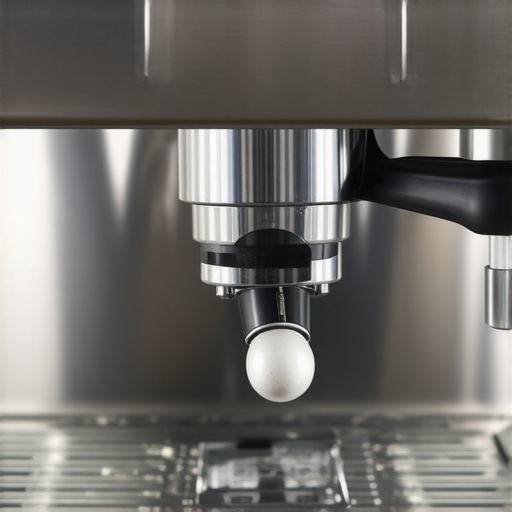
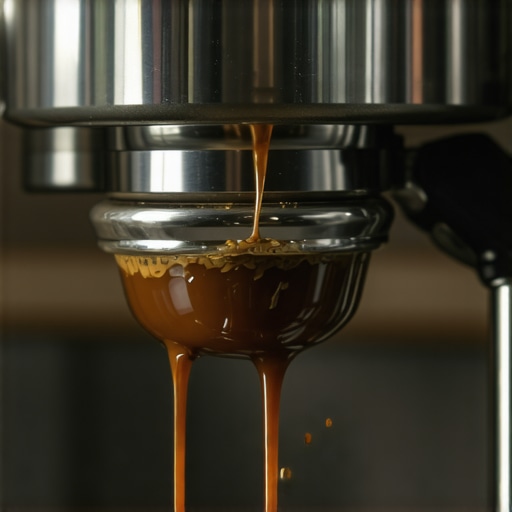
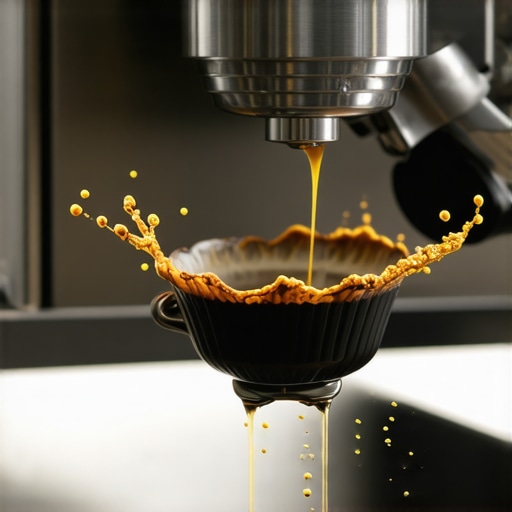
Have you ever been in the middle of pulling a perfect shot, only to have hot espresso and grounds spray all over your counter? That sudden, messy spray from your bottomless portafilter is not only frustrating but also makes you question whether your equipment is functioning properly. I remember the first time this happened to me—hot liquid splattering everywhere, a mess that took me ages to clean up. It’s a grueling moment of realization that something isn’t quite right, and it can leave even seasoned home baristas scratching their heads.
What’s Causing Your Bottomless Portafilter to Spray and Why It Matters
This problem isn’t just about cleaning up a mess; it’s about ensuring your espresso tastes as good as it looks. If your portafilter sprays, it can mean your espresso shot isn’t extracting properly, leading to sour or bitter flavors. Plus, persistent spraying could also damage your equipment over time, resulting in costly repairs. So, understanding why this happens is the key to achieving that smooth, clean shot every time.
Is Your Coffee Grind the Culprit or Just Bad Luck?
Initially, I blamed my grind size or tamp pressure. And sure, those are common suspects. But often, the root cause lies elsewhere. One mistake I made early on was neglecting to check the condition of my gasket and the tightness of my portafilter. A worn gasket or a loose fit can let pressure escape unexpectedly, causing sprays and splatters. If you want to dive deeper into equipment maintenance, I recommend checking out this guide on group head screen cleaning, which can also help prevent issues like spraying caused by clogs or buildup.
But before rushing into adjustments, it’s worth examining these common causes and picking up some practical fixes that really work. That’s what I’ll cover next—helping you put an end to your spraying troubles once and for all.
Check Your Equipment First
Start by examining your portafilter setup. Ensure that your gasket isn’t worn or loose; a damaged gasket can cause pressure leaks leading to spraying. Remove the portafilter and inspect the gasket for cracks or deformation. If it’s over a year old or shows signs of wear, replace it. Tighten the portafilter securely into the machine to prevent any movement during extraction. Remember, a loose fit is like trying to seal a drinking bottle with a cracked lid—ineffective and messy.
Optimize Grind and Tamping Technique
Next, focus on your coffee grind size and tamping pressure. A grind that’s too fine can cause excessive pressure buildup, resulting in sprays. Adjust your grinder to a slightly coarser setting and test. When tamping, apply even pressure—about 30 pounds—to create a uniform puck. Use a tamper with a level base, and ensure the coffee is distributed evenly before tamping. I once encountered a spritz every shot, and after coarsening my grind and tamping more evenly, the sprays disappeared, leading to a cleaner shot.
Reduce Buildup Through Routine Maintenance
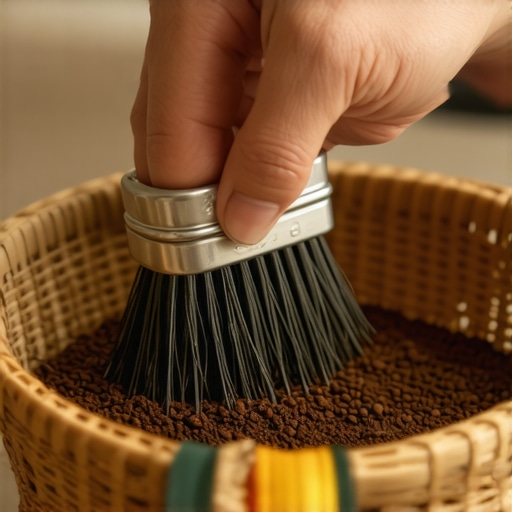
Build-up inside your machine can obstruct water flow, causing pressure fluctuations. Regularly clean your group head and filter basket using the weekly scrub for the group head screen. This prevents clogs that divert water unexpectedly, potentially causing sprays. Additionally, consider descaling your machine periodically, especially if you notice inconsistent shots or increased spray incidents. Descaling removes mineral deposits that choke water passages, maintaining even pressure everywhere.
Check and Adjust the Distribution of Coffee
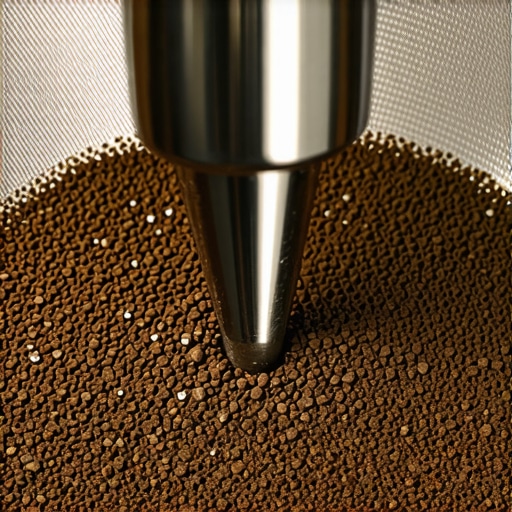
Uneven coffee distribution in your portafilter leads to channeling, which can cause sudden sprays. Before tamping, tap the basket gently to settle coffee and use a distribution tool or your finger to spread grounds evenly. This ensures uniform resistance. If you notice persistent issues, switch to a finer grind gradually and double-check your tamping technique. The success here is in patience; a well-distributed puck withstands high pressure without spraying.
Monitor Your Shot Timing and Pressure
Use a shot timer and pressure gauge to keep track of extraction. Inconsistent pressure spikes can produce sprays. A pressure regulator or gauge helps identify if your machine’s pressure relief valve is functioning correctly. If you observe pressure surges, you might need to calibrate the machine or replace worn parts like the pressure relief valve. For overall machine health, check out this flush guide to prevent boiler scale buildup. Proper pressure control is vital for a mess-free extraction.
Inspect and Maintain Your Grinder
A grinder with clogged burrs or uneven particles can cause inconsistent extraction pressure, resulting in sprays. Regularly clean your grinder chutes and burrs using the cleaning hacks for the grinder. Once clean, check for static issues or uneven burr alignment, which can create channeling. A well-maintained grinder ensures consistent grind size, leading to predictable pressure and fewer sprays. Remember, static can be a sneaky culprit—try the RDT hack to reduce static and improve grind uniformity.
Final Checks Before Extraction
Before pulling your shot, perform a quick visual check. Ensure the portafilter is tightly engaged, coffee is evenly tamped, and filters appear free of cracks. Confirm that your machine’s water reservoir and boilers are clean and free of scale, as deposits can influence water flow and pressure. Regularly descaling your equipment and sanitizing the water reservoir prevents these sneaky issues from causing sprays during extraction. See this reservoir sanitation guide.
Many home baristas jump into equipment upgrades or modifications based on popular beliefs, but some of these ideas can be misleading or outright damaging. Let’s uncover the hidden nuances behind that gear you use every day. One common misconception is that more expensive or commercial-grade equipment automatically guarantees better results. While high-quality gear does help, the real secret lies in proper maintenance and understanding each component’s quirks. For example, a lot of espresso enthusiasts believe that a larger grinder burr always means better grind consistency. However, according to industry experts, the type of burrs (flat vs. conical) and their alignment matter more for espresso quality than size alone.
Why do some advanced users still struggle despite having top-tier equipment?
Often, the answer is overlooked maintenance. Regular cleaning routines are essential; neglecting tasks like descaling or cleaning the group head screen can cause pressure inconsistencies, resulting in bitter shots or spray-offs. For instance, detailed guides on cleaning the group head screen reveal how subtle buildup affects extraction. Many assume mechanical complexity equals immediate superiority, but equipment age and upkeep matter more than brand prestige. Mistakes like ignoring gasket wear or using incompatible cleaning products can accelerate wear or cause leaks. Conversely, understanding the nuances of grinder static or static buildup—and applying hacks like simple static reduction techniques—can drastically improve grind consistency. Advanced baristas also recognize that machine calibration, especially in dual boiler setups, is vital. Miscalibrated temperature sensors can cause subtle shifts that ruin shot quality over time, emphasizing the importance of regular calibration checks. Remember, equipment is only a tool; mastery involves knowing its limitations and quirks. Have you ever fallen into this trap? Let me know in the comments and share your experiences so we can all learn together.
Investing in quality equipment is just the first step for serious home baristas. To keep your espresso machine, grinders, and milk frothers performing at their best over time, adopting a diligent maintenance routine is essential. I personally rely on specific tools like a precision calibration scale and a cleaning regimen that addresses the unique needs of each component. For example, I use a water reservoir sanitizer weekly to prevent slime buildup, which can cause inconsistent shot quality and machine failures.
What’s the secret to keeping your espresso gear in peak condition?
One trend that I see evolving is the integration of smart diagnostics and cleaning alerts into high-end machines. These features remind you when it’s time for descaling or gasket replacements. Until then, manual maintenance remains vital. Regularly cleaned grinders, for example, prevent static buildup and preserve grind consistency, which directly impacts extraction quality. I recommend using the RDT hack technique to reduce static and maintain uniform grind particles—an often overlooked aspect that can lead to channeling and spraying issues.
In the future, I foresee maintenance tools becoming more integrated with IoT technology, providing real-time alerts and diagnostics to simplify upkeep. However, for now, simple steps like cleaning your group head screen weekly or performing a quick 5-minute basket scrub can dramatically extend equipment lifespan and improve shot consistency.
If you’re serious about long-term performance, I encourage you to adopt an advanced tip: incorporate a monthly gasket inspection routine using a flashlight and replacement gasket. This proactive approach can prevent leaks and sprays, ultimately saving you money and hassle. Remember, equipment maintenance isn’t glamorous but it’s the backbone of high-quality espresso. Are you ready to level up your upkeep routine today?
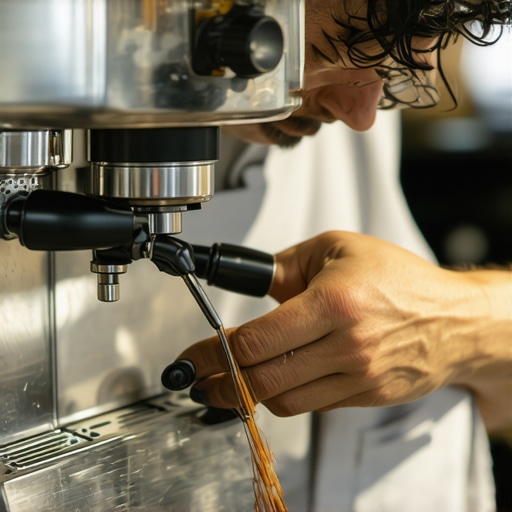
Overcoming the challenge of espresso sprays isn’t just about cleaning; it’s a journey into understanding your gear’s quirks and fine-tuning your routine. My personal wake-up call was a messy shot in the middle of an evening brew, revealing that even seasoned baristas can overlook subtle maintenance tasks. That moment taught me the importance of proactive gear care, which transforms unpredictable sprays into consistently smooth extractions.
What Don’t They Tell You About Equipment Secrets That Matter Most
One lightbulb moment was realizing that a worn gasket not only causes leaks but also affects shot quality far beyond the spray. It’s easy to dismiss replacement as minor maintenance, but it’s actually a game-changer. When I started inspecting my gasket monthly, spray issues dropped dramatically, and my taste profile improved.
I learned that static buildup in grinders doesn’t just make a mess; it can lead to uneven grind particles, channeling, and sprays. That tiny static charge might seem insignificant, but plugging in a simple static reduction hack made a noticeable difference in shot consistency and cleanliness.
Calibration is often overlooked—your machine’s temperature settings or pressure readings may drift over time. Regular calibration checks safeguard against pressure surges that cause sprays. I now keep a calibration log and perform minor tweaks every few months, ensuring my shots stay pristine.
Crucial Tools and Reading That Elevated My Game
The water reservoir sanitizer keeps mineral deposits at bay, preventing pressure fluctuations that lead to sprays. It’s an often-underappreciated step that prolongs machine health.
My favorite resource has been the 5-minute basket scrub. Regularly cleaning the brew basket stops buildup, ensuring a consistent flow and eliminating spray-causing obstructions.
The weekly group head scrub taught me that tiny clogs can have outsized effects. Incorporating it into my routine dramatically improved pressure stability and shot clarity.
Updating my knowledge through in-depth guides on gasket replacement, grinder static hacks, and calibration techniques empowered me to troubleshoot confidently. Resources like storage tips and steam wand maintenance rounded out my approach, making each brew a pleasure rather than a puzzle.
Rise to the Challenge and Elevate Your Espresso Routine
Taking control of your gear’s maintenance might seem daunting at first, but it’s the cornerstone of relentless improvement. I urge you to adopt a habit—schedule a monthly gasket inspection, dedicate five minutes to a group head scrub, and stay informed through trusted guides. These small actions are cumulative, transforming your espresso experience from inconsistent to extraordinary. Your gear’s health directly correlates with your confidence and the quality of every shot you craft. Ready to turn routine maintenance into your secret weapon? The next perfect shot is just a check-up away.