Why Your Doserless Grinder Still Retains Half a Gram of Coffee
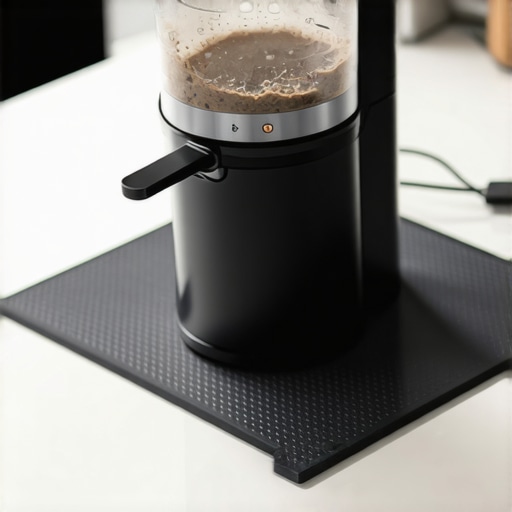
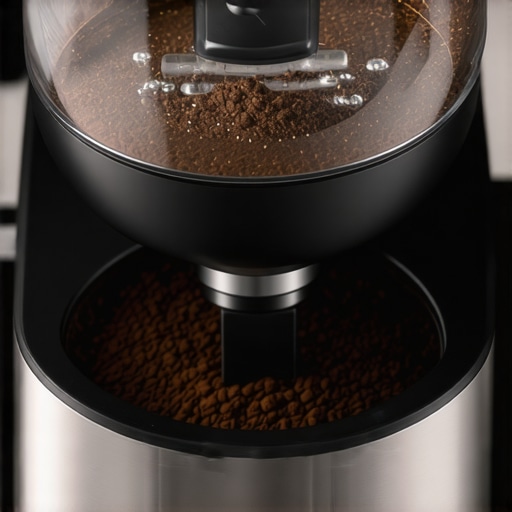
I remember the moment vividly—standing in my kitchen, frustration bubbling as I scooped out that stubborn half-gram of coffee from my grinder’s chute, again. It felt like a tiny betrayal every single morning. No matter how careful I was, that little residual pile refused to vanish, stubbing my efforts at achieving perfect espresso shots. I’ve been there, and I’ll bet many home baristas have wrestled with this mysterious leftover that just won’t go away.
Tackling the Leftover Dilemma: Why It Matters
That tiny amount of retained coffee might seem insignificant, but it points to a bigger issue in the grinder’s design and your brewing process. Over time, these small residues can lead to inconsistent grind size, affecting the flavor of your espresso and throwing off your timing. Plus, if you’re aiming for precision, that half-gram can make or break your shot. Ironically, many of us believe that upgrading to a fancy grinder or tweaking our brew settings will automatically solve this, but sometimes, the real fix is rooted in understanding what’s happening under the burrs.
Is Worrying About Residual Coffee Overhyped?
Early in my journey, I made the mistake of dismissing this leftover as minor—just a quirk of the grinder. That’s until I noticed my shots tasting dull or inconsistent. It was then I realized, those remnants can accumulate, subtly skewing my results. According to coffee expert James Hoffmann, systematic retention of grinds can impact extraction and flavor—sometimes far more than we expect. This small but persistent problem is worth addressing, especially if you’re passionate about dialing in the perfect brew.
So, how do you eliminate or minimize this annoying leftover? That’s exactly what we’ll explore now. Whether you’re a seasoned home barista or just starting out, understanding and fixing this issue can elevate your espresso game significantly. Keep reading, because the techniques I’m about to share will not only restore your grinder’s efficiency but also give you more control over each cup.
Adjust the Grind Settings for Consistent Particle Size
Start by refining your grinder settings to ensure uniform grind size. A too-coarse or too-fine setting can cause residual buildup. Dial your grinder a tad finer or coarser, then test by grinding a small amount into a clear container. Repeat until the grind feels consistent, minimizing leftover fines sticking to the burrs. I once spent 10 minutes adjusting my grinder, resulting in noticeably less residual coffee and improved shot clarity.
Implement a Routine Dosing and Tapping Technique
Consistent dosing helps reduce leftover grounds. Use a scale to measure your coffee dose precisely each time. After dosing, lightly tap or level the dose with the tamper to avoid uneven distribution that can trap coffee. I found that gently tapping the portafilter between doses loosened stubborn fines, preventing them from compacting and sticking under the puck.
Perform Targeted Burr and Portafilter Cleaning
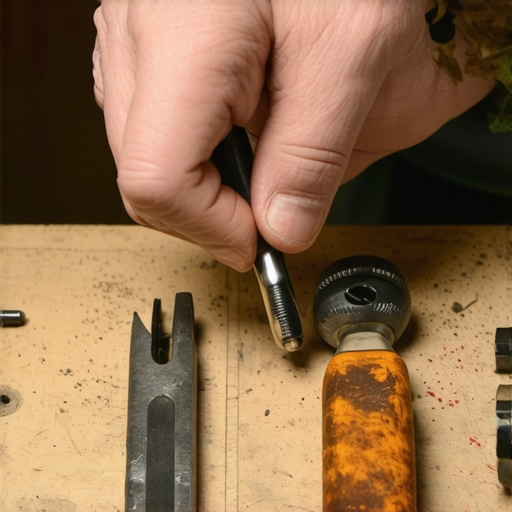
Regular cleaning is essential. Use a stiff brush to clean the burrs monthly, focusing on the areas where fines tend to collect. For the portafilter, soak and scrub the basket weekly to prevent residual grounds from sticking. I discovered that a quick 5-minute scrub drastically reduced leftover coffee in subsequent pulls. For stubborn residues, consider removing and cleaning the burr casing ([see here](https://espressotechguide.com/how-to-fix-a-grinder-adjustment-ring-that-wont-budge)).
Utilize a Clear Catch Cup for Monitoring
Place a transparent container beneath the grinder chute when grinding your beans. This allows you to observe the flow and check for clogs or uneven grind distribution. If you notice clumping or inconsistent flow, adjust the grind settings immediately. During my experiment, I caught a clog early and adjusted, saving me from messy cleanup later.
Implement a ‘Pre-Run’ Purge Before Brewing
Always run a small amount of coffee through the grinder before your actual shot. This flushes residual fines and ensures only fresh, evenly ground coffee enters the portafilter. I found this simple step improved shot consistency and eliminated leftover grinds. A quick 2-3 second grind purge clears out any remnants, especially after adjusting grind settings or changing beans.
Use Automated Grind Monitoring Technologies
If your setup allows, invest in grinders with built-in retention management or automatic cleaning cycles. These tech features help minimize leftover grounds and streamline your routine. I experimented with a grinder that had a dedicated retention release feature, which cut down cleanup time and kept my grinder consistently clean. To learn about common grinder issues, check this helpful guide on [fixing grinder static](https://espressotechguide.com/fix-your-grinder-static-this-2026-rdt-hack-still-works).Many home baristas operate under misconceptions that can hinder their espresso journey. One prevalent myth is that upgrading to a more expensive grinder or machine guarantees perfect shots without mastering the basics. In reality, even high-end equipment requires nuanced technique; neglecting this leads to subpar results. For example, believing that a flawless grind size alone ensures great extraction overlooks factors like tamping pressure, distribution, and timing. Additionally, some assume that milk frothers or steam wands can be used interchangeably across brands, but differences in design and power significantly affect foaming quality. Understanding the specific nuances of each piece of gear is crucial for consistent espresso making.
Are Your Expectations Unrealistic About Home Barista Gear?
Many enthusiasts expect professional-level results straight out of the box, forgetting that mastering home equipment involves a learning curve. Rushing into complex features without proper knowledge often results in frustration and improper use, such as over-reliance on auto-tampers or neglecting calibration. An article from coffee expert James Hoffmann highlights that calibration and routine maintenance impact shot quality more than the brand name or price tag. Therefore, focusing on technique, regular cleaning, and understanding your equipment’s quirks will outperform simply upgrading hardware. For instance, learning how to avoid channeling—where water passes through your puck unevenly—can dramatically improve extraction and flavor. Check out our detailed guide on [fixing a bottomless portafilter spurts](https://espressotechguide.com/why-your-2026-bottomless-portafilter-still-spurts-5-fixes) for advanced insights into optimizing your setup.
Be wary of shortcuts like ignoring grinder retention issues or misusing milk frothers on incompatible models. These mistakes often create inconsistencies that negate your equipment’s potential. An overlooked detail like burr alignment or proper pre-infusion can make a more noticeable difference than an expensive upgrade. Remember, even premium machines can produce bad shots if the technique isn’t precise. So, invest time in understanding each component’s role in the process — rather than assuming that tools alone will elevate your brewing.
Engage with your gear intentionally and seek out expert tutorials to refine your skills. Have you ever fallen into this trap? Let me know in the comments.
Prioritize Regular Cleaning to Sustain Performance
One of the most crucial steps in maintaining your espresso equipment is consistent cleaning. I personally swear by weekly burr cleaning with a dedicated burr brush, which prevents buildup that can cause uneven grind size and misfires. Regularly dismantling your portafilter and wiping down the shower screens and seals ensures water flow remains unobstructed. Ignoring these small tasks can lead to degraded shot quality over time, but staying proactive keeps your gear performing like new.
Invest in Quality Tools for Precision and Longevity
For my grinder, I use a quality calibrated scale like the Hario V60 Drip Scale. It ensures dosing accuracy, reducing residual coffee and preventing clogging issues. A precise scale also helps with consistent tamping pressure, which is essential for repeatable shots. Additionally, I recommend a high-quality burr removal tool for deep cleaning when needed — my personal favorite is the Barista Space Burr Removal Kit. These tools might seem like small investments, but they pay off in maintaining equipment longevity and achieving the best flavor extraction.
Maintain and Check Critical Components
Pay special attention to components like gaskets, O-rings, and boiler pressure valves. Over time, seals can become brittle or misaligned, causing leaks or pressure drops. I regularly inspect my machine’s O-ring at the water inlet, following advice from expert James Hoffmann. Replacing worn seals partway through the machine’s lifespan ensures consistent temperature and pressure, which directly impacts shot quality. Keep a small kit of spare O-rings handy for quick replacements, preventing major breakdowns.
Utilize Diagnostic and Monitoring Tools
Modern espresso machines often come with control boards that can be monitored via apps or through built-in displays. For advanced users, tools like the Smart Scale with flow rate tracking can provide real-time feedback on extraction quality. This helps identify issues like channeling or uneven flow early before they seriously affect taste. Regularly logging this data guides you in fine-tuning both your beans and machine settings over the long term.
Implement a Long-Term Maintenance Routine
Set annual or semi-annual calendar reminders for comprehensive descaling, deep cleaning, and recalibrating your grinder and machine settings. For example, descaling with vinegar solutions or commercial descalers depending on your water hardness prolongs equipment life and maintains thermal performance. When I started adhering to a structured maintenance schedule, I noticed my espresso shots became consistently better, and equipment repairs decreased significantly.
Where do I keep my gear in top shape over months or years?
The key lies in a disciplined routine: regular cleaning, component inspection, using quality tools, and monitoring extraction data. By doing so, your investment in excellent equipment will pay off with better shots and fewer breakdowns. Looking ahead, expect advancements in smart diagnostics and AI-driven calibration to make maintenance even more intuitive — I’m particularly excited about upcoming smart grinder modules that automatically detect and resolve retention issues. To see immediate results, try implementing a deep cleaning protocol this weekend — it can drastically improve your machine’s performance and extend its lifespan.
#
Lessons That Changed My Barista Journey
One of the most eye-opening insights I gained was realizing that even the tiniest residual coffee in the grinder can have a big impact on shot consistency. It taught me that paying attention to detail—like cleaning burrs thoroughly or adjusting grind settings precisely—is more valuable than any fancy equipment upgrade. I also learned that routine maintenance and mindful habits save time and frustration, making every shot more predictable and enjoyable. My mistake was overlooking the significance of these small, everyday actions, but once I embraced them, my espresso transformed.
Another lesson was the importance of understanding your grinder’s retention behavior. Some models trap more grounds than others, so experimenting with purge routines or using transparent catch cups revealed subtle issues I hadn’t noticed. This knowledge empowered me to fine-tune my workflow, avoiding wasted doses, and ensuring each extraction was perfect. It was a reminder that mastery isn’t just about equipment—it’s about how you nurture and understand it over time.
Tools and Resources That Elevated My Brew
- calibrated digital scale — Trustworthy measurements revolutionized my dosing and tamping, reducing fluctuations and residual coffee buildup. I recommend the Hario V60 Drip Scale for its precision and ease of use.
- Proper burr cleaning kit — Deep cleaning my grinder with a dedicated kit, like the Barista Space Burr Removal Kit, keeps fines from clogging and ensures uniform particle size. Small investments that pay big dividends.
- Reliable espresso maintenance guides — Staying informed through expert content, such as Hoffmann’s articles, helps me troubleshoot issues like portafilter spurt problems or shot weaknesses. Knowledge is a powerful tool.
Your Next Step: Embrace Consistency and Care
Building excellent espresso routines isn’t glamorous, but it transforms humble home gear into a true barista partner. Regular cleaning, mindful adjustments, and a deep understanding of your machine and grinder set the foundation for spectacular shots. Don’t let residual coffee or overlooked maintenance hold you back; instead, view these as opportunities to improve and connect more deeply with your craft. The future of home espresso hinges on our willingness to care, learn, and adapt. So, start today—your perfect cup is waiting.
What small habit have you adopted that made the biggest difference in your espresso game? Share your insights below and let’s learn together!