The Proper Way to Clean Your Portafilter Without Damaging the Finish
I remember the morning I first ruined a perfectly good portafilter by scrubbing it with a metal brush, convinced I was doing right by my espresso machine. The finish was marred, and my shots suffered. That moment was a lightbulb turning on—there had to be a better way. Since then, I’ve spent years refining my cleaning routine, and I want to share what I’ve learned so you can avoid the same pitfalls.
The Hidden Damage in Your Routine: Why Proper Portafilter Cleaning Matters
Using the wrong cleaning techniques can silently damage the delicate finish of your portafilter, leading to unsightly scratches and potentially affecting the taste of your espresso. A rough scrub might seem harmless, but over time, it can wear down the protective coating, making your equipment look worn and unprofessional. Plus, a compromised finish can trap oils and residues more easily, affecting flavor. According to recent research, improper cleaning can reduce the lifespan of equipment and impair its performance—highlighting the importance of gentle, correct methods.
Is All Scrubbing the Same? The Myth of Heavy Duty Cleaning
Early on, I made the mistake of thinking that vigorous scrubbing was the solution for stubborn stains. I thought, “If a little is good, a lot must be better!” But that just led to scratched surfaces and inconsistent shots. I’ve learned that patience and gentle cleaning are key. Using soft brushes and proper cleaning solutions preserves the finish and ensures your espresso remains pristine. Curious about how to keep your portafilter looking new while effectively cleaning? Check out this guide for more tips.
Now that you know why proper cleaning is essential, let’s explore how to do it right. I’ll walk you through step-by-step methods that keep your portafilter in top shape and your shots tasting fantastic. Trust me, a little care goes a long way—and your equipment will thank you for it. Ready to get started? Let’s dive into the practical steps that will change your cleaning routine for good.
Remove and Inspect the Portafilter
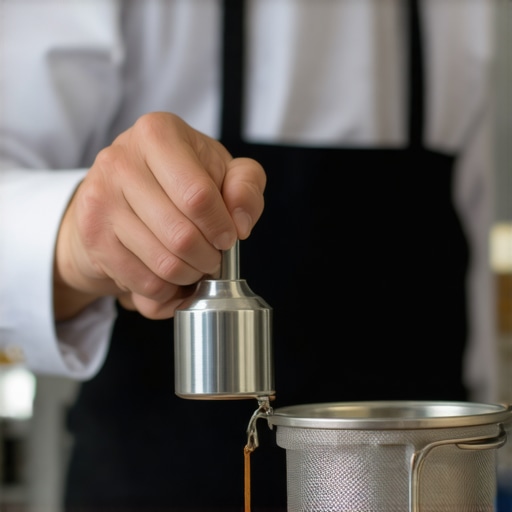
Start by detaching your portafilter from the espresso machine. Hold it under warm running water and use a soft brush to loosen any coffee grounds or oils. I once overlooked this simple step, and residual coffee caused uneven extraction later. Inspect the basket for buildup or scratches; a clear view ensures you’re cleaning thoroughly and spotting issues early.
Clean the Basket and Group Head
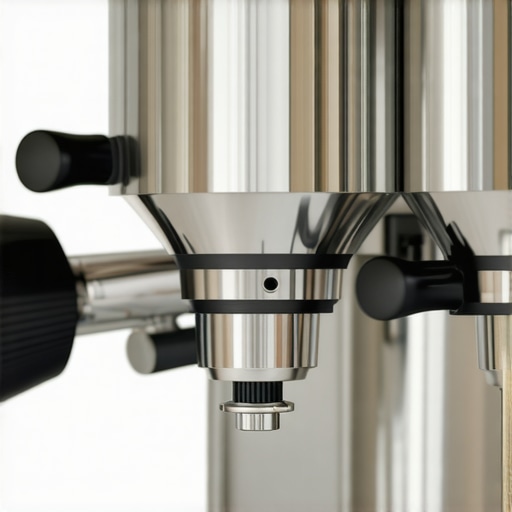
Use a dedicated brush with soft bristles—think of it as a toothbrush for your coffee gear—to scrub the basket gently. For the group head, perform a backflush with a cleaning detergent designed for espresso machines; if you have a blind filter, insert it and run the machine to dislodge hidden residues. In my experience, skipping this step leads to bitter shots and inconsistent pressure, especially when the buildup is unseen.
Use Proper Cleaning Solutions
A mild, pH-neutral detergent is best; avoid harsh chemicals that can damage coatings. Mix a small amount with warm water and soak removable parts for several minutes. I learned that a vinegar solution works but can leave lingering flavors, so I prefer specialized cleaning powders. Remember, over-scrubbing with abrasive tools can scratch delicate surfaces; opt for soft cloths or brushes.
Don’t Overdo the Scrubbing
Gentle pressure is key. Think of cleaning like massaging—firm enough to clean but light enough to avoid damage. I once used a metal brush out of frustration, and the scratch took months to grow out. After cleaning, rinse all components thoroughly to remove any detergent residue, which could alter your shots’ taste.
Pay Special Attention to the Basket Resistance
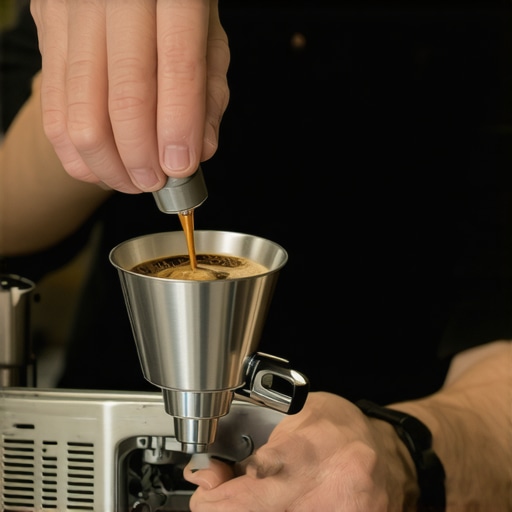
If you notice uneven resistance during tamping, your basket might have uneven grime or deformation. A quick fix is to run a fine scrub or use a paddle tool to gently realign or smooth out irregularities. Check out this article for detailed methods on troubleshooting resistance issues.
Reassemble and Test Your Cleanup
Once everything is dry and reassembled, perform a test shot without coffee to ensure your machine is functioning smoothly. Look for consistent pressure and clear water flow. I experienced a smoother extraction after refining these cleaning steps, noticing better crema and flavor preservation. Regular, gentle cleaning not only prolongs your equipment’s life but also guarantees your shots taste their best.
Many home baristas operate under assumptions about coffee equipment that can inadvertently sabotage their brewing experience. For example, a widespread myth is that more expensive grinders automatically produce better espresso; in reality, proper calibration and maintenance are often more critical than price alone. Additionally, some believe that turning up the temperature or pressure can fix extraction issues, but over-pressurizing or overheating may lead to channeling or burnt flavors, rather than improvements.
Another subtle trap lies in milk frothing techniques. It’s commonly thought that the louder the steam wand, the better the foam, but this can cause over-agitation and large bubbles, failing to produce the microfoam essential for latte art. Instead, controlling the steam pressure and probe positioning is what truly matters, as detailed in advanced frothing tips.
Why does tamping pressure variation affect espresso consistency even when using the same grinder?
This nuanced aspect can trip up experienced baristas. Slight variations in tamping force influence puck density, which directly impacts extraction uniformity. Even when your grinder produces consistent grind size, inconsistent tamping can cause channeling or under-extraction. To improve, consider using a tamper with a pressure gauge or strength guide to standardize your tamping force, ensuring each shot is as precise as possible. Such variables are often overlooked but play a significant role in achieving cafe-quality shots. For more on fixing uneven resistance caused by tamping inconsistencies, check out this detailed guide.
Finally, embracing these hidden nuances demands a continuously curious mindset. Misconceptions, if left unchallenged, can lead to overlooked issues like grinder retention or inadequate cleaning, which subtly degrade quality over time. Do you think you’re caught up in any of these myths? Let me know in the comments. Remember, mastery comes from understanding the intricacies behind the gear you use every day.
Invest in Quality Tools for Consistent Results
One of the secrets to maintaining your home espresso setup is using the right tools designed specifically for coffee gear. I personally swear by a high-precision digital scale like the 2026 Smart Scale, which provides accurate flow rate measurements, helping me dial in shots with repeatability. Having a dedicated brush set with soft bristles, such as the Barista Pro Brush Kit, makes cleaning effortless without risking scratches that can affect performance. Investing in these tools streamlines maintenance, ensures better long-term results, and saves money spent on repairs or replacements.
Establish a Routine for Long-Term Precision
Consistency in maintenance routines keeps your equipment performing optimally. I recommend a weekly disassembly of your espresso machine to clean water reservoirs and check for scaling, especially in areas with hard water. Regularly inspecting seals, gaskets, and valves using specialized tools like this guide helps prevent unexpected failures. Documenting your maintenance schedule and noting any changes in shot quality can alert you to pending issues before they become costly repairs. As equipment ages, adopting a systematic approach to cleaning and inspection makes a significant difference in the longevity and consistency of your brews.
Scaling Up: Preparing for Growth
If you plan to expand your home setup or take on a small café operation, consider modular, scalable gear. For grinders, look for models like the 2026 Ultra-Light with features that facilitate easy calibration and quick adjustments. Upgrading components such as portafilter baskets and group heads ensures uniform resistance, which is crucial for quality control. Modern software, like espresso profiling apps, can also help track and optimize your extraction parameters across multiple machines, paving the way for consistent excellence as you scale. Remember, systemic maintenance becomes even more critical when managing multiple units, reducing downtime and ensuring best-in-class results.
How Do I Maintain My Equipment Over Time?
Consistent cleaning, regular part checks, and calibration are the pillars of long-term maintenance. For example, ensuring your grinder burrs stay sharp and free of static buildup—by following this specific technique—can cut down on cleaning time and improve grind consistency. Also, scheduling professional servicing at least once annually can uncover hidden issues before they escalate. Staying proactive with maintenance not only preserves your gear but also elevates every shot you pull, turning routine tasks into investments in quality.
Looking Ahead: Trends in Coffee Equipment Maintenance
Advancements like IoT-enabled machines and AI diagnostics are shaping the future of maintenance, offering predictive analytics that flag issues before they happen. This shift will allow home baristas and cafes alike to optimize uptime and performance seamlessly. For now, mastering these basic practices and investing in precise tools pays dividends in taste, equipment lifespan, and overall brewing satisfaction. I encourage you to try integrating a digital scale or performing routine calibration checks—small steps that produce significant improvements.
Ready to take your maintenance game to the next level? Start by scheduling a detailed clean of your portafilter using a gentle scrub technique outlined here. You’ll be surprised at how much micro-improvement can enhance your espresso quality and machine longevity.
Having spent years tinkering with my espresso setup, I can tell you that the most overlooked aspects often hold the key to unlocking exceptional flavor and longevity. Sometimes, the smallest adjustments and mindful maintenance habits can transform your home coffee experience from good to extraordinary.
The Unexpected Wisdom That Changed My Approach to Espresso Care
- Patience Over Power: Rushing through cleaning or tweaking can cause more harm than good. Gentle, deliberate actions preserve delicate components like portafilter finishes and gasket seals, and ultimately improve shot consistency.
- Listening to Equipment: Paying attention to subtle noises or resistance changes reveals issues before they escalate—saving time and money. For instance, a slight increase in tamp resistance might point to buildup that needs gentle cleaning, not a need to replace parts.
- Quality Over Quantity: Investing in the right tools, such as a precision digital scale or dedicated cleaning brushes, streamlines your routine and ensures your machine remains in prime condition. These tools empower you to diagnose and fix issues with confidence, rather than guesswork.
- Consistency Is Your Secret Weapon: Establishing a regular maintenance schedule—weekly rinses, monthly deep cleans, annual part inspections—creates a habit that sustains peak performance. It’s like training your barista instincts, but for your own setup.
Tools and Resources That Built My Coffee Confidence
- This guide on portafilter resistance opened my eyes to subtle imperfections that could undermine extraction. It’s a must-read for anyone looking to refine their tamping and basket cleaning game.
- A high-quality digital scale became my secret weapon for dialing in shots with repeatability, turning espresso from a gamble into a science.
- Specific frothing tips helped me understand how microfoam is about technique, not just equipment, and improved my latte artistry.
- Regular preventative maintenance keeps my machine heating efficiently, ensuring I start every day with perfect temperature control.
Let Your Passion Drive You to Better Coffee
Remember, every espresso shot is a canvas—your maintenance and care are the brushes. By mindfully tending to your gear, you’re not just preserving equipment but also nurturing your craft. The pursuit of coffee excellence is ongoing, but incorporating these hidden gems into your routine can make all the difference. So, take that extra minute to clean, observe, and tweak—your taste buds will thank you.
What’s the most surprising thing you’ve discovered about maintaining your espresso setup? Share below and keep the conversation brewing!