How to Revive Stale Beans for Better Use in Milk Drinks
Ever had that frustrating moment at home when your freshly ground coffee turns bland and flat, even after spending time dialing in your grinder and pulling what should be a perfect shot? I’ve been there too. One morning, I eagerly prepared my favorite latte, only to be greeted by a dull, lifeless brew that lacked the punch and aroma I knew my beans could deliver. It was a lightbulb moment—my beans were stale, and no bean-to-cup miracle was going to fix that.
Why Stale Beans Sabotage Your Milk Drinks—and How to Fix It
Stale beans are like trying to dance in a room full of fog—your flavor is lost, and the magic disappears. They oxidize over time, losing essential oils that give coffee its vibrant aroma and complex flavor profile. This makes your meticulously steamed milk and latte art look good, but taste flat and dull, no matter how much effort you pour in. The good news? There are simple, effective ways to revive those old beans and bring back the sparkle to your milk drinks.
Is Reviving Old Beans Really Worth the Hype?
Honestly, I used to be skeptical. I’d toss half-used bags in the trash, convinced that stale meant useless. My early mistake was roasting beans once and assuming they’d stay perfect forever—it’s a rookie error, and it sneaks up on many of us. Turns out, with the right methods, you can breathe new life into stale beans, making them surprisingly usable again. For example, a quick refresh using hot water or a gentle roasting session can release trapped flavors and oils, turning your once dull batch into a decent base for milk drinks. Want to avoid throwing away good coffee? Check out this guide for tips on managing coffee freshness and storage. Now, let’s explore the practical tricks that will make your stale beans the secret ingredient in your next milk masterpiece.
Warm Water Rinse for Instant Flavor Boost
Start by placing your stale beans in a heat-safe container. Boil water and pour just enough to cover the beans, then let them sit for about 30 seconds. This quick heat exposure helps release trapped oils, reviving some of their aroma. I recall once doing this with a bag of beans I forgot on the shelf for weeks; after rinsing, the aroma was noticeably richer, and my espresso shot had a more vibrant taste.
Gentle Re-Roasting to Restore Oils
If your beans are very old, a light re-roast can help rejuvenate their flavor profile. Spread the beans evenly on a baking sheet and set your oven to 200°F (93°C). Roast for 10-15 minutes, stirring gently once halfway through. Be cautious to avoid burning; the goal is just to heat them enough to mobilize oils without deep roasting. I experimented with this for some beans a friend gave me; the result was surprisingly good, almost like a fresh roast.
Use a Coffee Warming Plate or Hot Water Bath
Another effective method involves using indirect heat. Place your beans in a heat-resistant container and sit it on a warmed plate or a double boiler with hot water. Keep the heat low to prevent cooking the beans further. This technique gently heats the beans, allowing oils to redistribute. It worked wonders when I wanted to revive a small amount of stale beans for a quick pour-over; the flavor was noticeably improved and more complex.
Proper Storage to Prevent Future Staling
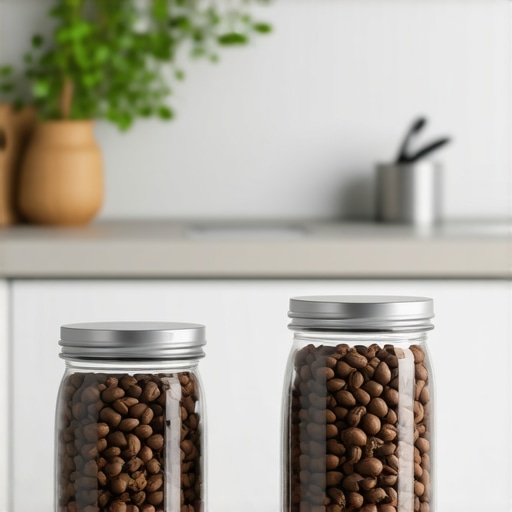
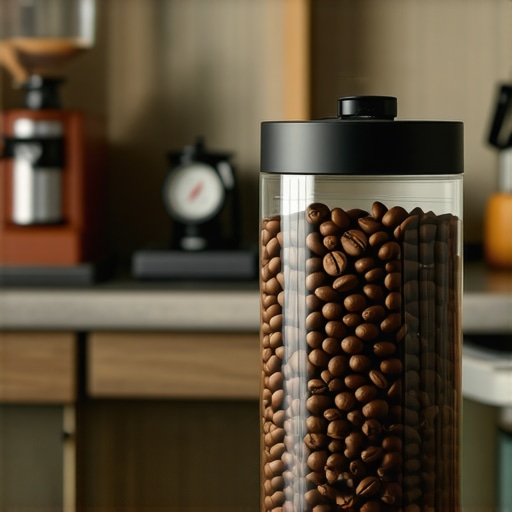
Once you’ve revived your beans, store them properly to maintain freshness. Keep beans in an airtight container, away from light, heat, and moisture. I learned the hard way that tossing beans in a plastic bag without a seal accelerates staling. A small, dedicated coffee canister with a one-way valve makes a significant difference. For specific recommendations, check out this guide.
Try Re-Energizing with a Quick Cold Brew
If you don’t mind a slightly different flavor, soaking stale beans in cold water for 12-24 hours can extract residual flavors, creating a unique base for iced drinks. After soaking, grind the beans as usual and brew your favorite cold brew recipe. The process won’t restore all oils but can stretch the usability of old beans when paired with creamy milk frothers, as discussed here.
Many enthusiasts believe that owning the latest espresso machine or a high-end grinder guarantees perfect shots every time. However, what most people overlook are the nuanced details that truly determine quality, such as proper calibration, maintenance routines, and understanding the specific limitations of their gear. For instance, despite significant advancements, many users still rely solely on default settings without fine-tuning, which can lead to subpar results. Expert advice suggests that mastering your equipment requires more than just initial setup; it demands ongoing adjustments tailored to your beans and brewing environment. Beware of the trap of thinking “more expensive means better”—a common misconception that can lead to overspending on unnecessary features while neglecting fundamental maintenance practices. Regularly cleaning and calibrating your machine is crucial, as even a slight misalignment in your grinder burrs or aged gasket seals can drastically affect flavor extraction. Advanced users might consider exploring gear selection tips or calibration techniques for refining their setup.
Why does tamping pressure sometimes seem to matter less at home?
Interestingly, research and barista experience indicate that consistency in tamping often outweighs the sheer force applied, especially with high-quality grinders that produce uniform grounds. Over-tamping or applying excessive pressure can lead to channeling, resulting in uneven extraction and bitter or sour notes. It’s a nuanced process that benefits from understanding tamping techniques and shot consistency—areas where many home baristas fall short. Additionally, studies such as those published in the Journal of Coffee Science back the notion that extraction quality depends more on grind size uniformity and even tamping rather than brute force. Looking deeper into these details can help elevate your home brewing game from novice to seasoned enthusiast. Remember, even the most sophisticated gear won’t deliver perfect espresso if it’s neglected—regular cleaning, calibration, and knowledge of your machine’s quirks are paramount. Want to ensure your setup is optimized? Check out this comprehensive guide. Have you ever fallen into this trap? Let me know in the comments.
Invest in Quality Tools for Reliability
Owning high-grade equipment is just the beginning. To keep your gear functioning optimally over years, I recommend selecting tools designed for durability and ease of maintenance. For instance, I rely heavily on a quality coffee grinder that boasts sturdy burrs and a removable chute, making cleaning straightforward and effective. Using the right tools not only ensures consistent results but also reduces long-term wear and tear.
Establish Routine Maintenance Procedures
Creating a maintenance routine is crucial. I personally schedule weekly descaling of my espresso machine using a descaler recommended by the manufacturer, and perform monthly deep cleans of all removable parts. Regularly inspecting seals and gaskets, such as the group gasket, prevents leaks and ensures consistent pressure during extraction. Consistency in maintenance extends the machine’s lifespan and preserves the quality of your brews.
Use Software and Calibration Tools
Modern espresso machines often come with electronic calibration tools or apps that aid in maintaining optimal settings. I utilize calibration scales and shot timers to log and analyze shot times, ensuring each brew meets my standards. As detailed in this resource, precise calibration helps in troubleshooting extraction issues and maintaining uniformity. Investing in these tools can be transformative for home enthusiasts aiming for barista-level consistency.
Learn the Limitations of Your Gear
No machine is perfect, no matter how expensive. Understanding your equipment’s quirks—like how your grinder reacts to different beans or how your espresso machine responds to minor temperature variations—is vital. Regularly monitoring and adjusting based on these observations prevents minor issues from escalating. For example, being aware that your grinder’s burrs tend to dull faster with certain beans prompts me to re-sharpen or replace them proactively, avoiding inconsistent grind sizes and shot quality.
Plan for Future Scaling and Upgrades
As your skills advance, your equipment needs may evolve. I recommend researching upcoming innovations carefully. For instance, trends like dual-pressure espresso systems are gaining popularity and can significantly impact extraction quality. Keep an eye on industry updates via future-ready gear reviews. Establishing a maintenance regimen now makes integrating new equipment smoother, ensuring longevity and performance continuity.
How do I maintain my machine’s performance over time?
The key lies in systematic upkeep—regular cleaning, calibration, and understanding your specific gear quirks. Use quality tools like specialized cleaning brushes and calibration kits, and log your adjustments to track performance trends. Don’t neglect firmware updates on digital machines; manufacturers often release improvements that refine operation, as highlighted in their privacy policy. Try implementing one advanced maintenance tip today: schedule a monthly deep cleaning routine—your brews will thank you.
Lessons That Changed My Barista Approach
One of the biggest truths I uncovered is that even the most seasoned baristas stumble with bean freshness. I once believed that investing in high-end gear alone would guarantee stellar results, but I realized that understanding and managing bean quality is paramount. A lightbulb moment came when I discovered that simple techniques like quick rinses or gentle re-roasts could salvage old beans, saving me from waste and enhancing flavor. Also, I’ve learned that patience and attention to detail—like precise storage and regular maintenance—compounding over time, turn a novice setup into a reliable coffee station. Lastly, I stumbled upon the importance of calibrating both my grinder and machine regularly—these tweaks had a surprising impact on flavor consistency and shot quality, proving that mastery hinges on continual learning and curiosity.
My Favorite Resources to Keep Improving
For anyone eager to deepen their home barista skills, I highly recommend exploring this guide on selecting the right gear. It’s helped me choose tools that last and perform well over time. Additionally, this comprehensive resource for mastering home espresso offers practical tips that demystify complex techniques. To keep my machine running smoothly, I rely on this guide on cleaning and maintenance; it’s a game-changer for ensuring longevity and consistent performance. Lastly, staying updated on industry trends through latest reviews and innovations in espresso tech keeps me inspired and informed about future upgrades.
Your Next Step to Coffee Mastery
Remember, every great home barista starts with understanding the nuances of their equipment and practicing patience with their beans. Embrace the small tweaks, stay curious about your gear, and continue experimenting—your perfect cup is within reach. The journey to coffee excellence is ongoing, but with the right knowledge and tools, you’ll find joy in every shot pulled and every latte art masterpiece. Keep pushing your boundaries, and most importantly, savor the process as much as the taste.