How to Tell if Your Espresso Pump is About to Fail
It happened on a quiet morning, just as I was about to enjoy my first espresso shot—my machine groaned, then suddenly went silent. That sinking feeling hit me: was my beloved espresso pump about to give out? It’s a moment many home baristas dread—a perfectly brewed cup slipping away because of something unseen yet critical.
Why Recognizing Pump Failures Matters More Than You Think
Your espresso machine’s pump is the heartbeat of your brew, pushing water through coffee grounds at just the right pressure to extract all those rich flavors. When it starts to falter, everything from shot quality to machine longevity is at risk. If you catch the signs early, you can prevent costly repairs or replacements—and keep your coffee routine smooth and satisfying.
From personal experience, I once ignored subtle quirks like reduced pressure or strange noises, thinking my machine was just acting up. That mistake nearly cost me a new pump and a week of annoying downtime. Early detection could save you from similar headaches, especially since some failures sneak up gradually, making detection tricky without knowing what to look for.
Is Pump Failure Actually Worth Worrying About?
I used to dismiss signs like inconsistent flow or strange noises as minor quirks, only to learn the hard way that they often signal bigger issues. Recognizing these early indicators is crucial. I recommend checking your machine regularly—think of it as health monitoring for your espresso setup. For beginner tips and a broader sense of managing your gear, check out this helpful guide.
Now, let’s dive into how you can identify the warning signs of a failing pump and ensure your morning caffeine ritual doesn’t get disrupted unexpectedly.
Inspect Your Machine Regularly for Warning Signs
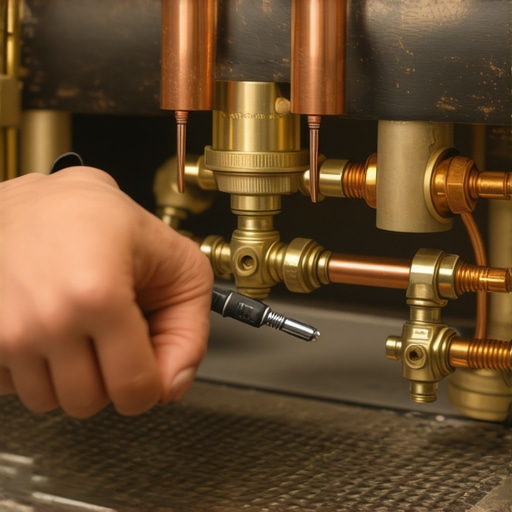
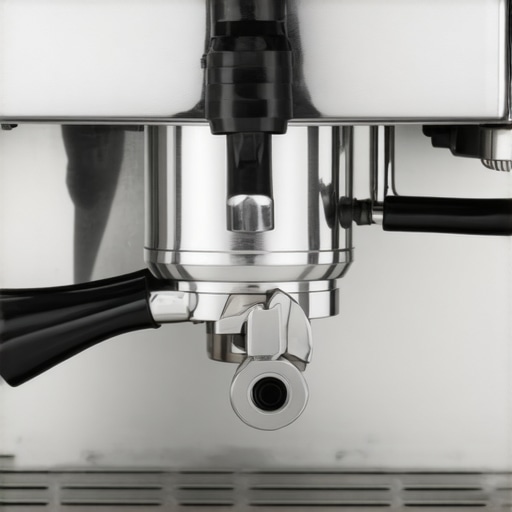
Begin by observing your espresso machine during operation. Listen for unusual noises like grinding or humming that persist beyond normal pump sounds. Reduce your machine’s pressure by running a shot and noting if the flow is weaker than usual. Check for inconsistent shot times or a lack of pressure buildup, which often signal pump issues. During a routine cleaning, examine the pump area for leaks or vibrations. Remember, images of common pump failure signs can be quite instructive, such as the one in this guide.
Test Pump Performance Using Simple Methods
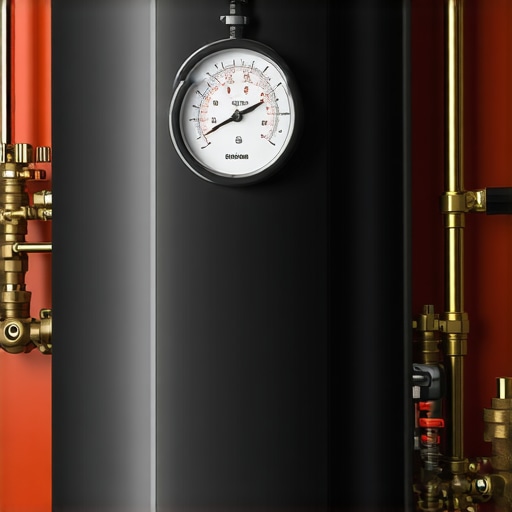
One effective way to gauge your pump’s health is to observe flow rate during extraction. Remove the portafilter and run water through the basket without coffee—if the water flow is noticeably slow or irregular, your pump might be compromised. You can also listen closely during extraction; a failing pump often emits a high-pitched whine or inconsistent hum. For a more advanced check, use a pressure gauge to monitor if the machine’s pressure remains stable, which is critical for consistent espresso. If your pump exhibits signs of weakness, it’s better to tackle the issue early, possibly by replacing worn parts—detailed procedures are covered in this article.
Identify Common Faults and Know When to Replace
Pay attention to signs like frequent loss of pressure, leaking around the pump area, or strange noises that grow louder over time. Do a visual inspection for corrosion, cracks, or debris clogging the pump. Sometimes, the pump’s motor may be malfunctioning due to overheating or electrical issues; measuring voltage and current with a multimeter can help diagnose such problems. If troubleshooting confirms pump failure, consider whether a repair or replacement is more feasible; replacing the pump can often be done at home with minimal tools, as shown in this guide.”}]}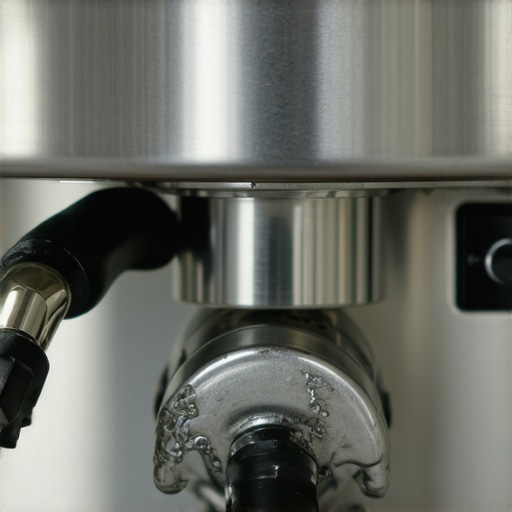 }](https://espressotechguide.com/how-to-fix-a-grinder-that-sounds-like-a-jet-engine)
Remember, early detection and methodical troubleshooting are your best allies against unexpected breakdowns. Regularly monitor your machine’s sounds and performance metrics to catch issues before they escalate, ensuring your morning espresso stays flawless and your setup remains in top shape.Many home baristas believe that investing in the most expensive espresso machine guarantees perfect shots every time, but in my experience, this oversimplification often leads to overlooked details that truly influence quality. For instance, the misconception that all grinders are created equal can cause mistakes; selecting a high-quality burr grinder with a consistent grind is far more critical than just choosing the most popular brand. Remember, the key isn’t necessarily in the cost, but in understanding the specific nuances of your gear. Many assume that newer milk frothers automatically produce superior microfoam, yet they neglect proper technique and milk temperature, which are equally vital for achieving creamy, dense froth. Additionally, some enthusiasts dismiss the importance of calibration and routine maintenance, thinking these are only necessary for commercial setups—this oversight can compound over time, degrading shot quality and equipment lifespan. An advanced mistake I often see is the misapplication of tamping pressure; applying too much force can lead to over-extraction, making your espresso bitter, while too little results in under-extraction and sourness. To optimize your setup, dive into detailed guides on topics like grinder calibration and machine maintenance, such as [this beginner-friendly resource](https://espressotechguide.com/mastering-the-art-of-home-espresso-tips-for-beginners). One of the most insidious myths is that pre-ground coffee is just as good as freshly ground beans—nothing could be further from the truth. Studies show that exposure to air accelerates flavor loss, especially during the critical extraction window. Therefore, investing in a quality coffee grinder and learning how to dial in your espresso parameters can significantly elevate your brew. When selecting your gear, understand the specific requirements of your preferred beans and brewing style; a premium machine won’t compensate for poor grind size or stale beans. Many amateurs overlook the importance of water quality, which can dramatically impact taste and machine longevity, so always consider using filtered water. If you’re curious about how to get the most out of your equipment, read more about optimizing your workflow and gear maintenance in [this comprehensive guide](https://espressotechguide.com/choosing-the-best-barista-gear-for-coffee-enthusiasts). Keep in mind, mastering the nuances of your gear requires patience and attention to detail—it’s the secret to consistent, café-quality espresso at home. Have you ever fallen into this trap? Let me know in the comments.
Investing in Quality Tools for Long-Term Performance
To ensure consistent espresso shots and a reliable setup, selecting the right tools is crucial. I personally swear by the Laser Burr Grinder, which offers unmatched grind stability and minimal static, making daily dosing more predictable. A high-precision digital scale with at least 0.1g accuracy is indispensable for dialing in shots accurately over the long term.
Routine Maintenance: Your Espresso Machine’s Best Friend
Consistency comes from regular maintenance. I recommend a weekly descaling routine, especially if you have hard water; this prevents mineral buildup that can impair pressure and temperature stability. Use a descaling solution like Urnex Dezcal and follow manufacturer instructions meticulously. Additionally, replacing worn seals and gaskets—such as the group head gasket—every 6-12 months keeps your machine performing like new.
Tools That Simplify Cleaning and Calibration
Dealing with coffee oils and residue is vital. I personally use a chemically safe cleaning brush designed for grinder burrs to maintain consistency. For calibration, a professional grinder calibration kit helps achieve precise grind settings every time, especially when switching beans or roast levels.
Future Trends: Smart Technology in Home Barista Gear
Looking ahead, I believe we’ll see more automation and IoT integration in home espresso gear. Devices that can automatically calibrate pressure, temperature, and grind size—based on beans’ specific profiles—will make maintenance less of a chore and elevate consistency. Companies like Breville and Nespresso are already experimenting with app-controlled machines that log and suggest maintenance routines.
How do I keep my setup humming over time?
The key is establishing a regular maintenance schedule combined with using high-quality, purpose-built tools. Regular descaling, gasket replacement, and grinder calibration are investments that save time and money while improving your coffee quality. Don’t forget to keep your water filtration system in check—bypassing this crucial step can cause scale buildup that’s hard to reverse without costly repairs. For detailed guidance, visit this resource and challenge yourself to recalibrate your grinder this month, the small effort yields significant long-term benefits.
After years of tinkering and brewing, I’ve learned that even minor oversights can drastically affect your espresso quality. It’s not just about having top-tier equipment but understanding the subtle details that make or break your brew. One hard-earned lesson was realizing how a small miscalibration in grind size or neglecting routine cleaning can turn a promising shot into a disappointing pour. These insights came from personal trial, error, and countless perfect pours, reminding me that our journey as home baristas is ongoing and full of learning opportunities.
Secrets the Pros Don’t Want You to Know About Coffee Gear
- Consistency Over Cost: Investing in a quality grinder pays off more than splurging on an espresso machine. A steady grind ensures each shot hits the mark, much like how selecting the right grinder is pivotal for flavor extraction.
- Touch Matters: Tamping with precision and consistency is often overlooked. A slight variation in pressure can lead to under or over-extraction, affecting taste and crema quality.
- Routine Maintenance Saves Headaches: Regular descaling and gasket replacements maintain optimal temperature stability and pressure. These small habits uphold the longevity of your machine and the quality of your shots, as highlighted in this guide.
- Water Quality Is Critical: Filtered water prevents mineral buildup, ensuring your machine runs smoothly and your coffee tastes pure. Never underestimate the influence of good water on espresso and machine health.
- Know When to Replace Parts: Recognizing signs of wear, such as leaking gaskets or inconsistent pressure, prevents minor issues from becoming costly repairs.
Let Your Coffee Passion Drive Your Growth
Remember, every espresso shot is an opportunity to refine your skills and deepen your understanding. Embrace the learning process, experiment with your gear, and don’t shy away from troubleshooting—it’s where real growth happens. For more detailed tips on optimizing your setup, explore this comprehensive guide. Your journey toward barista-level home brewing is a marathon, not a sprint, and each small improvement adds up to extraordinary coffee experiences. What’s the next tweak you plan to try? Share your thoughts below and let’s elevate our home espresso game together.