How to Fix a Stuck Pressure Stat in an Older Machine
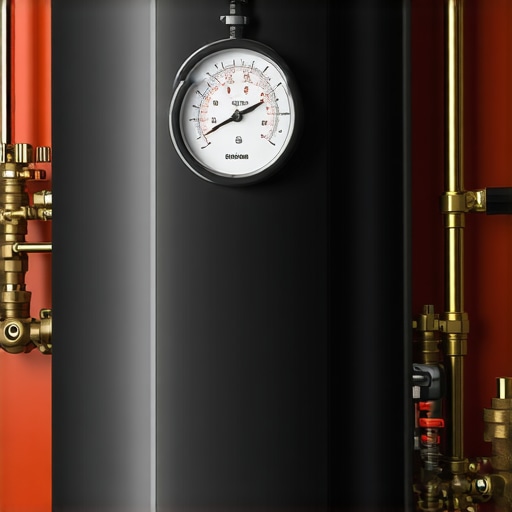
I woke up at 6:00 AM last Tuesday to a sound that resembled a jet engine taking off in my kitchen. My vintage Italian lever machine, a beauty I usually adore, was screaming. The needle on the pressure gauge was buried deep into the red zone, and steam was whistling through the safety valve like a tea kettle on steroids. I realized instantly that my pressure stat had finally given up the ghost and stuck in the ‘on’ position. If you have ever stood in your pajamas, fearing your boiler might actually explode while you are just trying to get a caffeine fix, you know exactly how heart-pounding that moment is. It is a common headache for those of us who love top-rated espresso machines for coffee lovers that have a few years on them. Today, I am going to walk you through exactly how to diagnose and unstuck that pesky component so you can get back to your morning ritual without calling an expensive technician.
The Morning My Espresso Machine Tried to Launch into Orbit
It is easy to panic when the pressure gauge starts climbing and refuses to stop. I remember the first time this happened to me; I panicked so hard I tried to ‘calibrate’ the delicate internal spring with a heavy screwdriver, effectively snapping the housing. It was an expensive lesson in patience. Most of the time, the culprit is not a dead component but a bit of calcium buildup or a fused contact point. If you have noticed why your espresso machine is leaking steam from the top lately, it might have been an early warning sign that your pressure was creeping higher than it should. We are going to dive into the guts of your machine to see if we can save that part. Have you ever walked into your kitchen to find your machine hissed out half its boiler water onto the counter?
Is Messing with High-Voltage Parts Actually Safe for a DIYer?
I get it—poking around near a boiler and electrical wiring feels like a recipe for a bad Saturday. However, as long as the machine is unplugged and the boiler is cool, a pressure stat is one of the most accessible parts to service. According to mechanical engineering standards for pressure vessels, mechanical switches like the CEME or Sirai models found in these machines are designed for thousands of cycles, but they are highly susceptible to mineral interference. If you can use a wrench and a bit of sandpaper, you can likely fix this.
Why Your Old Pressure Stat is Acting Like a Grumpy Teenager
The pressure stat is the brain of your machine’s heating system; it tells the element when to kick in and when to take a break. Over time, the tiny pipe leading to the stat can get choked with scale. If you are already wondering how to tell if your machine boiler is accumulating lime scale, the answer is usually staring you in the face when you pull that stat off. A single grain of calcium can jam the diaphragm, keeping the heater running until the safety valve intervenes. Sometimes, the electrical contacts inside simply weld themselves together from years of sparking. Understanding this ‘why’ is the first step toward a permanent fix rather than just a temporary band-aid.
Safety and Your First Three Tools
To start, you need to treat your machine like a sleeping giant. Unplug it from the wall—no exceptions. If you are working on top-rated espresso machines for coffee lovers, you are likely dealing with a significant amount of residual heat and pressure. Open the steam wand until the gauge reads zero. I once rushed this part on an old Gaggia, thinking it was ‘cool enough,’ and when I loosened the pressure stat, a jet of scalding water shot across the room and ruined my favorite barista apron. It was a messy, painful reminder that physics doesn’t care about your morning schedule. You will need a basic adjustable wrench, a small flat-head screwdriver, and a piece of high-grit sandpaper (400-600 grit). Having the right barista gear for coffee enthusiasts extends beyond just tampers; a decent set of small wrenches is vital for the home tech.
Evict the Calcium Blocking the Flow
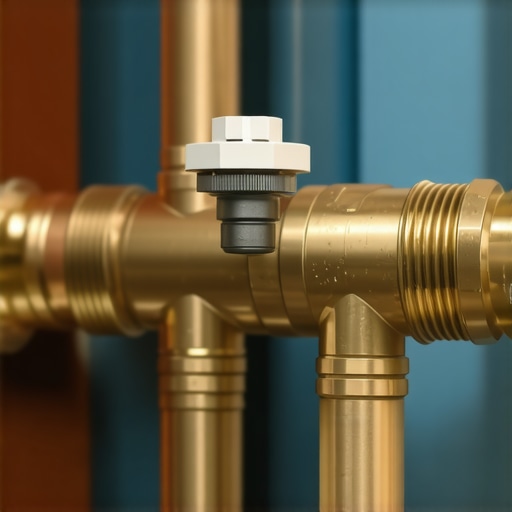
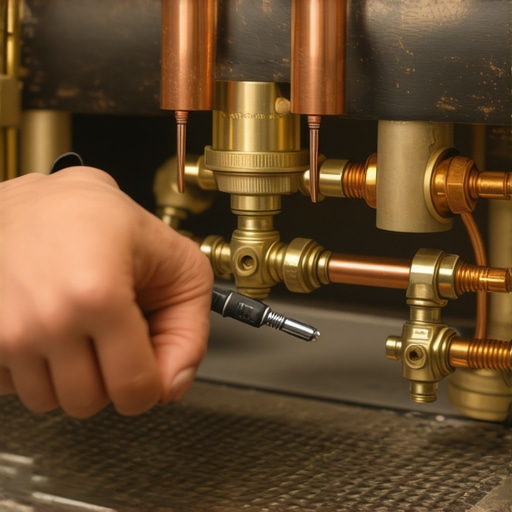
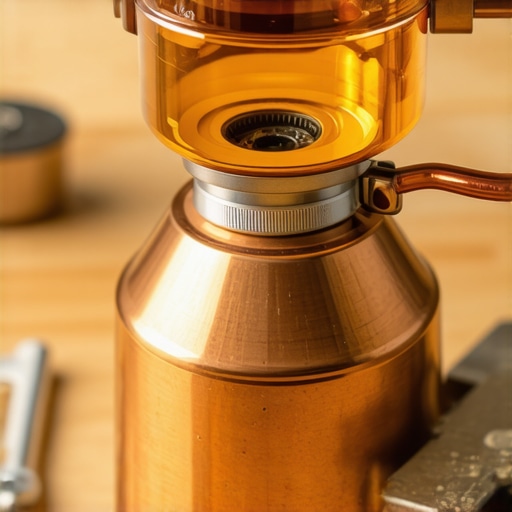
The most frequent cause of a runaway boiler is a blockage in the capillary tube—the tiny copper straw that connects the boiler to the pressure stat. Think of it like trying to breathe through a straw that has a pebble stuck in it; the ‘brain’ (the stat) never feels the pressure of the ‘lungs’ (the boiler), so it keeps yelling for more heat. Carefully unscrew the nut holding the stat to this tube. Once it is off, look inside. If you see white, crusty deposits, you have found your culprit. While you might be tempted to use a needle to poke it out, you risk puncturing the delicate diaphragm inside the switch. Instead, use a syringe to drop a bit of descaler into the opening. If you are worried about the chemicals, you can learn the best way to descale a boiler without using harsh vinegar to keep your internals pristine. 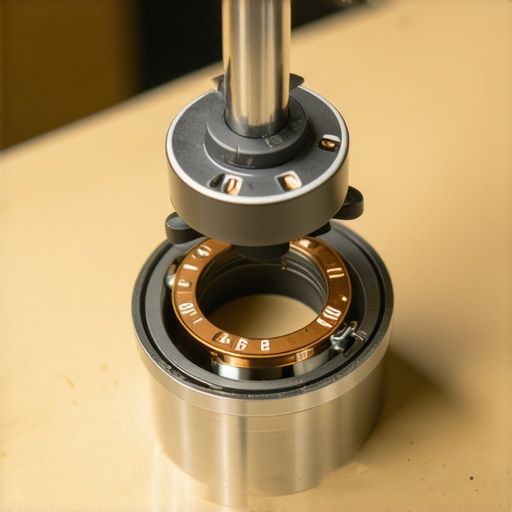
Unfusing the Electrical Contacts
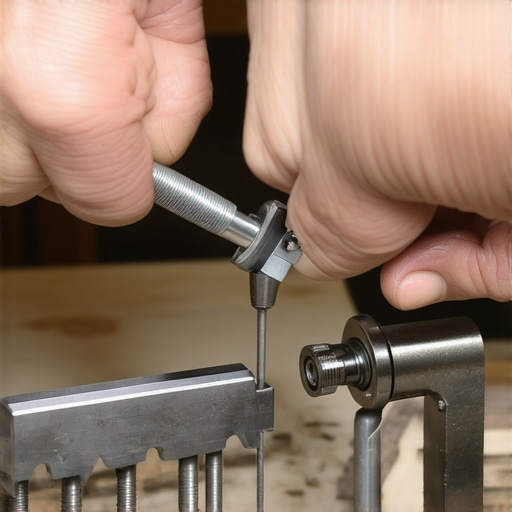
If the tube is clear but the machine still won’t stop heating, the problem is likely ‘arcing.’ Every time your machine clicks on and off, a tiny spark jumps between the metal contacts inside the pressure stat. Over years, these sparks create carbon buildup or, in worst-case scenarios, weld the metal together. This is a common reason why your espresso machine steam is wet and spluttery before it eventually fails completely. Pop the plastic cover off the pressure stat—usually, it just snaps off. Look at the two metal points. If they look black or pitted, take your sandpaper and gently slide it between them. You aren’t trying to grind them down; you are just ‘polishing’ the surface to ensure a clean electrical break. I’ve seen machines that were destined for the scrap heap come back to life after just thirty seconds of sanding. Knowing how to tell if your machine boiler is accumulating lime scale early on can prevent these contacts from working overtime in the first place.
The Gentle Art of Calibration
Once everything is clean and reassembled, do not just crank the machine back to full power. You need to verify that the stat is actually clicking off at the right time. For those mastering the art of home espresso, watching the pressure gauge is a ritual. Turn the machine on with the case still off (but do not touch anything inside!) and watch the needle. If it climbs past 1.2 or 1.5 bar (depending on your machine’s spec) and you don’t hear a ‘click,’ use your screwdriver to turn the adjustment screw on top of the stat toward the minus sign. This reduces the spring tension. If your machine is older, you might also be dealing with a broken boiler temperature sensor, but usually, the mechanical click of a pressure stat is the definitive sign that your repair worked. If you hear that click and the heater light goes off, you have just saved yourself a $200 repair bill.
While fixing a physical part feels like a victory, there is a deeper layer to machine maintenance that most enthusiasts miss. You see, everyone tells you that higher pressure equals better crema and a richer shot, but in my years of tinkering with top-rated espresso machines for coffee lovers, I have found the opposite to be true. We often obsess over the ‘9-bar standard,’ but pushing your machine to its absolute limit often does more harm than good. A stuck pressure stat is a symptom, but the way we react to it—by cranking up the settings once it is ‘fixed’—is where the real trouble begins.
Forget the 9-Bar Rule for a Moment
The biggest myth in the home barista world is that more pressure fixes extraction issues. If your shot is sour, don’t just tighten the spring on that pressure stat. In reality, a study published in the journal Matter (2020) by a team of mathematicians and chemists suggested that lowering pressure and using a coarser grind can actually lead to more consistent and higher-quality extractions. When you push 10 or 11 bars of pressure through a puck, you aren’t getting ‘more’ flavor; you are likely causing micro-channels that ruin the shot. This is why why your bottomless portafilter shows channels every time despite your best tamping efforts. Before you calibrate your freshly cleaned stat, consider if a lower peak pressure might actually save your morning latte.
Can a Fluctuating Pressure Stat Alter Your Flavor Profile?
Absolutely. If your pressure stat is ‘lazy’—meaning it has a wide dead-band where it lets the pressure drop too low before kicking the heater back on—you will experience massive temperature swings. This is a common reason why your espresso tastes burnt even with light roast beans. When the stat waits too long to engage, the heater stays on longer to catch up, often overshooting the target temperature and scorching the water. Consistency is the hallmark of mastering the art of home espresso, and a wonky stat is the enemy of consistency. Have you ever fallen into this trap of adjusting your grind to fix a taste that was actually being caused by a flickering pressure stat? Let me know in the comments.
The Hidden Trap of Over-Descaling Your Sensors
Here is the ‘oops’ factor I learned the hard way: you can actually clean your machine to death. While I mentioned using descaler earlier, doing it too aggressively or too often can strip the protective oxidation layer off your boiler’s internal components. This leads to the reason your espresso tastes metallic after descaling. Even worse, if you don’t rinse the pressure stat’s capillary tube perfectly, the acidic residue will eat away at the rubber diaphragm inside the switch, causing it to fail again within weeks. If you find why your espresso machine takes longer to heat up lately, it might be that you’ve scaled up, but if it’s overheating, you might have been too aggressive with the chemicals. Balance is everything when choosing the right barista gear for coffee enthusiasts and the chemicals to maintain it. Treat the internals with respect, or you will be back inside the casing with your screwdriver sooner than you’d like.
If you want to avoid that heart-pounding moment I had on Tuesday, the daily maintenance routine is non-negotiable. It isn’t just about the big fixes; it is about the tiny habits that prevent the crisis in the first place. I’ve found that the biggest enemy of top-rated espresso machines for coffee lovers is simply neglected coffee oils. These oils turn rancid and act like glue for calcium deposits. This is precisely why your group head shower screen is getting clogged so fast. If you aren’t backflushing with water after every session, you are basically inviting a breakdown.
Stop the Gunk Before It Stops Your Shot
Every three months, I perform a ‘deep health check’ that goes beyond the surface. I start by checking the water throughput. If you know how to check your espresso machines group head flow rate, you can spot a pump failure or a scale blockage weeks before it actually dies. I also make it a point to inspect the steam path. It’s easy to forget, but learning how to clean the inside of your steam wand pipe is the difference between silky microfoam and a spluttering mess that ruins your latte art. In fact, most people think they need milk frothers that transform your coffee experience when their current machine just needs a thorough internal cleaning.
Tools That Actually Earn Their Spot on My Counter
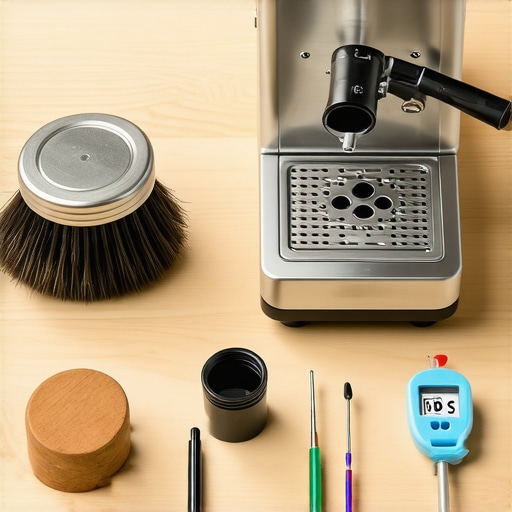
I don’t believe in clutter, but a few specific items are essential for choosing the best barista gear for coffee enthusiasts. First, get a high-quality angled group brush. Second, a simple pipe cleaner is a lifesaver—specifically for how to clean your grinders discharge chute with a pipe cleaner. This prevents the dreaded ‘retained grounds’ that make your fresh beans taste stale. Christopher Hendon, a computational chemist at the University of Oregon, notes in his research for Water for Coffee that water chemistry dictates the efficiency of the extraction even more than the mechanical pressure. This is why I always keep a TDS (Total Dissolved Solids) meter in my drawer to ensure my water isn’t slowly killing my boiler.
How can I keep my setup running like new for years?
The secret is consistency over intensity. Instead of one massive descaling session once a year—which can lead to the reason your espresso tastes metallic after descaling—focus on using properly mineralized water and performing weekly chemical backflushes. If you use a grinder, don’t wait for it to jam. Knowing how to select the perfect coffee grinder for your brew involves understanding how easy it is to take the burrs out for a quick brush. For those mastering the art of home espresso, I recommend keeping a small logbook of when you replaced your gaskets and filters. It sounds nerdy, but it’s the only way to stay ahead of the wear and tear.
Where Home Espresso Tech is Heading Next
Looking ahead, I predict we are going to see a massive shift toward ‘predictive maintenance’ sensors in prosumer machines. Imagine a machine that pings your phone not just when it needs water, but when it detects the exact mineral buildup threshold that requires a descale. We are moving away from purely mechanical beauties to ‘smart’ boilers that can adjust their own dead-bands. Until then, we have to be the brains of the operation. I want you to try one specific thing this weekend: take your shower screen off and look at the back of it. If it’s black with old oils, give it a soak in backflush detergent. You’ll be amazed at how much better your next shot tastes.
Hard Lessons from My Years Under the Espresso Machine Hood
Fixing that screaming pressure stat taught me that the most expensive repair is usually the one you ignore until it becomes a crisis. Over the years, I have learned that your machine speaks to you long before the safety valve pops; a slightly longer heat-up time or a wandering pressure gauge is a cry for help. I used to think that every mechanical failure meant I needed a brand-new machine, but most top-rated espresso machines for coffee lovers are built to be serviced, not replaced. Another lightbulb moment was realizing that the ‘click’ of the stat isn’t just a noise—it is the heartbeat of a healthy boiler. If that heartbeat skips, you need to act fast.
Gear That Keeps My Morning Ritual Stress-Free
You do not need a workshop full of expensive tools to keep your setup running. My go-to toolkit starts with a simple TDS meter; knowing your water hardness is the best way to prevent the calcium buildup we discussed. For the actual repair, I swear by a dedicated set of flare nut wrenches, which prevent you from rounding off the soft brass fittings on your boiler. If you are choosing the best barista gear for coffee enthusiasts, do not overlook a high-quality, food-safe lubricant for your O-rings. Lastly, keep a spare group head gasket in your drawer—it is the most common failure point and costs almost nothing to have on hand. These simple additions make mastering the art of home espresso a joy rather than a chore.
#IMAGE_PLACEHOLDER_E#
Master Your Machine Before it Masters You
Taking the shell off your espresso machine for the first time is intimidating, but it is also the moment you truly become a barista. When you understand the physics of the steam and the mechanics of the pressure, you stop being a guest in your own kitchen and start being the master of your brew. Do not be afraid to get your hands a little dirty; the satisfaction of hearing that pressure stat click off at exactly 1.1 bar is almost as sweet as the shot you will pull afterward. Remember, even the most top-rated espresso machines for coffee lovers require a human touch to stay in peak condition. Have you ever had a moment where you thought your machine was destined for the scrap heap only to fix it with a simple tool? Let me know below.