How to tell if your water is too soft for brewing
There was a moment in my home brewing journey when I handed a steaming cup of espresso to a friend, only to watch their face contort as they sipped. It tasted off—dull, flat, almost like the water had absorbed all the life out of the beans. That’s when I realized—I had been overlooking a sneaky culprit: the softness of my water. That lightbulb moment changed everything.
Why Soft Water Can Ruin Your Coffee Experience
Many home baristas like us focus on grinding fresh beans, dialing in the perfect shot, and maintaining shiny machines. But water? It often gets the backseat. Turns out, if your water is too soft, it can significantly impact flavor extraction. Soft water tends to lack the minerals necessary to dissolve coffee solubles properly, leading to a weak or overly flat brew. Conversely, water that’s too hard can clog the equipment and cause mineral buildup, which is equally problematic. Striking that sweet spot in water mineral content can be the difference between a decent cup and a great one.
Could My Water Be Too Soft and I Not Know It?
Absolutely. I made a costly mistake early on—assuming that purified or filtered water was enough. I didn’t realize that too much filtration or overly soft water can rob my coffee of its depth and complexity. According to a study by the Specialty Coffee Association, mineral incorporation in brewing water accounts for over 80% of flavor extraction success. So, understanding your water’s mineral content is critical. Want to learn how to tell if your water is too soft and how it affects your brew? Stick with me, because I’ve got some practical tips that will set your coffee straight.
Now, before diving into troubleshooting, I want to ask—have you ever brewed a cup that fell flat, and wondered what went wrong? If so, you’re not alone, and the good news is that with a few simple tests and adjustments, you can elevate your home espresso game. Ready to get started? Let’s explore how to check your water and make sure it’s just right for your perfect brew.
Test Your Water’s Mineral Content Effectively
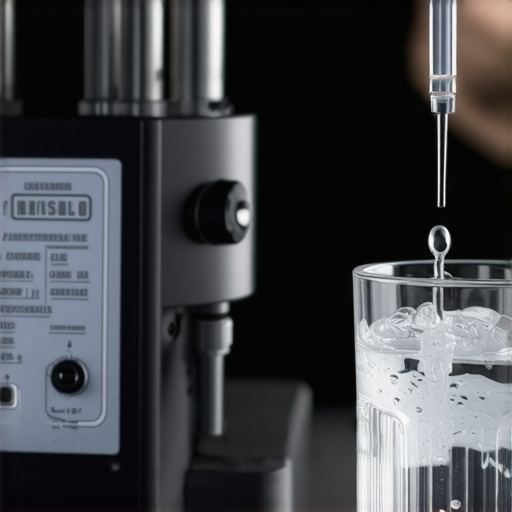
Beginning with a simple digital TDS (total dissolved solids) meter can reveal your water’s mineral levels, indicating if it’s too soft or hard. I remember once rushing to brew, only to realize my water tested below 20 ppm, signaling excessive softness. This low reading meant I was depriving my espresso of essential minerals for proper extraction. To get accurate results, fill a clean glass with your tap water and immerse the meter, recording the reading after a few seconds. This step is quick and crucial—it shows whether you need to adjust your water before brewing.
Adjust Water Hardness Using Easy Methods
If your water’s mineral levels are too low, adding minerals like calcium carbonate can help. I purchased a mineral mix designed for brewing water, adding small amounts incrementally to reach optimal levels (~50-150 ppm). Mix thoroughly and re-test using your TDS meter. Alternatively, if you’re using filtered water, consider incorporating a mineral cartridge or blending in mineral-rich tap water. Remember, the goal isn’t to make your water hard but to mimic the mineral balance found in ideal brewing water, which supports optimal flavor extraction.
Maintain Desired Water Quality Consistently
Create a routine by testing your water weekly, especially if your source varies. Use a dedicated pitcher with built-in mineral tablets that dissolve gradually, maintaining steady mineral content. Keep detailed notes of your adjustments; over time, you’ll find the perfect mineral level that enhances your espresso’s full flavor, bringing out subtle notes you might have missed otherwise. Always store minerals in a dry, labeled container to prevent contamination.
Beware of Over-Filtering and Mineral Loss
Over-filtered water can strip away essential minerals, leaving your brew flat. If you notice weak flavor, check if your filtration system is too aggressive. Consider switching to filters that remove only chlorine and sediments but preserve beneficial minerals, or use a separate mineral addition step post-filtration. I once used a reverse osmosis system without supplementation and experienced a dull shot—adding a mineral sachet restored richness instantly. Achieving the right mineral balance is key for a vibrant, full-bodied espresso.
Incorporate Water Testing into Your Routine
Make it a habit before each brewing session: test, adjust, and record. This step ensures consistency, especially if your water source changes seasonally or due to maintenance. Remember, your water quality directly impacts extraction and flavor. Think of it as seasoning—adding or adjusting minerals is akin to fine-tuning your brew’s seasoning to bring out its best qualities. For comprehensive guidance, exploring advice from experts on [mastering home espresso](https://espressotechguide.com/mastering-the-art-of-home-espresso-tips-for-beginners) can provide additional insights on perfecting your water profile. Mastering this step elevates your coffee from good to exceptional, giving you the clarity and depth that only well-balanced water can deliver.Many home baristas believe that owning the latest coffee gadgets guarantees perfect results, but in my experience, this is often a misconception. For instance, people tend to assume that a high-end espresso machine automates the brewing process, making skill less important. However, without understanding the nuances of machine calibration and water flow, even the most luxurious machines can produce mediocre espresso. It’s a mistake to think that gear alone compensates for technique. Instead, mastering the subtleties—like verifying your machine’s pressure stability or routinely calibrating your grinder—makes a real difference. Also, many believe that a powerful steam wand automatically creates silky microfoam, but proper technique and understanding milk texture are equally essential. Rushing to buy fancy barista gear without grasping these fundamentals can lead to frustration and wasted investment. For deep insights on selecting the right tools, check out [choosing the best barista gear](https://espressotechguide.com/choosing-the-best-barista-gear-for-coffee-enthusiasts).
Keeping Your Gear in Peak Condition
Investing in quality coffee equipment is only the first step; maintaining it properly ensures longevity and optimal performance. Regular cleaning of grinders and espresso machines prevents build-up that can compromise flavor and machine longevity. For instance, a weekly grinder cleaning with a dedicated brush and occasional deep cleans of your machine’s group head using descaling solutions help maintain consistent extraction. I recommend following detailed guides like this comprehensive grinder cleaning tutorial to keep your setup in top shape.
How do I maintain my espresso machine over time?
Consistent maintenance includes regular descaling, checking seals and gaskets for wear, and ensuring water filters are refreshed or replaced. Using a water testing kit periodically to monitor mineral content can help you adjust your water treatment process accordingly, avoiding mineral buildup or overly soft water issues. A well-maintained machine not only produces better-tasting espresso but also extends its lifespan, saving you money and hassle in the long run.
Tools That Boost Your Coffee Experience
High-quality tools are investments that pay off, especially when it comes to achieving barista-level results at home. I personally swear by a digital scale with a built-in timer, which allows precise control over extraction times and dose weight, leading to more consistent shots. For milk steaming, I recommend a premium milk frother that can produce microfoam with minimal effort, making latte art easier and more impressive.
Why choosing the right grinder matters
The right grinder influences every other aspect of brewing, from grind size to shot consistency. A quality burr grinder with stepless adjustment gives you the control needed to dial in your brew perfectly. I’ve found that regularly calibrating my grinder using tools like the chalk method ensures precision over time. Invest in a good grinder from the start—your espresso will thank you.
The Future of Home Coffee Tools
As technology advances, smart brewing devices incorporating app connectivity and automated calibration are becoming more accessible for home baristas. Looking ahead, I predict a surge in AI-powered calibration tools that fine-tune grind size, dose, and extraction parameters automatically, reducing the learning curve for newcomers. Stay tuned to emerging innovations, and consider testing advanced tools like Bluetooth-enabled espresso machines, which can analyze and suggest adjustments in real-time. Incorporating these tools can elevate your home coffee setup into a near-professional realm.
How do I keep my equipment performing at its best?
Develop a routine of regular cleaning, calibration, and testing—this proactive approach keeps your equipment responsive and reliable. For example, scheduling a monthly thorough descaling and weekly check of seals ensures everything runs smoothly. Remember, even the best gear needs attention; neglect can lead to costly repairs or subpar brews. Consider setting calendar reminders or using maintenance logs to track your upkeep efforts, ensuring your barista setup remains in prime condition and consistently delivers excellent espresso.
Ready to take your home barista skills further? Try implementing a weekly grinder calibration using simple tools like a chalk method. Small adjustments can make a noticeable difference in shot quality and flavor extraction. Happy brewing!
After my early misadventures with flat, underwhelming espressos, I discovered that the secret ingredient was often hiding in my water. Properly understanding and managing water mineral content transformed my brewing experience, turning simple cups into moments of pure delight. The journey taught me valuable lessons about the nuances that truly elevate home espresso.
Lessons The Coffee World Might Keep Quiet About
- Minerals Matter More Than Taste Buds Admit: I used to think filtered water was enough, but the truth is, minerals like calcium and magnesium are essential for flavor extraction. Skipping this step can leave even the best beans tasting flat.
- Overdoing the Filtration Can Backfire: Relying solely on reverse osmosis or overly aggressive filters can strip away beneficial minerals, leading to dull, lifeless shots. Finding the balance is key, and I learned that adding back minerals post-filtration saved my brew.
- Testing Is Your Best Friend: Regularly using a simple TDS meter kept me aware of my water’s mineral levels, preventing surprises and ensuring consistency in every cup—something I thought was only achievable in cafes.
- Small Adjustments Deliver Big Results: A pinch of mineral supplement or a dash of mineral-rich tap water made my espresso pop with clarity and depth. It’s all about tweaking until you hit that harmonious mineral balance.
- Water Quality Impacts Equipment Longevity: Softer water is easier on your machine, but too soft and your brew suffers. Conversely, harder water can cause scale buildup. A routine check helped me avoid costly repairs and kept my setup running smoothly.
My Recommended Arsenal for Water Wizardry
- Digital TDS Meter: Essential for quick, accurate testing of your water’s mineral levels—trust me, it’s a game-changer.
- Mineral Additives: A carefully calibrated mineral blend allowed me to customize my water profile without guesswork.
- Consistency Journal: Documenting my water tweaks ensured I could replicate my favorite brews over and over again.
- Water Source Knowledge: Understanding my tap water source and seasonal variations made me proactive in adjustments, preventing flavor dips.
Your Turn to Tackle Water and Elevate Your Espresso
Taking control of your water mineral content is like tuning your instrument—once you get it right, every shot sings. Don’t let water quality be the silent killer of your coffee dreams. Start testing, adjusting, and keeping records; soon, you’ll find yourself brewing with confidence and consistency that rivals the pros. Remember, the true power of home espresso lies in the details—so, are you ready to unlock the potential hidden in your water?
Have you ever struggled with flat or weak espresso due to water issues? Share your experiences below—I’d love to hear what worked (or didn’t) in your journey to perfect water! And if you’re curious about more tips for mastering your home coffee setup, check out this guide.