The Truth About Using Distilled Water in Your Home Espresso Boiler
It hit me one morning as I was pulling a shot—my espresso tasted flat, dull, and somehow off. After years of obsessing over grind size and tamp pressure, I realized the problem wasn’t in my technique. It was something much simpler, yet often overlooked: the water. Specifically, whether I should use distilled water in my espresso machine. That lightbulb moment led me down a rabbit hole of research and experimentation, and I want to share what I’ve uncovered.
Why Water Quality Can Make or Break Your espresso
If you’ve ever experienced inconsistent shots or buildup inside your machine, you’re not alone. Water quality plays a significant role in the longevity of your equipment and the quality of your brew. Using the wrong type of water can lead to mineral deposits, corrosion, and scale buildup that affect the taste and function of your machine. It’s a surprisingly common issue among home baristas who want to maintain their gear without the headache.
But here’s the catch—**not all waters are created equal**, and a proper understanding can save you money, time, and a potential neighborhood espresso disaster. I used to think that tap water was fine, but I quickly learned that hard water can cause more harm than good. Conversely, I also wondered if distilled water might be the answer, given its purity.
Research indicates that distilled water, due to its purity, can prevent scale buildup and extend the lifespan of your espresso boiler. However, some experts warn that because it lacks minerals, it might also corrode internal parts over time if not managed properly. You’ll find that many pros swear by using filtered or softened water instead—yet, the debate rages on.
Have you run into issues with your machine’s performance that you suspect could be water-related? Maybe your boiler is riddled with mineral deposits, or perhaps your shots have started tasting off despite every other variable being steady.
In this post, we’ll explore the real impact of distilled water—whether it’s the hero or the villain—and outline practical steps to optimize your water choice for cleaner, better-tasting espresso. Ready to dive in? Let’s get started!
Is Distilled Water Actually Worth the Hype?
Early in my home barista journey, I made the rookie mistake of assuming that distilled water was the ultimate solution. I thought, “Pure water, no minerals—what could go wrong?” It seemed logical, right? But soon enough, I noticed hints of corrosion in some of my machine’s internal parts, and my shots weren’t quite as vibrant as before.
It turns out that over-purified water can strip minerals from internal components, accelerating wear instead of preventing it, especially if you’re not using corrosion-resistant parts. I had to reassess my approach, and that’s when I discovered the importance of balancing purity with mineral content—something many enthusiasts overlook.
To help you avoid my early pitfalls, I’ll share insights from professionals, like those highlighted in expert guides for espresso maintenance, who emphasize that the right water isn’t just about purity but about maintaining a delicate mineral balance. For a comprehensive look, check out the [top-rated espresso machines for 2025](https://espressotechguide.com/top-rated-espresso-machines-for-coffee-lovers-in-2025) to see premium options designed to handle various water qualities.
Now that you understand the stakes, it’s time to explore how you can choose the best water for your home setup—whether that means using filtered water, adding minerals back, or opting for specific purification methods. Stay tuned; the next section will demystify the options and help you safeguard your investment while brewing the perfect shot.
Start with clean water sources
First, identify your water source. If you use tap water, test its mineral content. Pour a sample into a clear container and observe the clarity—it should be free of cloudiness or particles. To measure mineral levels, consider using water testing strips or kits. If your tap water is hard or contains high mineral levels, switch to filtered water or a purified alternative. I once experimented by replacing my tap water with a quality filtered water for a week, and the difference in shot clarity and machine maintenance was immediately noticeable.
Adjust your water filtration system
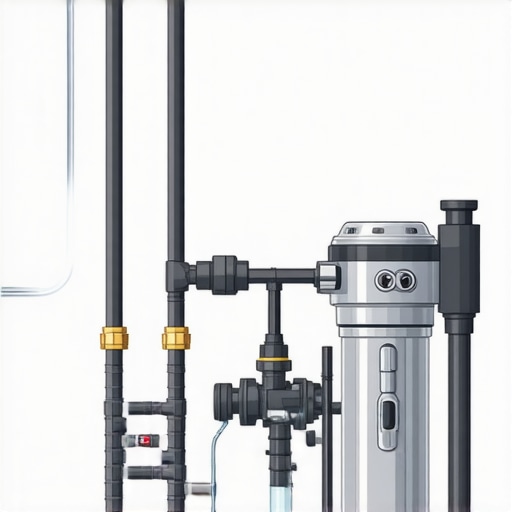
Install a suitable water filter that reduces hardness and unwanted minerals. Reverse osmosis (RO) filters are highly effective and remove most minerals, but they can strip too much, leading to corrosion issues. To mitigate this, add mineral supplements or use a mineral cartridge to reintroduce essential elements. When I upgraded my filtration setup, I added a calcium carbonate cartridge, which balanced mineral content, improved shot flavor, and protected my boiler.
Balance mineral content for taste and machine health
Minerals like calcium and magnesium enhance flavor and help maintain equipment. Aim for Total Dissolved Solids (TDS) levels around 80-150 ppm, which is optimal for espresso. Use a dissolved solids meter, or dial in your water by adding calibrated mineral solutions accordingly. I recorded my shots before and after adjusting mineral levels, noting improvements in sweetness and crema stability.
Implement routine water maintenance
Regularly descale your machine based on use and water hardness. Use descaling solutions compatible with your equipment, following the manufacturer’s instructions. During descaling, pay attention to scale buildup indicator lights or signs of reduced performance. I schedule descaling every 3-6 months, depending on my water source and machine usage, which keeps my boiler efficient and prevents scale-induced variations.
Monitor your water quality consistently
Keep track of your water’s TDS and mineral balance over time. Set reminders for testing and maintenance. If you notice increased scale, inconsistent shots, or machine leaks, reassess your water composition. I maintain a simple log of tests and maintenance dates, leading to more consistent results and fewer breakdowns.
Leverage professional gear for water optimization
If you’re serious about water quality, consider investing in water quality meters and professional-grade filters. Check out [top-rated espresso machines for 2025](https://espressotechguide.com/top-rated-espresso-machines-for-coffee-lovers-in-2025) to find equipment compatible with advanced water systems. Customizing your water setup might seem complex at first, but the payoff in flavor and machine longevity is well worth the effort.
Remember, choosing the right water is a continuous process. Experiment methodically, keep detailed notes, and adjust your approach as you learn what your coffee and equipment prefer. Small tweaks in your water routine can lead to significant improvements in your espresso shots and overall brewing experience.
Many home baristas assume that investing in high-end espresso machines or fancy accessories automatically guarantees flawless brews. However, even seasoned enthusiasts often fall prey to overlooked nuances that can undermine their efforts. One prevalent myth is that more expensive gear always produces better coffee, but in my experience, understanding the intricacies of each device’s limitations and proper maintenance is far more impactful. For instance, an overhyped shiny espresso machine might tempt beginners into believing that aesthetics outweigh functionality, but neglecting regular descaling or appropriate water quality can lead to scale buildup and inconsistent shots.
Are High-Tech Gadgets Still Reliable When You Don’t Know Their Limits?
Advanced features and automation are appealing, yet they can create a false sense of security. Many coffee lovers neglect routine calibration or proper use because they think the machine will compensate automatically. This oversight often causes variability in shot quality, especially when adjusting for variables like grind size or tamp pressure. Experts emphasize that understanding your equipment’s behavior through consistent trial and error remains essential, regardless of automation level. In fact, studies show that mastering manual controls often results in better extraction consistency than relying solely on preset programs. For an example, check out this guide on portafilter maintenance—a small detail that many overlook but can have a significant impact on shot quality. Beware of the trap where enthusiasts believe that adding more pressure, longer tamping, or overfilling the basket will improve extraction, but this often leads to channeling or uneven extraction, diminishing flavor clarity. The secret lies in mastering the basics—dose, grind size, tamping force—and making incremental adjustments based on taste and shot feedback. Additionally, improper milk frothing techniques can sabotage your latte art or texture, even with a quality frother. As highlighted in this article, temperature control and pitcher angle are subtle variables that many miss, leading to sputtering or large bubbles. Regularly maintaining your grinder, like cleaning burrs and calibrating the grind, is often neglected but critical for consistency. For more in-depth strategies, this guide to grinders offers practical advice. Don’t forget that water quality affects every aspect—poor water can cause scale buildup, strange flavors, or machine malfunctions—so always test and adjust accordingly. My own experience taught me that even the most sophisticated setup can’t compensate for neglecting routine maintenance or understanding fundamental principles. Remember, misjudging these factors can lead to wasted beans, time, and frustration. Have you ever fallen into this trap? Let me know in the comments.Maintaining your espresso equipment requires attention to detail, the right tools, and a proactive approach. Personally, I invest in a high-quality digital grinder calibration tool, like the precision grinder adjuster, which allows me to dial in grind settings with pinpoint accuracy. This not only enhances shot consistency but also extends my grinder’s life by preventing overexertion.
For cleaning, I rely on a dedicated espresso machine tablet cleaner, such as the steam wand cleaning kit. Regular use keeps internal components free from mineral deposits and oils, reducing the need for expensive repairs down the line. I schedule monthly maintenance sessions, and during each, I check for scale buildup, gasket integrity, and pump performance.
A robust but simple tool that I can’t do without is a water TDS meter. It helps me monitor my brewing water’s mineral content in real-time, ensuring optimal TDS levels are maintained—reducing scale and flavor flaws. As technical documentation suggests, consistent water quality is key to machine longevity.
Looking ahead, I predict that smart, IoT-enabled maintenance devices will become more accessible for home baristas. Imagine a device that automatically detects mineral buildup or component wear and alerts you via your smartphone. These innovations could simplify maintenance routines and preempt breakdowns, making home brewing as reliable as commercial setups.
If I had to recommend a strategic starting point, it would be to invest in a high-precision calibration tool for your grinder. Precise grind settings are the cornerstone of excellent espresso, and with your grinder calibrated regularly, you’ll notice immediate improvements in shot clarity and crema. Why not try this method today? It’s one of the best ways to elevate your home espresso game.
The Hard Lessons Hidden in Simple Mistakes
One of the most eye-opening revelations in my journey to craft the perfect espresso was realizing that the tiniest detail—water quality—could make or break my brew. I used to believe that equipment quality and technique alone dictated shot excellence, but years of trial, error, and relentless curiosity showed me otherwise. The biggest lesson? Never underestimate the power of your water. It’s the unseen foundation that truly determines flavor, machine longevity, and consistency.
Unlocking the Hidden Impact of Water on Your Coffee
What I discovered through my personal experiments is that water acts as both the hero and the villain. It can extract the nuanced flavors from your beans or sabotage your machine with scale build-up. Using distilled water seemed like the ideal solution—no minerals, no scale—yet, I learned it’s not that simple. Proper mineral content is essential to protect your gear and enhance coffee taste, which is why the right water balance is critical. The key is in understanding the delicate dance of mineral levels and filtration that suits your specific setup.
Prioritizing Water Care to Elevate Your Espresso Game
From my lessons, I advise focusing on routine water maintenance—testing TDS levels regularly, adjusting filtration systems, and adding minerals judiciously. I’ve found that a consistent routine, like descaling every few months and monitoring your brew water, results in more stable, flavorful shots and prolongs your machine’s life. Also, investing in a reliable water TDS meter has been a game changer, giving me real-time insights into my water quality, allowing me to make informed adjustments that optimize both flavor and equipment health.
Incorporating Water Wisdom Into Your Routine
My tip? Start simple: test your tap water, consider installing a filtration system that suits your mineral needs, and keep a log of your measurements and adjustments. Small, deliberate steps in managing your water can lead to significant improvements—think brighter crema, richer flavor, and fewer descaling surprises. Remember, water isn’t just a carrier; it’s a vital ingredient that deserves as much attention as your beans or grinder. Take charge, and watch your espresso transform before your eyes.