Why Your Steam Wand Tip Is Loose and How to Tighten It Safely
Have you ever been in the middle of frothing milk, only to notice that your steam wand tip feels wobbly or wiggly? It’s a frustrating moment that can throw off your entire coffee routine. I know the feeling all too well—one day, my trusty espresso machine’s steam wand suddenly started to loosen, and I spent more time fixing it than actually making my favorite lattes. That lightbulb moment made me realize just how crucial it is to keep that wand tip securely tightened, not only for safety but also for that smooth, silky microfoam we all crave.
Why Your Steam Wand Tip Becoming Loose Matters So Much
Imagine preparing your morning coffee blissfully unaware that the thin metal tip of your steam wand is hanging loosely. It might seem harmless, but a loose tip can cause spraying, uneven steam delivery, or even water leaks that damage your machine over time. More than just a nuisance, this issue can compromise your safety—hot steam and water escaping unexpectedly are serious hazards. Plus, a loose wand tip can impact the quality of your milk frothing, making it nearly impossible to achieve that perfect foam.
The good news? Fixing this problem is often simple, and with a little know-how, you can keep that tip tight and secure. I learned early on that ignoring the problem only leads to bigger headaches down the road. Trust me, I’ve made this mistake myself—reassembling components without proper care, which only made the issue worse. That’s why I’m here to share my personal experience and guide you through the safe and effective way to tighten your steam wand tip.
And here’s an interesting tidbit: studies show that maintenance issues like loose components are among the top reasons home espresso machines fail prematurely (source: CoffeeTech Insights). Addressing small problems early can save you time and money, and most importantly, keep your coffee routine running smoothly.
Now, let’s dive into the practical steps to tighten that wand tip without risking damage. Before we get into the ‘how,’ have you faced this problem before? Drop a comment below—I’d love to hear your experiences and tips! Ready to restore your machine’s performance? Let’s go.
Remove the Steam Wand Accessory for Inspection
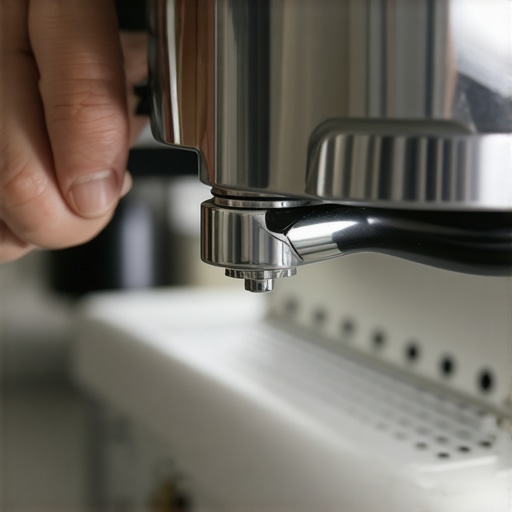
Start by turning off your espresso machine and unplugging it to ensure safety. Carefully detach the steam tip or nozzle by unscrewing it counterclockwise with your hand or a writable wrench. I once accidentally snapped a porcelain steam tip because I didn’t use enough force—lesson learned, always handle parts gently to avoid damage.
Clean and Prepare Threads and Components
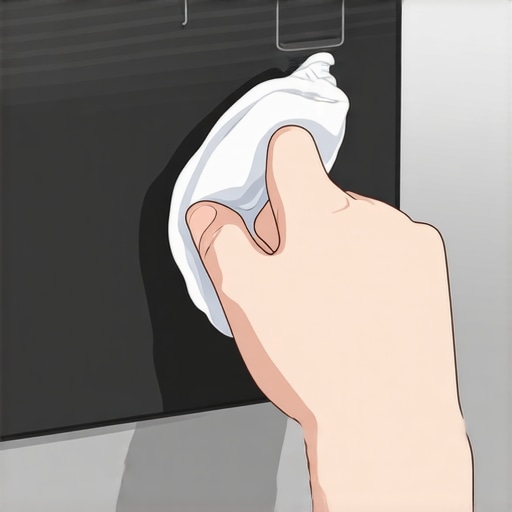
Use a clean, dry cloth to wipe threads on the wand and the tip. If there’s mineral buildup or milk residue, soak these parts in warm water with a little vinegar for 10 minutes. This helps loosen any stuck debris, making reassembly smoother. I recall a time when residue caused a wobbly wand, but a thorough cleaning fixed the wobble instantly.
Apply Appropriate Thread Sealant or Teflon Tape
Wrap Teflon tape (also known as plumber’s tape) clockwise around the threads to create a tight seal. This prevents leaks and secures the tip firmly. Avoid over-wrapping—two or three wraps are enough; too much can cause cross-threading. I once over-wrapped, which made re-screwing the tip tricky, so less is more here.
Tighten the Tip Back Onto the Wand
Screw the tip onto the wand by turning clockwise, ensuring it’s aligned properly. Use a wrench if needed, but be cautious not to overtighten—over-tightening can strip threads or crack the metal. I learned this the hard way when applying too much torque, leading to a costly repair.
Check for Proper Fit and Function
After tightening, turn on the machine and run steam briefly to test. Watch for leaks or sputtering. If water or steam escapes around the joint, tighten slightly more, but stop if resistance becomes hard to turn. Remember, a snug fit is what you’re aiming for—not overtightening. If leaks persist, revisit the threads or consider replacing worn parts.
Prevent Future Loosening with Routine Maintenance
Regularly inspect and clean the wand threads and tip, especially if you notice any wobbling. Building a habit of tightening after each use ensures a secure fit, saving you time and preventing accidents. This routine has personally saved me from unexpected sprays during busy mornings, keeping my workflow smooth and safe.
For more detailed maintenance tips, check out this guide and rust prevention tips.
Many espresso enthusiasts believe that more expensive equipment automatically guarantees perfect shots, but in my experience, this is a misconception; the real key lies in understanding your gear’s nuances and maintaining proper technique. A prevalent myth is that high-end grinders produce better espresso simply because of their price tag, yet studies show that grind consistency and proper calibration matter more than brand prestige, as highlighted in the work of coffee technology experts. Overlooking this can lead to wasted money and persistent brewing frustration.
Another common trap is relying solely on preset machine settings, assuming they are optimal. In fact, minor adjustments—like tweaking tamp pressure or water temperature—can dramatically improve extraction quality. Many home baristas overlook these subtleties, which often results in under- or over-extracted coffee. Practical knowledge about calibration and troubleshooting is essential, and I recommend exploring trusted resources like the comprehensive guide on mastering home espresso [here](https://espressotechguide.com/mastering-the-art-of-home-espresso-tips-for-beginners).
Have you ever fallen into this trap? Let me know in the comments.
Addressing milk frothing, a widespread myth is that all frothers produce equal microfoam quality; however, the choice of frothing tools and technique significantly influence texture and taste. For instance, small, well-designed milk frothers often outperform larger, more popular models if used correctly, emphasizing the importance of technique over gear. Additionally, many users assume that higher steam pressure results in better foam, but excessive pressure can cause spattering and uneven microfoam. Proper steam wand technique involves controlling pressure and positioning, which can be refined through practice and knowledge. Learn more about these advanced techniques in my recommended resources.
A hidden nuance many overlook is the effect of grinder burr alignment on shot consistency. Slight misalignments can cause uneven grounds and channeling, leading to inconsistent flavor profiles. Regularly checking and calibrating the grinder, especially when switching beans or after maintenance, ensures optimal performance. For detailed steps, visit my guide on choosing and maintaining a coffee grinder.
From understanding complex extraction variables to mastering milk frothing and equipment calibration, recognizing these nuances elevates your home espresso experience beyond the basics. Remember, the devil is in the details—like knowing that cleaning your portafilter’s gasket regularly can prevent leaks and improve shot clarity. For more expert tips on setting up your gear, check out the article on choosing the best barista gear.
Don’t forget: continuous learning and maintenance are your best allies in crafting exceptional espresso at home. Want to optimize your setup even further? Dive into specialized techniques and troubleshooting guides—you’ll be surprised how small adjustments deliver big results.Maintaining your home espresso setup doesn’t happen by accident; it requires the right tools and a disciplined approach. I personally swear by a high-quality burr grinder like the Baratza Virtuoso+, which offers unmatched grind consistency essential for extracting optimal flavors. Its simple, accessible adjustment system allows me to fine-tune grind size with precision, ensuring that each shot maintains the perfect balance between bitterness and brightness. For cleaning, I rely on a dedicated espresso machine brush to clear portafilter baskets and group heads after every session—this proactive habit prevents oil build-up and residual coffee from affecting future shots. Regular descaling is crucial, especially if you have hard water; I use a descaling solution recommended by industry pros, following their exact instructions to prevent mineral deposits from compromising heating elements and flow rates. Long-term results depend on consistent upkeep, and I track my machine’s performance metrics with a digital thermometer to monitor temperature stability over time—especially useful when aiming for that precise 92°C often cited in professional circles. As trends evolve, I anticipate more smart tools integrating app-based diagnostics, making maintenance even more accessible. How do I maintain my espresso gear over time? I schedule monthly deep cleans, including backflushing my machine with appropriate cleaning agents, and replace worn group gaskets annually to maintain a proper seal. This proactive approach minimizes breakdowns and ensures every cup tastes as fresh as the first. Ready to level up? Try incorporating a quality Teflon tape when reassembling your steam wand fittings, as this minor step can prevent annoying leaks and extend the life of your components. For more detailed guidance, visit the comprehensive mastering the art of home espresso article. Proper maintenance is the secret to long-term success with your barista gear, and investing in the right tools makes all the difference. Don’t forget, a well-maintained machine means no more surprises—just perfect espresso, shot after shot.
Lessons I Wish I Learned Sooner About Espresso Gear
One of the biggest lightbulb moments came when I realized that even premium equipment needs regular attention; neglecting simple maintenance like tightening fittings or cleaning filters can undermine your entire coffee experience. I used to think that investing in high-end espresso machines or grinders was enough, but I discovered that consistent care and a bit of insider knowledge are what truly make the difference, especially when troubleshooting issues like inconsistent shots or spitting steam.
Another revelation was understanding that small components—like your portafilter gasket or steam wand fittings—are often the culprits behind persistent problems. Overlooking these tiny details costs more than just money; it affects flavor, safety, and overall satisfaction. Once I started following routine maintenance protocols, I felt more confident, and my espresso shots improved dramatically, proving that expertise often lies in the details.
Finally, I learned to trust reputable resources and dedicated tools—such as quality cleaning brushes or calibrated espresso scales—which empower me to troubleshoot and fine-tune my gear. It’s a reminder that expertise isn’t just about knowing everything but knowing where to find the answers and how to apply them, transforming your home setup into a professional-grade station.
My Preferred Tools and Resources to Elevate Your Home Espresso Game
First and foremost, I always recommend checking out this comprehensive guide for foundational skills and maintenance tips. It’s like having a personal barista walk you through every step. For cleaning, a good dedicated water tank brush has saved me countless headaches, preventing mold buildup that can spoil your brew.
When it comes to calibration and fine-tuning, a digital precise grinder and reliable pressure gauge have been game changers. These tools give me confidence that every shot is dialed in perfectly. Lastly, exploring trusted brands and equipment reviews, like those at top-rated espresso machines for 2025, helps me stay updated on innovations and avoid costly mistakes.
Your Next Step Toward Espresso Excellence
Achieving the perfect home espresso setup is a journey filled with rewarding discoveries and small victories. Every tweak—be it tightening a loose steam wand, cleaning a clogged portafilter, or calibrating your grinder—brings you closer to barista-grade results. Embrace the process, stay curious, and build confidence through consistent care. Remember, mastery isn’t a destination but an ongoing pursuit that transforms everyday routines into delightful rituals.
What piece of equipment maintenance gave you the biggest improvement in your coffee quality? Share your experiences below—I’d love to learn what works for you!