The Difference Between Ceramic and Steel Burrs for Flavor Clarity
There was a morning not long ago when I nearly gave up on my espresso ritual altogether. Everything seemed off—bitter notes, uneven extraction, a strange metallic aftertaste. It hit me like a cold splash that my grinder’s burrs might be the culprit. And that was the lightbulb moment that led me down the path of unraveling one of the most overlooked secrets in coffee brewing: the difference between ceramic and steel burrs for flavor clarity.
Why Your Choice of Burrs Could Make or Break Your Espresso
Choosing the right burrs isn’t just about grind consistency or machine longevity; it’s about unlocking the purest expression of the beans you’re brewing. You see, the material of your burrs influences how the coffee grounds are processed, which in turn affects the flavor profile. Early on, I made the mistake of assuming all burrs are created equal—big mistake that side-tracked my quest for perfect shots for months. I learned that understanding the nuances between ceramic and steel burrs can dramatically elevate your coffee game.
Let’s be honest—if you’re like me, you’ve probably faced the frustration of bitter or muted flavors, wondering if it’s the beans, the grinder, or maybe just bad luck. What if the material of your burrs holds the key to clarity, sweetness, and overall balance?
In upcoming sections, I’ll share personal insights and practical tips on how to select the ideal burrs to match your coffee preferences, and how to avoid common pitfalls. For instance, did you know that improper maintenance of your grinder can lead to flavor degradation over time? To keep your equipment in top shape, check out this quick fix for [a grinder that sprays grounds everywhere](https://espressotechguide.com/the-fix-for-a-grinder-that-is-spraying-grounds-everywhere). It’s an easy step that preserves your flavor clarity.
So, have you ever struggled with inconsistent flavor or muddy espresso shots? If so, you’re not alone—and understanding your burrs might just be the missing piece in your brewing puzzle. Stick around, because what I’ve discovered might change the way you approach your coffee forever.
Test Your Grinder Alignment for Consistent Results
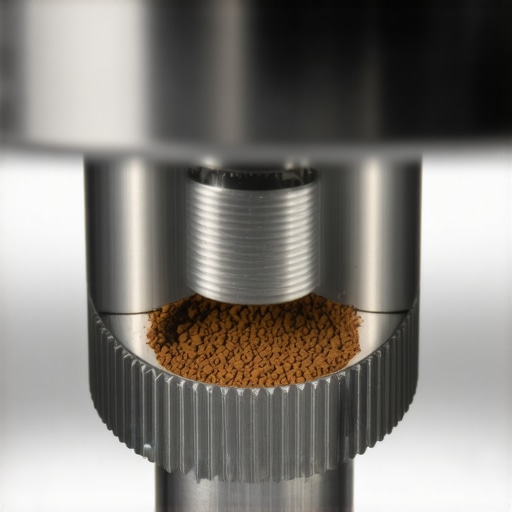
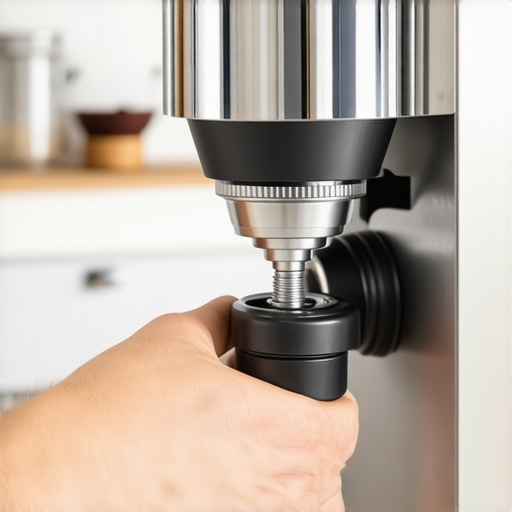
Start by removing your grinder’s hopper and inspecting the burrs for any misalignment. Use a calibration tool or a simple paper strip—place it between the burrs and rotate gently to see if they are evenly aligned. During my own trial, I once temporarily misaligned the burrs, which caused uneven grounds and a muddy shot. Correcting their alignment instantly improved clarity and sweetness in the espresso.
Adjust Your Grind Settings Precisely
Moving from coarse to fine, adjust your grind settings incrementally rather than drastic changes. For example, if your shot is extracting too quickly with muted flavors, try fine-tuning the burrs by small steps, like 0.1mm, until the extraction time hits around 25-30 seconds. Remember that steel burrs tend to grip and adjust differently than ceramic, which impacts how much you need to dial in for optimal flavor.
Regular Maintenance Is Key
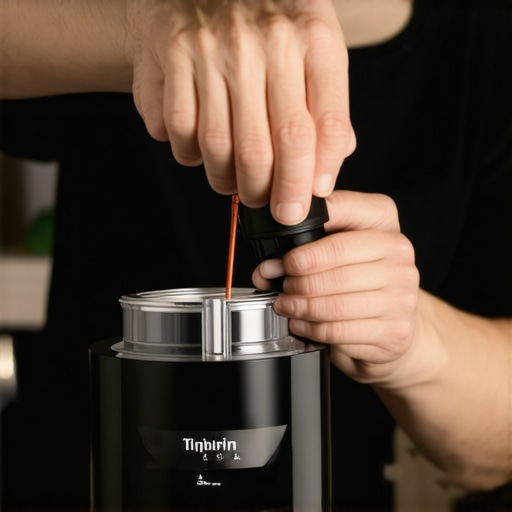
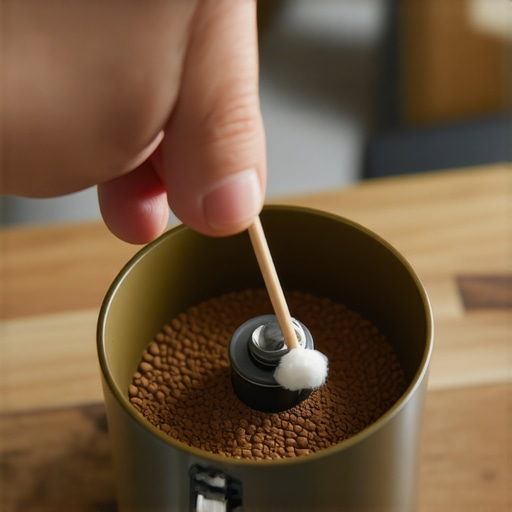
Keep your grinder clean by brushing out residual grounds daily. Use a dedicated cleaning brush or vacuum attachment to remove clogs, especially around the burrs. This prevents old grounds from contaminating your fresh pull, which can lead to bitter or metallic notes. I discovered that neglecting this step led to inconsistent flavors, prompting me to develop a routine that boosts flavor clarity consistently.
Optimize Burr Material Based on Your Brewing Style
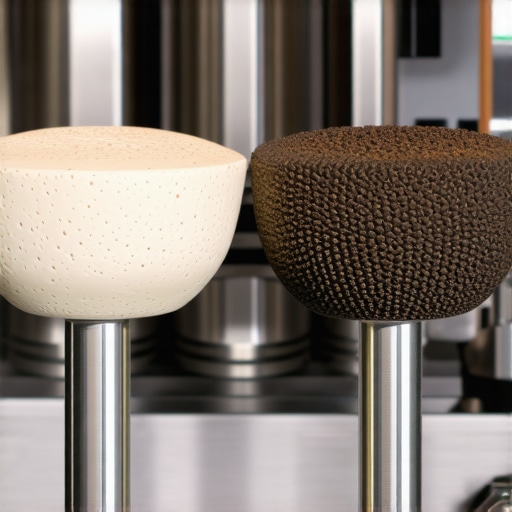
If you prefer bright, nuanced espresso, ceramic burrs are less likely to impart metallic flavors and will maintain sharper edges longer, preserving grind consistency. Conversely, steel burrs are more forgiving with oily beans and tougher to dull over time. My switch to ceramic burrs coincided with a noticeable increase in flavor clarity, especially when brewing high-acid light roasts. To prevent potential issues like chipping, handle ceramic burrs carefully during cleanup—see this guide for tips on maintenance.
Evade Common Burr-Related Pitfalls
One mistake is neglecting to replace worn burrs timely, which can cause uneven particle size and lead to muddy, bitter shots. Regularly examine the burrs’ edges for signs of dullness or chips. If the grind looks inconsistent despite fine-tuning, it’s time to replace them. When replacing, ensure proper calibration to avoid residual inconsistencies—consider consulting this troubleshooting tip for related issues that can mimic burr problems.
Experiment and Record for Precision
Keep a log of grind settings and flavor outcomes. For example, I started noting every tweak I made and the resulting taste profile, which helped me identify the ideal balance for my beans. If your espresso tastes dull or overly bitter, revisit your grind moments using these logs and adjust accordingly. Remember, the perfect grind is a combination of burr material, alignment, and precise settings.
Leverage Visual Cues for Better Grinding
Observe the grounds as they exit your grinder—uniform size indicates proper burr health and alignment. Irregular, clumped, or dusty grounds suggest dull burrs or misalignment. I used a magnetic mirror to inspect and confirm the consistency, which significantly reduced trial-and-error brewing attempts. Incorporating visual feedback into your routine saves time and elevates flavor clarity.
Many home baristas focus heavily on finding the perfect espresso machine or the latest grinder, but often overlook the subtle yet critical details that influence brewing success. Contrary to common belief, owning high-end gear doesn’t guarantee stellar results if you don’t understand the intricate nuances involved. For example, beginner enthusiasts frequently assume that upgrading to a commercial-grade machine will instantly elevate their coffee, yet mechanical and maintenance pitfalls often go unnoticed, leading to disappointing pours.
Can Advanced Baristas Avoid Common Equipment Traps and Elevate Their Shots?
One trap is neglecting the importance of regular calibration and maintenance. Even premium grinders can spray grounds or produce inconsistent particle sizes if not properly aligned or cleaned, hampering flavor extraction. A popular misconception is that burr material, such as ceramic versus steel, significantly impacts taste—while material matters, the maintenance routine and burr sharpness play more decisive roles. In fact, a study by the Specialty Coffee Association shows that consistent dosing and grind adjustment practices outweigh equipment choices in flavor outcomes. Moreover, many baristas underestimate the complexity of milk frothing. Oversimplifying the process often results in large bubbles or burnt flavors, especially if the steaming wand or milk type isn’t suited to the technique. For those venturing into microfoam mastery, understanding how temperature and aeration affect milk texture is crucial. This guide offers valuable tips for refining your steaming skills. Another overlooked aspect is home water quality. Hard water can cause mineral buildup inside machines and impair flavor purity. An often skipped step is installing a suitable water filtration system, which can prevent costly repairs and improve taste—dive into this detailed overview. Don’t fall into the trap of thinking that the latest technology automatically solves all issues; instead, meticulous attention to equipment health, proper calibration, and understanding the chemistry of brewing are what truly separate experts from novices. Have you ever fallen into this trap? Let me know in the comments.
Investing in quality equipment is only half the battle; maintaining it effectively ensures longevity and consistently great results. Over the years, I’ve refined my toolkit to include specific items that make maintenance straightforward and reliable. For instance, I swear by a high-quality matte black silicone brush from Big Green Brush to clean grinder burrs and chute thoroughly without damaging delicate components. Regular cleaning prevents grounds from caking and ensures uniform grind quality, which is critical for flavor clarity. Additionally, I use a precision calibration gauge to set grind size and dose, eliminating guesswork and maintaining consistent extraction times.
For more stubborn residues, I rely on specially formulated espresso machine descalers like Urnex Dezcal. Regular descaling prevents mineral buildup inside boilers and pipes, which can impair heating efficiency and flavor. I schedule this process every 3-6 months, depending on water hardness, or sooner if I notice temperature inconsistencies. A quality water filtration system is integral to this upkeep, reducing mineral deposits and protecting your investment.
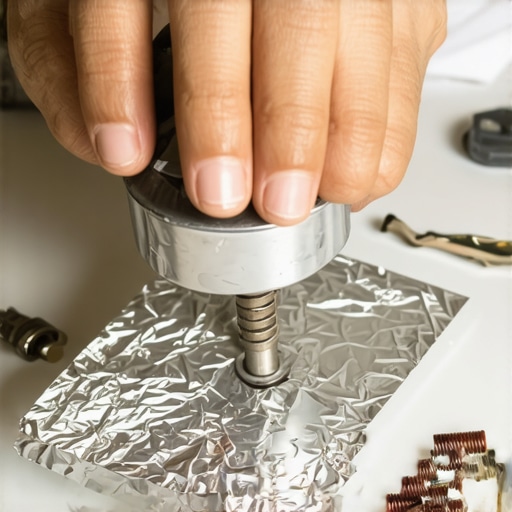
When it comes to troubleshooting, having the right tools can save hours. For example, a small ratchet and socket set is invaluable for quickly replacing or adjusting internal components, such as solenoid valves or gaskets. These minor repairs, if addressed promptly, prevent more significant failures and costly repairs down the line. Moreover, a thread repair kit can be a lifesaver for worn or stripped portafilter threads, saving you from replacing entire parts unexpectedly.
Looking ahead, I predict that smart diagnostic tools will increasingly assist home baristas and pros alike. Devices that monitor temperature fluctuations, pressure stability, and even grinder performance via mobile apps will make maintenance more precise and less time-consuming. For now, I advise prioritizing regular visual inspections and adopting a preventive mindset. Don’t wait for your machine to break down; instead, build a routine around these essential tools and procedures to keep everything running smoothly.
Ever Wonder How to Keep Your Equipment Performing Like New?
Focus on developing a maintenance routine that includes cleaning, calibration, and component checks. For instance, I suggest setting a monthly reminder to inspect the tamping station and group head seals for wear—these small checks make a big difference in shot consistency. Remember, even minor issues like a slightly clogged portafilter gasket or a misaligned grinder burr can degrade flavor and cause long-term damage. To dive deeper into this, explore this guide on gasket replacement.
One practical step I recommend trying today is to use a magnetic mirror for quick visual checks of your grinder burrs and internal components. This simple, inexpensive device has revolutionized how I spot wear and misalignments early. Check out this review to see how it can help you maintain your gear better. Consistent upkeep not only preserves flavor clarity but also extends the lifespan of your beloved equipment, saving you money and time in the long run.
What I Wish I Knew Before Picking My Burrs
The hardest lesson I learned was realizing that my choice of burrs could make or break my espresso’s clarity. I once believed that all burrs were created equal and paid the price with muddy shots. Now, I understand that matching burr material to my brewing style—ceramic for bright, nuanced flavors or steel for oily beans—can unlock flavor profiles I never thought possible. The subtle differences in maintenance routines and alignment have also transformed my approach, saving me time and ensuring consistency.
Tools and Resources That Changed My Coffee Game
One game-changer was investing in a calibration gauge. It’s helped me dial in grind settings with precision. I also rely on a magnetic mirror to inspect burr health visually—saving me from guesswork. When I need tutorials, this guide on perfecting microfoam has been invaluable, especially for milk-based drinks.
Embrace the Journey to Coffee Mastery
The key is not just owning top-tier gear but knowing how to maintain and calibrate it meticulously. Developing a routine—be it regular cleaning with descalers or inspecting burrs—ensures your espresso remains vibrant and balanced. Remember, every minor tweak and check brings you closer to that perfect shot. Your journey toward better espresso starts today; don’t wait for equipment issues to guide your learning. Instead, cultivate habits that preserve your gear and enhance your flavor clarity, making each cup a reflection of your skill and passion. Happy brewing!