The Move for Better Flow Control on Manual Lever Machines
Imagine this: You’re all set for your morning espresso. You press the lever, and instead of that silky smooth shot, you’re greeted with a sputtering mess or a stubbornly slow flow. Frustrating, right? I’ve been there, too. The moment when your trusty manual lever machine seems to fight you at every turn—makes you wonder if it’s secretly plotting against your caffeine dreams.
Why Flow Control Can Make or Break Your Espresso
The truth is, the way I handle flow control on my lever machine transformed my entire approach to espresso. When I first started, I underestimated how crucial precise flow manipulation could be. I’d just pull the lever and hope for the best—big mistake. I quickly learned that managing the flow rate isn’t just about avoiding messes; it directly impacts the shot’s flavor, consistency, and overall quality.
Better flow control allows for a more nuanced extraction, giving you control over the espresso’s richness and sweetness. It’s like learning to play an instrument—small adjustments can produce beautiful harmony. But here’s the catch: Many home baristas overlook this vital aspect, or worse, try to force their machines without fully understanding how to modulate the flow effectively.
Are You Sabotaging Your Shots Without Realizing?
Early on, I made the mistake of rushing the adjustment process, neglecting the importance of gradual tweaks. That led to uneven shots and wasted beans. The breakthrough came when I discovered how subtle flow control tweaks could consistently improve my brews. You wouldn’t believe how making small, deliberate adjustments to your lever’s movement can turn a mediocre shot into a game-winning espresso.
If you’re tired of inconsistent results or your shots feel flat or over-extracted, then mastering flow control is your secret weapon. Today, I’m going to share practical tips and insights to help you take charge of your manual lever machine like a pro. Ready to turn your coffee routine into an art form?
Getting Started with Better Flow Management
This isn’t just theory—these are techniques I’ve applied myself, with tangible results. Whether you’re facing sputtering wands or erratic flow rates, the right strategies can make a world of difference. And if you’ve ever wondered why your machine sometimes behaves unpredictably, I’ll also point you toward helpful resources, like how to clear steam wand blockages and optimize your setup for consistent flow.
So, let’s get into the heart of the matter—understanding why flow control is so critical and how you can harness it to elevate every shot you pull. If you’ve faced those frustrating moments, stick around; you’re about to gain a new level of mastery over your espresso experience.
Start with a Clear Dose and Basket
Before you even touch the lever, ensure your coffee dose matches your basket size. Overloading or underfilling causes flow inconsistencies. For example, I once used a 20g dose in a 16g basket, which led to sluggish flow and uneven extraction. To prevent this, learn how to pick the right basket and dial in your dosage.
Set Up Your Grind Properly
The grind size directly impacts flow. Too fine, and you’ll block the flow; too coarse, and it’ll run too fast. I recommend calibrating your grinder after any burr change to maintain consistency. Use a calibration process to ensure your grind matches your desired extraction time.
Adjust the Tamping Pressure
Consistent tamping ensures uniform resistance. Too hard, and you create unnecessary pressure; too soft, and water passes too quickly. I adopted a standard tamping force after testing with a digital scale, which resulted in more predictable flow rates. Also, make sure your tamping station is level and stable to avoid uneven pressure.
Manage Pre-Infusion Carefully
Pre-infusion wets the puck gradually, reducing channeling. On my machine, I introduced a brief pre-infusion of 5 seconds at low pressure to soften the coffee bed. This step drastically improved flow stability. If your machine doesn’t have pre-infusion, consider manually slowly pulling the lever to flood the puck gently before building pressure.
Control Your Lever Movement for Flow Rate
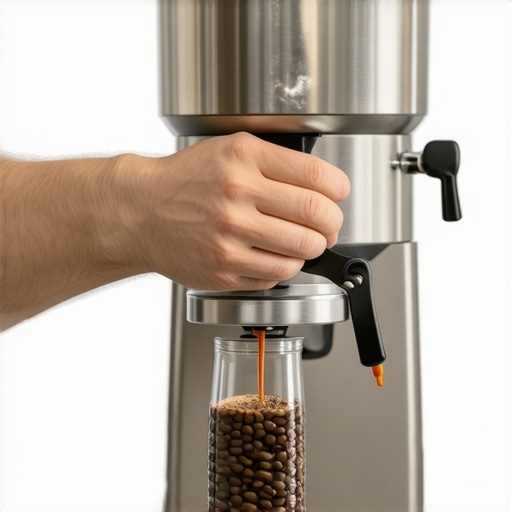
This is where most leakage begins. Rather than yanking the lever down quickly, practice a slow, steady movement. I remember the first time I applied gentle pressure and noticed the shot became smoother and more manageable—no sputters or sputtering stops. Think of your lever as a dimmer switch, not an on/off button. Practice in front of a mirror or record yourself to refine your control.
Fine-Tuning During Extraction
Once the shot starts flowing, modulate the lever slightly to control the flow rate. If the flow begins too fast, gently lift the lever, then reapply pressure. If it’s too slow or sputtering, reduce the pressure slightly. Over time, this delicate balancing acts like a dance—your small adjustments directly influence flavor clarity and crema richness.
Address Flow Interruptions Immediately
If you notice sputtering or flow stops, it often indicates a blockage or uneven puck. Check your steam wand blockage, or ensure your portafilter gasket isn’t causing leaks. Clean the group head and verify your water flow paths regularly. A simple backflush with a cleaning detergent can prevent buildup that causes inconsistent flow.
Monitor and Record Your Results
Keep a log of your flow rates, dosing, grind, tamping pressure, and shot times. Use small variations in your process to see what yields the best flavors. For example, I recorded that lowering my tamping pressure slightly increased sweetness without sacrificing body. Consistent observation will help you develop a reliable intuitive feel for flow management.
Utilize Visual Cues
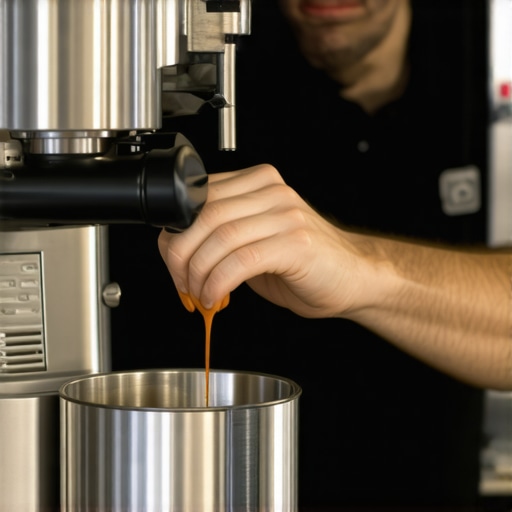
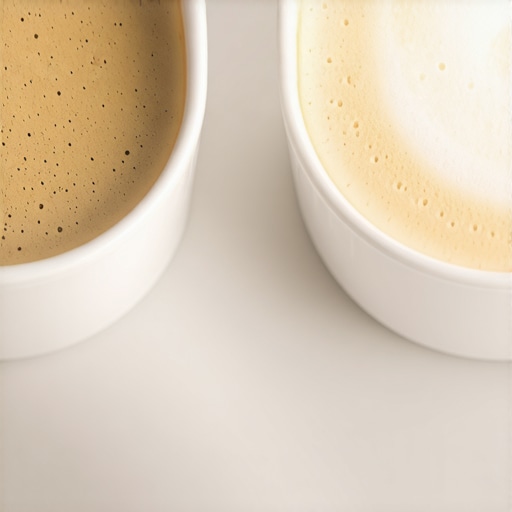
Watch the espresso pour—aim for a steady, honey-like stream and golden crema. A flickering or sputtering pour indicates flow issues. When you master gentle, consistent lever movement and pre- and post-infusion tweaks, your shots will become more predictable and delicious.
Many home baristas fall prey to popular misconceptions about essential equipment like milk frothers, coffee grinders, and espresso machines. While the industry emphasizes tech specs and brand prestige, true mastery lies in understanding nuanced details that often go overlooked. For instance, it’s a common belief that all grinders with larger burrs automatically produce better espresso. Yet, in practice, burr shape and alignment—elements rarely discussed—play crucial roles in particle consistency and extraction quality. Misalignments or dull burrs can lead to uneven grounds, resulting in channelling and sour flavors, regardless of the burr size.
Why Do Your Milk Frothers Leave Bubbles and How Can You Fix That?
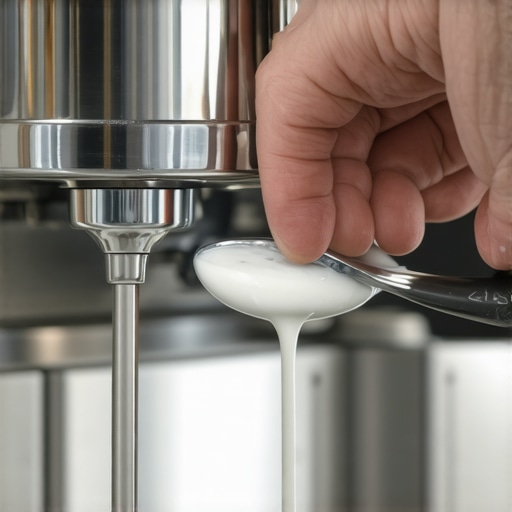
Many enthusiasts think that high-quality milk frothers guarantee silky microfoam. However, the key nuance is the milk temperature and pitcher angle, not just the frothing wand. Overlooking pre-heating the milk or using improper positioning can trap large bubbles, making drinks look frothy rather than creamy. Proper technique, such as immersing the wand at the right depth and maintaining consistent steam pressure, distinguishes professional results from amateurish foam. For common issues like large bubbles, check out how adjusting steam pressure and milk temperature can drastically improve your microfoam.
Have you ever fallen into this trap? Let me know in the comments!
Another widespread myth involves espresso machines’ pressure gauges. Many believe that higher pressure always yields better extraction. Yet, manipulating pressure without understanding your machine’s specific pressure profile can lead to over-extraction or bitter tastes. Advanced baristas adjust variables like pre-infusion time and brew temperature rather than blindly pushing up pressure settings. Who knew that true control involves fine-tuning multiple parameters rather than relying solely on the gauge? Studies, such as those referenced in expert reviews, affirm that nuanced pressure management enhances flavor clarity and mouthfeel.
What Is the Most Overlooked Detail in Your Coffee Grinder Setup?
Beyond burr size and grind settings, the alignment and cleanliness of your grinder’s chamber greatly influence consistency. Many skip regular burr calibration or neglect cleaning the grind pathway, causing old grounds to contaminate fresh batches. This mistake skews grind size and results in inconsistent extraction. For example, misaligned burrs can create uneven particle sizes, leading to channelling. Regular calibration after changing burrs, as explained in this guide, ensures uniformity and optimal flavor. Recognizing that equipment maintenance is an ongoing process unlocks your machine’s full potential.
Remember, mastering your gear involves more than just picking the best-model. It’s about understanding the subtle quirks and performing precise adjustments. These hidden nuances differentiate a good barista from a great one. Stay curious, question assumptions, and hone your technique—your perfect espresso depends on it.
Tools That Ensure Longevity and Precision
Investing in quality tools is crucial for maintaining your espresso setup. A digital caliper allows me to accurately measure grinder burr gap, ensuring consistent grind size. Regular calibration with the calibration kit I use reduces uneven grounds and channelling issues. For cleaning, I rely on a brush set designed for espresso machines—specifically, the Espresso Machine Cleaning Brush Kit. It makes descaling routines more effective and less time-consuming, preventing build-up that hampers flow and temperature stability.
Furthermore, a precise temperature gun helps me verify boiler and group head temperatures, catching issues before they affect shots. Software like Clive Coffee’s Bolé offers machine diagnostics and can alert you to anomalies, such as overheating or inconsistent pressure readings. Integrating these tools into your routine means fewer surprises and longer machine life.
Routine Maintenance: The Key to Consistency
Consistent cleaning routines extend your equipment’s lifespan and improve shot quality. Descaling your espresso machine periodically prevents calcium build-up, which can lead to poor heat transfer and flow issues. A simple step is to follow expert instructions, like those found in this detailed descaling guide.
Replace worn-out gaskets and seals proactively— I recommend checking your portafilter threads annually. These small tasks prevent leaks that disrupt flow and temperature stability over time. Maintaining a clean water filtration system, as outlined in the water filtration article, also safeguards your internal components from mineral deposits.
Predicting Equipment Trends: Where Are We Headed?
As technology advances, integrated sensors and IoT connectivity are becoming standard, enabling real-time monitoring of machine health. Smart calibration tools, like the Barista Hub, predict wear and suggest maintenance proactively. Expect to see more machines equipped with self-diagnostic features that warn you before failures occur—saving time and expensive repairs.
How do I maintain my gear over time?
Regularly inspecting and cleaning all components, using precise measuring tools, updating software, and replacing worn parts before failure are essential steps. Establish a maintenance schedule aligned with your usage frequency. For a comprehensive approach, check out my detailed guides and make a habit of recording your maintenance activities. A proactive stance prolongs your equipment’s lifespan and guarantees that each shot meets your highest standards. For example, consistent burr alignment, verified via digital calipers, yields uniform grounds and optimal extraction every time.
If you want to elevate your routine, start by adopting a monthly calibration check with a digital caliper—it’s a game-changer in achieving repeatable excellence.
Throughout this journey, I’ve realized that the path to exceptional espresso is paved with attention to detail, patience, and a willingness to learn from every shot. The most valuable lesson I uncovered is that mastery isn’t about owning the latest gizmo but understanding and managing each component effectively. Initially, I underestimated how critical subtle adjustments in flow rate, tamping, and grinder calibration could be. It often meant the difference between a flat, disappointing brew and a vibrant, balanced shot bursting with flavor.
Lessons the Baristas Don’t Usually Share
- Small tweaks, Big payoff: Adjusting your lever movement or tamping pressure might seem minor, but these tiny tweaks can produce profound improvements in taste. I found that slowing down my lever and applying consistent pressure unlocked a new level of control.
- Equipment care equals coffee care: Regular calibration of grinders and timely maintenance of portafilters and seals ensure stability in flow and temperature, directly impacting flavor clarity. Investing in a digital caliper and setting a routine kept my equipment in top shape, as I personally attest.
- Pre-infusion isn’t just for fancy machines: Gentle wetting of the puck before full pressure builds softens the grind and reduces channeling. Experimenting with this step, even manually, transformed my shots from uneven to silky smooth, making me appreciate the synergy between technique and gear.
Tools That Help Keep Your Coffee Dream Alive
- Digital Caliper: Precise measurement of burr gaps is vital for consistency; I trust this tool because it removes guesswork and ensures my grind remains optimal.
- Cleaning Brush Set: Regular cleaning prevents buildup that causes flow interruptions. The professional-grade brushes make the task quick and effective, ensuring my machine breathes easy.
- Infrared Thermometer: Monitoring boiler and group temperatures in real-time has saved me from flavor disasters due to overheating or under-heating—it’s a game-changer.
- Machine Diagnostic Software: Modern machines equipped with built-in diagnostics or compatible apps alert me to potential issues before they escalate, prolonging their lifespan and maintaining shot quality.
Nurturing Your Passion with Routine and Love
Consistent maintenance, from descaling to gasket replacement, might seem mundane, but these habits safeguard your craftsmanship. Every routine check ensures that your equipment delivers reliable performance, enabling you to focus on refinement rather than repair. Remember, the difference between a good barista and a great one often lies in their dedication to upkeep and their openness to learning from every shot pulled.
Your Turn to Elevate Your Coffee Game
The journey into mastering milk frothers, home espresso, coffee grinders, espresso machines, and barista gear is ongoing—and incredibly rewarding. Each adjustment, each calibration, adds up to a more flavorful, enjoyable experience. Embrace the process, experiment fearlessly, and don’t shy away from the details—your perfect cup awaits.
What has been your most surprising discovery about controlling flow or gear setup? Share your story and inspire others on their coffee adventure below.
}#}#}】}#}#}】,{