How to Clean a Moldy Drip Tray Without Using Harsh Bleach
Ever opened your espresso machine’s drip tray and faced that unsettling moldy film? I’ve been there—utterly grossed out, wondering how I’d let it get so bad without noticing. I used to think harsh chemicals and aggressive scrubbing were the only ways to tackle it, but I soon realized there’s a better, safer approach. The lightbulb moment? Discovering how to clean a moldy drip tray without resorting to harsh bleach, all while preserving my machine—and my health.
Why Ignoring Mold Could Cost More Than Just a Bad Cup
Believe it or not, mold isn’t just unsightly; it can pose health risks, especially for anyone with allergies or respiratory issues. Plus, if mold gets into the machine’s internal parts, it might accelerate wear and even cause costly damage down the line. I learned this the hard way early on, when I dismissed a not-so-clean drip tray and ended up with a stinky, malfunctioning espresso machine. That mistake taught me the importance of regular, safe maintenance. If you’re nodding along, wondering how to handle those tricky mold spots without harmful chemicals, you’re in for a treat. Today, I’ll share a practical method that’s gentle, effective, and friendly to your machine—and your nose.
Will Natural Methods Do the Job or Just Mask the Problem?
At first, I doubted natural cleaning would be enough. I’d tried vinegar, baking soda, you name it—yet the mold stubbornly lingered. My early mistake? Relying solely on quick fixes without proper scrubbing or letting the solution sit enough. Over time, I discovered that combined efforts—gentle scrubbing with natural solutions—actually outperformed harsh chemicals. This approach doesn’t just clean; it disinfects, making sure that mold stays gone long-term. Curious to see how you can achieve this? Let’s dive into the step-by-step process, so you can restock your machine with confidence and keep those coffee moments pure and safe.
Before we start, I recommend checking out some tips on choosing the best barista gear to keep your machine in top shape. Ready to restore your espresso setup and say goodbye to mold forever? Let’s get started!
,
Clear The Scene Before Cleaning
Start by unplugging your espresso machine to ensure safety. Remove the drip tray carefully, noting any attached parts or filters. Use a damp cloth to wipe off loose debris, preventing dirt from spreading during cleaning. Think of this step as prepping a workspace—your foundation for a thorough clean.
Prepare Natural Cleaning Solutions
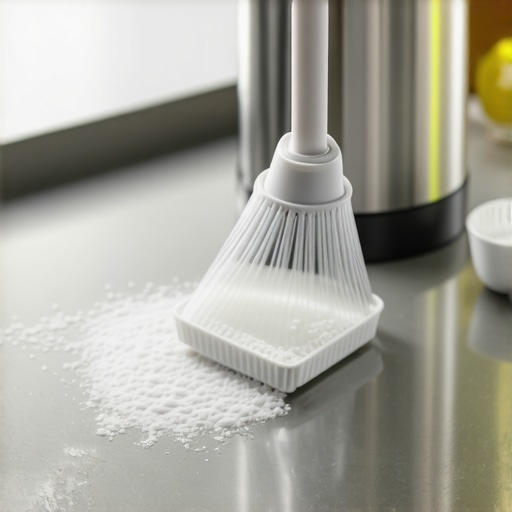
Mix equal parts white vinegar and water in a spray bottle. This solution is a natural disinfectant that tackles mold without harsh chemicals. For stubborn spots, add a teaspoon of baking soda to boost cleaning power. Remember, vinegar’s acidity dissolves mold, while baking soda acts as a gentle abrasive—like a soft scrub for your machine.
Apply and Let Solutions Sit
Spray the vinegar solution generously onto the moldy areas of the drip tray, ensuring complete coverage. Allow it to sit for at least 10 minutes to loosen mold spores. This dwell time is crucial—similar to letting a marinade penetrate meat, it enhances cleaning efficacy.
Scrubbing with Care
Use a soft-bristled brush or a microfiber cloth to scrub the surface gently. Pay attention to corners and small crevices where mold tends to hide. Avoid metal scrubbers—they can scratch sensitive surfaces, leading to further damage. Think of this as giving your machine a gentle massage, removing buildup without harm.
Rinse and Dry Thoroughly
Rinse the tray with warm water, ensuring all vinegar and baking soda residues are washed away. Use a clean towel to dry completely, preventing new mold from forming due to moisture. Consider placing the tray in direct sunlight for an hour; UV rays naturally kill mold spores, acting as a disinfectant and offering an extra layer of sanitation.
Reassemble and Test
Place the clean drip tray back into the machine, ensuring it fits snugly. Run a short brew cycle without coffee to check for lingering odors or mold traces. If any smell persists, repeat the cleaning process. Regular maintenance—cleaning your drip tray every one to two weeks—prevents mold from regrowing and keeps your espresso tasting pure.
By following these steps, you safeguard your health and extend the lifespan of your espresso machine. Remember, using natural solutions is gentle yet effective, aligning with eco-friendly practices and avoiding the dangers of chemical residues. Want to keep your machine pristine? Explore more tips on selecting quality barista gear or learn about optimal maintenance routines to enhance your brewing experience.
 Many home baristas assume that owning high-end espresso machines or grinders guarantees perfect shots every time. However, even seasoned enthusiasts often overlook nuanced factors that can make or break brewing quality. For instance, a common misconception is that dialing in grind size alone is sufficient, when in reality, tamping pressure, distribution techniques, and pre-infusion play critical roles in extraction consistency. Expert baristas understand that mastering these subtle variables differentiates good espresso from exceptional coffee. Additionally, a frequent mistake is neglecting maintenance of accessories like milk frothers; improper cleaning can cause off-flavors and poor foam quality, undermining the entire experience.
Advanced users know that water quality and temperature stability are often underestimated. Using filtered water—not just for taste but to reduce mineral buildup—can extend equipment lifespan and improve shot clarity. One lesser-known nuance involves the specific pressure profiling during extraction. According to a study in the Journal of Coffee Science, manipulating pressure curves can unlock unique flavor profiles, an area often overlooked by novices focused solely on grind and dose. For skilled baristas, understanding how to adjust pressure during brewing can yield complex, layered coffees that reveal deeper sensory attributes.
Now, consider the common myth that larger grinders always produce better espresso. In truth, grinder burr design and consistency matter more than size. High-quality conical burrs with precise alignment reduce uneven extraction caused by inconsistent grind particles. Furthermore, many enthusiasts underestimate the importance of proper calibration and regular burr cleaning, which directly impact grind uniformity and flavor extraction.
Even in milk frothing, subtle technique differences significantly influence microfoam quality. The angle of the steam wand, pitcher material, and temperature control can make the difference between silky microfoam and collapsed, frothy milk. Dive into these technicalities, and you’ll see that precise attention to detail distinguishes amateur results from expert craftsmanship.
If you’re aiming for consistent, café-quality espresso at home, focus on these hidden nuances rather than just the flashy gear. Take the time to learn about pressure profiling, water quality, and equipment calibration—these are often the key to elevating your brewing game. For more insights into choosing the right equipment and techniques, browse our comprehensive guides linked throughout this site.
Have you ever fallen into this trap? Let me know in the comments. Remember, mastery lies in the details—so continue exploring, experimenting, and refining your skills for the best home espresso experience.
Invest in Precision Tools for Consistent Results
To ensure your espresso machine and grinder deliver top-notch performance over time, I swear by a high-quality calibratable digital scale. Precise dosing is critical, and a reliable scale helps you dial in shot weight with accuracy. I personally use the Acaia Pearl because of its super responsiveness and durability, which make routine calibration a breeze. Additionally, a dedicated bottomless portafilter helps me monitor extraction quality in real-time, pinpointing channeling or uneven tamping issues. These tools are investments that pay off by maintaining consistent extraction and flavor profiles over months and years.
Stay on Top of Regular Maintenance Routines
Consistent cleaning is the backbone of long-term gear health. For espresso machines, soaking shower screens and group heads weekly in a descaling solution like this simple descaling routine prevents scale buildup, which could impair temperature stability. For grinders, removing and deep-cleaning burrs monthly using specific brushes minimizes coffee oils and clogged particles that dull performance. I find that maintaining a cleaning schedule not only reduces repairs but also preserves the vibrant flavors in every shot. Consider setting calendar reminders; I use a dedicated app that tracks cleaning, filter replacement, and calibration needs, turning maintenance into a habit rather than a chore.
Plan for Long-Term Upgrades and Scalability
As your skills grow, so should your gear. I recommend regularly evaluating whether your current setup still meets your needs or if an upgrade could enhance your workflow. For instance, upgrading to a PID-controlled espresso machine like the top-rated models in 2025 can offer unrivaled temperature stability, making your shots more reproducible. Additionally, I suggest investing in a high-quality water filtration system—not only does this improve taste, but it also extends machine lifespan by reducing mineral deposits. Future trends point toward smarter, interconnected coffee gear, so exploring equipment with app-based diagnostics and remote maintenance alerts might soon become standard.
How do I maintain my espresso setup over time?
Consistent maintenance hinges on routine cleaning, accurate calibration, and staying informed about your equipment’s needs. Developing a simple schedule for descaling, burr cleaning, and parts inspection can make a significant difference. Remember, gentle tools and natural cleaning solutions, like vinegar and baking soda, are often enough to keep things pristine without damaging delicate parts. For advanced users, exploring modifications such as pressure profiling or upgraded PID controllers can further refine your brew. To get started, try calibrating your grinder with a precise digital scale and observe how your shots improve immediately. For more detailed tips on maintaining your gear, check out our home espresso mastery guide.
Lessons Only Insider Baristas Know About Equipment Care
- It took me burning through several drip trays before realizing that quick fixes only mask the problem—deep, regular cleaning is the real game-changer, especially with natural solutions like vinegar and baking soda.
- I once believed that more expensive gear automatically meant better longevity, but I learned that diligent routine maintenance and calibration are what truly preserve your investment.
- Understanding the subtle nuances in tamping pressure and pre-infusion timing transformed my espresso from good to extraordinary, proving that mastery lies in the details.
- Experimenting with pressure profiling during extraction unlocked flavors I never knew my beans could produce, a lesson I wish I had started earlier in my journey.
- Regularly inspecting and cleaning accessories like milk frothers and portafilters kept my machine performing flawlessly, saving me from costly repairs and off-flavors.
Tools and Resources That Elevated My Coffee Game
- The best barista gear guide helped me select tools that balance quality and affordability, making my routine both easier and more consistent.
- High-precision digital scales, like the Acaia Pearl, became my secret weapon for dialling in perfect doses and shots, ensuring every espresso was spot-on.
- Deep dives into topics such as water quality and pressure profiling, available through specialized blogs and forums, opened my eyes to subtle variables that dramatically impact flavor and machine lifespan.
- My weekly maintenance checklist, inspired by expert recommendations, helped me stay on top of descaling, burr cleaning, and part inspections without feeling overwhelmed—turning chores into habits, not burdens.
Seize Your Coffee Mastery—Start Today
Every great barista was once a beginner willing to learn the pitfalls and embrace the small details that make a big difference. From natural cleaning techniques to fine-tuning extraction pressure, you now have the secrets to elevate your home espresso routine. Dive into these strategies, experiment fearlessly, and watch your coffee quality soar. Remember, mastery isn’t a destination but a continuous journey—each shot brings you closer to that perfect cup. Ready to take the next step? Your coffee journey starts now—why not start with a simple calibration or a thorough cleaning session?
What’s one area in your current setup you’re eager to improve—tamp technique, machine maintenance, or ingredient quality? Share below and let’s elevate our coffee game together!