
Why Your Grinder’s Fine Settings Feel Different in the Afternoon
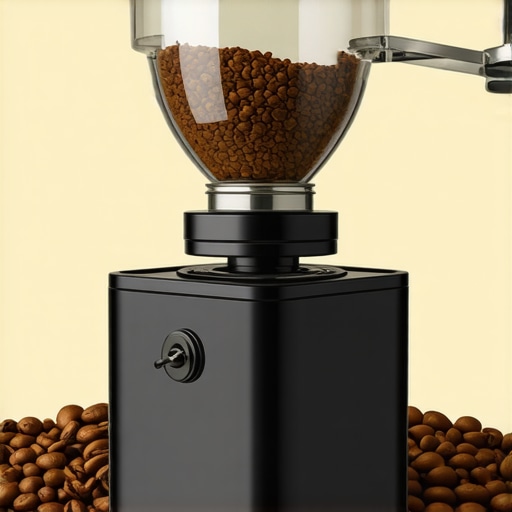
Have you ever gone to pull your afternoon shot, only to find your grinder behaving like a finicky beast? One minute, your espresso hits those perfect notes; the next, it’s a muddy mess or overly bitter. I used to think my coffee machine had a mind of its own—until I realized my grinder’s fine settings were shifting with the time of day. That lightbulb moment hit me hard during a busy afternoon when everything seemed off despite sticking to my usual routine.
The Daily Grind and Unexpected Fluctuations
It’s frustrating, isn’t it? You meticulously dial in your grinder in the morning, and everything seems perfect. But by afternoon, those same settings produce a totally different shot. Why does this happen? Well, it turns out that factors like ambient temperature, humidity, and even static electricity can subtly affect your grinder’s performance. I remember spending hours troubleshooting my espresso machine, only to discover that the culprit was my grinder’s tiny, overlooked nuances.
Understanding this phenomenon is essential because your daily coffee quality can wobble unpredictably, leading to inconsistent flavors and lost mornings. The good news? Once you know what’s changing, you can take steps to stabilize your grind, ensuring each shot is just as exquisite as the first.
Does It Really Make a Difference?
This might sound minor, but small adjustments in grind size can significantly impact extraction—and in turn, taste. Early on, I made the mistake of ignoring environmental factors and relying solely on morning calibration. That led to wasted beans and frustration. Connecting with fellow coffee enthusiasts and reading authoritative guides, like the insights from Espresso Tech Guide, helped me see that these fluctuations are normal but manageable.
If you’ve faced similar frustrations—where your afternoon shots don’t match the morning’s magic—you’re not alone. The next step is to identify the environmental influences at play and adapt your technique accordingly.
Adjust Your Grind Settings for Daily Fluctuations
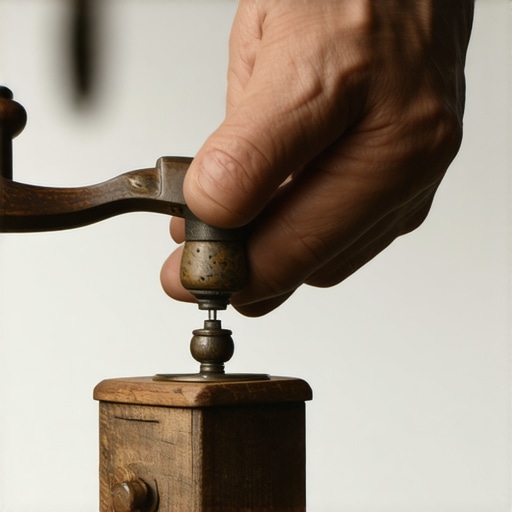
Start by setting your grinder to a medium-fine grind, similar to table salt. During a typical morning, dose 18 grams of coffee and pull the shot, noting the extraction time. But as afternoon temperatures rise, static buildup can cause the grounds to clump, leading to uneven extraction. To counter this, slowly turn the grind dial finer in small increments—about a quarter turn—after each shot until you notice the extraction becoming more consistent. Remember, environmental changes often require minor tweaks, so don’t rely solely on morning settings.
Calibrate Your Grinder Using a Consistent Routine
Choose a standard dose—say, 18 grams—and grind into a cup placed on a precise scale. Turn on your grinder and measure the actual weight of the grounds. If it’s over or under your target, adjust the grind size accordingly—finer if too coarse, coarser if too fine. Perform this calibration in the same room and at the same time of day to account for temperature differences that may affect your grinder’s performance. For example, I calibrated my grinder in the morning and then retested during the afternoon to notice a 0.5-gram variation, which I corrected by a slight adjustment. Consistent calibration ensures you’re not chasing ghosts in the settings.
Pre-heat and Maintain Your Grinder for Stability
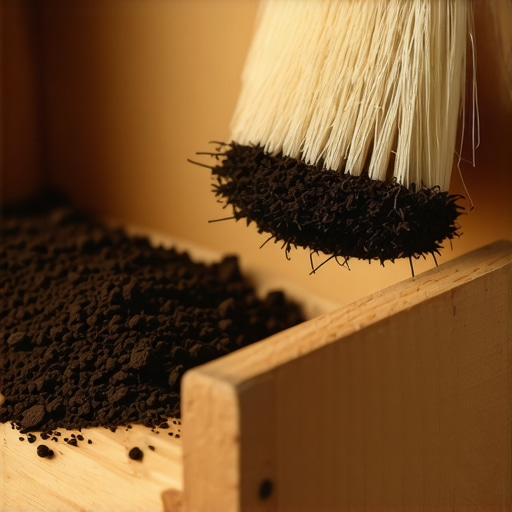
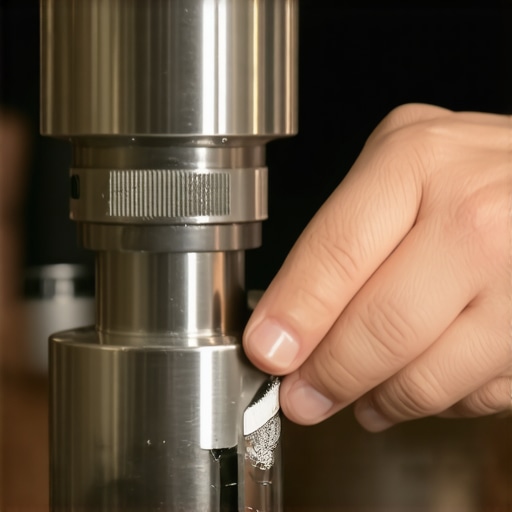
Preheat your grinder by running a small amount of beans through it before brewing. This warms up the burrs and reduces static. During cleaning, I use a brush to clear chaff and coffee dust, preventing buildup that can influence grind consistency. Also, regularly tighten the adjustment collar—if it becomes loose, the grind size can shift, especially with frequent use. Consider applying a small amount of lubricant or checking manufacturer recommendations to keep the adjustment mechanism tight and responsive. Regular maintenance ensures your grinder maintains the same tuning, even after hours or days of use.
Control Static and Clumping with Proper Techniques
Static can cause grounds to cling to the burrs or fall unevenly, impacting extraction. To minimize this, grind in a well-humidified environment or use a humidity control spray on the beans themselves. When dosing, use a coffee scoop or a dosing funnel that fits snugly into your basket; the magnet hack can also keep the dosing cup in place, ensuring consistent weight and preventing uneven tamping caused by uneven dosing. I once experienced static issues during a cold winter morning, which I alleviated by grinding into a slightly damp cloth-lined container, markedly improving shot consistency.
Fine-tune During Different Environmental Conditions
Keep a log of your settings and shots, especially when the weather shifts. For hotter days, slight adjustments finer than your usual setting can compensate for bean expansion and static buildup. For instance, I set my grinder 1 notch finer when the humidity exceeds 70%, resulting in more uniform extraction. Remember, environmental factors aren’t just minor inconveniences—they are active variables influencing grind performance. Regularly reassess and adjust your settings to maintain that perfect espresso shot, even as conditions change.
Many coffee enthusiasts believe that owning high-end equipment alone guarantees perfect espresso, but this is a dangerous myth. In fact, overestimating gear quality can mask underlying technique flaws, leading to complacency and inconsistent results. For instance, some think that a top-tier machine doesn’t require daily maintenance, yet neglecting regular cleaning, such as descaling the boilers or cleaning porta filters thoroughly, can drastically affect flavor and longevity. According to expert barista training programs, even the most expensive equipment underperforms without proper care. Moreover, many assume that a fancy grinder automatically ensures purity and uniform particle size, but without attention to burr alignment or routine calibration, inconsistencies persist. Failing to understand that gear precision depends heavily on user maintenance often leads to disappointment and wasted beans. Beware of the trap that believes bigger or more costly tools compensate for skill gaps; mastery derives from understanding each component’s subtle nuances, like adjusting grind settings for humidity variations or pre-heating your portafilter to stabilize temperature transients. When selecting coffee grinders, many overlook static buildup issues, which can cause uneven dosing and channeling. Applying simple static-reduction techniques, such as grinding in a damp environment or using anti-static brushes, makes a significant difference. (Check out this guide for detailed steps.) A common mistake is relying solely on visual cues—like crema color—to judge extraction quality; instead, advanced baristas focus on extraction timing and brew ratio precision, which requires calibrated scales and knowledge of flow rate adjustments. Lastly, many don’t realize that even the best milk frothers need proper technique; pre-warming your pitcher and controlling airflow during frothing are critical for microfoam quality. Remember, high-quality gear is just part of the equation—pairing it with skillful handling makes all the difference. Want to elevate your home setup? Dive into this comprehensive guide for professional insights.
Have you ever fallen into this trap? Let me know in the comments and share your experiences. Mastery isn’t just about gear—it’s about understanding the nuanced interplay of all components involved in crafting the perfect espresso.
The Key to Reliable Performance: Maintenance Practices
Achieving consistent espresso shots at home isn’t just about buying top-tier equipment; it requires diligent maintenance. Regularly cleaning your coffee grinder’s burrs and chute with a method like this detailed cleaning routine prevents buildup that can cause grind inconsistencies. Additionally, scheduling descaling for your espresso machine based on water hardness levels—advised by this expert guide—keeps internal components functioning smoothly and ensures optimal heat transfer.
Which tools can keep your gear performing flawlessly over time?
Invest in a calibrated digital scale—precision in dosing can drift with use and environmental factors. I personally use the technique from this guide to fine-tune my shot timing and consistency. For grinder maintenance, a burr alignment kit allows you to check and correct burr positioning, preventing the common issue of uneven grounds and channeling. Don’t overlook your steam wand; regular seal checks and cleaning—following methods outlined in this resource—preserve boiling efficiency and foam quality.
Future of tools and maintenance evolving rapidly
Looking ahead, smart sensors integrated into espresso machines, coupled with IoT connectivity, will automatically monitor and alert you to maintenance needs, making it easier than ever to keep your gear at peak performance. Until then, developing a routine like pre-heating your portafilter with this quick hack ensures temperature stability and prolongs your equipment’s lifespan. It’s time to ditch the guesswork—try implementing a dedicated maintenance schedule today and taste the difference in your espresso quality.
The Hardest Lesson I Learned About Barista Gear and Home Espresso
One thing that caught me off guard was how environmental nuances could derail my carefully calibrated espresso routine. It wasn’t just about dialing in the grinder once; it was about understanding how shifts in humidity or temperature could subtly alter extraction quality. The realization that maintenance, calibration, and attentiveness are ongoing processes reshaped my approach, transforming my mornings from frustrating experiments into confident rituals.
My Essential Toolkit for Achieving Perfect Coffee
Over time, I found that certain tools make a world of difference: a calibrated digital scale ensures consistent dosing, while a burr alignment kit keeps my grinder in top shape. Regularly cleaning my grinder chute with this method prevents static and clumping. These investments and routines have been invaluable, making my espresso more predictable and enjoyable.
Your Next Step to Home-Barista Brilliance
If you’re eager to elevate your espresso game, diving into this comprehensive guide offers expert insights that demystify equipment quirks and technique nuances. Combining proper maintenance, precise calibration, and understanding environmental influences will set you apart from mere hobbyists. Remember, mastery is a journey that involves continuous learning and adjustment—your perfect shot is within reach.
Your Turn to Perfect the Craft
Have you ever experienced a shot that tasted perfect in the morning but fell flat in the afternoon? What adjustments worked best for you? Share your experiences below—it’s all about learning from each other’s journeys toward coffee excellence.