How to Identify a Leaky Boiler Seal Before It Ruins Your Electronics
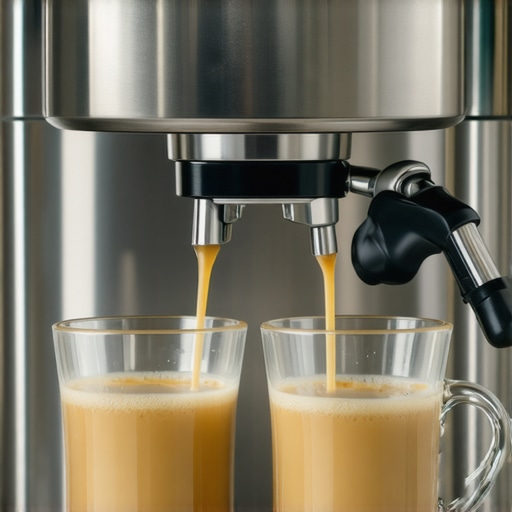
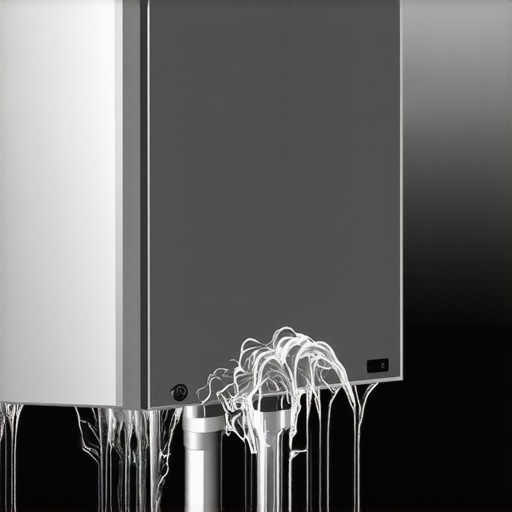
I remember the exact moment I chased a slow, stubborn leak around my espresso machine, convinced I was about to turn it into a costly repair. It was a busy morning, and in my rush to brew the perfect shot, I noticed a tiny puddle forming beneath my machine. At first, I thought it was just condensation or perhaps spilled water, but that nagging feeling told me there was more to it. Turns out, a tiny leak in the boiler seal was the culprit—one I had ignored for too long. This wasn’t just about cleaning up; it was a warning sign that my whole setup was at risk.
What if I told you that a small, almost invisible leak could cause serious damage to your espresso equipment and electronics? Early detection can save you money, prevent headaches, and keep your coffee game sharp. Today, I want to share how you can spot signs of a leaky boiler seal before it turns into a full-blown disaster.
Why Catch a Leaky Boiler Seal Before It’s Too Late
A leaking boiler seal might seem trivial at first, especially if it’s just a tiny drip or a slow seep. But over time, this tiny flaw can escalate—leading to corrosion, electrical damage, or worse, machine failure. A study by the National Institute of Standards and Technology highlights that small, unnoticed leaks can cause electrical faults and safety hazards if left unaddressed (Source: NIST). That’s why vigilance and early detection are key. Plus, a compromised seal can affect your espresso quality—water leaks might alter brewing pressure or temperature, resulting in inconsistent shots, ruining your morning ritual.
Think about it: the cost of replacing a seal is peanuts compared to what you’d spend fixing extensive damage or replacing an entire machine. The good news? Most signs of a leak are visible or at least detectable before serious issues develop. Recognizing these early signs can be a game-changer.
Are you frustrated because your espresso machine seems to be acting up or showing signs of internal wear without any obvious reason? I’ve been there, and I promise that a little knowledge can turn your problem into a quick fix.
To kick off, let’s go over the most common warning signs you shouldn’t ignore. Being proactive can save your equipment—and your sanity.
Inspect the Boiler Area Regularly for Visible Signs Of Leaks
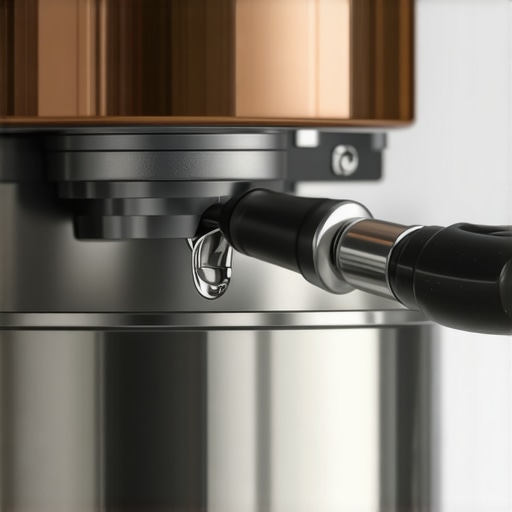
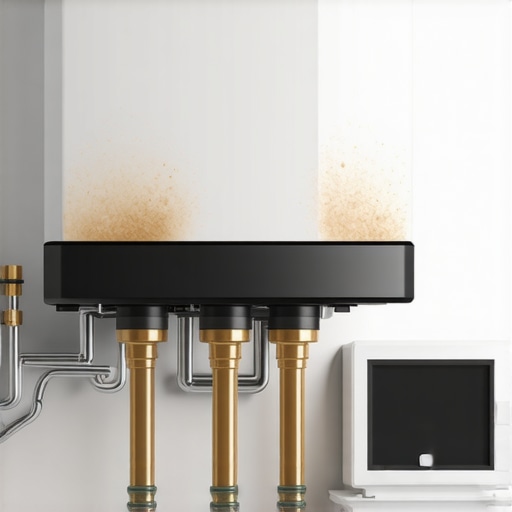
Start by unplugging your espresso machine and visually examining the boiler, especially around the seal area. Look for water stains, corrosion, or mineral buildup which could indicate a leak. During my last routine check, I noticed a tiny discoloration near the boiler’s edge, prompting me to investigate further. Using a flashlight can help illuminate hidden spots, making leaks more apparent. Tip: Keep a small mirror handy for hard-to-see areas.
Perform a Water Pressure Test to Uncover Hidden Leaks
Fill the water reservoir and turn on the machine, allowing it to warm up. Once operational, observe the pressure gauge for fluctuations that don’t align with normal cycles. A sudden drop or inconsistent pressure indicates there’s a leak somewhere, possibly in the boiler seal. I recall a time when I noticed sudden pressure drops during brewing; a quick pressure test revealed a slow leak that wasn’t visible. This step is crucial for diagnosing internal issues before they escalate.
Use a Simple Soap and Water Solution for Leak Detection
Dissolve a few drops of dish soap in water and apply it around the boiler seal using a sponge or a spray bottle. Turn on the machine and observe the area for bubbles forming, which signal escaping air or water—you’ve found your leak. In my experience, this inexpensive method quickly localized the problem area, saving me from unnecessary disassembly. Be cautious to dry off excess soap afterward to avoid residue buildup.
Apply Leak-Resistant Sealant or Plan a Seal Replacement
If you identify a small crack or persistent leak, consider using a high-temperature, food-safe sealant designed for plumbing or espresso equipment. Apply it precisely around the compromised seal, following manufacturer instructions. For a more permanent fix, plan to replace the boiler seal entirely. When I replaced a worn seal, I followed detailed guides and ordered parts from a trusted supplier. Remember, improperly sealed or replaced parts can cause more damage, so careful execution is key.
Disassemble Carefully to Access and Replace the Seal
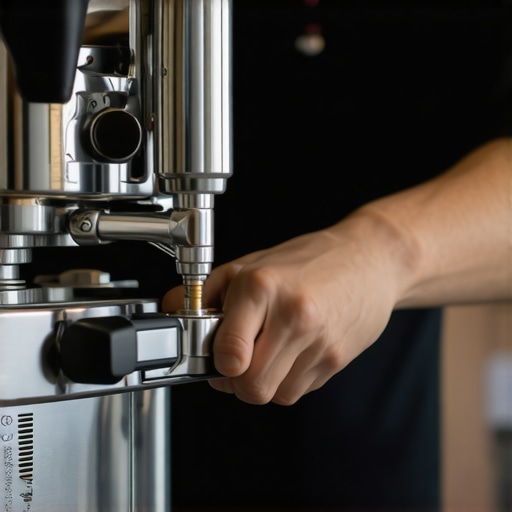
Unscrew the boiler components following the manufacturer’s instructions, typically found in your user manual or guides like this tutorial. When I replaced my boiler seal, I laid out all screws and small parts to avoid losing anything. Use appropriate tools—like a flat-head screwdriver or a small wrench—and work in a clean, well-lit space. Once exposed, remove the old seal carefully, avoiding damage to the boiler edges.
Test the Repair Before Full Reassembly
Before sealing everything back up, pour water into the boiler and run a test cycle. Observe for leaks and listen for unusual sounds. If the leak persists, double-check the seal’s placement or consider reapplying the sealant. When I did my first seal replacement, a careful test saved me from a messy reassembly. Doing this step ensures you don’t waste time reassembling a still-leaking machine.
Consistent maintenance and attention to these steps can prevent minor leaks from causing big problems. For additional guidance or to order replacement parts, consider reaching out through our contact page. Regular inspections and swift fixes will keep your espresso machine serving high-quality coffee for years to come.”}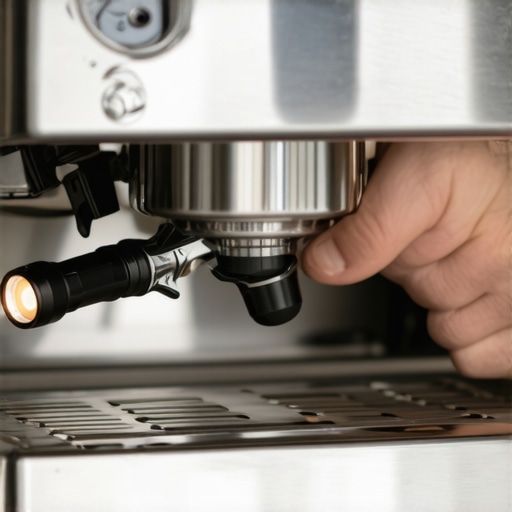 Many enthusiasts dive into upgrading their coffee gear with the assumption that more expensive or complex equipment automatically leads to better espresso. However, this mentality can be misleading, often causing beginners to overlook crucial nuances. One common myth is that expensive espresso machines guarantee perfect shots every time. In reality, even high-end machines require proper maintenance, calibration, and understanding of their features to deliver consistent results. According to coffee equipment experts, neglecting these aspects can turn even premium machines into money pits.
Another misconception concerns coffee grinders. Many believe that a higher wattage or a more visually appealing grinder will ensure superior coffee. Yet, in my experience, the key is grind consistency and burr quality, which are often overlooked. Choosing a grinder without considering burr material and adjustment precision can lead to uneven extraction and over-complicated dialing-in processes. For detailed guidance, I recommend reviewing our article on [how to select the perfect coffee grinder](https://espressotechguide.com/how-to-select-the-perfect-coffee-grinder-for-your-brew).
When it comes to milk frothers, many initially think that handheld devices are inferior to automatic or steam-based frothers. Actually, manual frothers, when used skillfully, can produce microfoam comparable to professional baristas. The secret lies in technique and the quality of milk, not the device itself. And don’t fall for the trap of assuming all frothers are equally cleanable; some models harbor milk residues that can negatively impact flavor and hygiene over time. For expert tips on maintaining your frothers, visit [this helpful guide](https://espressotechguide.com/milk-frothers-that-transform-your-coffee-experience).
Lastly, a frequent pitfall is the assumption that home espresso machines are inherently less reliable than commercial setups. In truth, modern home machines, when properly maintained, can rival professional equipment for quality and consistency. The real challenge is understanding their nuances—such as temperature stability, pressure profiling, and routine backflushing—to maximize their potential.
**Why do so many get caught up in equipment obsession rather than technique?** The answer often lies in the allure of high-tech gear overshadowing the foundational skills. Remember, a good barista understands their machine intimately—every tweak, adjustment, and maintenance routine improves the shot more than owning the latest gadget. This is why I emphasize mastering your existing gear before chasing the next upgrade.
And this brings me to an advanced question I often encounter:
How can you optimize pressure profiling on a home espresso machine without professional tools?
While professional tools make pressure profiling straightforward, some techniques like pre-infusion adjustments, temperature surfing, and careful tamping can influence extraction. For a deep dive into these methods, check out [our detailed guide](https://espressotechguide.com/mastering-the-art-of-home-espresso-tips-for-beginners).
Are you falling into these common traps? Share your experiences or questions in the comments. Remember, understanding the nuanced differences in your gear and technique will always produce better coffee than chasing ungrounded equipment myths.Maintaining your barista gear is a commitment that pays off with consistently great cups. Personally, I rely on a few key tools and routines that have proved essential in preventing breakdowns and ensuring long-term performance. For espresso machines, investing in a high-quality flush cleaner like Cafiza is a game-changer; it helps remove coffee oil residues that can clog valves and affect flavor, prolonging the life of your machine. I use detailed calibration tools such as a PID controller to fine-tune temperature stability; this is particularly crucial as equipment ages, and temperature fluctuations become more noticeable. Numerical consistency in brewing leads to better shots and reduces wear on internal components.
Lessons that Turn Coffee Mishaps into Opportunities
One hidden lesson I learned about barista gear is that the tiniest leak can silently sabotage your brew quality and machine longevity. Waiting for obvious puddles or alarms to notice a leak is a rookie mistake; early signs are often subtle, like mineral buildup or slight pressure drops. I realized that consistent visual inspections and pressure tests can reveal issues long before they escalate – saving money and stress. Another insight is that using simple tools like soap solution for leak detection turned out to be surprisingly effective, turning a potentially costly repair into a manageable DIY fix. Lastly, I discovered that understanding your equipment’s internal components, like the boiler seal, is empowering; knowing when to replace or seal can extend your machine’s life and keep your espresso consistently excellent.