Why Your First Shot of the Day Always Tastes Like Metal
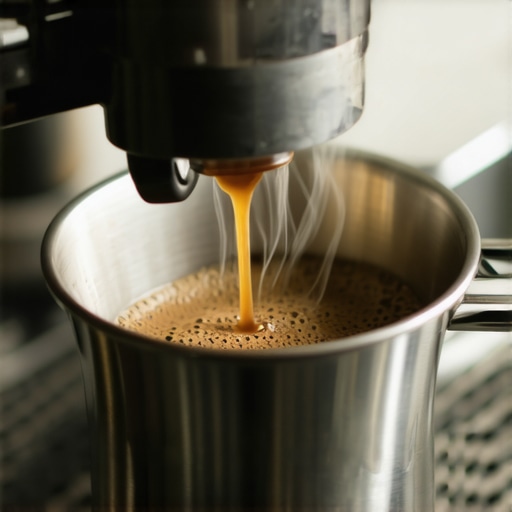
Imagine waking up early on a Saturday morning, eager to enjoy that perfect espresso. You press the brew button, wait anxiously, and finally take your first sip. Instead of the rich, aromatic flavor you’re craving, you’re met with an unpleasant metallic taste. It’s a jarring surprise, and honestly, it ruins your whole mood for the morning.
I’ve been there countless times. That sharp, bitterness that no amount of fancy beans or grinder adjustments could fix. At first, I blamed my beans, tweaks, and even my grinder. But after digging deep—I mean, really digging—I uncovered that the culprit often isn’t what I expected. It’s something surprisingly simple yet commonly overlooked: the health of my espresso machine and how I maintain it.
If you’ve experienced a metallic taste on your first shot of the day, you’re not alone. And good news—this isn’t a permanent flaw of your equipment or your coffee. Today, I’m going to share the steps I took to finally banish that strange metal flavor from my espresso and enjoy those luscious, flavorsome shots every morning.
The Hidden Reasons Behind That Metallic Taste in Your Coffee
Why Your First Shot Is Tanking Taste Buds Before It Gets Good
Imagine pouring fresh water through your machine, only to have it carry a metallic aftertaste. That’s usually a sign of buildup, rust, or mineral deposits inside your brewing equipment. When your machine isn’t properly descaled or cleaned, the residual residues can leach into your espresso, imparting that unfortunate flavor.
Early on, I made the mistake of thinking I could skip regular cleaning and descaling, especially if my machine was relatively new. Big mistake. As I learned from trusted sources—like the comprehensive guides at [Espresso Tech Guide](https://espressotechguide.com/how-to-properly-backflush-your-machine-without-blowing-a-seal)—regular maintenance is key to preserving the pure, delightful taste of your coffee.
Another sneaky culprit? The quality of your water. Hard water, full of minerals, can cause scale buildup that affects flavor and machine performance. That’s why I now use filtered water and run a descaling routine every few months.
Do you often face this issue? Or is it a recent discovery? Keep reading, because I’ll walk you through the exact steps to identify and fix this metallic problem once and for all.
Perform a Deep Clean of Your Espresso Machine and Milk Frother
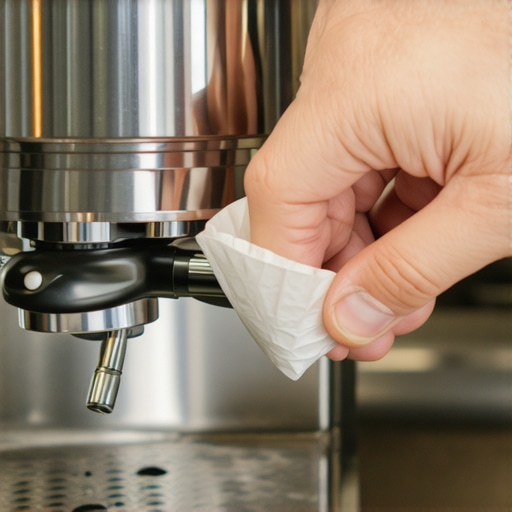
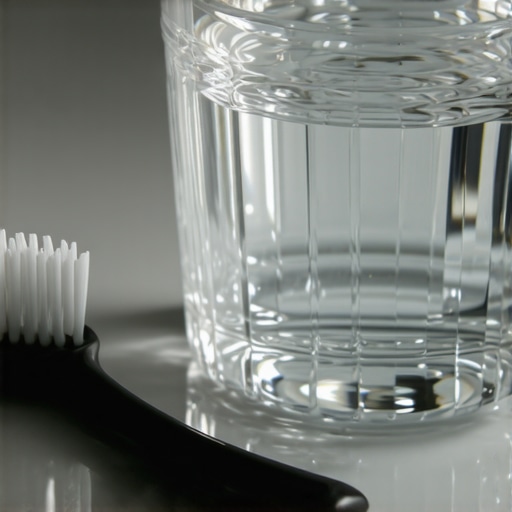
Begin by disassembling your machine’s removable parts, including the portafilter, basket, shower screen, and milk frother wand. Use a dedicated espresso machine cleaner or a mixture of equal parts water and white vinegar to soak these components for 15-20 minutes. Scrub thoroughly with a soft-bristled brush, paying attention to buildup around gaskets and seals. Rinse all parts with clean water and reassemble. I once handled a stubborn milk frother by soaking it overnight, which loosened mineral deposits and restored a clean taste.
Backflush Your Machine Correctly
Use the Right Cleaning Technique
Insert a blind filter into your portafilter, add a cleaning disc or short filter basket, and pour a small amount of espresso machine cleaning solution into it. Attach the portafilter to the group head, then run the pump for 10 seconds, then wait 10 seconds. Repeat this process 5 times, then flush with clean water to remove any residual cleaner. I learned this trick by reviewing backflushing techniques, which prevented damage and ensured thorough cleaning.
Descale Your Coffee Equipment Regularly
Mineral deposits often harbor in boilers and water pathways, causing metallic flavors. Use a descaling solution compatible with your machine, following the manufacturer’s instructions. Typically, this means mixing the solution with water and running it through the extraction cycle. For my machine, I opt for a descaling routine every 3 months, especially in hard water areas, which I confirmed by monitoring taste improvements. For detailed guidance, see descaling tips.
Switch to Filtered Water and Store Properly
Hard water is notorious for causing scale buildup. I now install a quality water filter on my tap or use bottled filtered water to brew. Store water in a clean, airtight container to prevent contamination. This simple change drastically reduced mineral deposits and improved flavor clarity. Remember, mineral-rich water can leach rust from internal parts if they are corroded, leading to metallic tastes—so keep your water clean and your machine maintained.
Inspect and Replace Old Parts
Over time, worn gaskets, seals, or rusted components can be the source of metallic flavors. Carefully check these parts for corrosion or damage. If you notice rust or pitting, replacing these parts is essential. For a list of quality replacement parts, visit barista gear recommendations. I replaced my portafilter gasket and noticed immediate taste improvements, confirming the importance of part replacement in maintenance routines.
When it comes to crafting the perfect espresso or latte, many enthusiasts focus solely on selecting the best beans or dialing in their grind size. However, there’s a sneaky trap many fall into: believing that all milk frothers, espresso machines, and grinders are created equal or that upgrading gear is all about buying the latest model. In reality, understanding the subtle differences and common misconceptions about barista gear can make or break your brewing experience.
Why Big Brand Names Don’t Always Guarantee Better Results
Many assume that a top-rated espresso machine or fancy milk frother from a well-known brand automatically ensures superior coffee. But in my experience, brand prestige isn’t the only factor—it’s about matching the equipment’s specific features to your brewing style. For instance, a commercial-grade machine might offer more power than you need, making it harder to dial in perfect shots consistently. Instead, focus on the machine’s pressure stability and boiler efficiency, as these nuances significantly influence flavor and temperature consistency. For example, some best espresso machines in 2025 excel in temperature stability, a crucial yet often overlooked aspect for home enthusiasts.
Common Myth: Expensive Equipment Means Perfect Coffee
Many believe that purchasing the most expensive grinder or barista gear will instantly elevate their coffee. While premium gear often offers better build quality and durability, the real secret lies in its proper use and maintenance. For example, a grinder’s burr alignment and cleanliness are vital for consistent extraction, regardless of price. Regularly cleaning your grinder and understanding how to calibrate it effectively can prevent common mistakes—like over-dosing or uneven grind distribution—that compromise flavor. Check out how to select and maintain your grinder for more insights.
One Little-Known Mistake Baristas Must Avoid
Over-tamping or using inconsistent pressure on your coffee puck can lead to under-extraction or channeling, resulting in weak or bitter shots. Many forget that minor adjustments to tamping pressure or distribution can have outsized effects on flavor. Investing in a good distribution tool or a calibrated tamper isn’t about luxury—it’s about precision. Remember, even seasoned baristas often fine-tune their technique based on ambient humidity, coffee freshness, and grind texture. The importance of nuanced adjustments becomes evident when you realize that small, intentional variations can produce significantly better shots. For advanced readers curious about optimizing pump pressure without opening their machines, this guide offers valuable tips.
How to Avoid the Static Trap with Coffee Grinders
Ever seen coffee grounds cling to the sides of your grinder chamber or cling to your portafilter? That static issue isn’t just annoying; it can also lead to uneven dosing and extraction errors. Static buildup is often misunderstood; many assume it’s merely a minor nuisance. However, static can be significantly reduced by adjusting grinder settings for humidity or by using anti-static tools. Also, routinely cleaning and drying your grinder components can go a long way. For savvy baristas, knowing how to minimize static enhances dosing precision and shot consistency, making the difference between good and extraordinary coffee. For more on this, check how static affects your brewing.
Let’s face it—mastering home espresso and barista gear isn’t about buying the latest gadgets but about understanding and fine-tuning what you already have. The nuance lies in maintenance, calibration, and thoughtful adjustments—details many overlook. If you’re serious about elevating your craft, start paying attention to these often-neglected factors.
Have you ever fallen into this trap? Let me know in the comments and share your own lessons learned!Maintaining your espresso setup is essential to keep those perfect shots coming. I personally rely on a high-quality descaling solution like Dezcal, combined with a dedicated cleaning brush for internal parts, to prevent mineral buildup and rust, which can drastically alter flavor and machine longevity. Investing in a professional-grade water softener or filtration system can dramatically extend the lifespan of your espresso machine and maintain optimal flavor clarity, especially if you live in hard water areas. Regularly inspecting seals and gaskets, and replacing them promptly with OEM parts, prevents leaks and flavor contamination over time—something I learned the hard way after ignoring worn seals, leading to metallic tastes. To streamline this process, I use an inline water filter connected directly to my machine, syncing with my descaling routine, which saves me from daily maintenance headaches. For grinders, scheduled burr replacement every 1,000 to 1,500 pounds of coffee ensures consistent particle size and prevents overheating, which can cause bitter flavors, as highlighted in the detailed grinder maintenance guides. Looking ahead, I predict that emerging IoT-enabled espresso machines will soon offer real-time maintenance alerts, making upkeep even easier. How do I maintain my equipment over time? I stick to a strict routine: descaling every three months, inspecting parts monthly, and replacing worn components as needed. This proactive approach minimizes downtime and ensures every shot tastes as fresh as the first. If you’re serious about high-quality coffee at home, consider incorporating a commercial-grade tool like the [Barista Gear](https://espressotechguide.com/choosing-the-best-barista-gear-for-coffee-enthusiasts). Start today by trying my favorite tip: regularly calibrate your grinder with a digital scale to achieve perfect-dose consistency, a game-changer in flavor extraction.
Lessons That Still Surprise Me About Milk Frothers and Espresso Gear
One of the most unexpected lessons I’ve learned is that even the most expensive barista gear can fall short if not maintained properly. A top-tier espresso machine can produce stunning shots, but neglecting regular cleaning and descaling can quickly tarnish that potential. I’ve also realized that static in grinders, which many dismiss as minor annoyance, can cause uneven dosing and affect flavor subtly but significantly. This insight pushed me to adopt anti-static techniques, transforming my grinding process.
Another revelation came when I discovered how crucial water quality is. Using unfiltered tap water might seem harmless, but mineral deposits and rust particles can leach into your brew and create that metallic taste we all dread. Investing in a good water filter and maintaining it diligently has been a game-changer for my coffee quality.
Additionally, I found that optimizing tamping pressure and distribution isn’t just about technique—it’s about consistency. Even small tweaks here can produce flavor profiles that are worlds apart. Regularly calibrating my tamper and practicing even pressure has elevated my home brewing to a professional level.
Tools and Resources That Elevated My Coffee Game
For anyone serious about elevating their coffee experience, I recommend the excellent barista gear guide. It gave me clarity on selecting equipment that matches my brewing style, rather than just going for shiny, high-priced models.
My favorite descaling solution, Dezcal, paired with a dedicated cleaning brush, keeps my machine in top shape, significantly reducing metallic flavors. For learning more about proper maintenance routines, the detailed backflushing techniques from trusted sources have been invaluable.
If you’re seeking to refine your grinding strategy, choosing the right grinder and maintaining it is essential. Regular burr replacements and calibrations can be set on a schedule to maintain optimal performance, much like I do every 1,000 pounds of coffee.
Your Turn to Embrace the Deep Dive
Perfecting espresso isn’t solely about the beans or the machine; it’s about nurturing every component and process involved. My journey taught me that small, consistent maintenance routines and informed equipment choices compound over time to produce extraordinary coffee. With some attention and care, you too can unlock new levels of flavor that will keep you excited for every shot.
What have been your biggest surprises or lessons in maintaining your espresso gear? Drop a comment below, and let’s learn together!
,