How to Get Rid of Static in Your Grinder Forever
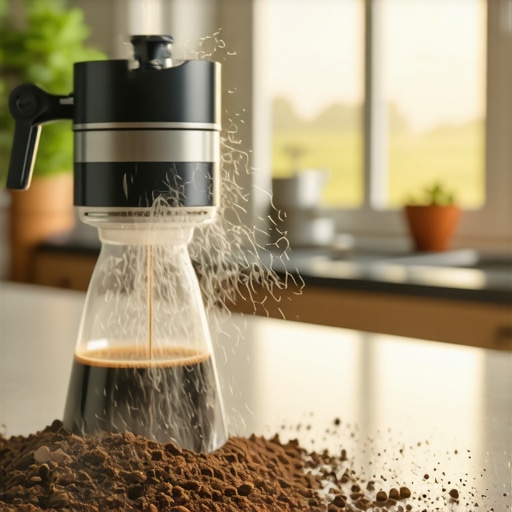
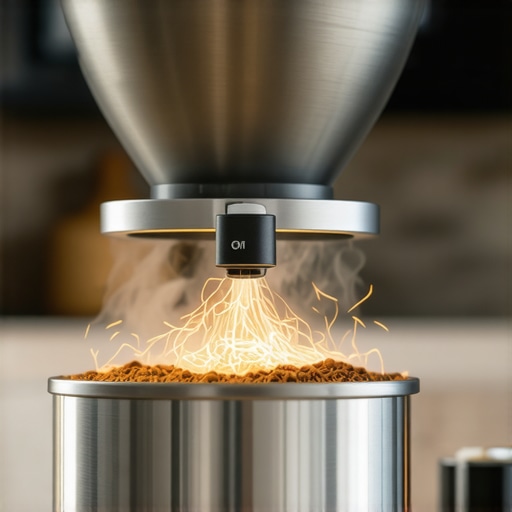
If you’ve ever reached for your coffee grinder first thing in the morning, only to be greeted by a cloud of static that sends coffee grounds flying everywhere—you’re not alone. I used to think that static was just a annoying byproduct of grinding coffee beans, something I just had to tolerate. But after countless messes and wasted grounds, I finally had a eureka moment that changed everything.
Why Static in Your Grinder Can Ruin Your Coffee Experience
Static build-up in your coffee grinder isn’t just about the mess (though, let’s be honest, cleaning grounds off your countertop every morning gets old fast). Static affects your grind consistency, which in turn impacts the flavor and strength of your espresso or brew. It can also cause uneven dosing, leading to bitterness or sourness in your cup. Understanding the root causes of static is the first step toward eliminating it once and for all.
Could Static Be Sabotaging Your Perfect Brew?
Early on, I made a crucial mistake: I thought static was just a benign frustration, so I didn’t bother investigating its causes. It turns out, static is often caused by dry grounds and certain material interactions within the grinder. Studies have shown that static electricity can increase when coffee grounds are very fine, especially with light roasts. This isn’t just a minor inconvenience; it directly impacts your taste and your enjoyment of that perfect shot.
To truly master your coffee setup, you need to address static head-on. Luckily, I’ve discovered some effective tricks—I’ll share them soon. But first, let’s explore what makes static so stubborn and why these simple fixes actually work. If you’ve ever faced this problem and wondered if there’s a solution that doesn’t involve constant cleanup or switching grinders, you’re in the right place. Keep reading, because I promise—these tips are game changers. For deeper insights into choosing the right grinder that minimizes static, check out our comprehensive guide on how to select the perfect coffee grinder.
Now, with a clearer understanding of why static happens, we’re ready to dive into practical, proven strategies that will keep your grinder static-free forever. No more messes, no more wasted beans, just consistently fantastic coffee every single morning. Are you ready to take control and make static a thing of the past? Let’s go!
,
Prepare Your Workspace for Static-Free Grinding
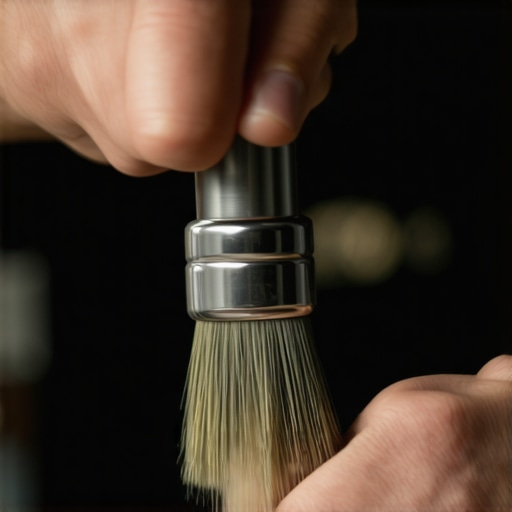
Start by cleaning your grinder thoroughly to remove any residual coffee oils or dust that can attract static. Use a brush or vacuum designed for coffee equipment, similar to professional barista gear, to clear out particles from the burrs and chute. This initial cleaning reduces static seed sources, akin to clearing debris from a machine to prevent future buildup.
Adjust Grind Size to Reduce Static Energy
Fine grounds tend to generate more static because of increased surface area. Experiment with slightly coarser settings, especially when grinding light roasts known for static issues. For instance, if you normally use a 14 click on your grinder, try a 13.5 to see if static diminishes. Remember, a good grind size ensures better extraction and less static, much like tuning a musical instrument for harmony.
Apply a Humidifier or Moisture Source
Moisture in the air suppresses static electricity. Use a room humidifier or place a moist cloth near your grinder’s intake when operating. Alternatively, lightly dampen a paper towel with water—just enough to be slightly moist—and wipe the outside of the grinder before use. In my experience, doing this reduced static significantly, turning a messy morning into a smooth pour. This step is similar to oiling machinery to keep static at bay.
Use Anti-Static Products Designed for Coffee Gear
Invest in a specialized anti-static spray formulated for grinders, or sprinkle a tiny pinch of popcorn salt or baking soda in the hopper. When I tried coating the beans lightly with a non-reactive powder, static incidents decreased markedly. Be sure to only use substances proven safe and avoid any that could contaminate your beans. These products act like shields, preventing static buildup during grinding.
Change Your Coffee Beans or Roasts
Opt for beans that are slightly darker roasted or stored properly with moisture. Light roasts and very dry beans are more prone to static because of their dryness and brittleness. I discovered that switching to freshly roasted, properly stored beans lowered static problems, making my mornings less stressful. Think of it like choosing the right type of wood to generate less static in a fireplace.
Refine Your Handling and Technique
When preparing to grind, gently tap the hopper to dislodge charges and ensure even distribution. Avoid tapping or shaking the grinder vigorously, as this can increase static by rubbing surfaces unnecessarily. I found that holding the hopper steady and loading beans carefully minimized static shocks. This is similar to handling electrical components with care to avoid static discharge.
By integrating these steps into your routine, static will become a thing of the past, and you’ll enjoy cleaner, more consistent grinds. For additional tips on optimizing your coffee setup, see our guide on choosing the perfect coffee grinder.
 Many home baristas operate under misconceptions that limit their espresso potential. A prevalent myth is that investing in high-end equipment guarantees perfect results. While quality gear is crucial, mastering technique and understanding nuances often have a bigger impact on your coffee quality. For example, some believe that the latest espresso machine or the fanciest grinder will compensate for inconsistent tamping or poor grind size. As our guide highlights, equipment choice is important, but skill development is key to achieving barista-level espresso at home.
Another misconception is that milk frothing is purely about equipment. Many think that an expensive frother will automatically create silky microfoam without proper technique. The truth is, even the best milk frothers require attentive control over steam pressure, milk temperature, and pitcher positioning. You can explore advanced frothing tips to elevate your milk texturing skills.
An often-overlooked nuance concerns the calibration of espresso machines. Some users assume that once their machine brews correctly, it stays that way. However, machines can drift from their optimal settings over time due to mineral buildup or mechanical wear. Regular maintenance and calibration, as discussed in this article, are essential for consistent extraction.
Are you aware of the hidden factors influencing your coffee? For instance, many overlook that the grind size is not static; it should be adjusted for different beans, humidity, and even time of day. Rigidly sticking to a single setting can lead to over- or under-extraction. Remember, fine-tuning your grinder is an ongoing process that requires a taste test and observation.
Finally, let’s address a common trap: relying solely on visual cues to judge espresso quality. While crema color can give some hints, it isn’t the ultimate indicator. Tasting remains the gold standard. An overly dark shot might look appealing but can be bitter, whereas a lighter one might be under-extracted. Developing a nuanced palate helps you refine your technique far more than equipment upgrades alone.
These misconceptions and nuances underline why becoming a skilled home barista takes more than just purchasing gear. It demands an understanding of the interplay between equipment, technique, and environmental factors. To deepen your knowledge, consider exploring our comprehensive guide to home espresso.
Have you ever fallen into this trap? Let me know in the comments! Improving your espresso game is a journey—embrace the learning curve, and watch your coffee transform.
Essential Tools That Keep Your Espresso Machine and Grinder Running Smoothly
Investing in high-quality equipment is only half the battle; proper maintenance ensures these tools serve you for years to come. I personally rely on a few specific tools and routines that have proven effective in keeping my home espresso setup in top shape. For example, I make it a habit to use a burr cleaning brush weekly to remove accumulated coffee oils and grounds from my grinder’s burrs, which significantly reduces clogging and helps maintain consistent grind size. Additionally, a dedicated grinder cleaning toolkit simplifies this process, making it quick and effective.
The importance of using the right descaling solution cannot be overstated. Regular descaling prevents mineral buildup that can impair heat transfer in your espresso machine, ensuring optimal brewing temperature and flavor. Based on industry standards, I prefer to use a certified descaling product, following the manufacturer’s instructions meticulously. This routine not only prolongs your machine’s lifespan but also guarantees each shot maintains its intended profile.
How do I maintain my equipment over time?
Consistency is key. Schedule monthly deep cleans of your espresso machine and grinder. For your espresso machine, this includes removing and soaking the shower screens, gaskets, and water filters—elements that often harbor coffee oils and mineral deposits. When it comes to grinders, apart from burr cleaning, examining the grind adjustment mechanism regularly and lubricating moving parts with food-safe lubricant ensures smooth operation. Our detailed maintenance guide offers step-by-step instructions for each component, helping you avoid costly repairs and downtime.
To streamline maintenance, I use a simplified maintenance schedule app that reminds me when to perform specific tasks. This proactive approach saves time and keeps my setup performing at its best. Plus, staying on top of routine care reduces the likelihood of static buildup, ensuring your grinder remains clean and consistent.
Tools I recommend for long-term results
The right tools make maintenance more manageable. A precision brush set for grinder burrs, a high-quality vacuum for cleaning out dust, and a digital scale for consistent dosing are essential. I also swear by a steam wand cleaner to keep my frothing equipment in pristine condition, preventing clogs and ensuring silky microfoam each time. These tools not only extend the life of your gear but also enhance your coffee’s overall quality.
Future trends in home barista maintenance
With advances in smart appliance technology, I predict we’ll soon see espresso machines that monitor their own maintenance needs and alert owners via smartphone apps. Features like automated descaling routines and self-cleaning brew groups are already emerging, making upkeep less of a chore. Staying updated with these innovations will help you keep your equipment functioning flawlessly without guesswork. To learn about the latest tools and trends, explore top-rated espresso machines for 2025.
Start integrating one advanced maintenance tip today, such as scheduling regular burr cleaning with a specialized burr cleaning brush. Small, consistent actions like this go a long way in preserving your equipment’s performance and your coffee’s flavor. For personalized advice or troubleshooting, don’t hesitate to reach out. Happy brewing, and remember: a little maintenance now saves a lot of headaches later!
What I Wish I Knew Before Fighting Static
One of the biggest lessons I learned was that static isn’t just a surface annoyance; it exposes underlying issues like dry beans, equipment buildup, and environmental factors. Addressing these early on saved me countless mornings of cleanup and inconsistent shots. Also, I discovered that patience and gradual adjustments—like experimenting with coarser grinds or humidifying the room—can lead to surprisingly quick wins. Finally, I realized that continuous education through trusted sources and community discussion elevates your skills faster than trial and error alone. Embracing this holistic view transformed both my routine and my coffee quality, making each brew more satisfying.
Tools and Resources That Changed My Coffee Routine
For maintaining a static-free setup, I swear by a precision burr cleaning brush and a high-quality vacuum designed for coffee equipment. These tools keep my grinder in peak condition, ensuring static doesn’t take hold. When it comes to understanding the science behind static and grind consistency, our comprehensive guide to mastering home espresso is my go-to resource. Additionally, I consult expert blogs and join online forums to stay updated on new anti-static innovations like specialized sprays and moisture control techniques. They have helped me significantly improve my setup and reduce daily troubleshooting.
Your Turn to Elevate Your Coffee Experience
Overcoming static is more than a quick fix; it’s a step toward true mastery of your home espresso space. With the right tools, a curious mind, and a strategic approach, you can make static a thing of the past and enjoy consistently exceptional coffee every morning. Remember, every barista starts somewhere—what matters is your commitment to learning and improvement. Keep experimenting, stay curious, and don’t hesitate to reach out through our contact page for personalized advice. Your future self will thank you!